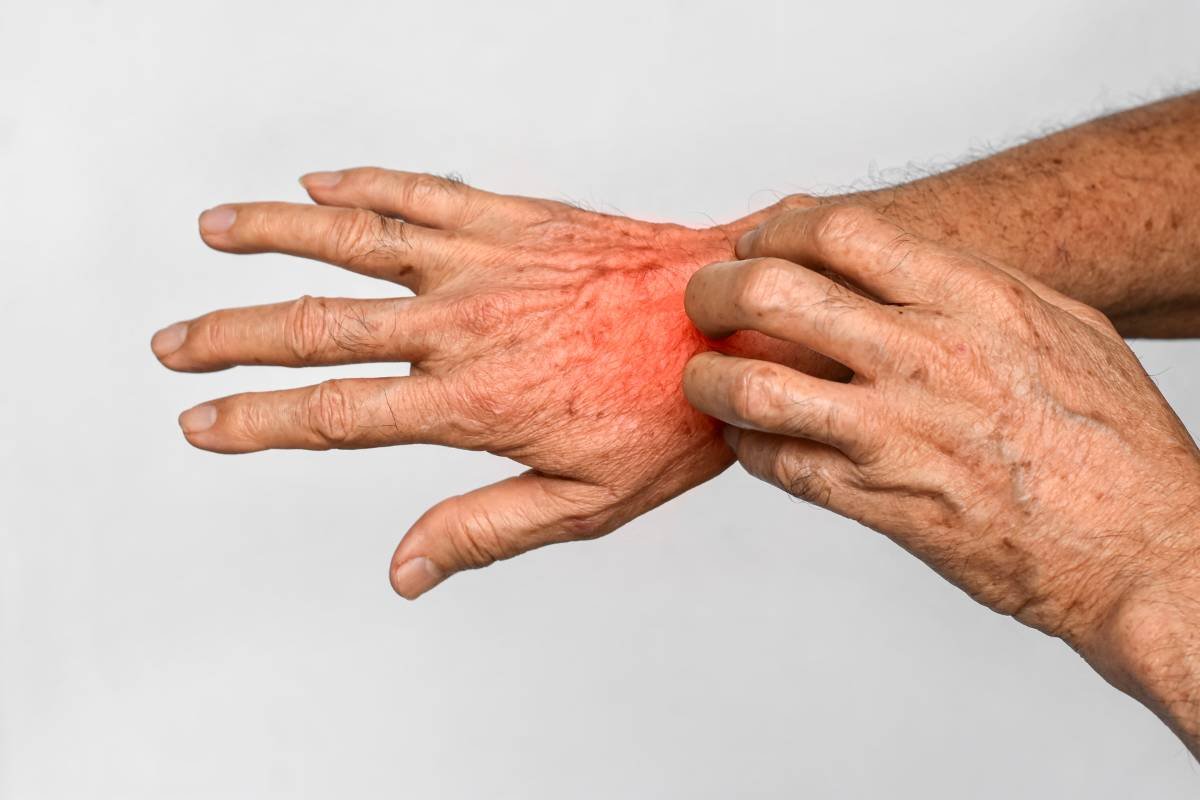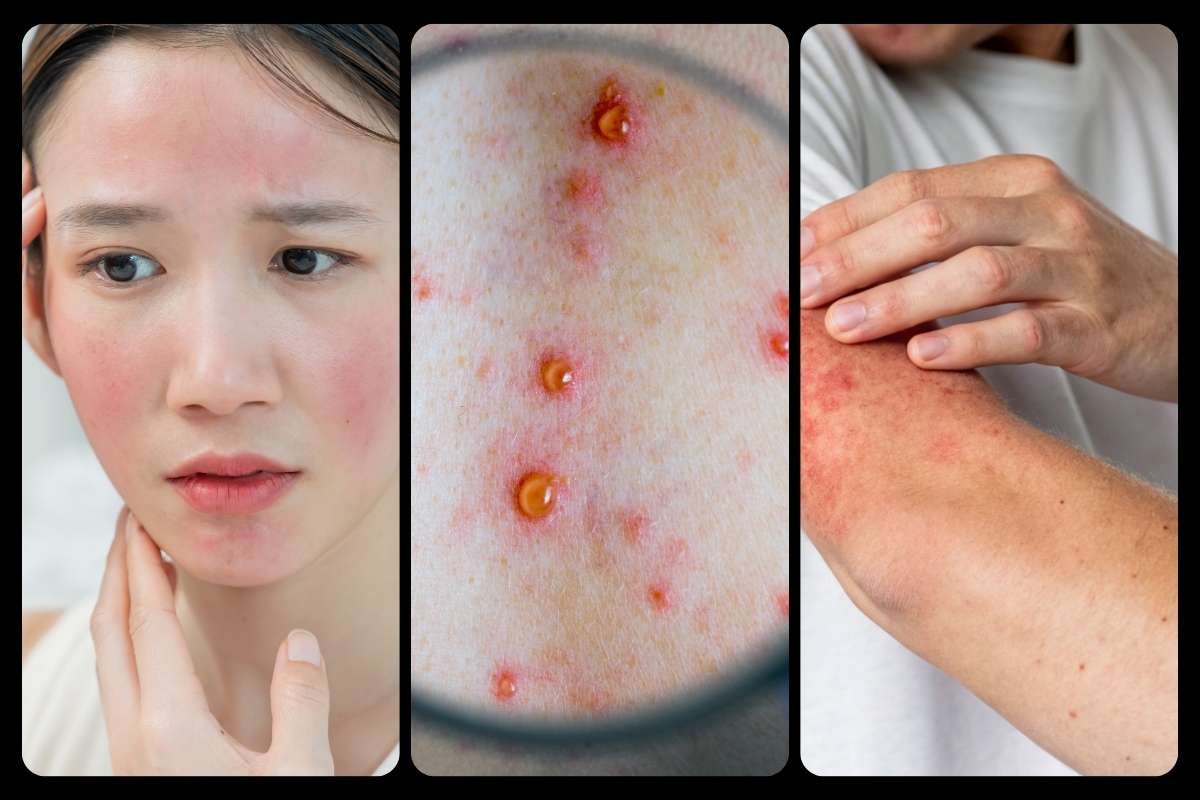
One of the most frequent reasons people seek medical attention is skin rashes. They can cause discomfort, itching, redness, or even pain, and they can develop gradually or appear suddenly. While some rashes are minor and transient, others might indicate underlying medical conditions that need to be properly treated. Knowing the different types of skin rash diseases facilitates early detection, improved treatment, and prompt medical attention.
What Is a Skin Rash?
A skin rash is a noticeable change in the texture or color of the skin. It may involve redness, bumps, blisters, scaling, swelling, or dryness. Rashes can affect a small localized area or spread across large parts of the body. Causes range from allergies and infections to autoimmune conditions and environmental triggers.
Recognizing symptoms early is important because different rashes need different treatments. Some clear up on their own, while others may worsen if ignored.
Common Causes of Skin Rashes
Skin rashes do not occur without reason. Some of the most frequent causes include:
- Allergic reactions to food, cosmetics, metals, or medications
- Infections caused by bacteria, viruses, fungi, or parasites
- Chronic skin conditions such as eczema or psoriasis
- Environmental factors like heat, humidity, pollution, or chemicals
- Immune system disorders where the body attacks its own skin
By understanding the root cause, doctors can determine which category of Types of Skin Rash Diseases a person may be experiencing.
1. Contact Dermatitis
Contact dermatitis occurs when the skin reacts to something it touches. This could be an irritant like soap, detergent, or chemicals, or an allergen such as nickel, fragrance, or poison ivy.
Symptoms:
- Redness and swelling
- Itching or burning sensation
- Dry, cracked, or blistered skin
This rash usually improves once the triggering substance is avoided.
2. Eczema (Atopic Dermatitis)
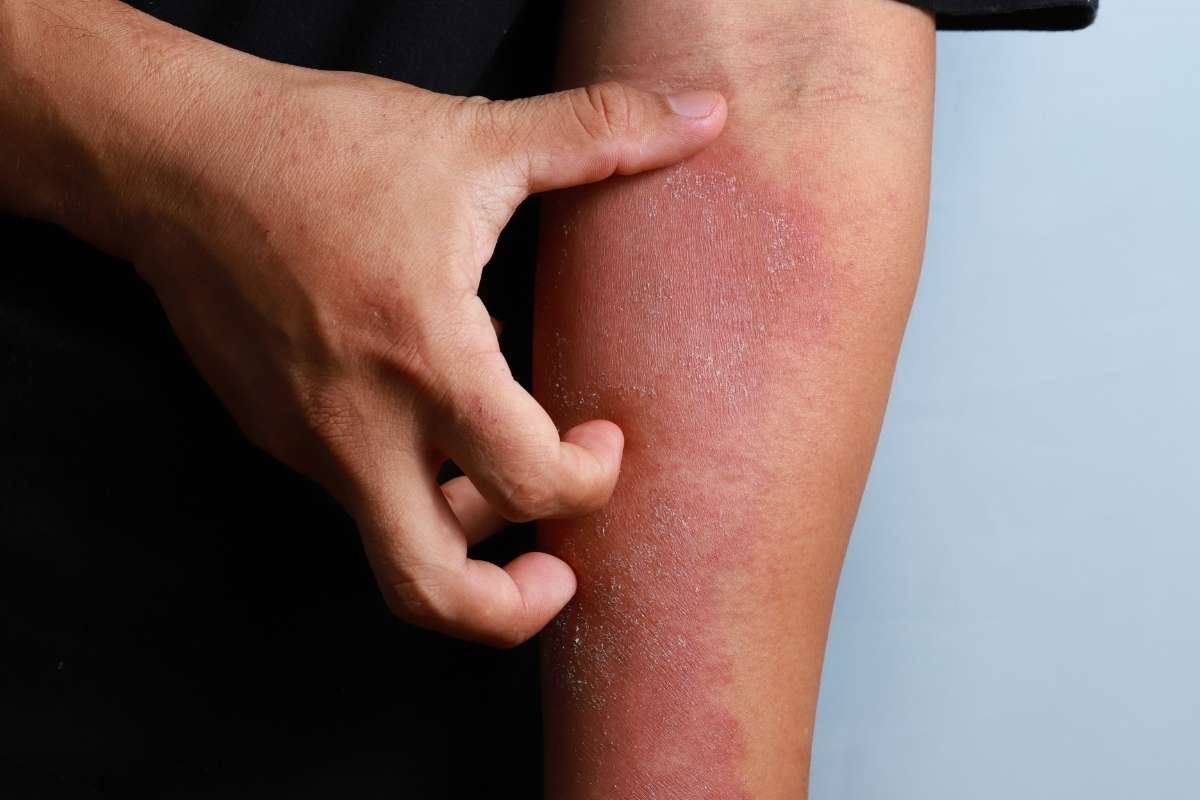
Eczema is a long-term skin condition that often starts in childhood but can affect adults as well. It is linked to a weakened skin barrier and immune response.
Symptoms:
- Dry, sensitive skin
- Intense itching
- Red or brownish patches, especially on hands, face, and joints
Eczema is one of the most common Types of Skin Rash Diseases worldwide and often flares up due to stress, weather changes, or allergens.
3. Psoriasis
Psoriasis is an autoimmune condition that speeds up skin cell production, leading to thick, scaly patches on the skin’s surface.
Symptoms:
- Raised red patches with silvery-white scales
- Dry skin that may crack and bleed
- Itching or soreness
This condition is chronic and may also affect the nails and joints.
4. Fungal Skin Rashes
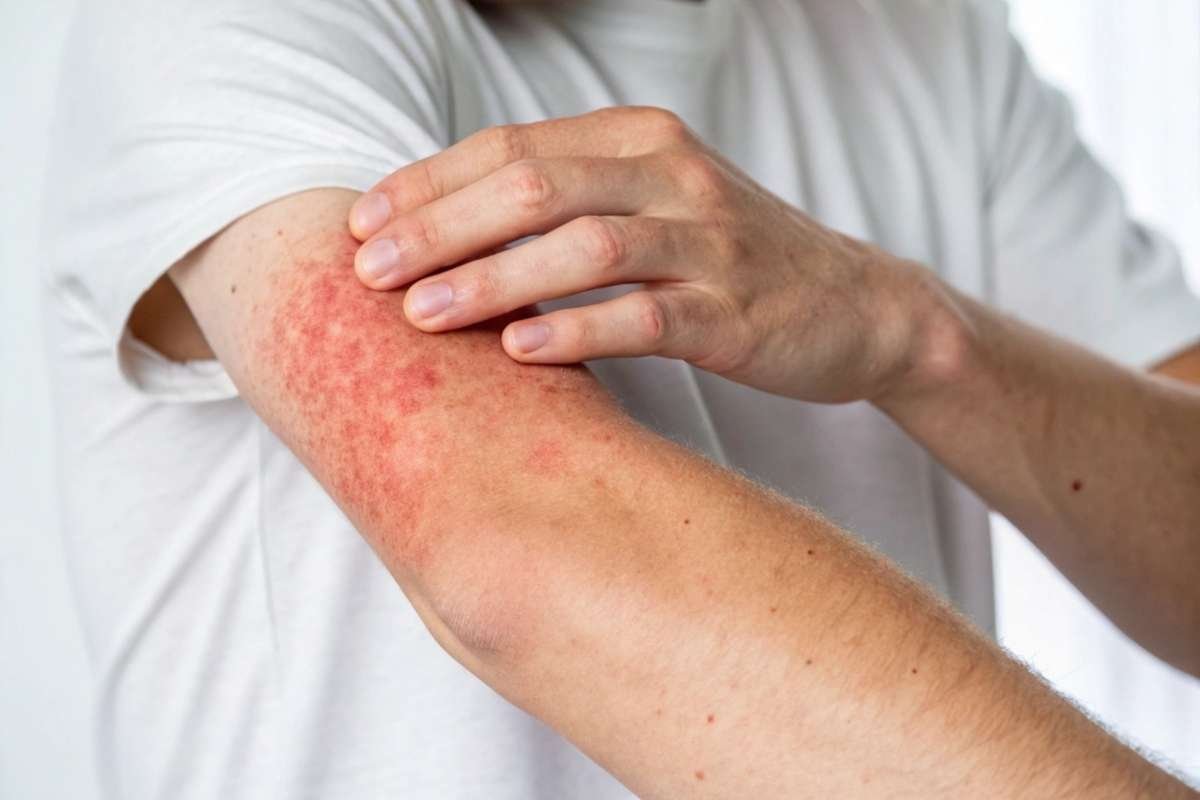
Fungal infections thrive in warm, moist environments and are highly common.
Examples include:
- Ringworm
- Athlete’s foot
- Yeast infections
Symptoms:
- Circular or scaly patches
- Itching and redness
- Peeling or cracking skin
Proper antifungal treatment usually clears these infections effectively.
5. Viral Skin Rashes
Viruses can also cause visible skin eruptions, especially in children.
Common viral rashes:
- Chickenpox
- Measles
- Shingles
Symptoms:
- Red spots or blisters
- Fever and fatigue
- Pain or itching
Among the various Types of Skin Rash Diseases, viral rashes are often accompanied by other systemic symptoms like fever.
6. Bacterial Skin Rashes
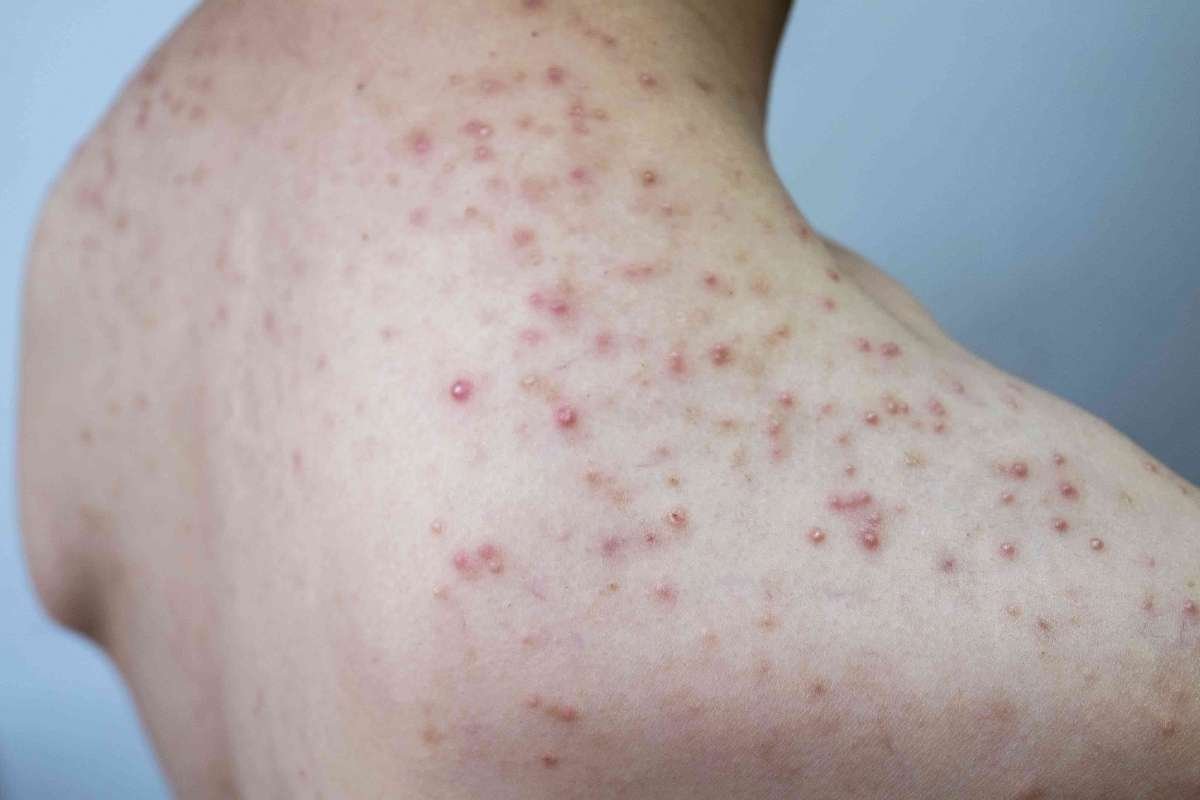
Bacterial infections can lead to serious skin issues if untreated.
Examples:
- Impetigo
- Cellulitis
- Folliculitis
Symptoms:
- Red, swollen skin
- Pus-filled sores
- Warmth and tenderness
Medical treatment with antibiotics is usually required to prevent complications.
7. Heat Rash (Prickly Heat)
Heat rash occurs when sweat ducts become blocked, trapping sweat under the skin.
Symptoms:
- Tiny red bumps or blisters
- Itching or prickling sensation
- Common in hot, humid weather
This condition is usually mild and clears up with cooling and proper skin care.
8. Autoimmune-Related Skin Rashes
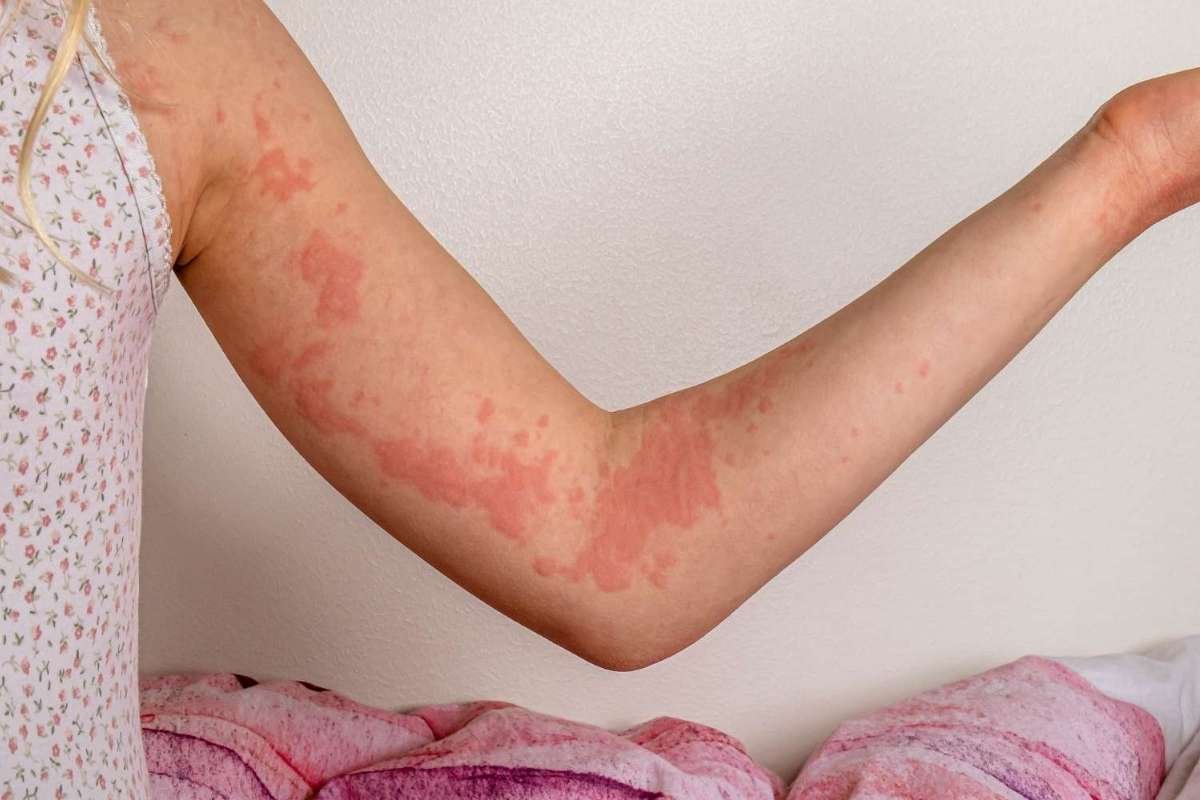
Some skin rashes are linked to autoimmune diseases such as lupus or dermatomyositis.
Symptoms:
- Butterfly-shaped facial rash (in lupus)
- Muscle weakness
- Sensitivity to sunlight
These are more complex Types of Skin Rash Diseases and often require long-term medical management.
Read Next:
- Demystifying Red Spots on Skin: Causes, Symptoms, and Treatment Options
- Rashes in Groin Area: Causes, Symptoms, and How to Treat Them?
When to See a Doctor?
While many rashes are harmless, medical advice should be sought if:
- The rash spreads rapidly
- There is severe pain or fever
- Blisters or open sores appear
- The rash does not improve with basic care
Early diagnosis ensures faster relief and prevents complications.
Conclusion
The appearance, cause, and severity of skin rashes vary greatly. Knowing the Types of Skin Rash Diseases enables people to take better care of their skin, from minor allergic reactions to long-term autoimmune disorders. Treatment results and general skin health can be greatly improved by being aware of symptoms, avoiding triggers, and promptly consulting a doctor.