Health officials have issued a Tennessee histoplasmosis report after confirming more than 35 cases in Maury and Williamson counties over the past three months, where exposure to a soil-borne fungus has sickened dozens and left some patients critically ill.
Health Officials Probe Cluster as Patients Hospitalized
The Tennessee Department of Health confirmed the cases during a Jan. 12 briefing, warning that the lung infection, caused by inhaling spores of the fungus Histoplasma capsulatum, poses serious risks to vulnerable patients.
State epidemiologists told the Williamson County Board of Commissioners that several patients have required hospitalization, and some remain in critical condition. The average age of those infected is 50, according to officials.
A local family has alleged that a woman died after contracting histoplasmosis, citing a positive test result returned two days after her death. State officials said the case is under investigation and that no death has yet been officially attributed to the infection.
According to the Tennessee histoplasmosis report, a state epidemiologist stated during the briefing that officials are actively investigating all reported cases, and emphasized that histoplasmosis has not been confirmed as the direct cause of any fatalities at this time.
Health officials said that no single exposure source has been identified, which complicates efforts to contain the outbreak.
Fungus Found in Contaminated Soil, Not Spread Person to Person
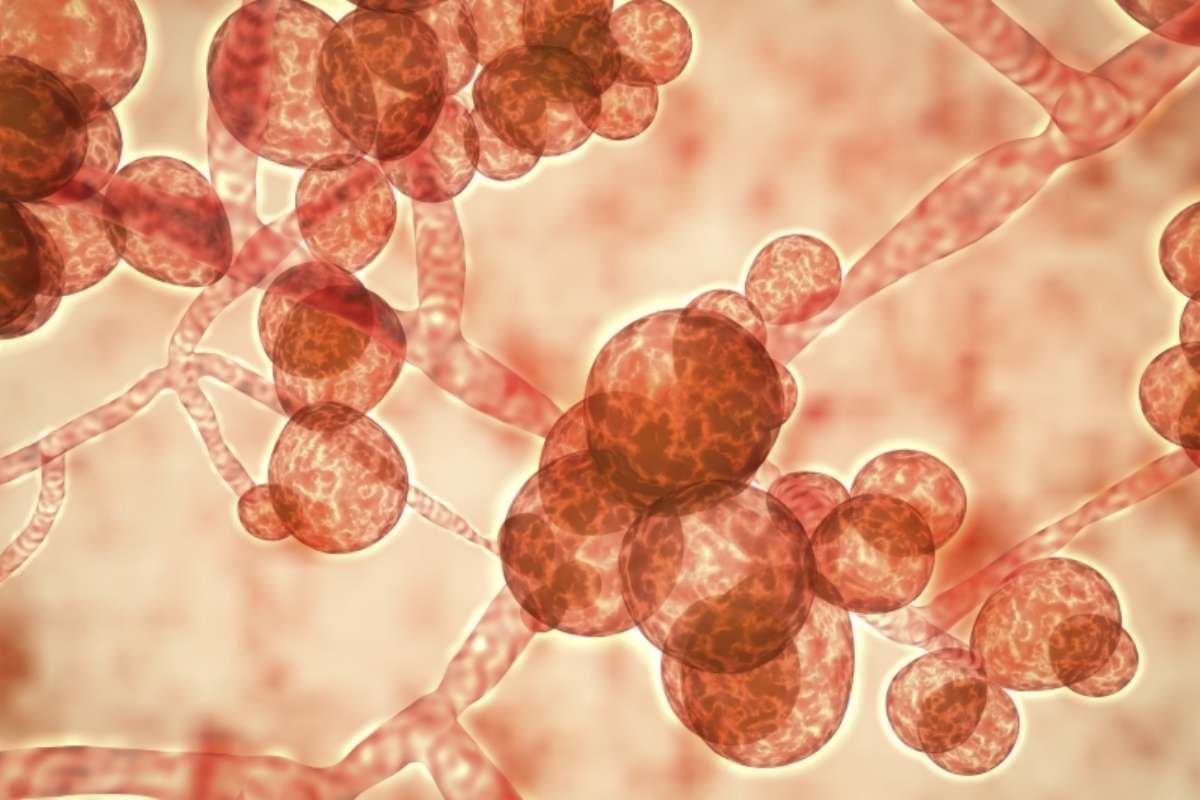
The Tennessee histoplasmosis report explains that the illness is caused by a fungus commonly found in soil contaminated with bird or bat droppings, and people become infected when microscopic spores are released into the air and inhaled, often during construction, farming, or outdoor activities that disturb the soil.
The infection does not spread from person to person and cannot be transmitted from humans to animals, according to the Centers for Disease Control and Prevention.
In most cases, people exposed to the fungus do not develop symptoms. When illness occurs, symptoms can range from mild to severe and typically appear three to 17 days after exposure.
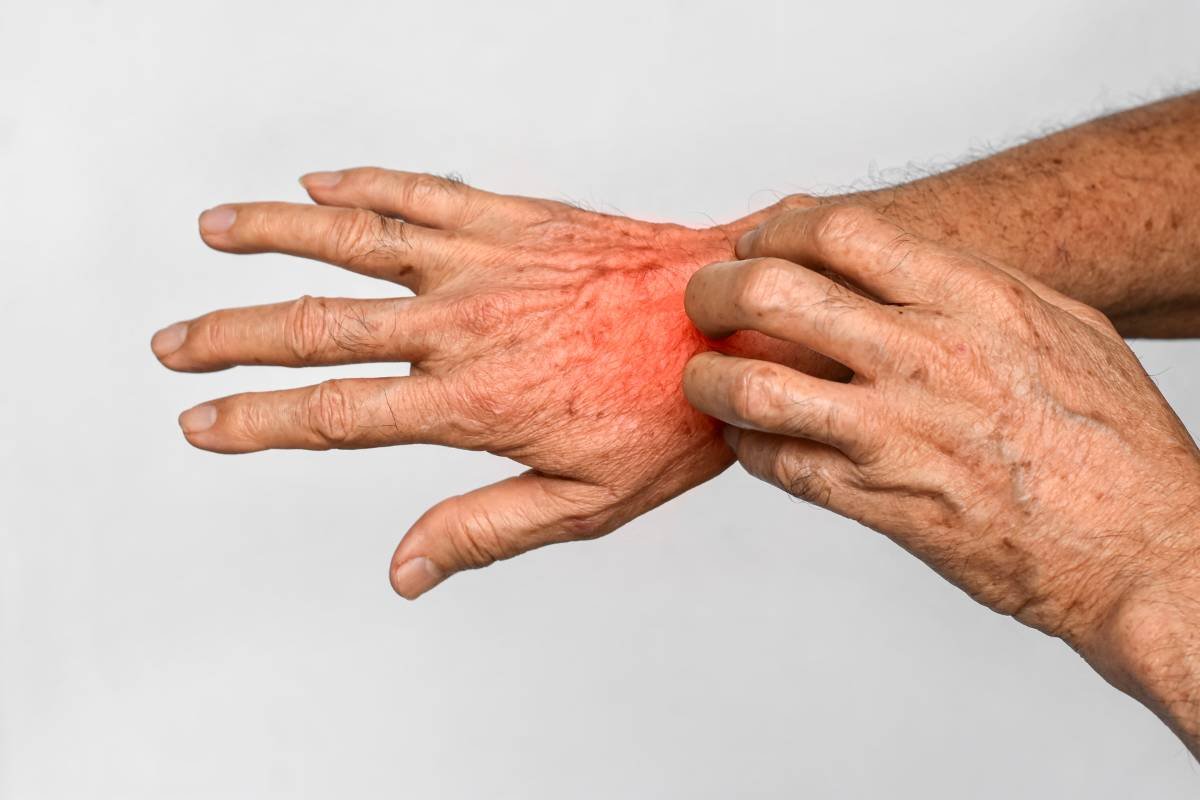
Common symptoms include fever, cough, extreme fatigue, headache, body aches, chills, and chest pain. Because these symptoms resemble those of a cold or the flu, the illness is frequently misdiagnosed or missed altogether.
“Histoplasmosis can be deadly to certain patients, but it doesn’t have to be,” said Dr. Zaid Fadul, CEO of Bespoke Concierge MD in California.
Doctors Urge Awareness, Early Testing, and Prevention
Fadul said most people face a low risk of serious illness because typical exposure levels are small. “Most of the time, we don’t get sick because the amount of spores we breathe in is minimal, assuming we are not working outside all day,” he said.
The Tennessee histoplasmosis report notes that while many patients recover without treatment, antifungal medications are available for severe infections, and doctors can confirm the disease through laboratory testing of blood or urine, as well as respiratory fluid samples, imaging scans, or tissue biopsies in certain cases.
“With this outbreak, and the new CDC-approved antigen testing, any vague respiratory illness should lead to a quick diagnosis and treatment,” Fadul said.
Health officials recommend limiting activities that disturb soil, especially in areas known to harbor the fungus. Wearing masks during prolonged or dusty outdoor work can help reduce the risk of inhaling spores.
“It is very healthy to be outside, but if it is dusty or you will be outside for a prolonged time, you should be wearing some kind of mask to limit any spores you might breathe in,” Fadul said.
Before the current outbreak, the CDC noted that histoplasmosis was considered a reportable disease in only 14 states, and the Tennessee histoplasmosis report confirmed that Tennessee was not among them.
Anyone experiencing persistent respiratory symptoms who believes they may have been exposed to contaminated soil is urged to contact a health care provider, particularly if symptoms do not improve with antibiotics.
Visit The Lifesciences Magazine For The Most Recent Information.