“The creation of a thousand forests is in one acorn.” – Ralph Waldo Emerson.
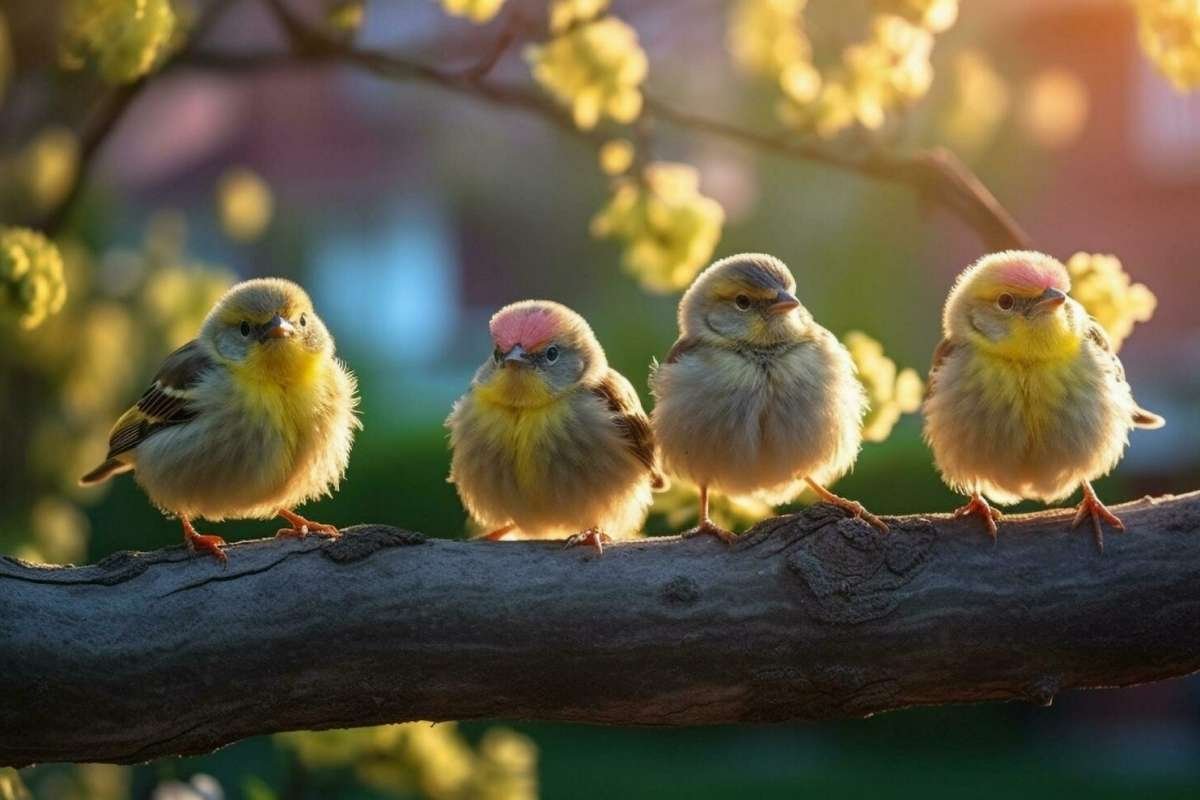
Some of the world’s smallest birds are tiny but amazing. Can you imagine a bird that could sit in the palm of your hand? Some weigh less than a coin and are smaller than everyday objects, but they still do incredible things in nature.
The Bee Hummingbird from Cuba is the smallest bird in the world. It is only 5.5–6 cm long and weighs about 2 grams, lighter than a paperclip! Even though it’s so small, it beats its wings up to 80 times per second to hover and drink nectar from flowers. Tiny but full of energy!
These little birds live all over the world, from Ecuador to Australia, and even in gardens in India. Birds like the Emeraldas Woodstar, Weebill, and Pale-Billed Flowerpecker show how amazing nature can be in miniature. Their small size helps them reach tiny flowers or catch tiny insects that bigger birds cannot.
Being small has challenges, too. They need to eat almost all the time, and losing their homes can put them at risk. Studying these birds helps us understand nature and shows why protecting even the smallest animals is important.
In this blog, we’ll explore what makes a bird “small,” meet some of the smallest birds in the world, and see where you can find them. Get ready to discover birds that are tiny in size but full of wonder!
What Defines the Smallest Birds in the World?
When we talk about the smallest birds in the world, we mean birds that are extremely tiny in both length and weight. Their size affects almost every part of their lives, from how they move to how they feed and survive.
Some key points that define these tiny birds:
- Size Matters: Small birds are measured by length (beak to tail) and weight. Their miniature size sets them apart from all other birds.
- High Energy Needs: Tiny bodies burn energy quickly, so these birds must feed almost constantly. Their diet usually includes nectar, tiny insects, and berries.
- Amazing Agility: Small size gives them incredible maneuverability. They can hover, dart through dense branches, or squeeze into tiny spaces that larger birds cannot reach.
Understanding what makes a bird “small” gives us a deeper appreciation of how nature works in miniature. These tiny birds may be small in size, but they are full of energy, clever adaptations, and important roles in their ecosystems.
Top 10 Smallest Birds in the World You Should Know [Most to Least Size]

These tiny birds may be small in size, but they are full of energy, agility, and unique adaptations. Each species mentioned below plays an important role in pollination, insect control, and maintaining ecological balance.
10. Common Firecrest: 9 cm
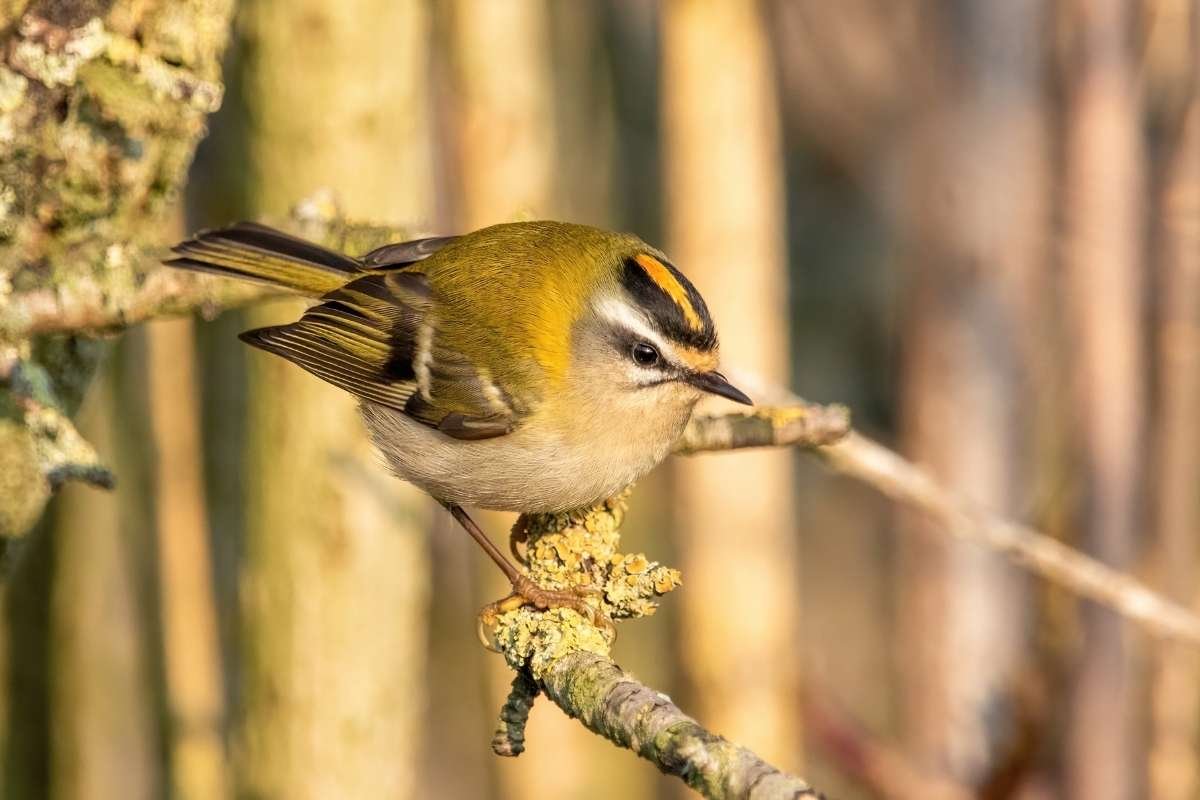
| Scientific Name | Regulus ignicapilla |
| Native Regions | Europe, North Africa |
| Weight | 5–6 g |
| Habitat | Woodlands, parks, gardens |
The Common Firecrest is admired for its alert nature and quick movements through tree canopies. It often stays hidden, making birdwatchers rely more on sound than sight to notice it. This species is known for its sharp awareness and constant activity. Even in colder seasons, it remains surprisingly active and alert. Its presence adds life and movement to quiet forest spaces.
- Unique Features: Bright face markings, agile flier
- Feeding Habits: Insects, small arthropods
9. Goldcrest: 9 cm
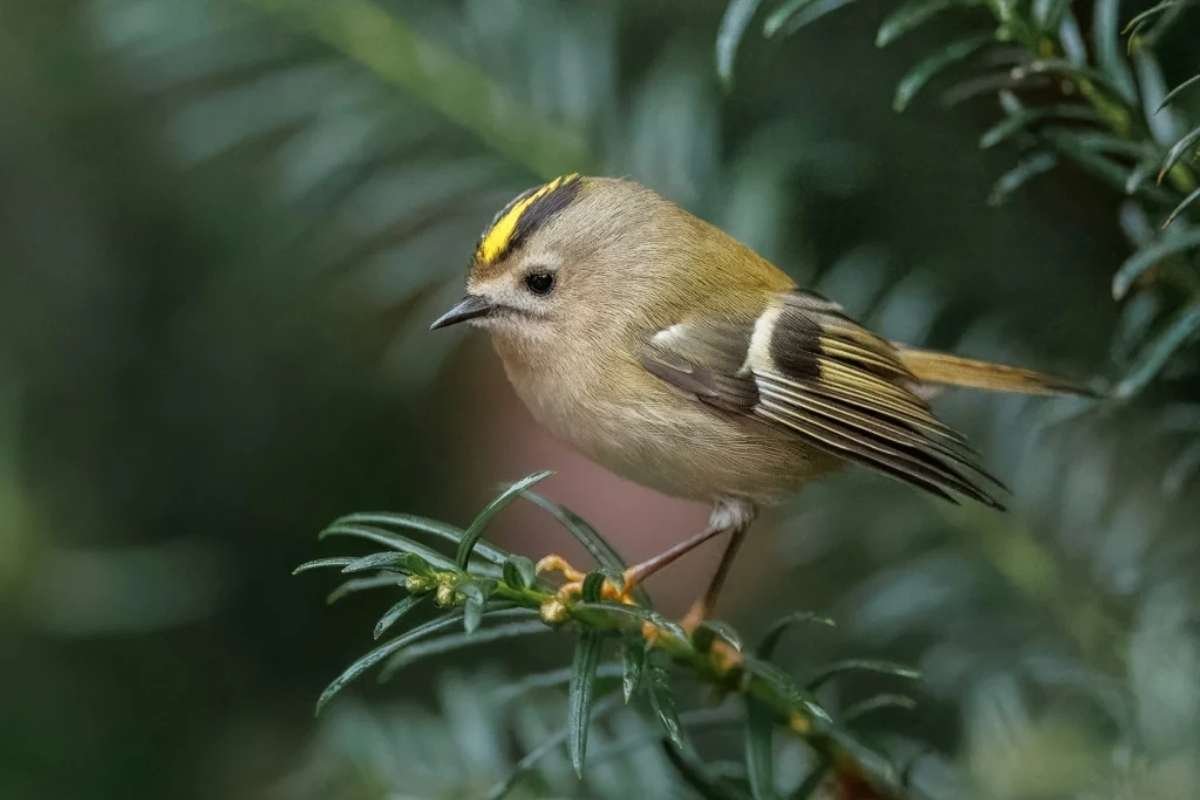
| Scientific Name | Regulus regulus |
| Native Regions | Europe, parts of Asia |
| Weight | 4.5–7 g |
| Habitat | Coniferous forests, gardens |
The Goldcrest is often highlighted among the smallest birds in the world because of its delicate build and lively behavior. It is constantly on the move, rarely pausing for more than a few seconds. This bird is known for its high endurance despite its fragile appearance. During winter, it often gathers in mixed flocks for safety. Its ability to survive harsh conditions makes it truly remarkable.
- Unique Features: Tiny songbird, bright yellow crest
- Feeding Habits: Insects, spiders
8. Cape Penduline Tit: 8–9 cm
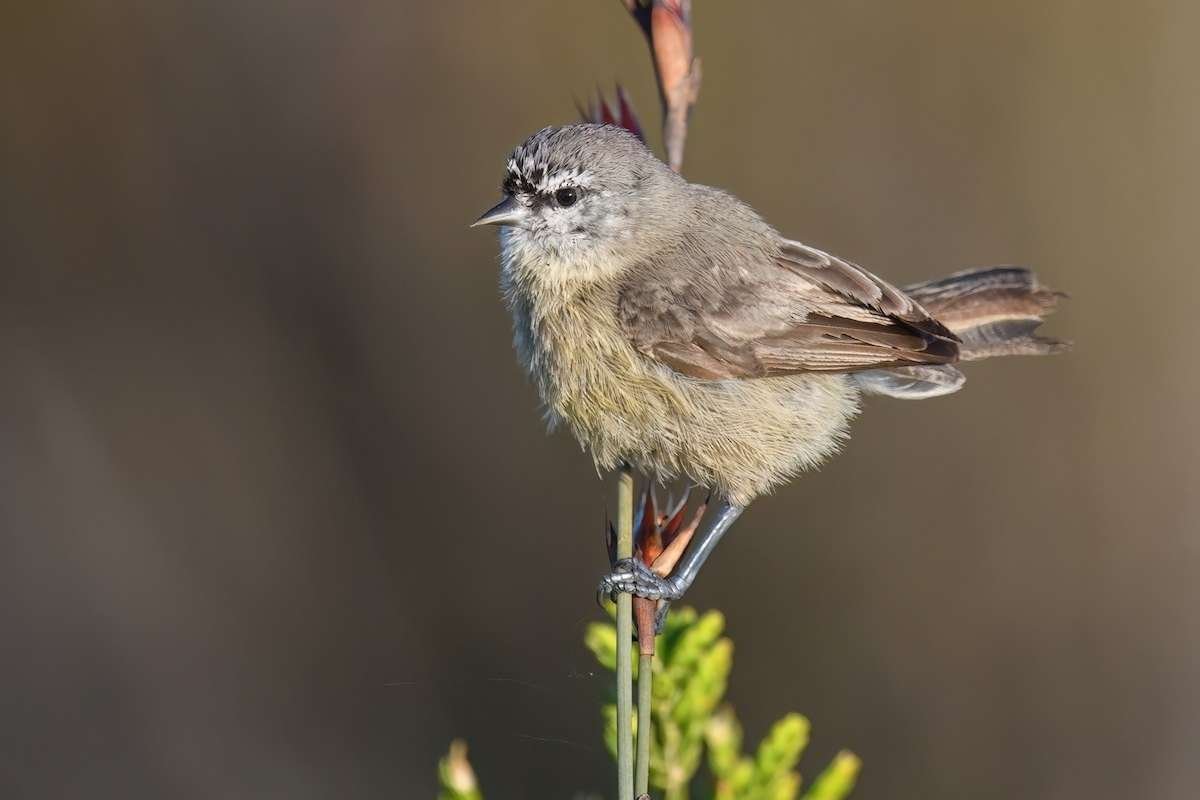
| Scientific Name | Anthoscopus minutus |
| Native Regions | Southern Africa |
| Weight | 5–6 g |
| Habitat | Savannas, shrublands |
The Cape Penduline Tit stands out for its intelligence and problem-solving skills. It carefully chooses safe places to raise its young away from danger. This bird shows strong parental behavior and attention to detail. Its quiet presence often goes unnoticed unless closely observed. Among small birds, it is known for its careful and deliberate nature.
- Unique Features: Builds hanging nests, insect-eating skills
- Feeding Habits: Insects, small fruits
7. Weebill: 8 cm
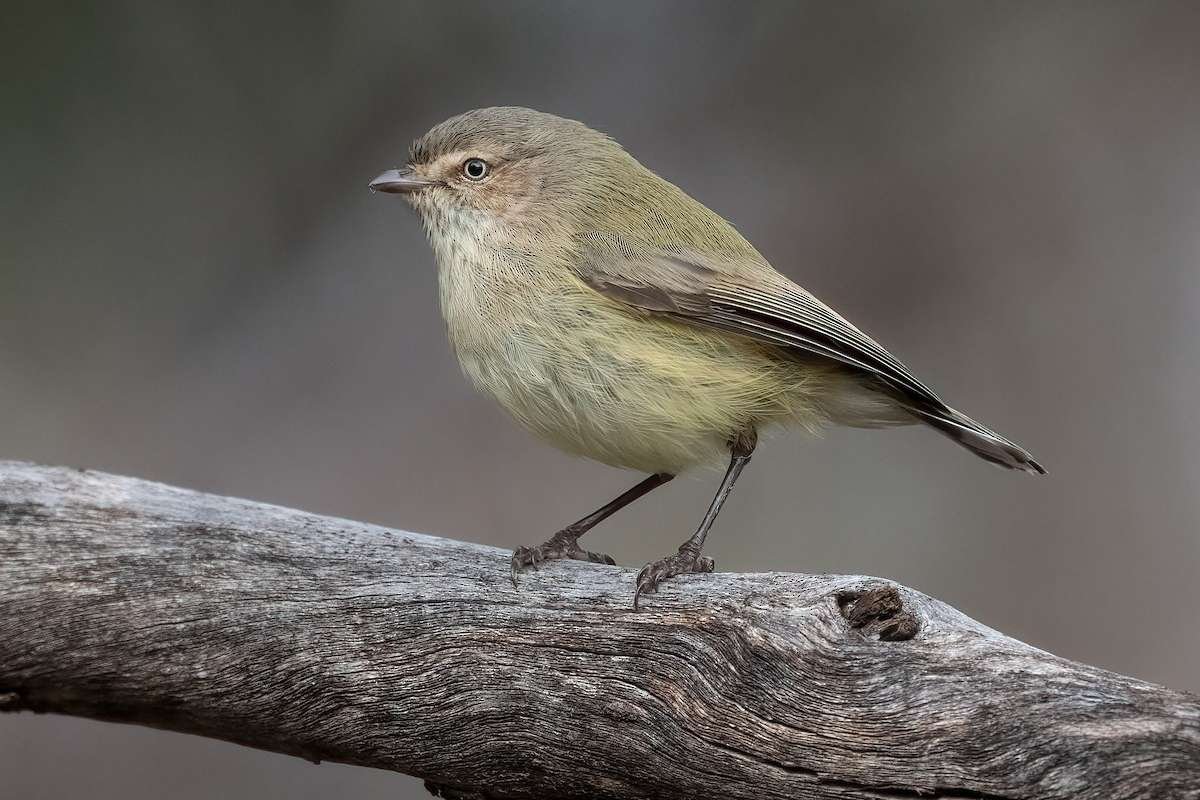
| Scientific Name | Smicrornis brevirostris |
| Native Regions | Australia |
| Weight | ~6 g |
| Habitat | Forests, woodlands, open shrublands |
The Weebill is known for its gentle presence and calm behavior among tiny bird species. It is highly social and prefers staying close to others of its kind. This bird communicates using soft calls rather than loud songs. Its relaxed nature contrasts with many fast-moving birds of similar size. Observing a Weebill often requires patience and a quiet moment, making it one of the smallest birds in the world.
- Unique Features: Tiny, soft song; social behavior in flocks
- Feeding Habits: Insects, small arthropods
Read Next: The Science of Small: What the 15 World’s Smallest Animals Teach Us About Evolution
6. Pale-Billed Flowerpecker: 8 cm
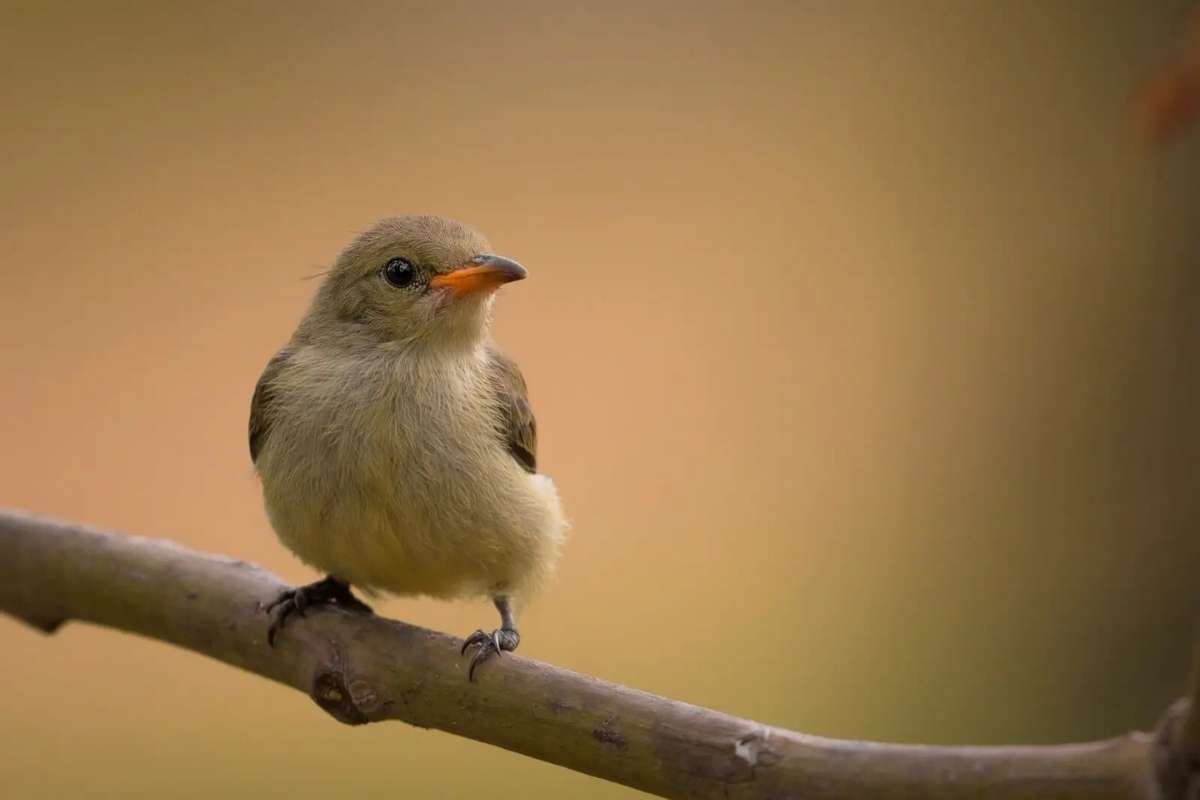
| Scientific Name | Dicaeum erythrorhynchos |
| Native Regions | Indian subcontinent |
| Weight | 4–6 g |
| Habitat | Urban gardens, woodlands, forest edges |
The Pale-Billed Flowerpecker is known for adapting easily to changing surroundings. It often remains active during early mornings and late afternoons. This bird plays a quiet but steady role in maintaining natural balance. Its movements are quick but purposeful. Despite its size, it shows impressive survival instincts.
- Unique Features: Tiny pale bill, rapid flight
- Feeding Habits: Small fruits, berries, nectar
5. Costa’s Hummingbird: 7.6 cm
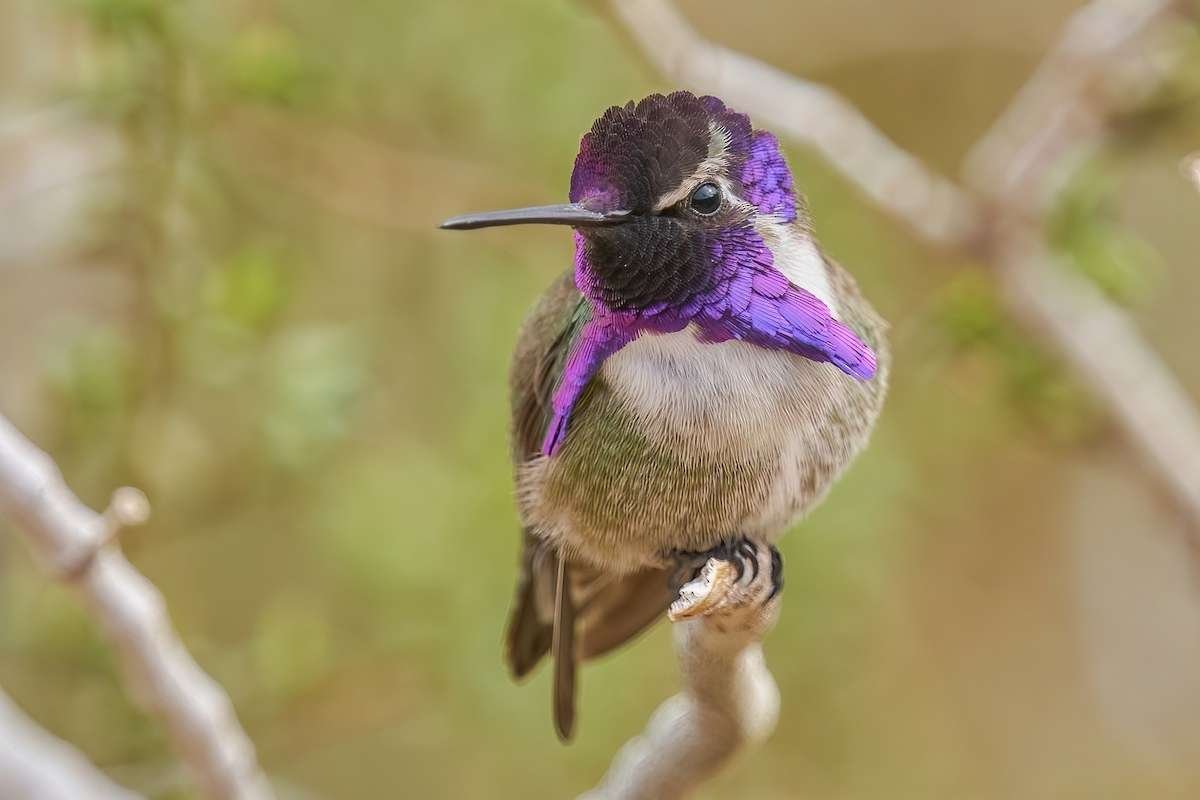
| Scientific Name | Calypte costae |
| Native Regions | Southwestern U.S., Mexico |
| Weight | ~3 g |
| Habitat | Desert scrublands, gardens |
Costa’s Hummingbird is known for its striking behavior and confident presence despite its tiny frame. It is regarded as one of the smallest birds in the world that genuinely stands out through show and personality because of its audacious attitude and brave character. This bird is highly territorial and actively defends its space from intruders. It is especially famous for dramatic aerial movements during courtship displays.
- Unique Features: Vibrant purple throat in males, fast-flying
- Feeding Habits: Nectar, small insects
4. Calliope Hummingbird
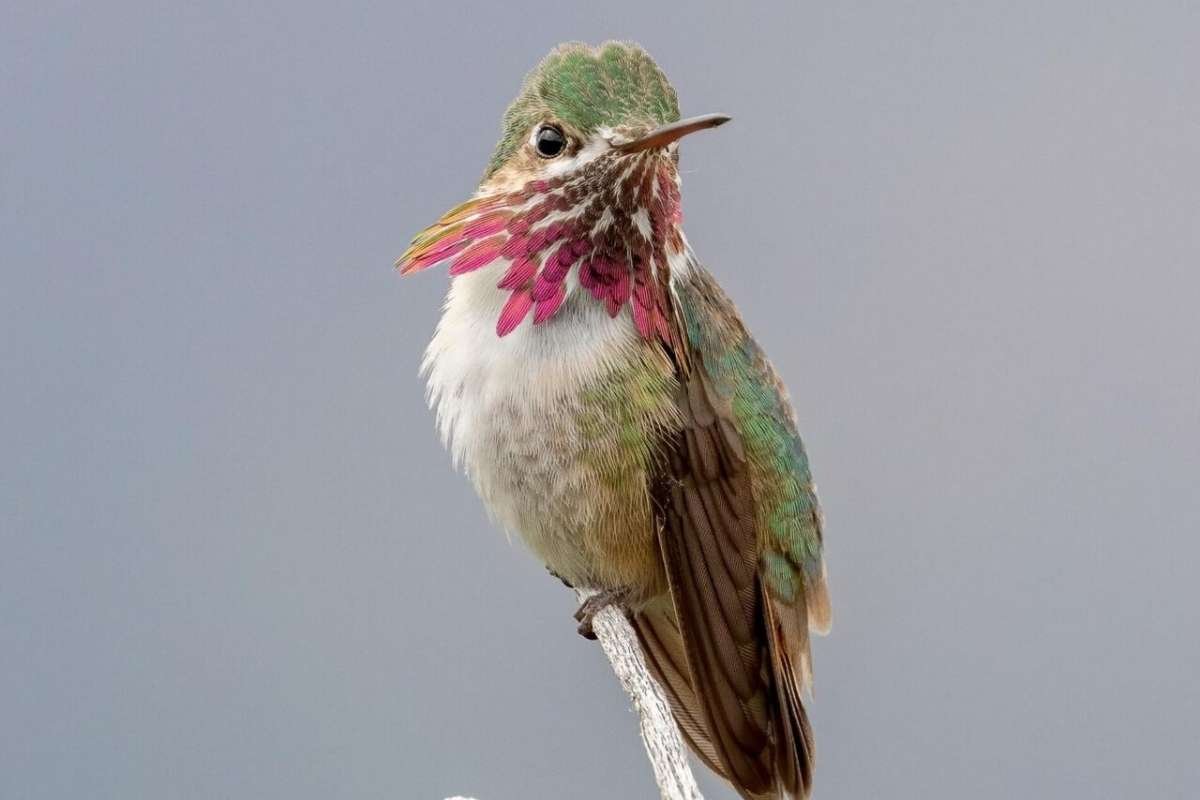
| Scientific Name | Selasphorus calliope |
| Native Regions | Western North America |
| Size | ~7 cm |
| Weight | ~2.8 g |
| Habitat | Meadows, gardens, mountainous regions |
| Unique Features | The male performs a U-shaped flight display during mating |
| Feeding Habits | Nectar, small insects |
The Calliope Hummingbird is admired for its strong migratory instincts. It travels long distances despite its delicate appearance. This bird shows impressive navigation skills during seasonal movements. Its behavior reflects both strength and precision. Among hummingbirds, it is known for its fearless nature.
- Unique Features: The male performs a U-shaped flight display during mating
- Feeding Habits: Nectar, small insects
3. Esmeraldas Woodstar: 6.4 cm
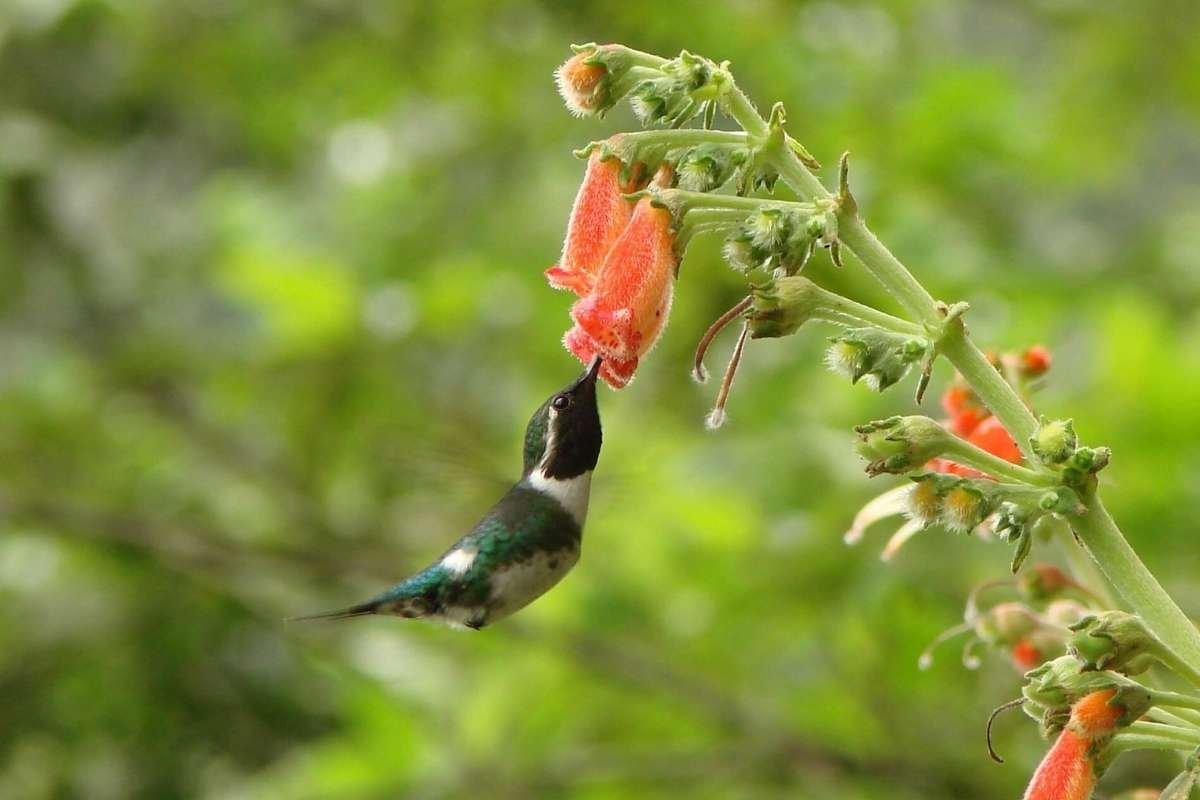
| Scientific Name | Chaetocercus berlepschi |
| Native Regions | Ecuador (South America) |
| Weight | ~2 g |
| Habitat | Deciduous forests, shrubby areas |
The Esmeraldas Woodstar is counted among the smallest birds in the world and is also one of the most elusive. Sightings of this bird are rare, making it special to researchers and bird lovers. It is closely linked to conservation efforts due to its limited population. Protecting this species helps preserve entire ecosystems. Its survival highlights the importance of habitat protection.
- Unique Features: Rediscovered after being thought extinct, bright green feathers
- Feeding Habits: Nectar, small insects
2. Vervain Hummingbird: 6 cm
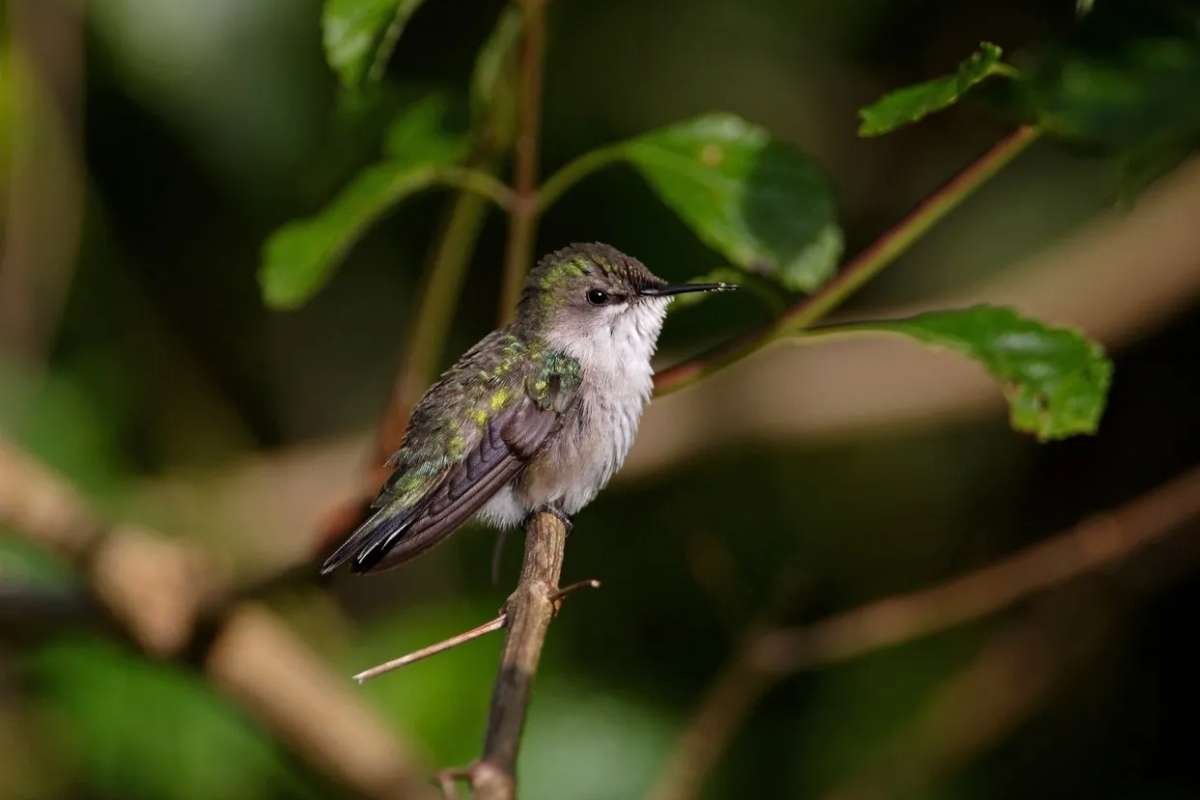
| Scientific Name | Mellisuga minima |
| Native Regions | Jamaica, Hispaniola |
| Weight | 2 g |
| Habitat | Tropical forests |
The Vervain Hummingbird is known for its constant motion and alert behavior. It rarely stays in one place for long. This bird interacts closely with flowering plants throughout the day. Its presence supports natural plant reproduction. Even short appearances add charm to tropical landscapes.
- Unique Features: Extremely small, colorful feathers
- Feeding Habits: Nectar, tiny insects
1. Bee Hummingbird: 5.5–6 cm
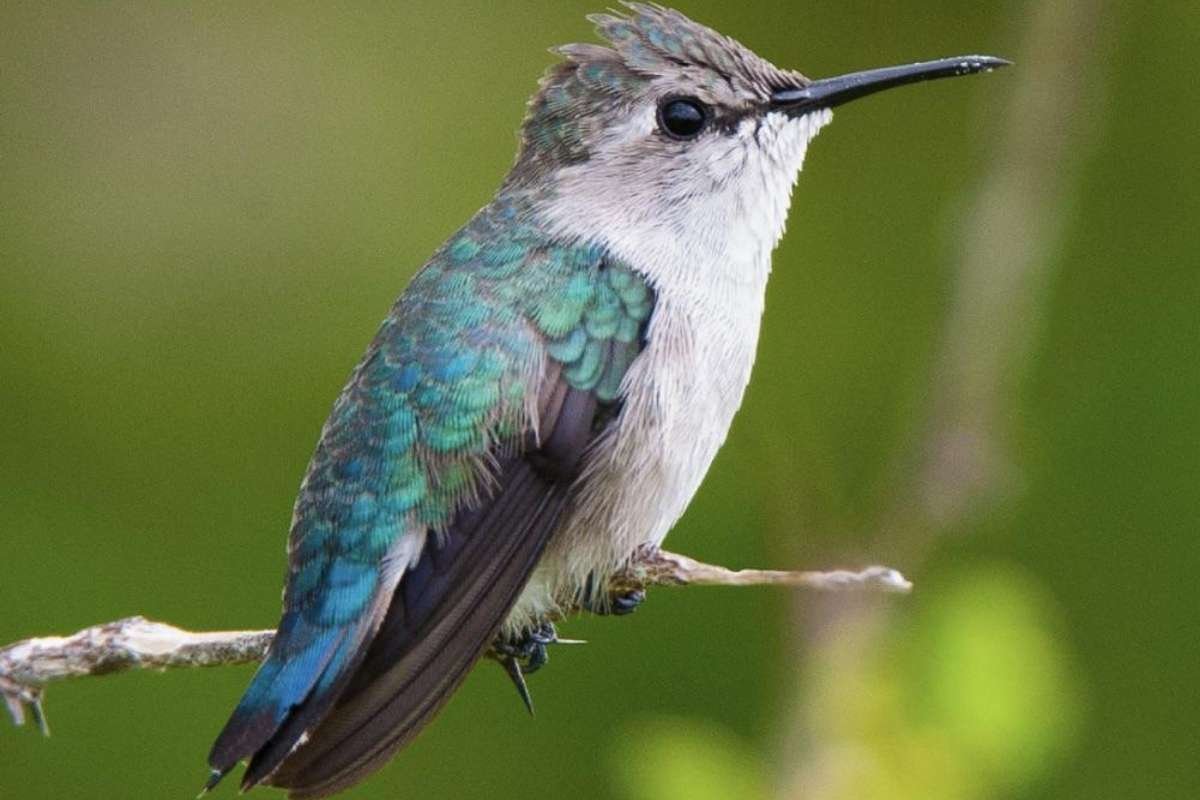
| Scientific Name | Mellisuga helenae |
| Native Regions | Cuba (Caribbean) |
| Weight | 1.9–2.6 g |
| Habitat | Tropical forests, gardens |
The Bee Hummingbird is one of the most fascinating creatures in nature, often amazes scientists and bird lovers alike. Known as one of the smallest birds in the world, it is frequently compared to insects because of its rapid and delicate flight. This bird shows remarkable control and balance while moving through the air. Its behavior reflects extreme efficiency and precision, making it a true wonder of the natural world.
- Unique Features: Fastest wing beats (up to 80 per second), tiny body perfect for hovering
- Feeding Habits: Nectar from flowers, tiny insects
Read Next: 15 Dinosaur Size Comparison That Will Make You Feel Tiny
Conclusion
The smallest birds in the world show that size does not limit importance. Despite their tiny bodies, they play essential roles in pollination, insect control, and maintaining ecological balance. Their energy, agility, and unique adaptations make them true marvels of nature.
At the same time, their delicate lifestyles make them vulnerable to habitat loss and environmental change. Protecting these birds means protecting the ecosystems they support. In their quiet way, these tiny creatures remind us that even the smallest forms of life have great value in the natural world.
FAQs
1. Which is the smallest bird in the world?
The Bee Hummingbird, found in Cuba, is the smallest bird in the world. It measures about 5.5–6 cm in length and weighs around 2 grams.
2. Why do the smallest birds need to eat so often?
Tiny birds have very fast metabolisms, which means they burn energy quickly. To survive, they must feed almost continuously on nectar, insects, or small fruits.
3. Where can the smallest birds in the world be found?
These birds live across different regions, including the Americas, Europe, Africa, Australia, and the Indian subcontinent. Some even adapt well to gardens and urban areas.
4. What role do small birds play in the ecosystem?
Despite their size, they help pollinate flowers, control insect populations, and spread seeds, making them vital to ecological balance.
5. Why are the smallest birds at risk?
Habitat loss, climate change, and reduced food sources threaten these birds. Their specialized needs make them especially sensitive to environmental changes.