Key Points:
- Shingles vaccine may cut dementia risk by 20% in older adults.
- Vaccinated people with existing dementia showed lower death rates, suggesting therapeutic benefits.
- The mechanism is unclear, and further research is needed to confirm findings.
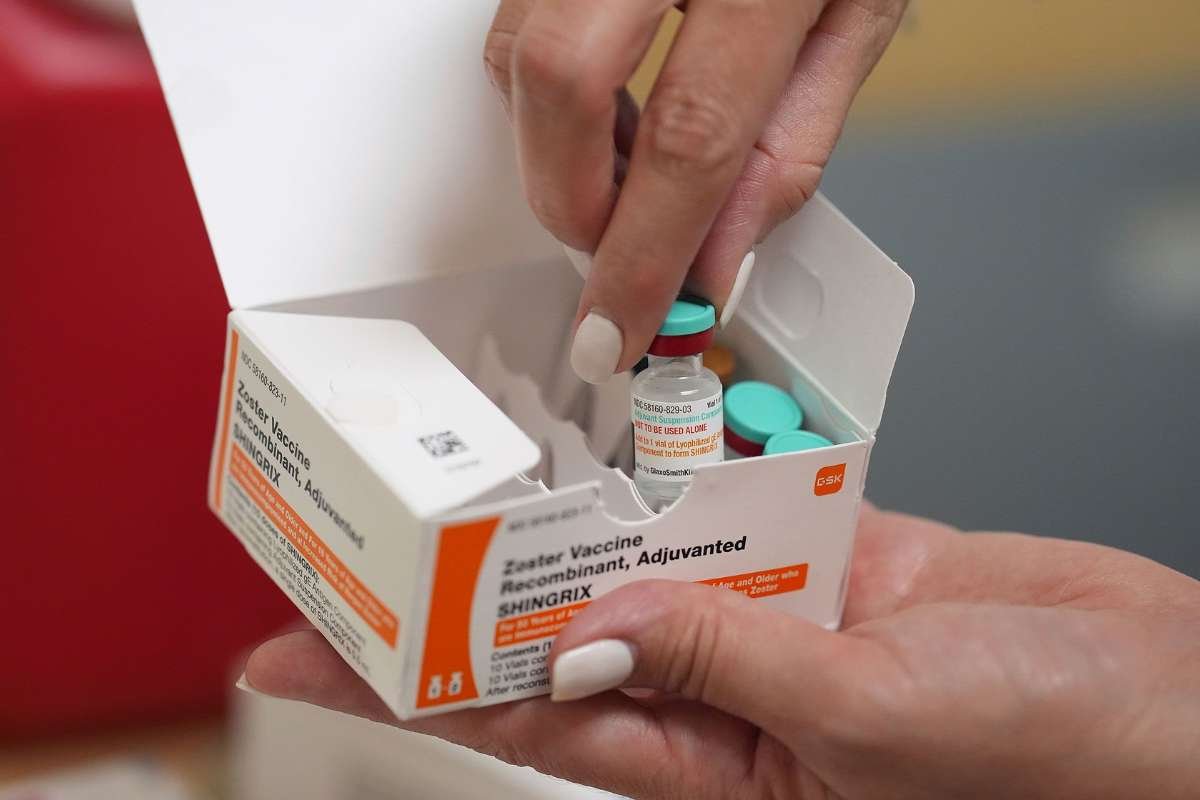
A shingles vaccine appears to cut dementia risk by about 20 percent and may slow the disease’s progression, according to Stanford University research analyzing health records of more than 280,000 older adults in Wales.
Researchers reported in Nature that adults aged seventy-nine to eighty who received the shingles vaccine in a 2013 national program were far less likely to develop dementia by 2020 than peers who were not eligible for the shot. The team examined anonymized health data to assess long-term outcomes from the routine immunisation rollout.
Senior author Dr. Pascal Geldsetzer, an assistant professor of medicine at Stanford, said the size of the effect was unexpected. “This was a really striking finding,” he said. “This huge protective signal was there, any which way you looked at the data.”
The study’s design helped reduce a long-standing challenge in dementia research: the tendency for vaccinated people to be healthier in general. Because eligibility depended strictly on birth week, researchers could compare two nearly identical groups whose only major difference was access to the vaccine.
Geldsetzer said this allowed the team to isolate the vaccine’s apparent impact. “We know that if you take a thousand people at random born in one week, and a thousand born a week later, they shouldn’t differ on average,” he said. “They are similar apart from this tiny difference in age.”
Study Links Routine Shot To Lower Dementia Risk
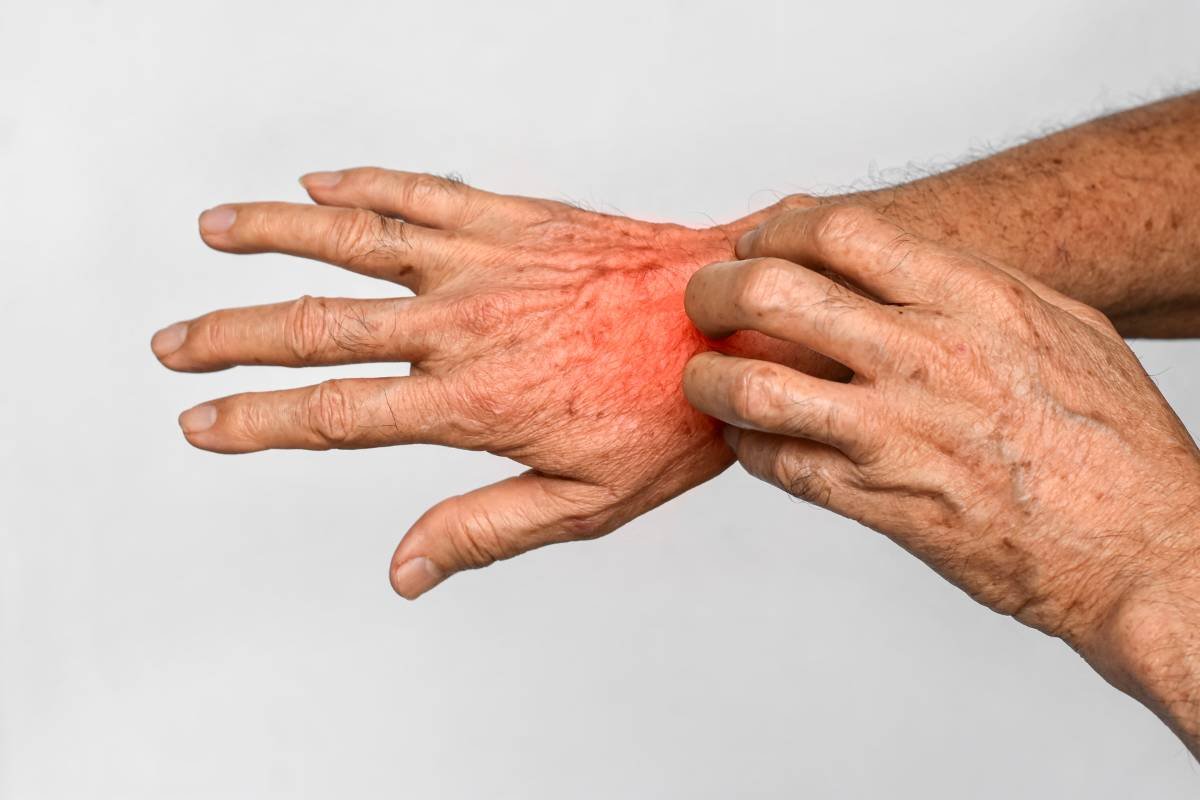
The shingles vaccine, already widely available, is designed to prevent Varicella zoster virus reactivation. The virus, which causes chickenpox and shingles, affects the nervous system and can trigger painful rashes, fever and headaches. Scientists have not yet identified how the vaccine might protect the brain from cognitive decline, but previous research has hinted at a possible link.
In this new analysis, the difference in dementia diagnosis between the vaccinated and unvaccinated groups was significant. Older adults who received the shot were about one-fifth less likely to develop dementia over the seven-year follow-up period.
Researchers emphasized that the findings must be confirmed by additional studies before the vaccine can be recommended specifically for dementia prevention. Dementia affects an estimated fifty-seven million people worldwide, and no cure currently exists.
Researchers See Benefits Even After Diagnosis
The team also conducted a follow-up study, published in Cell, examining whether the vaccine had benefits for people who already had dementia. They tracked 7,049 Welsh adults who were diagnosed with the condition by 2013.
Nearly half of the group died during the next nine years, but death rates were notably lower among those who had received the shingles vaccine. Only about thirty percent of vaccinated individuals with dementia died in that period.
“The most exciting part is that this suggests the vaccine doesn’t have only preventive or delaying benefits,” Geldsetzer said. “It also has therapeutic potential for those who already have dementia.”
Experts caution that the mechanism behind the protective effect remains unclear. The research team noted that the virus interacts closely with the nervous system, but more work is needed to understand how a vaccine developed for shingles may influence neurodegeneration.
Eligibility Rules Strengthen Confidence In Findings
Previous studies struggled to separate vaccine effects from lifestyle influences, since people who seek vaccines often exercise more, eat healthier and receive regular medical care. But the 2013 Welsh program offered the vaccine only to individuals who were seventy-nine on a specific date, reducing that bias.
By comparing adults born just one week apart, the researchers could evaluate two groups with similar health patterns, education levels and medical behaviors. This design, they said, increased confidence that the vaccine itself contributed to the observed outcomes.
The findings have prompted calls for more global research to validate the results across larger and more diverse populations. Public health experts say that, if confirmed, the shingles vaccine could become a low-cost tool to reduce dementia’s impact.
Visit The Lifesciences Magazine For The Most Recent Information.