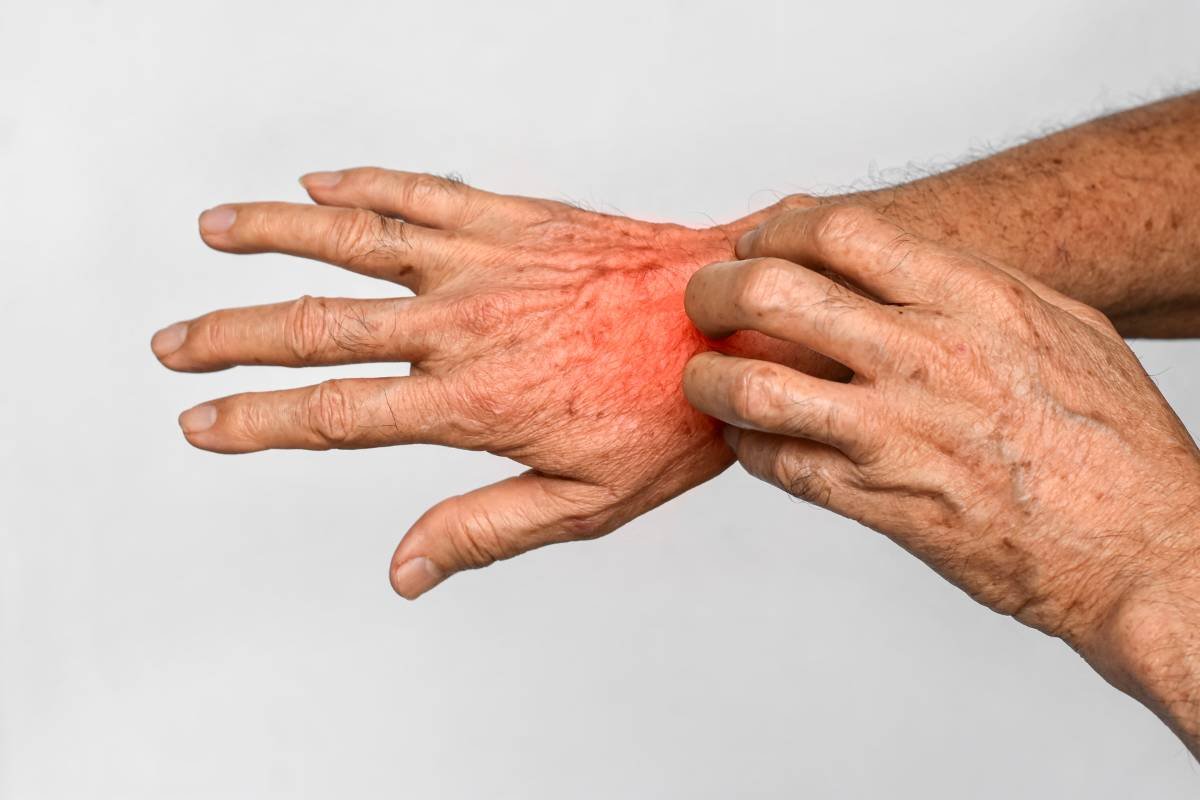
You go to bed feeling fine. You wake up itching like your skin joined a secret gym at night. You scratch. You stop. You scratch again. Motivation drops. Mood crashes. Sound familiar?
Don’t worry. You are not dirty. You are not careless. Skin issues happen to smart and clean people, too.
Scabies Rash or Bites feel annoying, but they are treatable. Once you know what is happening, you can take control. Think of this guide as a calm friend who explains things without drama, fear, or medical confusion.
What Is Scabies Rash or Bites?
Scabies Rash or Bites happen because of very tiny mites that live on human skin. These mites are so small that you cannot see them with your eyes. Once they reach the skin, they move into the top layer and make tiny tunnels. Inside these tunnels, they lay eggs and continue to live there for weeks.
Your body does not like this at all. It treats the mites and their waste as a threat. Because of this reaction, your immune system responds strongly. That response causes redness, small bumps, swelling, and intense itching. The rash you see is not the mites themselves. It is your body reacting to them.
Scabies spreads mainly through close and long skin contact. This includes holding hands for a long time, sleeping in the same bed, or living in the same house. That is why scabies often passes between family members, couples, or roommates. Sharing clothes, towels, or bedding can also spread it.
These mites cannot jump like fleas. They cannot fly. They move very slowly by crawling from one surface to another. This means quick contact, like a short handshake, usually does not spread scabies. Long contact gives them enough time to move.
One important sign of Scabies Rash or Bites is itching that becomes worse at night. This happens because mites are more active when the body is warm and relaxed. At night, there are also fewer distractions, so the itching feels stronger.
Many people ignore the early signs. They think it is a simple allergy, dry skin, or a mosquito bite. This delay allows the mites to spread more on the body. Over time, the itching increases, the rash spreads, and the skin becomes sore from scratching. Scabies does not heal on its own. Without treatment, they continue to get worse.
Knowing these details early helps you act fast and protect both your skin and the people around you.
How It Looks on the Skin?
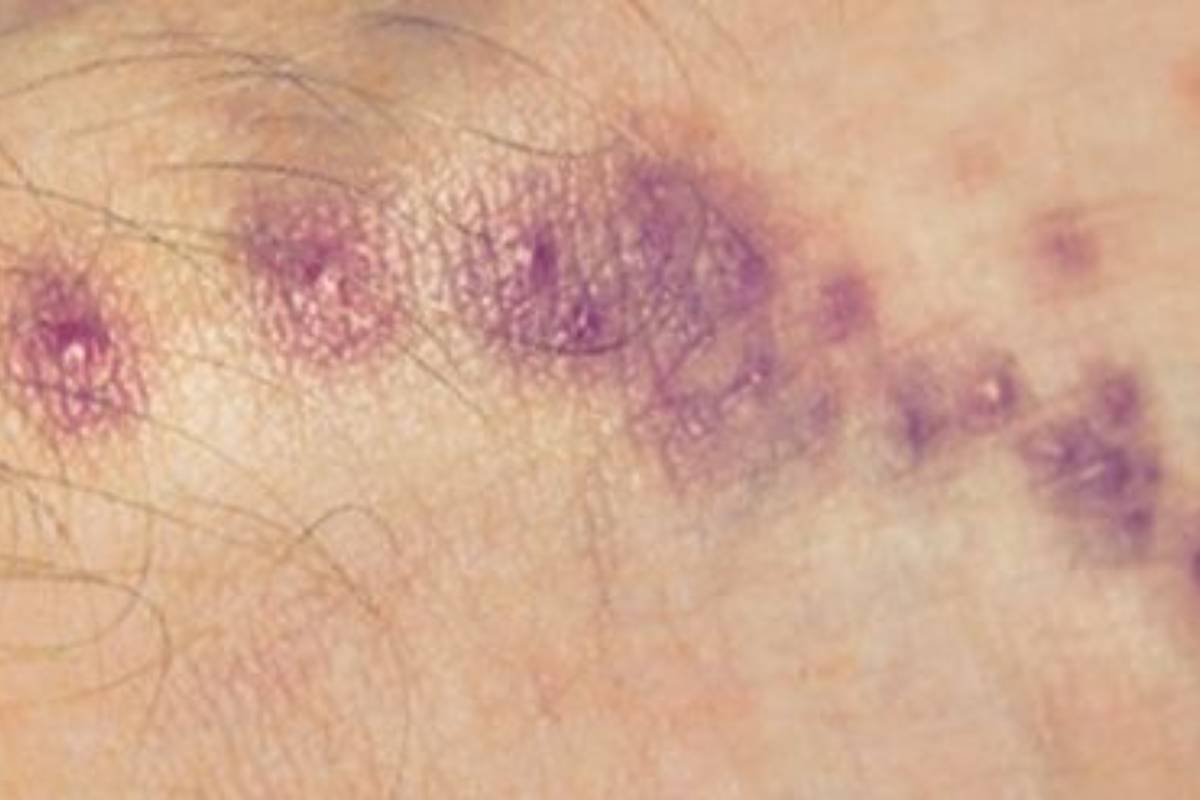
Doctors often describe Scabies Rash or Bites as tiny red bumps that appear in clusters. These bumps may look like pimples, small insect bites, or red dots. At first, they can seem harmless.
Over time, they become more noticeable and irritating.
One unique sign of scabies is the presence of thin gray, white, or skin-colored lines on the skin. These lines are very small and slightly raised. They are called mite tunnels. The mites create these tunnels as they move under the skin. You may not always see them clearly, but when present, they strongly point to scabies.
The rash does not appear randomly. It prefers warm and folded areas of the body. Common places include:
- Between the fingers, where skin stays close together
- Wrists, especially on the inner side
- Elbows, mainly in the folds
- Waistline, where clothes touch tightly
- Armpits, due to warmth and sweat
- The genital area, which is sensitive and warm
In adults, the face usually stays clear. In babies and young children, the pattern looks different. Scabies Rash or Bites can show up on the face, scalp, palms, and soles. This difference often confuses parents and delays treatment.
Scratching makes the skin worse. Nails break the skin’s surface. Open skin allows germs to enter. That can cause swelling, pain, pus, or crusting. Ignoring these signs can turn a simple skin problem into an infection.
Read More:
- Types of Skin Rashes Signaling Hormonal, Allergic, or Infectious Triggers
- How to Identify Common Bug Bites So You Don’t Panic Next Time?
How does it feel?

The itch from Scabies Rash or Bites feels intense. It does not come and go politely. It stays. Many people describe it as a crawling or burning feeling under the skin.
Nighttime feels the worst. Your body warms up under blankets. Mites become more active. The quiet also makes itching harder to ignore. Sleep gets disturbed. Fatigue follows. Mood drops.
Scratching gives short relief, but it creates a bigger problem. Each scratch damages the skin. Broken skin cannot protect itself well. Bacteria enter easily. This leads to redness, pain, and sometimes fever if the infection spreads.
Early treatment matters. When treated on time, the itch fades faster. Skin heals better. Sleep improves. Waiting only makes discomfort stronger and recovery slower.
How do Doctors Confirm It?
Doctors begin by looking closely at the skin. They check where the rash appears and how it spreads. They look for burrows, bumps, and scratch marks. These visual clues often say a lot.
Next, doctors ask simple but important questions. They ask when the itching started. They ask if itching feels worse at night. They ask if others at home itch too. Scabies often spreads among people living close together.
In some cases, the doctor gently scrapes a tiny bit of skin from the rash. They examine it under a microscope. This helps them see mites, eggs, or mite waste. The test does not hurt much and takes only a moment.
Most of the time, doctors do not need complex tests. Clear signs and symptoms help them decide quickly. Once confirmed, treatment starts right away to stop the spread and ease symptoms.
Treatment That Works
Doctors treat Scabies Rash or Bites with medicated creams or lotions. You apply them from neck to toe. You leave them on for the advised time. Then you wash them off.
Most people need a second application after one week. That step kills newly hatched mites.
You must also:
- Wash clothes and bedding in hot water
- Dry them on high heat
- Seal non-washable items in bags for several days
Treatment works when everyone close to you treats at the same time.
How Long Does Healing Take?
Healing from scabies happens in stages, and that can confuse many people. Once you apply the prescribed treatment, the mites usually die within 24 to 48 hours. That part works fast. However, your skin does not heal overnight.
The itching can last two to four weeks after treatment. This is normal. It does not mean the treatment failed. Your body is reacting to the dead mites, their eggs, and waste left under the skin. Think of it like a skin memory. The cause is gone, but the reaction takes time to fade.
Red bumps and rough patches may also stay for a few weeks. They slowly flatten and lighten as the skin repairs itself. Scratching can slow this process, so try to keep nails short and avoid rubbing the area.
To feel more comfortable during healing, use a gentle moisturizer twice a day. Moist skin heals faster and feels less itchy. Doctors may also suggest mild anti-itch or soothing creams to calm irritation. Use only what your doctor approves.
Stay away from strong soaps, scrubs, and scented body washes during recovery. These products dry the skin and increase itching. Choose mild, fragrance-free cleansers and lukewarm water instead.
With patience, proper care, and gentle habits, your skin will return to normal. Healing takes time, but relief improves week by week.
Facts You Should Know
- Scabies affects people of all ages and income levels.
- Clean homes can still get scabies.
- Early treatment stops the spread fast.
Conclusion
Remember how the day started with scratching and stress? Now imagine the opposite. Calm skin. Better sleep. No guessing.
Scabies Rash or Bites do not define you. They test your patience, not your hygiene. You noticed the signs. You took action. That choice matters. Treat early. Rest well. Let your skin heal. Confidence feels much better than itching.