Your body burns fuel based on what you eat. So counting calories only tells half the story. Making the right food choices changes your biology from one of perpetual hunger to one of metabolic efficiency. This makes controlling your weight seem more like a natural byproduct than a daily struggle.
“The Most Weight loss friendly foods” are those that are low in energy and high in nutrients. According to science, these foods maintain an active metabolism. They stabilize blood glucose and stimulate satiety hormones like GLP-1. The thermic effect of protein, evidence-based staples, and how certain fibers promote a gut microbiome primed for fat loss. These are the major things covered in this guide.
The Science Behind Most Weight Loss Friendly Foods
The hormonal effects of a food are just as important as its energy content. Multiple studies show that high-protein foods increase GLP-1 and peptide YY. While suppressing ghrelin, also known as the “hunger hormone.” This leads to significantly reduced appetite and calorie intake. By informing your brain that you are full. These signals effectively reduce your “set point” for hunger. And avoid the metabolic slowdown that is frequently associated with restrictive dieting.
Calorie Quality vs. Calorie Quantity
Not all calories are processed equally. 100 calories of soda spike insulin, promoting fat storage. 100 calories of broccoli require significant energy just to break down. This distinction is critical: high-quality calories stabilize blood sugar and maintain steady energy levels. Whereas low-quality calories trigger a cycle of insulin spikes and subsequent crashes that drive overeating.
Key Scientific Concepts
- Satiety Mechanisms: Protein is the most satiating macronutrient. It is followed by fiber. This physically expands in the stomach to trigger stretch receptors.
- Thermic Effect of Food (TEF): Your body burns significantly more energy digesting protein (up to 30% of its calories) compared to fats or carbohydrates (5–10%).
- Hormonal Regulation: Fibrous and protein-rich foods blunt the insulin response. This allows the body to access stored fat for fuel more readily.
Here are some of Most Weight Loss friendly Foods:
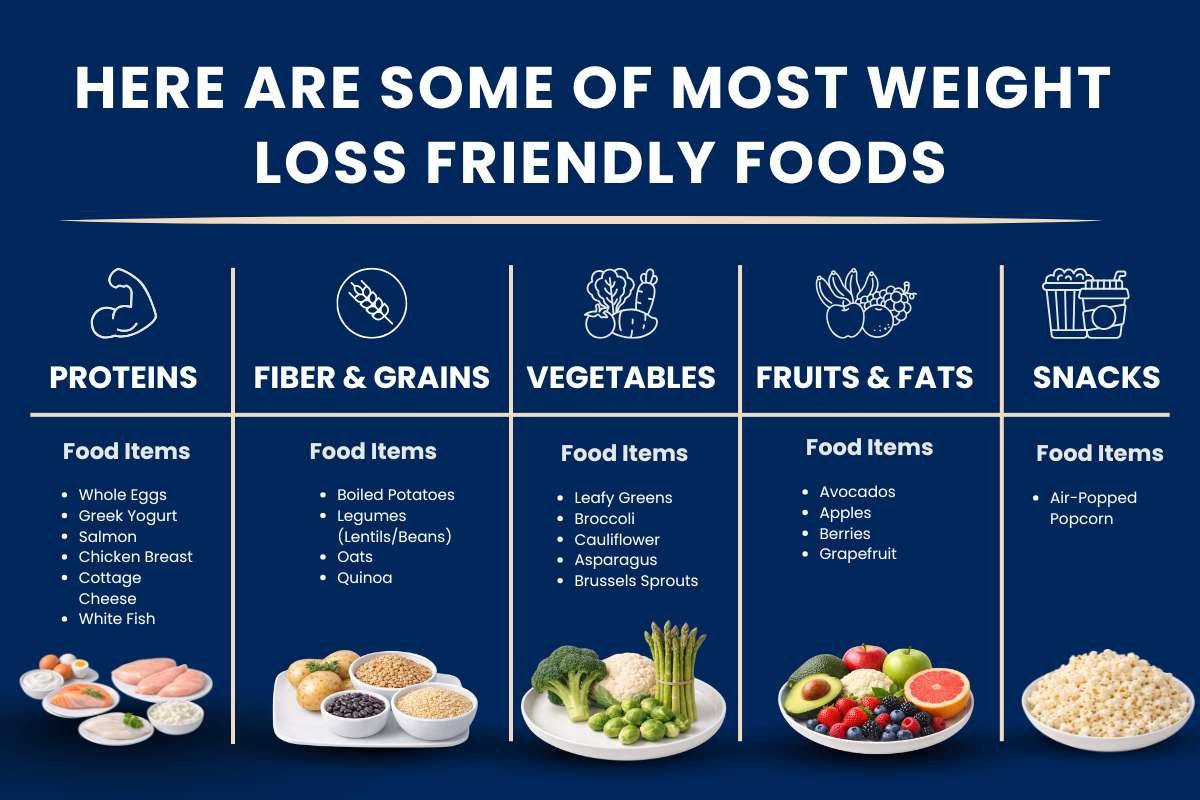
This curated selection focuses on foods with high satiety, low energy density, and superior nutrient profiles to biologically simplify your weight loss journey.
| Category | Food Item |
|---|---|
| Proteins | Whole Eggs |
| Greek Yogurt | |
| Salmon | |
| Chicken Breast | |
| Cottage Cheese | |
| White Fish | |
| Fiber & Grains | Boiled Potatoes |
| Legumes (Lentils/Beans) | |
| Oats | |
| Quinoa | |
| Vegetables | Leafy Greens |
| Broccoli | |
| Cauliflower | |
| Asparagus | |
| Brussels Sprouts | |
| Fruits & Fats | Avocados |
| Apples | |
| Berries | |
| Grapefruit | |
| Snacks | Air-Popped Popcorn |
Proteins
These high-thermogenic foods act as the biological foundation for fat loss by stimulating fullness hormones and preserving lean muscle mass.
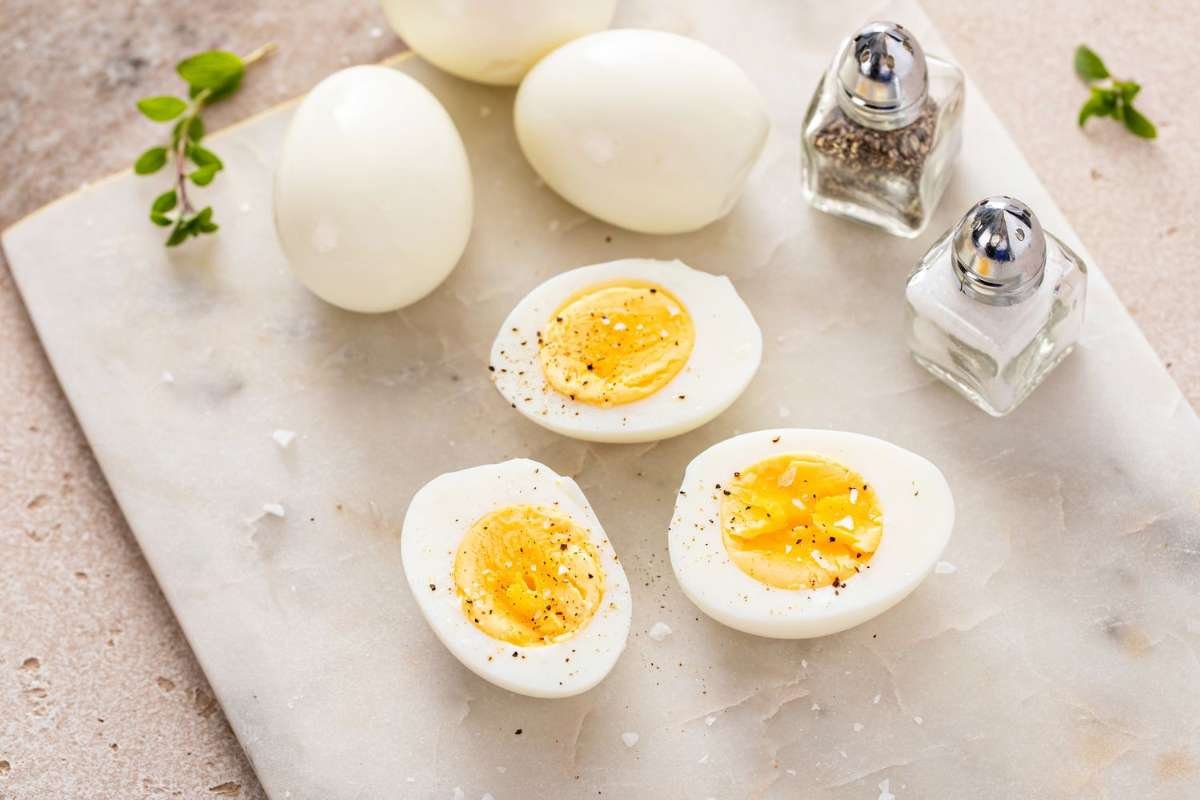
1. Whole Eggs
- Nutrients: High-quality protein, Choline, Vitamin D, Healthy Fats.
- Mechanism: Triggers a high Thermic Effect (TEF) and stabilizes blood sugar to prevent late-day cravings.
- Satiety Score: 150% (50% more filling than white bread).
- How to Eat: Poached or boiled for breakfast to reduce total calorie intake for the next 24–36 hours.
Eggs are often called the “perfect protein.” They are incredibly nutrient-dense, providing high-quality protein and essential fats that keep you satisfied for hours. When you eat eggs for breakfast, you’re choosing one of the most weight loss friendly foods because they prevent the blood sugar spikes that lead to mid-morning snacking.
2. Greek Yogurt

- Nutrients: Concentrated Protein, Calcium, Probiotics.
- Mechanism: High protein-to-calorie ratio stimulates GLP-1 and PYY hormones to signal fullness to the brain.
- Satiety Score: 88% (standard yogurt) to 130% (high-protein Greek varieties).
- How to Eat: Plain/unsweetened with berries as a high-protein snack to bridge the gap between lunch and dinner.
Greek yogurt is strained to remove liquid whey, resulting in a thick, creamy snack packed with double the protein of standard yogurt. This high protein content triggers the release of hormones that tell your brain you are full. It is a staple among the most weight loss friendly foods due to its versatility and gut-healthy probiotics.
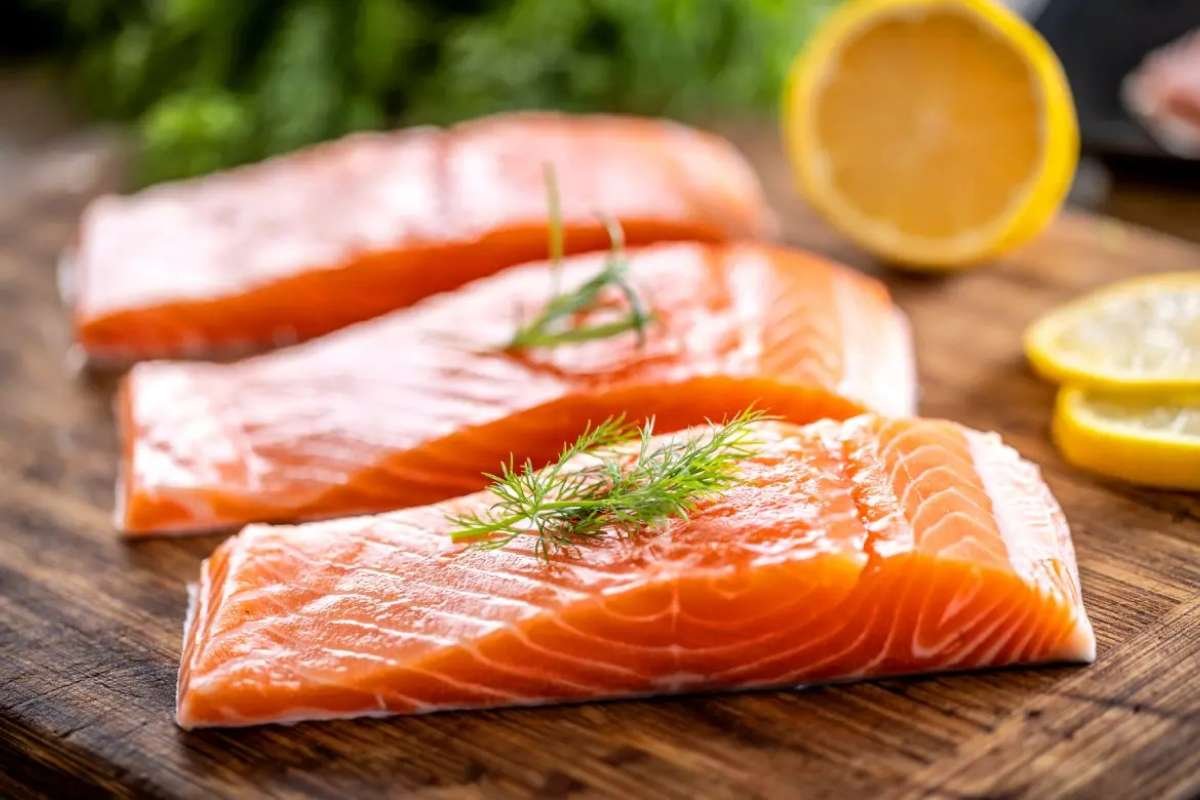
3. Salmon
- Nutrients: Omega-3 Fatty Acids (EPA/DHA), Lean Protein, Iodine.
- Mechanism: Omega-3s improve insulin sensitivity and reduce inflammation, which can otherwise hinder fat burning.
- Satiety Score: 225% (as part of the fish category).
- How to Eat: Grilled or baked; avoid heavy cream sauces to maintain its lean nutrient profile.
Salmon is a fatty fish that provides high-quality protein and heart-healthy omega-3 fatty acids. These fats are essential because they reduce inflammation, which is a known hidden driver of weight gain and metabolic issues.
4. Chicken Breast
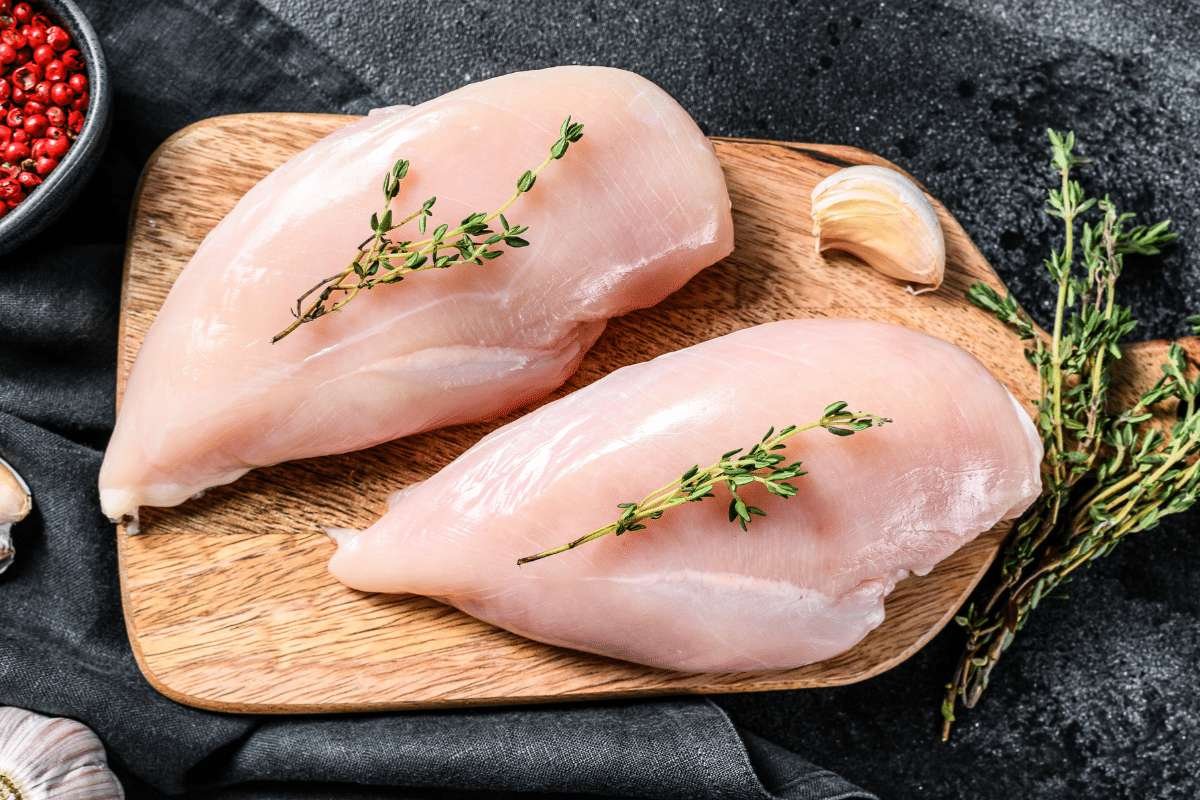
- Nutrients: Pure Lean Protein, B-Vitamins, Selenium.
- Mechanism: Extremely high Thermic Effect; your body burns roughly 25-30% of the calories just during the digestion process.
- Satiety Score: 164% (significantly higher than fatty meats).
- How to Eat: Sliced in salads or stir-fries; prioritize breast meat over thighs to maximize protein density.
If you are looking for pure protein without the extra fat, chicken breast is the gold standard. Because it is so lean, your body has to work harder to break it down, burning more calories just through the process of digestion.
5. Cottage Cheese
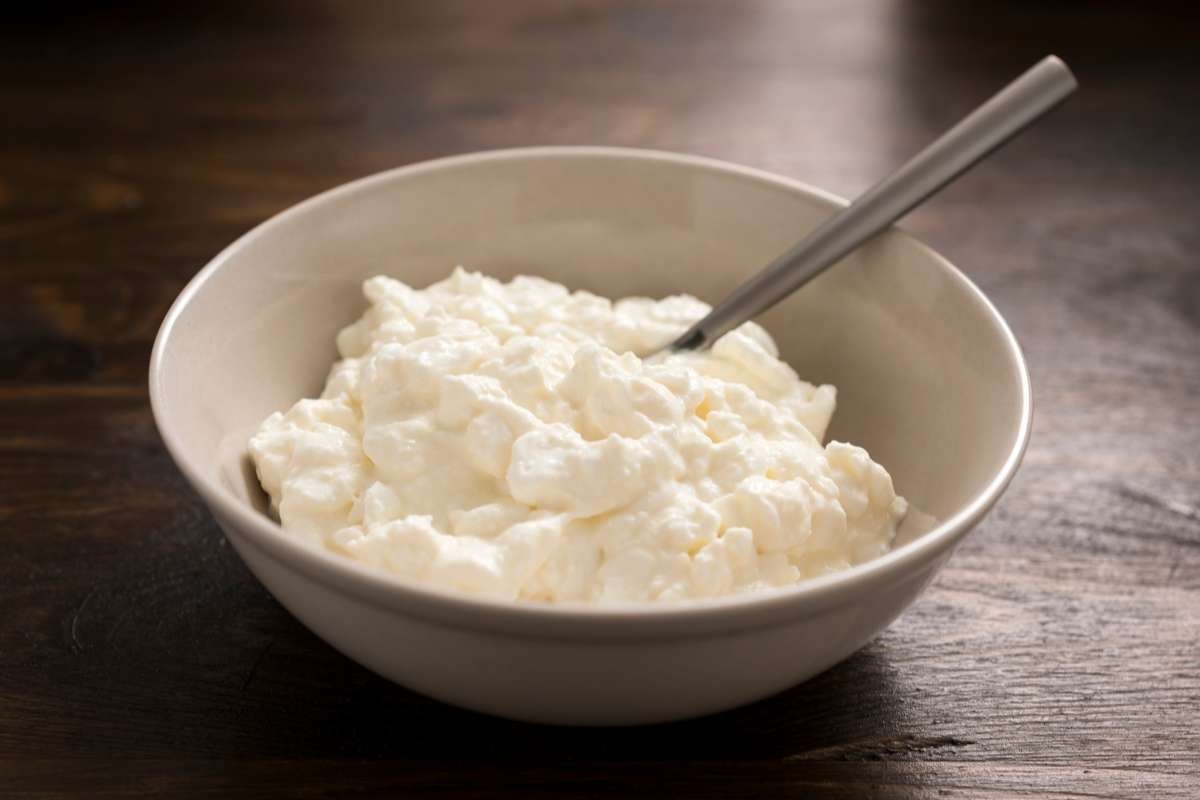
- Nutrients: Casein Protein, Calcium, Phosphorus.
- Mechanism: Casein is a slow-digesting protein that provides a steady release of amino acids, keeping you full for hours.
- Satiety Score: 146% (similar to other high-protein dairy).
- How to Eat: Paired with fruit or topped with black pepper and cucumbers for a savory, filling snack.
Cottage cheese is unique because it is very high in casein, a slow-digesting dairy protein. This slow release of nutrients ensures your muscles stay fueled and your appetite stays suppressed for a long period, making it one of the most weight loss friendly foods for a late-night snack.
6. White Fish
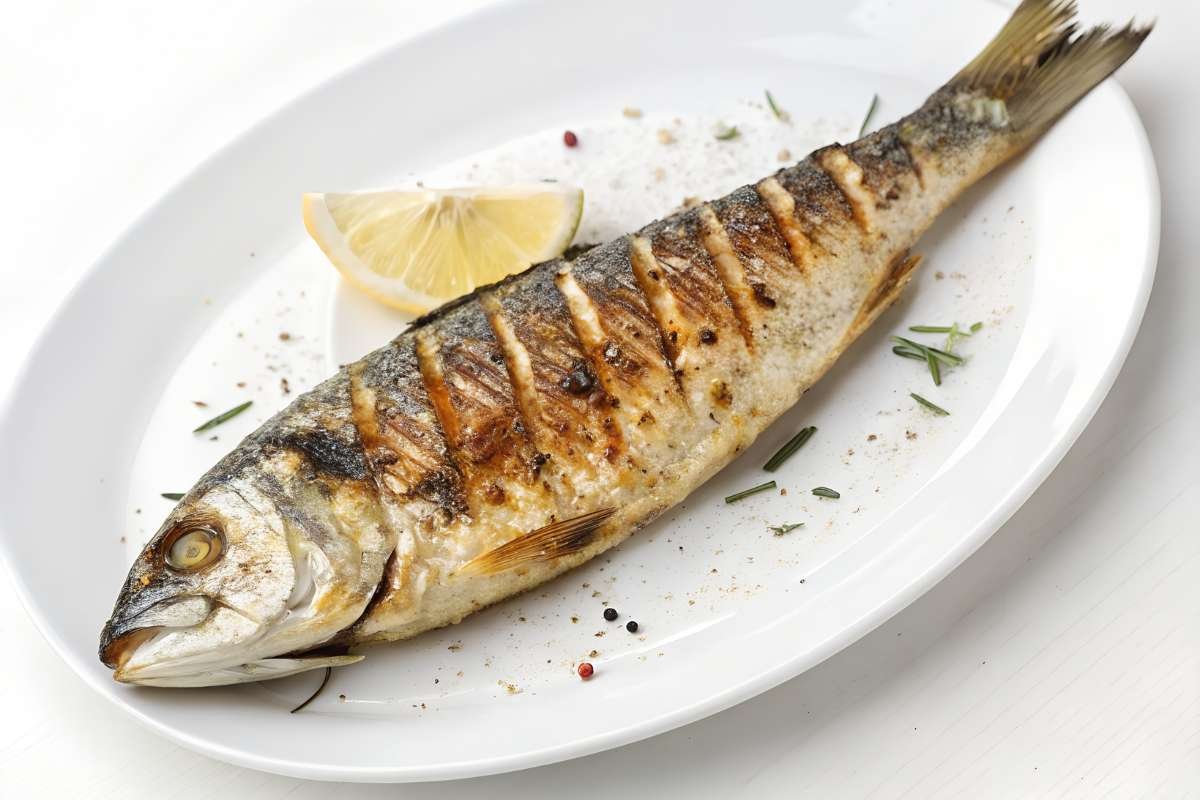
- Nutrients: Lean Protein, Iodine, Low Fat.
- Mechanism: Iodine supports thyroid function (the master of metabolism), and the high protein content ranks it as one of the most filling foods globally.
- Satiety Score: 225% (highest ranking protein source on the index).
- How to Eat: Steamed or baked with lemon and herbs; avoid breading or deep-frying.
Fish like cod, tilapia, or halibut are extremely lean and high in protein. On the scientific Satiety Index, fish actually ranks higher than beef or chicken, meaning it fills you up faster and keeps you full longer for very few calories.
Live Experience: “In clinical nutrition practice, this pattern is commonly observed, many people find that starting the day with eggs or Greek yogurt. They naturally reduce snacking later. Even without conscious portion control.”
Fiber & Grains
Rich in complex carbohydrates and resistant starches, these selections provide sustained energy and slow digestion to eliminate mid-day hunger crashes.
7. Boiled Potatoes
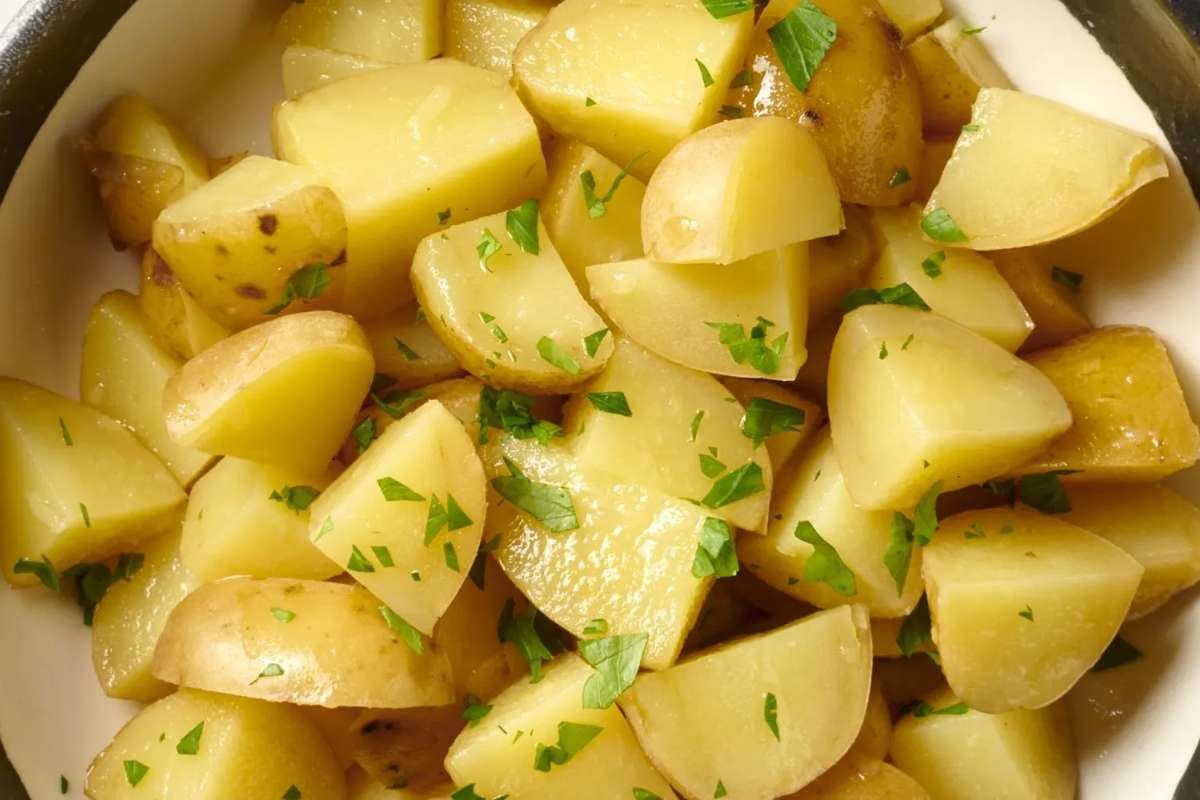
- Nutrients: Potassium, Vitamin C, Resistant Starch.
- Mechanism: Cooling potatoes after boiling creates resistant starch, which feeds gut bacteria and acts like fiber to blunt insulin.
- Satiety Score: 323% (The highest-ranking food ever tested on the Satiety Index).
- How to Eat: Boiled then cooled; eaten with the skin on for maximum fiber.
While often misunderstood, plain boiled potatoes are the most filling food you can eat. If you let them cool after boiling, they develop “resistant starch,” a type of fiber that helps your body burn fat and improves gut health.
8. Legumes (Lentils/Beans)
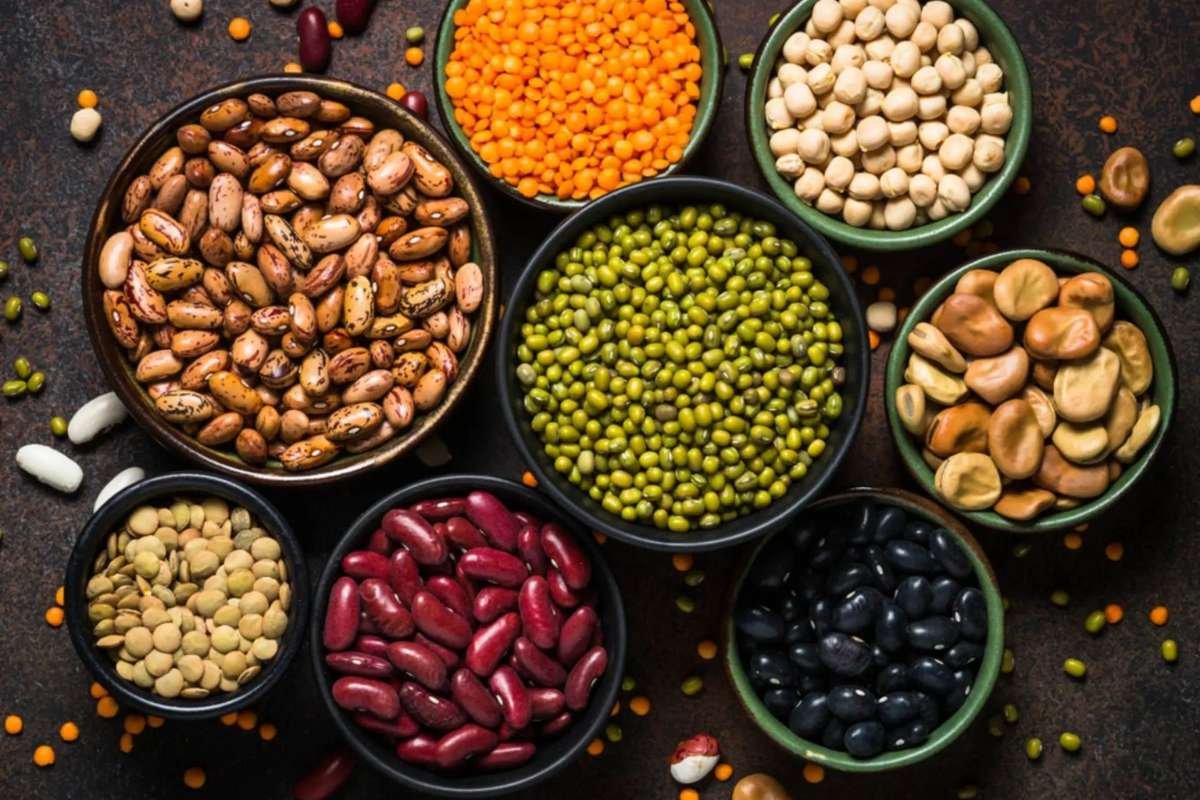
- Nutrients: Plant Protein, Soluble Fiber, Iron.
- Mechanism: High fiber content slows gastric emptying, meaning food stays in your stomach longer.
- Satiety Score: 133% (Lentils) to 168% (Baked Beans).
- How to Eat: Added to soups or used as a meat substitute in tacos to add bulk without excess fat.
Beans and lentils are a “double threat” because they contain both high fiber and high protein. This combination slows down the speed at which food leaves your stomach, which is why they are consistently ranked as some of the most weight loss friendly foods.
9. Oats
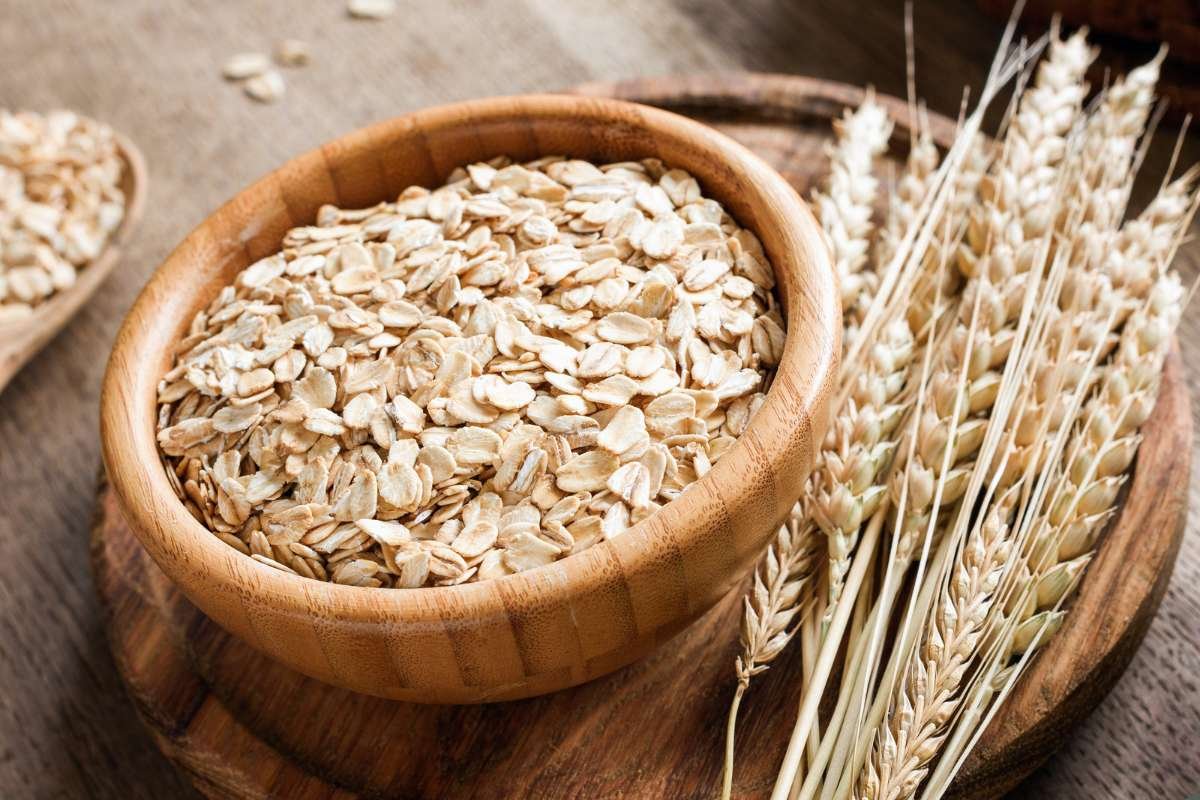
- Nutrients: Beta-glucan Fiber, Complex Carbs, Manganese.
- Mechanism: Beta-glucan forms a gel-like substance in the gut that delays digestion and increases the release of fullness hormones.
- Satiety Score: 209% (over twice as filling as white bread).
- How to Eat: Steel-cut or rolled; avoid “instant” packets with added sugars.
Oats contain a special type of soluble fiber called beta-glucan. This fiber turns into a thick gel in your digestive tract, which helps you feel physically full and improves your cholesterol levels at the same time.
10. Quinoa
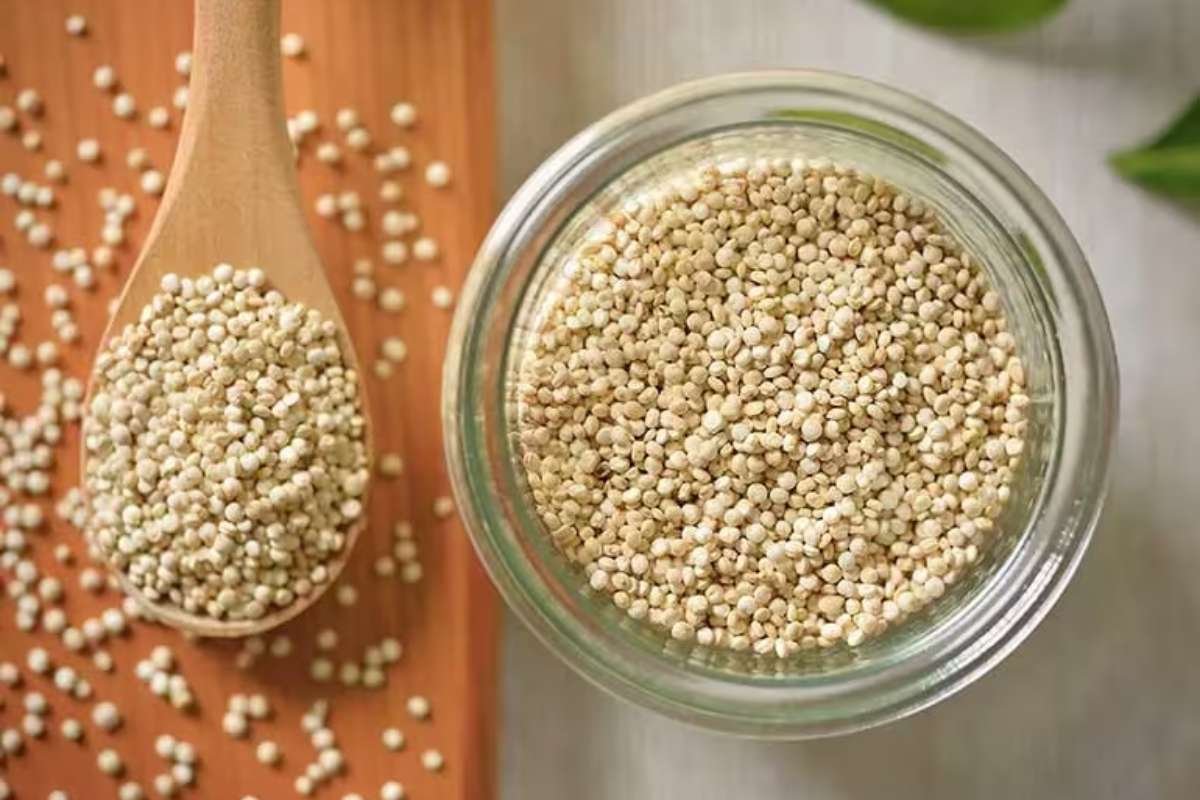
- Nutrients: Complete Protein, Fiber, Magnesium.
- Mechanism: Its low glycemic index prevents the “insulin spike and crash” cycle that leads to sugar cravings.
- Satiety Score: 140% (estimated based on protein and fiber content).
- How to Eat: As a base for “power bowls” or substituted for white rice in any recipe.
Unlike most grains, quinoa is a “complete protein,” meaning it contains all the amino acids your body needs. It provides a steady stream of energy without the “crash” associated with refined carbs like white bread or pasta.
Read Next: Why Super Healthy Foods Are the Secret Weapon of Lifelong Energy?
Vegetables
Offering maximum physical volume for minimal caloric cost, these nutrient-dense staples trigger stomach stretch receptors to signal satisfaction.
11. Leafy Greens
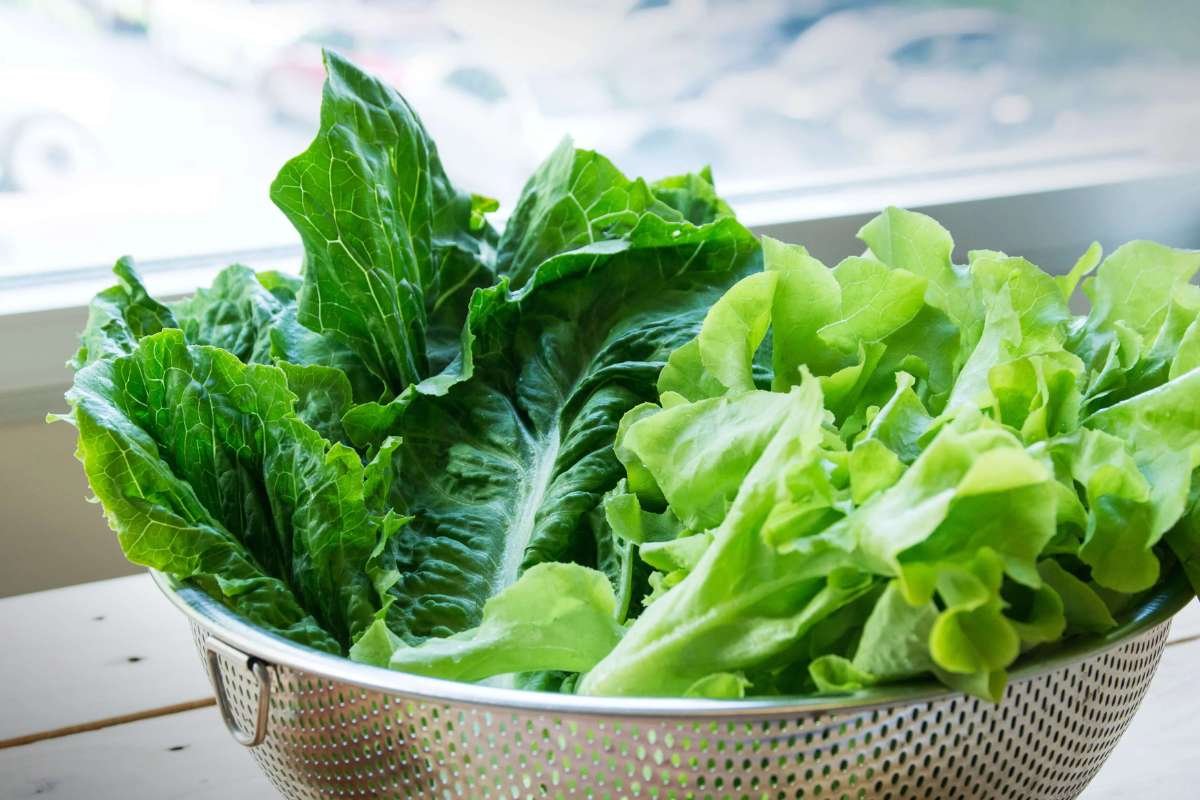
- Nutrients: Vitamin K, Folate, Iron, High Water Content.
- Mechanism: “Volume eating,” they take up massive space in the stomach for negligible calories, triggering stretch receptors that signal fullness.
- Satiety Score: 100% (High per calorie, though low per gram due to water).
- How to Eat: Sautéed with garlic or as a massive base for every lunch and dinner.
Kale, spinach, and Swiss chard allow you to eat a massive volume of food without consuming many calories. They are among the most weight loss friendly foods because they physically fill your stomach, signaling to your brain that you’ve had a large meal.
12. Broccoli
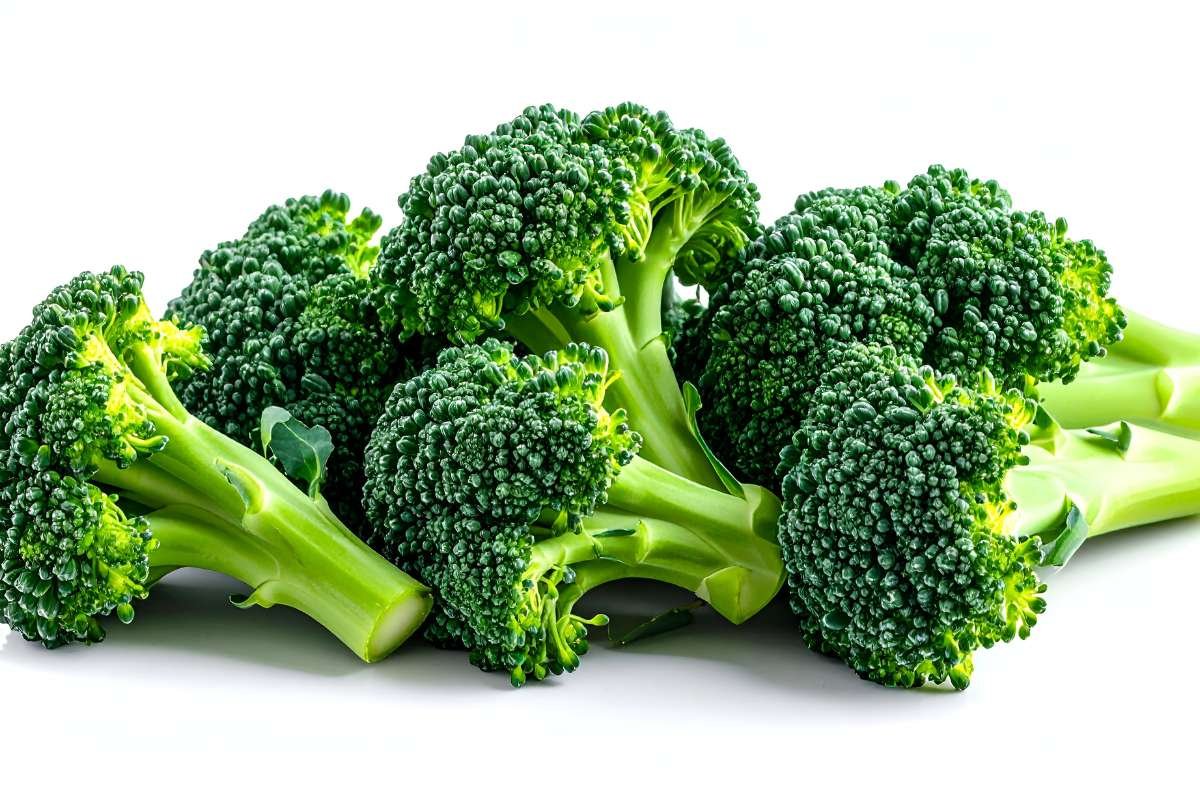
- Nutrients: Fiber, Vitamin C, Sulforaphane.
- Mechanism: Cruciferous vegetables require more chewing (oral satiety) and are highly thermogenic to digest.
- Satiety Score: 176% (High-volume vegetable).
- How to Eat: Roasted or steamed; avoid boiling to the point of mush to preserve nutrients and texture.
Broccoli is a cruciferous vegetable that is high in fiber and surprisingly high in protein for a plant. It requires a lot of chewing, which gives your brain time to realize you’re full before you overeat.
13. Cauliflower
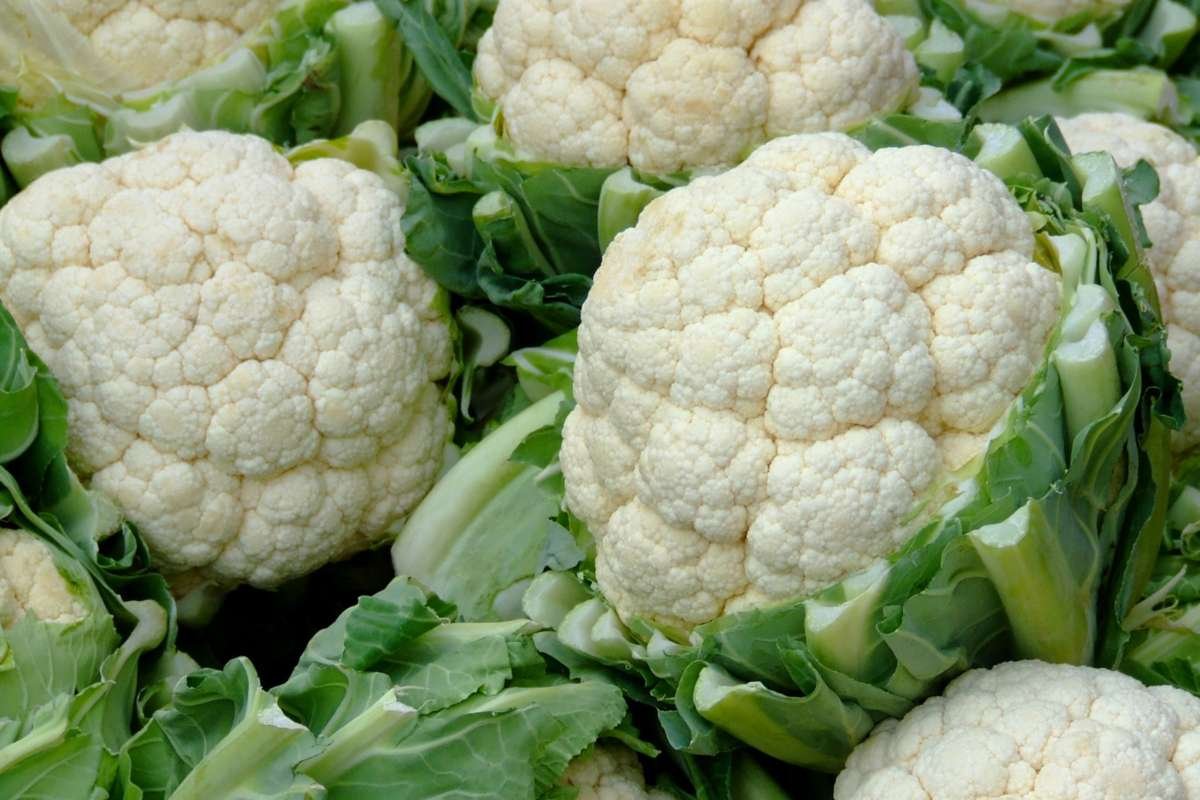
- Nutrients: Vitamin C, Vitamin K, Fiber.
- Mechanism: Extremely low energy density; it allows you to eat a large volume of food while maintaining a caloric deficit.
- Satiety Score: 120% (estimated).
- How to Eat: Grated into “cauli-rice” or mashed as a low-carb alternative to potatoes.
Cauliflower is the ultimate “swap” food. You can turn it into rice, pizza crust, or mash. By replacing high-calorie grains with cauliflower, you can significantly lower your daily calorie intake without feeling like you are eating less food.
14. Asparagus
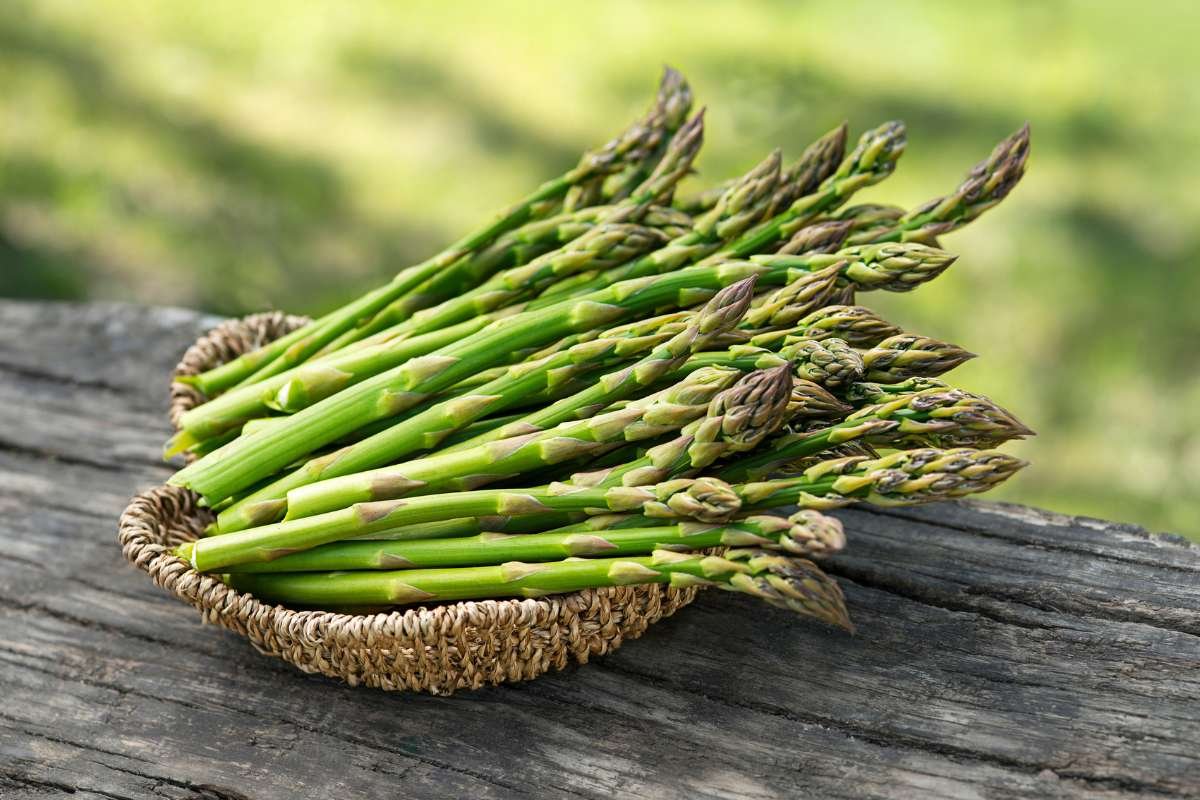
- Nutrients: Prebiotic Fiber (Inulin), Asparagine, Folate.
- Mechanism: Acts as a natural diuretic to reduce bloating while feeding healthy gut bacteria linked to lower body weight.
- Satiety Score: 100% (per calorie).
- How to Eat: Lightly grilled or roasted; perfect as a side to a lean protein like salmon.
Asparagus is a natural diuretic, which helps your body flush out excess water and reduce bloating. It is also packed with fiber, making it a perfect side dish for any fat-loss meal plan.
15. Brussels Sprouts
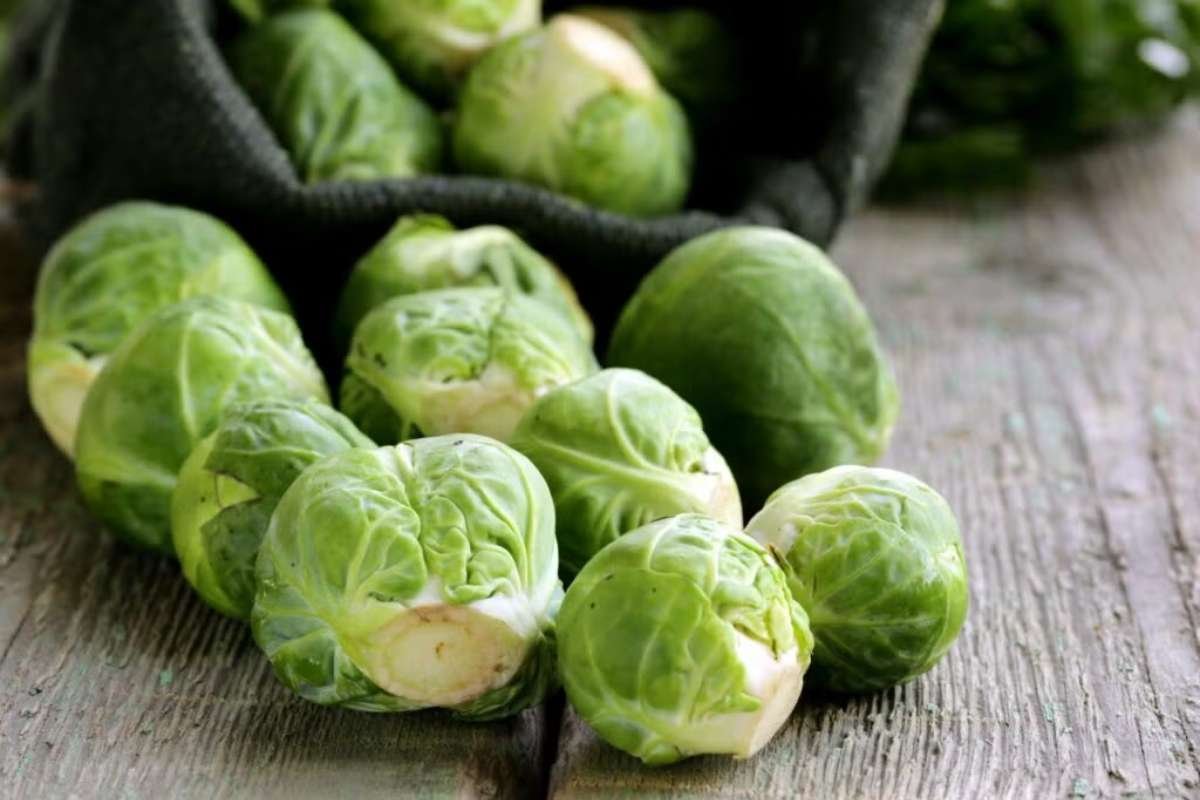
- Nutrients: Fiber, Protein (high for a vegetable), Vitamin C.
- Mechanism: High fiber and sulfur compounds help with liver detoxification and long-term satiety.
- Satiety Score: 130% (higher than most non-starchy vegetables).
- How to Eat: Halved and roasted until crispy; paired with a small amount of balsamic glaze.
These miniature cabbages are very high in fiber and vitamin C. They are dense and hearty, providing a satisfying “crunch” and a level of fullness that most other vegetables can’t match.
Fruits & Fats
These items utilize natural fibers and healthy lipid profiles to regulate insulin response and turn off the brain’s hunger signals.
16. Avocados
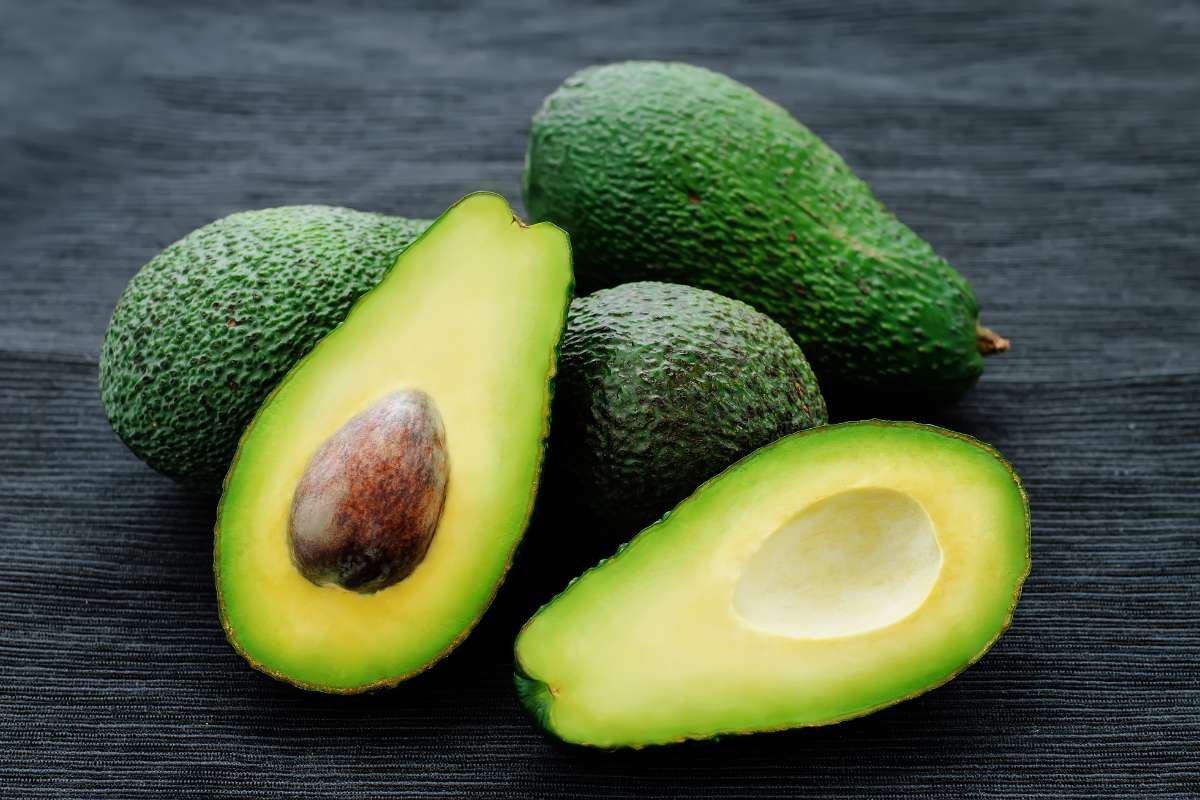
- Nutrients: Monounsaturated Fats, Fiber, Potassium.
- Mechanism: Healthy fats trigger the release of oleoylethanolamide (OEA), which signals the brain to stop eating.
- Satiety Score: 120% (High, but calorically dense, so portions matter).
- How to Eat: 1/4 to 1/2 an avocado per meal to increase the absorption of vitamins from other vegetables.
While avocados are high in fat, it is the “good” kind that actually helps you lose weight. The monounsaturated fats in avocados help shut off your hunger switch, making them one of the most weight loss friendly foods to add to a salad.
17. Apples
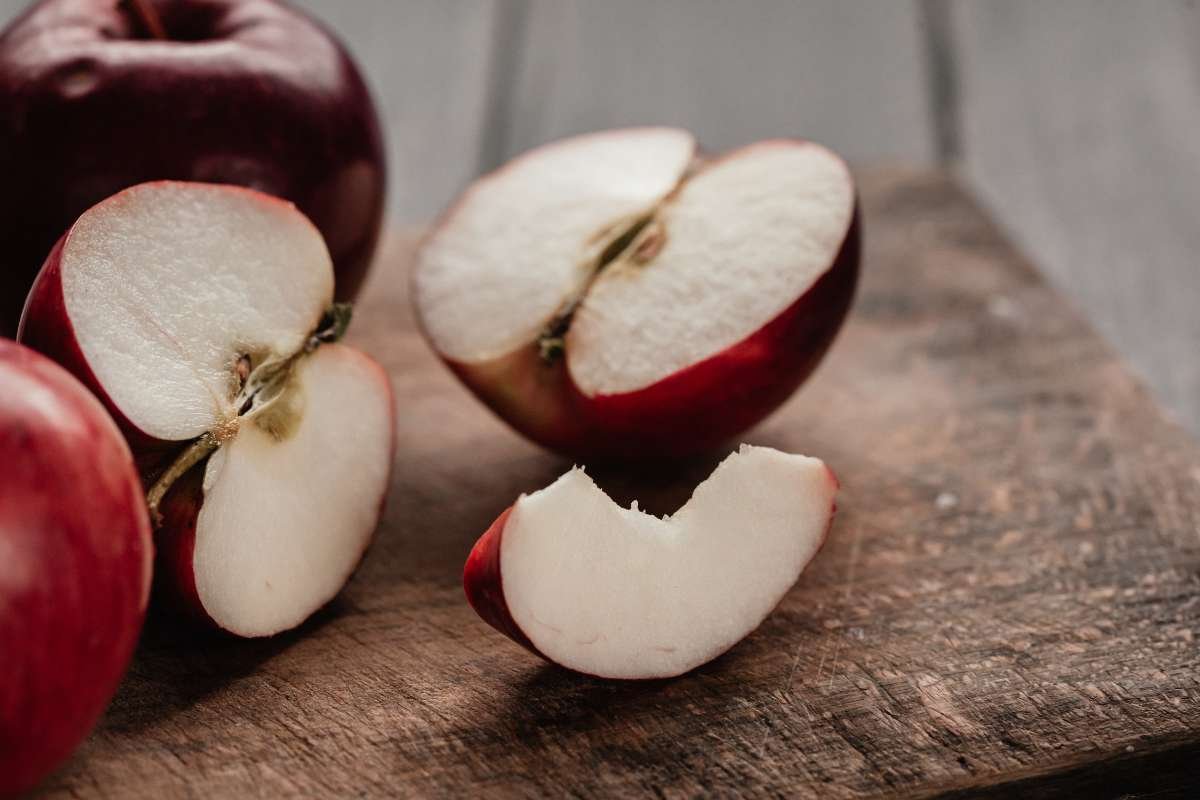
- Nutrients: Pectin Fiber, Antioxidants, Water.
- Mechanism: Pectin slows digestion, and the crunch factor provides a psychological “work” component to eating that increases satisfaction.
- Satiety Score: 197% (The highest-ranking fruit).
- How to Eat: Raw and whole (with skin); sliced apples with a dash of cinnamon.
Apples are high in water and pectin fiber. Eating a whole apple takes time and effort to chew, which helps regulate your appetite better than drinking apple juice or eating processed snacks.
18. Berries
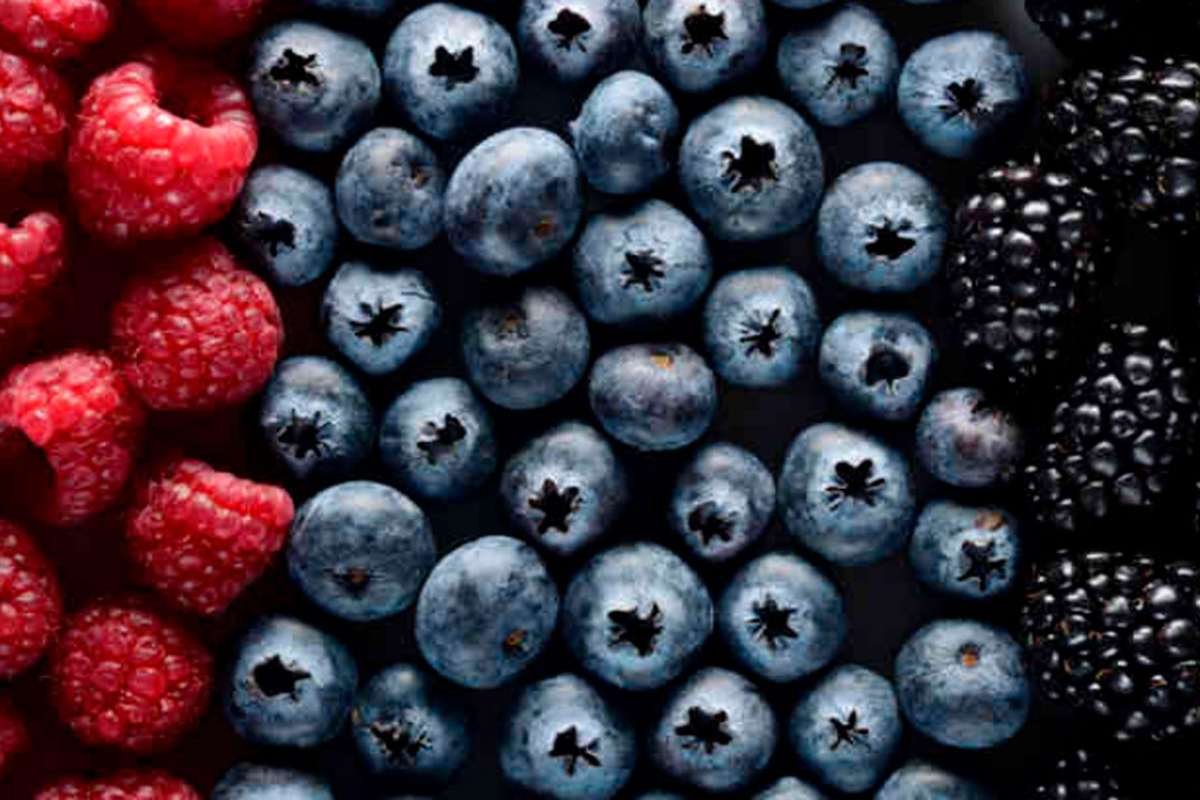
- Nutrients: Fiber, Polyphenols, Low Sugar.
- Mechanism: Low glycemic load keeps insulin stable while high fiber supports gut health and regular digestion.
- Satiety Score: 130% (estimated).
- How to Eat: Handful as a dessert or mixed into Greek yogurt/oatmeal.
Berries are low in sugar but very high in antioxidants and fiber. They satisfy your sweet tooth while providing the nutrients your body needs to fight inflammation and keep your metabolism running smoothly.
19. Grapefruit
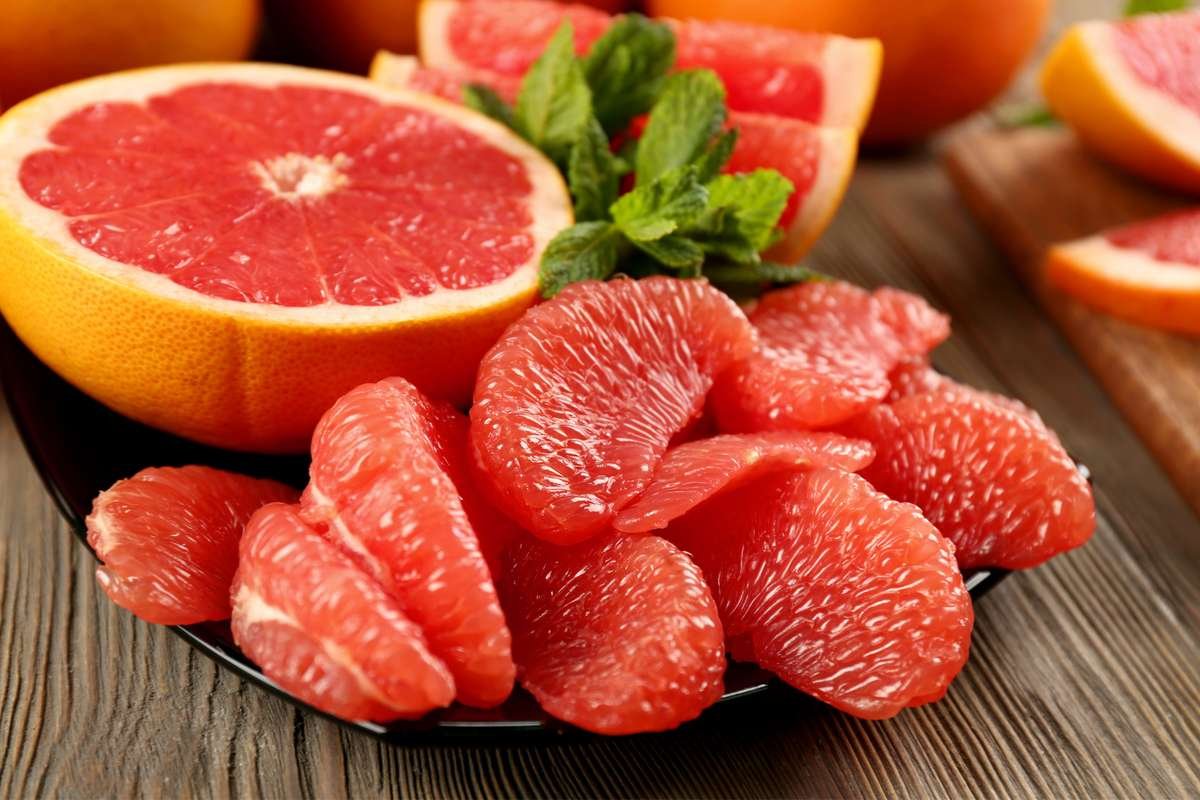
- Nutrients: Vitamin C, Vitamin A, Water.
- Mechanism: Naringenin (an antioxidant) may improve insulin sensitivity and encourage the liver to burn fat.
- Satiety Score: 125% (very high water-to-calorie ratio).
- How to Eat: Half a grapefruit before a meal to naturally reduce the amount of food eaten during the meal.
Research has shown that eating half a grapefruit before meals can reduce insulin resistance. This makes it easier for your body to use fat for energy rather than storing it, earning its spot as one of the most weight loss friendly foods.
Snacks
Smart snacking focuses on high-volume, whole-grain options that satisfy the psychological urge to crunch without compromising a caloric deficit.
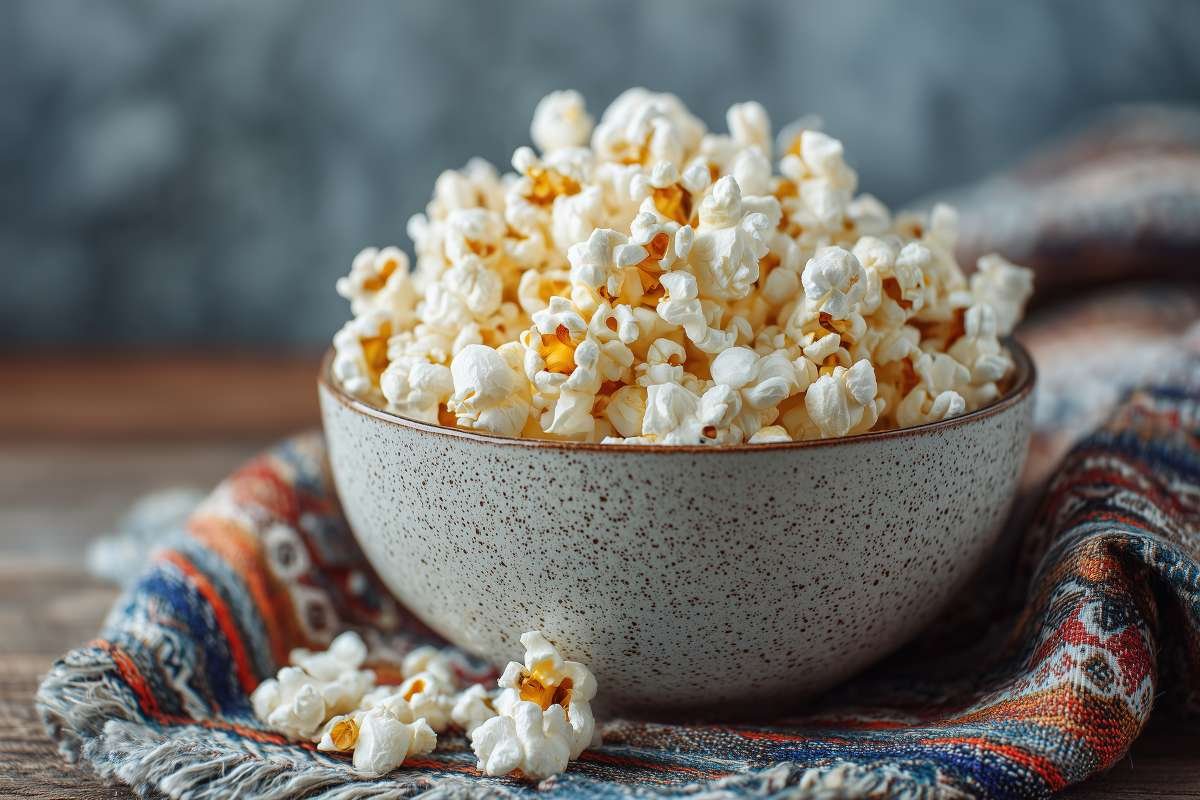
20. Air-Popped Popcorn
- Nutrients: Whole Grain Fiber, Polyphenols.
- Mechanism: High-volume, low-density snack; 3 cups of popcorn provides more satiety than a small bag of potato chips for 1/4 the calories.
- Satiety Score: 154% (rises significantly when not smothered in butter).
- How to Eat: Air-popped with nutritional yeast or sea salt; avoid movie-theater style fats.
Popcorn is a whole grain that is mostly air. You can eat three whole cups of popcorn for about 100 calories, which provides way more satisfaction than a tiny serving of oily chips. This high-volume nature makes it one of the most weight loss friendly foods for those who love to snack.
Read Next: These 50 High-Fiber Foods That Keep You Full and Fit All Day
High Volume vs. High Calorie Density: What Does It Mean?
Understanding Food Volume
“Volume eating” focuses on the physical space food occupies in your stomach. Foods with high water and fiber content, like broth-based soups or cucumbers, stretch the stomach wall. This triggers neural signals to the brain that you are full, allowing you to feel satisfied while consuming fewer total calories.
Why Calorie Density Matters
Calorie density refers to the number of calories in a given weight of food. High-density foods (like oils or sugars) pack significant energy into tiny portions, making it easy to overeat before your body registers fullness. In contrast, the most weight loss friendly foods have low calorie density, filling you up well before your calorie “budget” is exceeded.
Practical Examples
- Celery vs. Nuts: You can eat massive amounts of celery (high volume) for the same calories as a small handful of nuts (high density).
- Brown vs. White Rice: Brown rice has a lower glycemic impact and higher fiber, keeping you full longer.
- Veggie Soup: Starting a meal with a low-calorie vegetable soup can reduce your total intake by up to 20%.
The Role of Gut Health in Weight Loss:
Research published in leading metabolic journals links a diverse gut microbiome with improved satiety signaling and lower body fat.
Gut Microbiome & Weight Regulation
Your gut is home to trillions of bacteria that act as a metabolic control center. Research shows that lean individuals typically possess a highly diverse microbiome. These beneficial bacteria produce short-chain fatty acids (SCFAs), which improve insulin sensitivity and directly influence how your body stores fat.
Foods That Nourish Your Gut
To cultivate a “lean” microbiome, focus on:
- Prebiotic Fibers: Onions, garlic, and legumes act as fuel for healthy bacteria.
- Probiotic Foods: Greek yogurt, kefir, and fermented vegetables introduce live, beneficial strains into your system.
Impact on Appetite
A healthy gut environment stabilizes blood sugar and reduces systemic inflammation, which can otherwise block weight loss. Furthermore, a balanced microbiome enhances satiety signaling, ensuring your brain receives “fullness” messages accurately and on time.
Some of the Effective Real-World Applications:
Real-World Application #1
If afternoon cravings are your biggest struggle. Replace biscuits or chips with Greek yogurt and berries or air-popped popcorn. Most people feel fuller on fewer calories within days.
Real-World Application #2
For main meals, build your plate using a simple rule:
½ vegetables + ¼ lean protein + ¼ fiber-rich carbs.
This structure consistently improves satiety without tracking calories.
Tips to Maximize Weight Loss
Strategic food pairing is essential for metabolic success. Always pair a lean protein with high-fiber vegetables to maximize satiety and slow glucose absorption.
- Mindful Eating: Slow down to allow satiety hormones, like leptin, to reach the brain before you overeat.
- Global Swaps: Replace refined carbs with local, nutrient-dense alternatives. Try Dal + leafy greens in South Asia, beans + quinoa in Latin America, or avocado + sprouted grain toast in the West.
Conclusion
It takes more biological strategy than deprivation to achieve sustainable health. You can move from the frustration of calorie counting to a lifestyle driven by hormonal balance and metabolic efficiency by giving priority to the most weight loss friendly foods. These evidence-based decisions guarantee that your body works with you rather than against you, whether you take advantage of the high thermic effect of lean proteins or the gut-healing potential of prebiotic fibers. To change your relationship with food and get long-lasting results naturally, start using these nutrient-dense staples right now.
FAQ:
- Are weight loss friendly foods the same for everyone?
Not always. While core principles remain universal. Individual factors such as age, metabolism, cultural diet, activity level, and gut health influence results. For example, legumes may work well for plant-based diets. While eggs or fish may suit higher-protein preferences.
- Can I lose weight by eating more food?
Yes, if the foods are low in calorie density. High-volume foods like vegetables, soups, fruits, and leafy greens. They allow you to eat larger portions. While consuming fewer calories makes weight loss more sustainable and satisfying.
- What role does gut health play in weight loss?
A healthy gut microbiome improves digestion. It also reduces inflammation and helps regulate appetite hormones. Foods rich in fiber and probiotics. Such as yogurt, kefir, fermented vegetables, and legumes. They support beneficial gut bacteria linked to a healthier body weight.
Disclaimer:
This content is for educational and informational purposes only. And it is not intended as medical or dietary advice. Individual nutritional needs vary. Always consult a qualified healthcare or nutrition professional before making significant dietary changes.