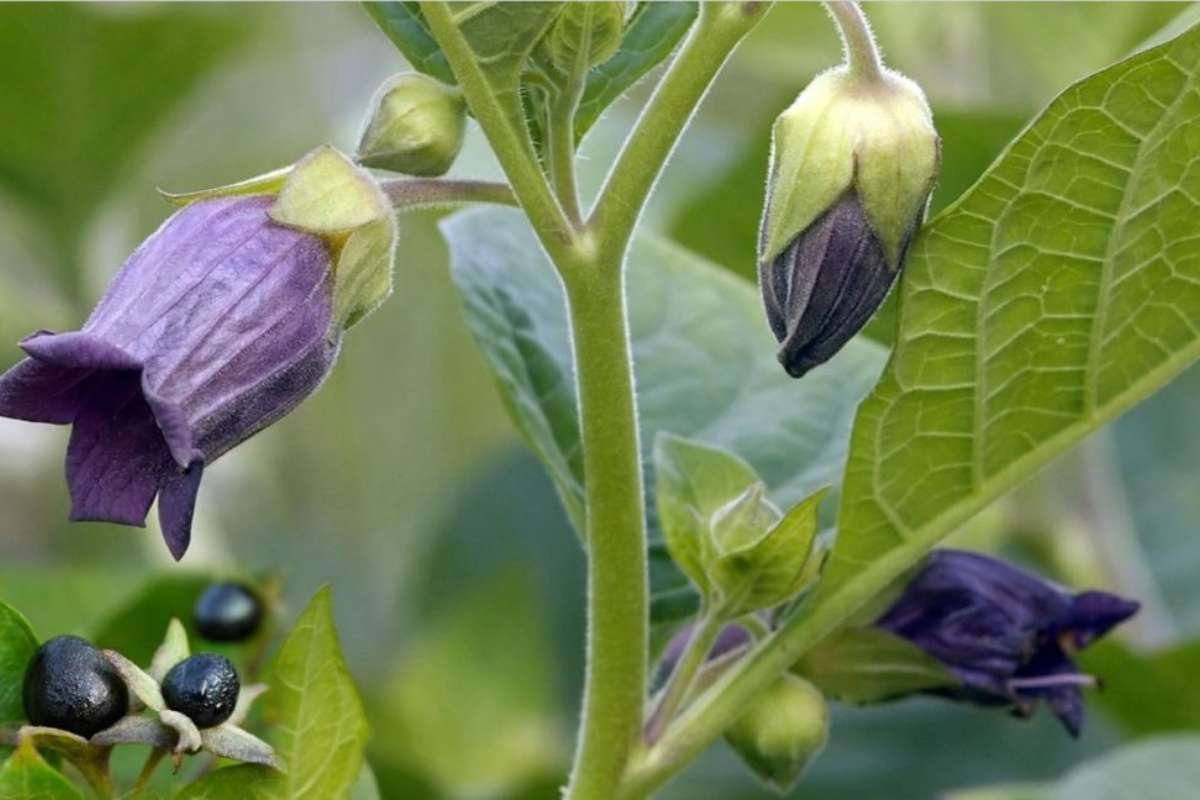
Nature frequently hides its darkest secrets behind a mask of breathtaking beauty. Some flowers have a chemical potency that can stop a human heart in a matter of minutes, even though we usually associate flowers with romance and vitality. Examining the Most Poisonous Flowers in the World reveals a terrifying paradox: a plant so beautiful that it adorns countless gardens, yet so deadly that every part of it, from petal to root, is a biological weapon.
The botanical science behind these natural toxins and their worldwide influence on history and medicine are explored in this guide. We can better safeguard our homes, pets, and loved ones from the silent threats hidden in our flowerbeds by understanding the mechanisms of plant toxicity. Get ready for a scientific exploration of the most fascinating. Yet deadly flora on the planet.
What Makes a Flower Poisonous?
Botanical toxicity is a sophisticated defense mechanism designed to deter herbivores. At the molecular level, plants synthesize secondary metabolites such as cardiac glycosides. This disrupts the heart rhythm. And alkaloids target the central nervous system. These toxins vary in delivery: dermal irritants cause localized blistering upon contact. Whereas systemic poisons enter the bloodstream to trigger organ failure.
Scientific Classification of Plant Toxins
Plant defense strategies are categorized by their physiological impact:
- Cardiac Glycosides: Found in Foxglove, these inhibit the sodium-potassium pump, potentially leading to cardiac arrest.
- Alkaloids: Compounds like atropine or nicotine interfere with neurotransmitters, causing paralysis or seizures.
- Ribosome-Inactivating Proteins (RIPs): Toxins like abrin (from the Rosary Pea) are among the deadliest known, systematically shutting down cellular protein synthesis.
Most Poisonous Flowers in the World: A Compilation of Fearsome Flora
While the botanical world offers breathtaking beauty. It also harbors some of nature’s most potent chemical weapons. Based on current horticultural and toxicological reports for 2026. Here are 35 of the most poisonous flowers globally. They are categorized by their primary toxic compounds.
| Rank | Category | Flower Names |
| 1 | Top Tier Lethality | Oleander (Nerium oleander) |
| 2 | Monkshood (Aconitum) | |
| 3 | Castor Bean (Ricinus communis) | |
| 4 | Nerve & Heart Agents | Water Hemlock (Cicuta maculata) |
| 5 | Poison Hemlock (Conium maculatum) | |
| 6 | Lily of the Valley (Convallaria majalis) | |
| 7 | Foxglove (Digitalis purpurea) | |
| 8 | Angel’s Trumpet (Brugmansia) | |
| 9 | Deadly Nightshade (Atropa belladonna) | |
| 10 | Rosary Pea (Abrus precatorius) | |
| 11 | Potent Systemic Toxins | Autumn Crocus (Colchicum autumnale) |
| 12 | Suicide Tree (Cerbera odollam) | |
| 13 | Jimsonweed (Datura stramonium) | |
| 14 | Mountain Laurel (Kalmia latifolia) | |
| 15 | Azalea (Rhododendron) | |
| 16 | Larkspur (Delphinium) | |
| 17 | White Snakeroot (Ageratina altissima) | |
| 18 | Severe Irritants & Neurotoxins | Doll’s Eyes (Actaea pachypoda) |
| 19 | Morning Glory (Ipomoea) | |
| 20 | Tobacco Flower (Nicotiana tabacum) | |
| 21 | Daffodil (Narcissus) | |
| 22 | English Yew (Taxus baccata) | |
| 23 | Hydrangea (Hydrangea macrophylla) | |
| 24 | Carolina Jessamine (Gelsemium sempervirens) | |
| 25 | Sago Palm (Cycas revoluta) | |
| 26 | Common Garden Risks | Golden Dewdrop (Duranta erecta) |
| 27 | Wisteria (Wisteria sinensis) | |
| 28 | Anemone (Anemone nemorosa) | |
| 29 | Iris (Iris spp.) | |
| 30 | Columbine (Aquilegia) | |
| 31 | Bleeding Heart (Lamprocapnos spectabilis) | |
| 32 | Star-of-Bethlehem (Ornithogalum umbellatum) | |
| 33 | Manchineel (Hippomane mancinella) | |
| 34 | Titan Arum (Amorphophallus titanum) | |
| 35 | Pheasant’s Eye (Adonis vernalis) |
Top Tier Lethality:
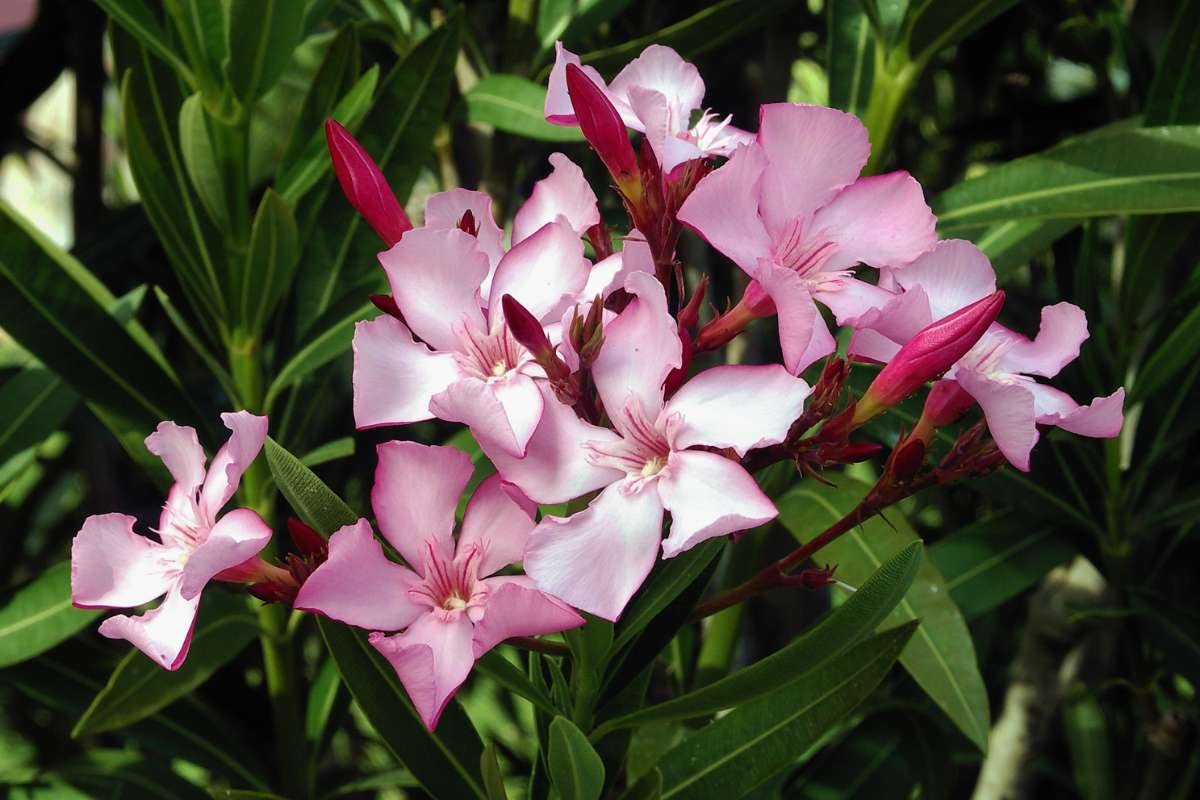
1. Nerium oleander – Most Poisonous Flower in the World
Scientific Name & Botanical Classification
- Family: Apocynaceae
- Genus & Species: Nerium oleander
- Classification: An evergreen shrub or small tree widely cultivated as an ornamental plant.
Toxic Compounds & Mode of Poisoning
- Toxins: Cardiac glycosides, specifically oleandrin and neriine.
- Mode of Action: These compounds inhibit the Na+/K+ -ATPase pump in cardiac muscle cells. This leads to an intracellular buildup of sodium and calcium, causing electrical instability and potentially fatal arrhythmias or cardiac arrest.
Symptoms of Poisoning
- Acute: Severe nausea, vomiting, abdominal pain, and bloody diarrhea.
- Cardiac/Systemic: Irregular heartbeat (bradycardia or tachycardia), tremors, seizures, and collapse.
- Note: Inhaling smoke from burning Oleander or drinking water where flowers have fallen can induce systemic poisoning.
Often cited as the absolute most poisonous flowers in the world, every part of this plant is saturated with cardiac glycosides. Even drinking water that has had petals floating in it, or inhaling smoke from burning branches, can be fatal. It works by disrupting the electrical signals that keep your heart beating at a steady rhythm.
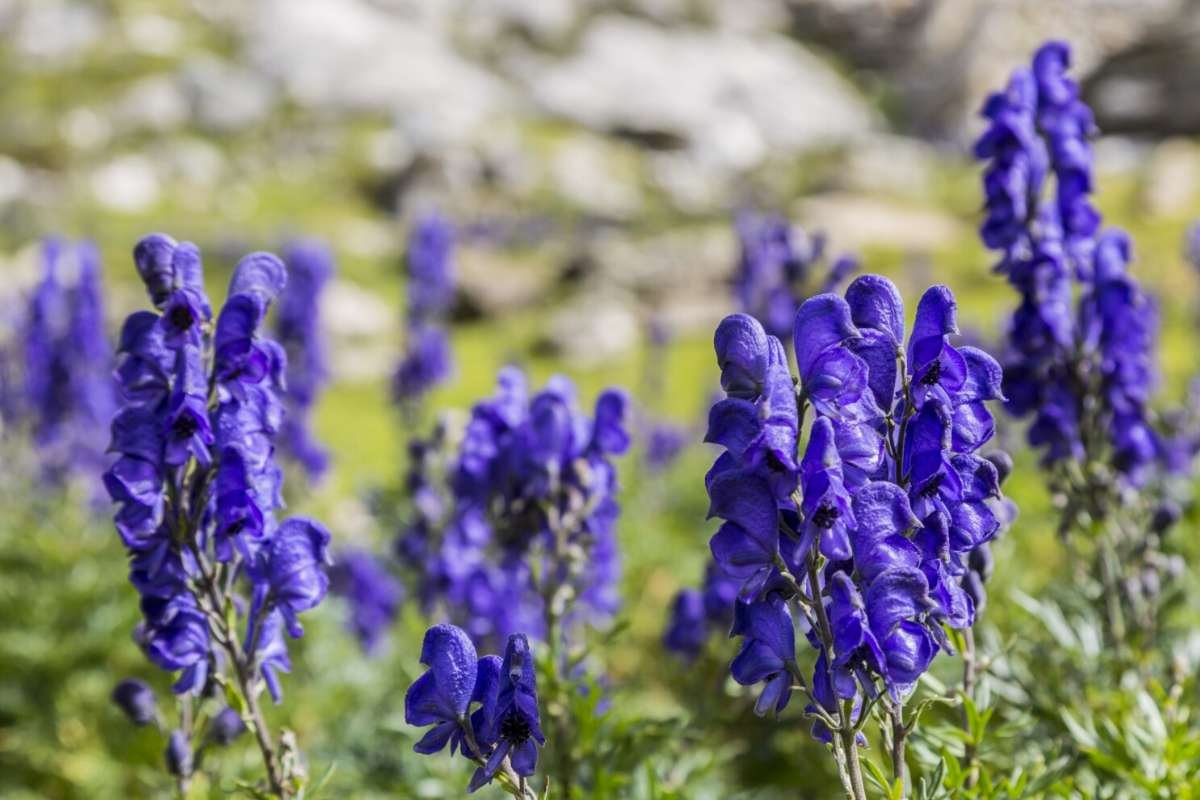
2. Aconitum – Monkshood (Wolf’s Bane)
Scientific Name & Botanical Classification
- Family: Ranunculaceae
- Genus: Aconitum (various species, notably A. napellus)
- Classification: Perennial herbs known for their distinctive hood-shaped blue or purple flowers.
Toxic Compounds & Mode of Poisoning
- Toxins: Diterpenoid alkaloids, primarily aconitine.
- Mode of Action: Aconitine keeps voltage-gated sodium channels open in the “active” state, causing persistent depolarization of nerve and muscle cells. This leads to rapid paralysis of the respiratory system and the heart.
Symptoms of Poisoning
- Acute: Numbness and tingling (paresthesia) starting at the point of contact/ingestion and spreading.
- Systemic: Severe vomiting, visual blurring, slow heart rate, and respiratory failure.
- Danger: High dermal absorption; gardeners have died simply by handling the plant without gloves.
This “Wolf’s Bane” is a candidate for the most poisonous flowers in the world due to its ability to kill through touch. The toxin, aconitine, is absorbed through the skin and causes immediate numbness followed by heart failure. Medieval warriors once used its juices to tip their spears.
3. Ricinus communis – Castor Bean Flower
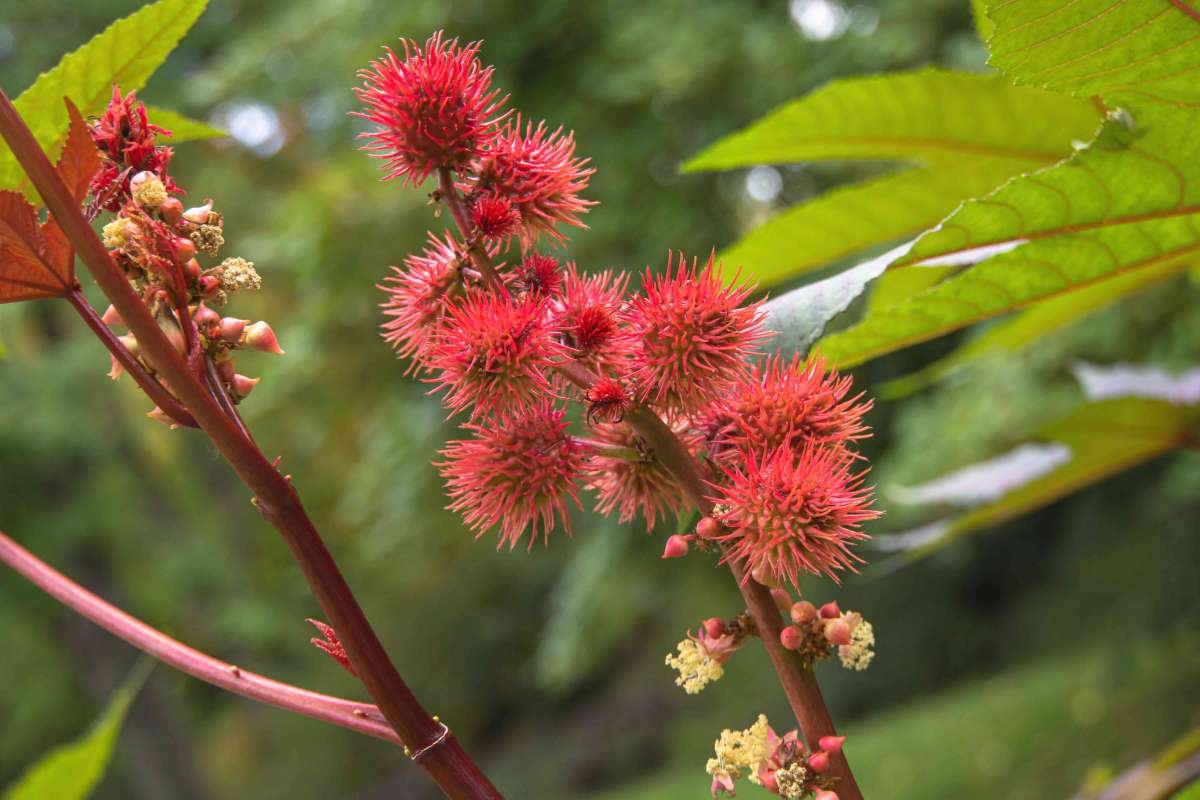
Scientific Name & Botanical Classification
- Family: Euphorbiaceae
- Genus & Species: Ricinus communis
- Classification: A perennial shrub; though the flower is less “showy,” it precedes the highly toxic seed pods.
Toxic Compounds & Mode of Poisoning
- Toxins: Ricin, a Type II Ribosome-Inactivating Protein (RIP).
- Mode of Action: Ricin enters cells and physically deactivates ribosomes. The cell’s protein-making machinery. Without the ability to create proteins, cells undergo apoptosis (programmed death), leading to systemic organ failure.
Symptoms of Poisoning
- Ingestion: Severe gastrointestinal purging, dehydration, and decreased blood pressure.
- Progression: Within 36-72 hours, failure of the liver, spleen, and kidneys occurs.
- Note: One of the most potent biological toxins known; the lethal dose for an adult is roughly the weight of a grain of salt.
While the flower is small, it precedes the seed, which contains ricin. Ricin is a “ribosome-inactivating protein,” meaning it physically dismantles the protein-making machinery inside your cells. Once this process starts, the body’s organs simply begin to shut down one by one.
Nerve & Heart Agents:
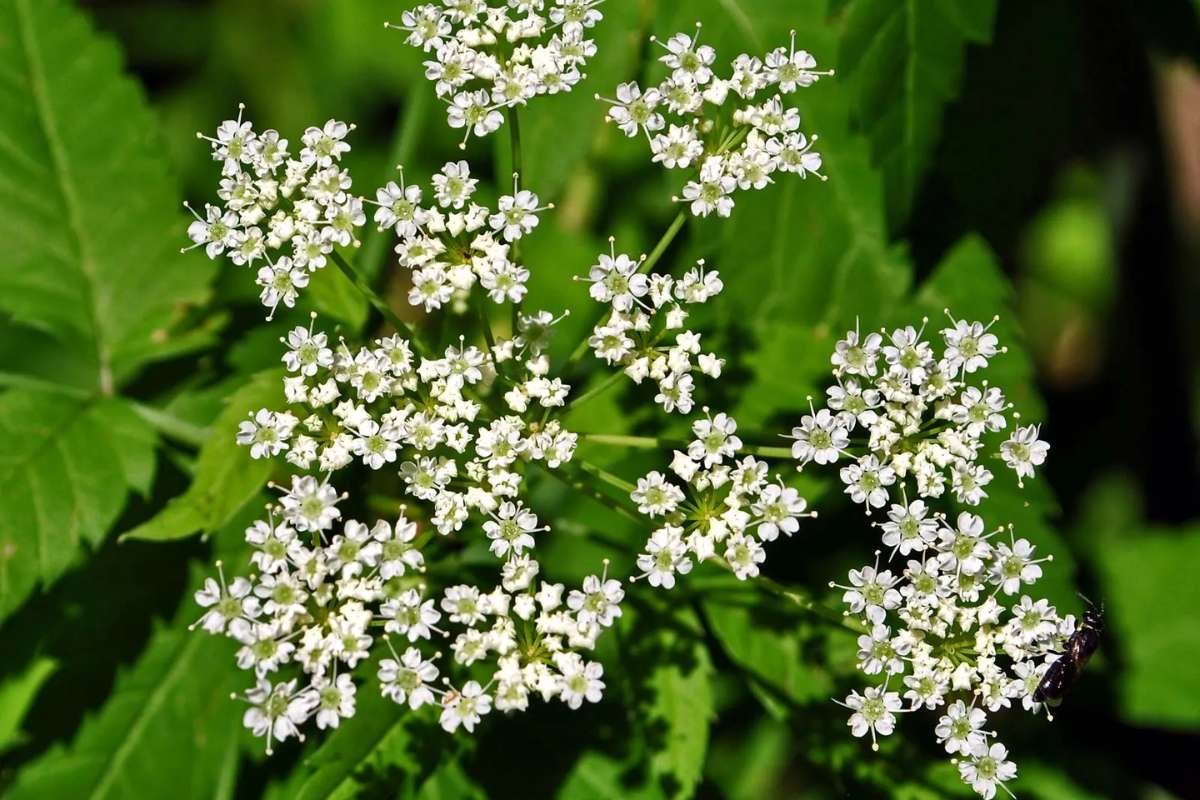
4. Cicuta maculata – Water Hemlock
Scientific Name & Botanical Classification
- Family: Apiaceae
- Genus & Species: Cicuta maculata
- Classification: Marsh-dwelling perennial with white, umbrella-like flower clusters.
Toxic Compounds & Mode of Poisoning
- Toxins: Cicutoxin, an unsaturated aliphatic alcohol.
- Mode of Action: Cicutoxin is a potent central nervous system (CNS) stimulant. It acts as a non-competitive antagonist for GABAA receptors in the brain, blocking chloride channels and causing uncontrolled neuronal firing.
Symptoms of Poisoning
- Acute: Violent, “grand mal” seizures that are often resistant to standard anti-seizure medication.
- Systemic: Muscle breakdown (rhabdomyolysis), kidney failure, and brain swelling (edema). Death usually occurs from respiratory paralysis during a seizure.
This is the most “violently” toxic plant in North America. It contains cicutoxin, which targets the central nervous system. It triggers massive, uncontrollable seizures that can exhaust the body to the point of death within hours of ingestion.
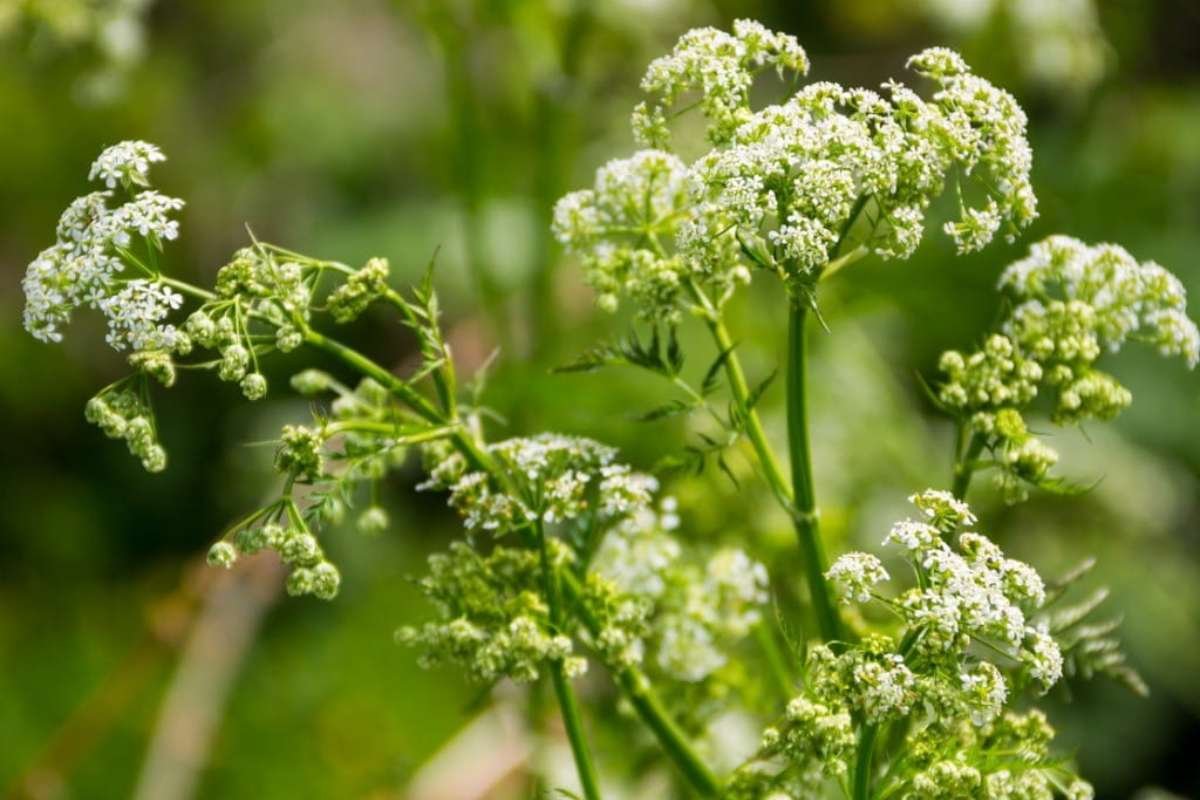
5. Conium maculatum – Poison Hemlock
Scientific Name & Botanical Classification
- Family: Apiaceae
- Genus & Species: Conium maculatum
- Classification: Tall biennial herb with purple-spotted stems and white lacy flowers.
Toxic Compounds & Mode of Poisoning
- Toxins: Piperidine alkaloids, notably coniine and γ-coniceine.
- Mode of Action: These alkaloids mimic nicotine but ultimately act as neuromuscular blockers. They stimulate and then paralyze the nicotinic receptors in the central nervous system and the neuromuscular junction.
Symptoms of Poisoning
- Progression: “Ascending paralysis.” It begins in the feet and moves upward toward the lungs.
- Fatal: The victim remains conscious and alert as their respiratory muscles eventually cease to function, leading to death by asphyxiation.
Famous for killing the philosopher Socrates, this plant causes “ascending paralysis.” You remain fully conscious as your legs go numb, followed by your torso, until your lungs finally lose the ability to move, leading to suffocation.
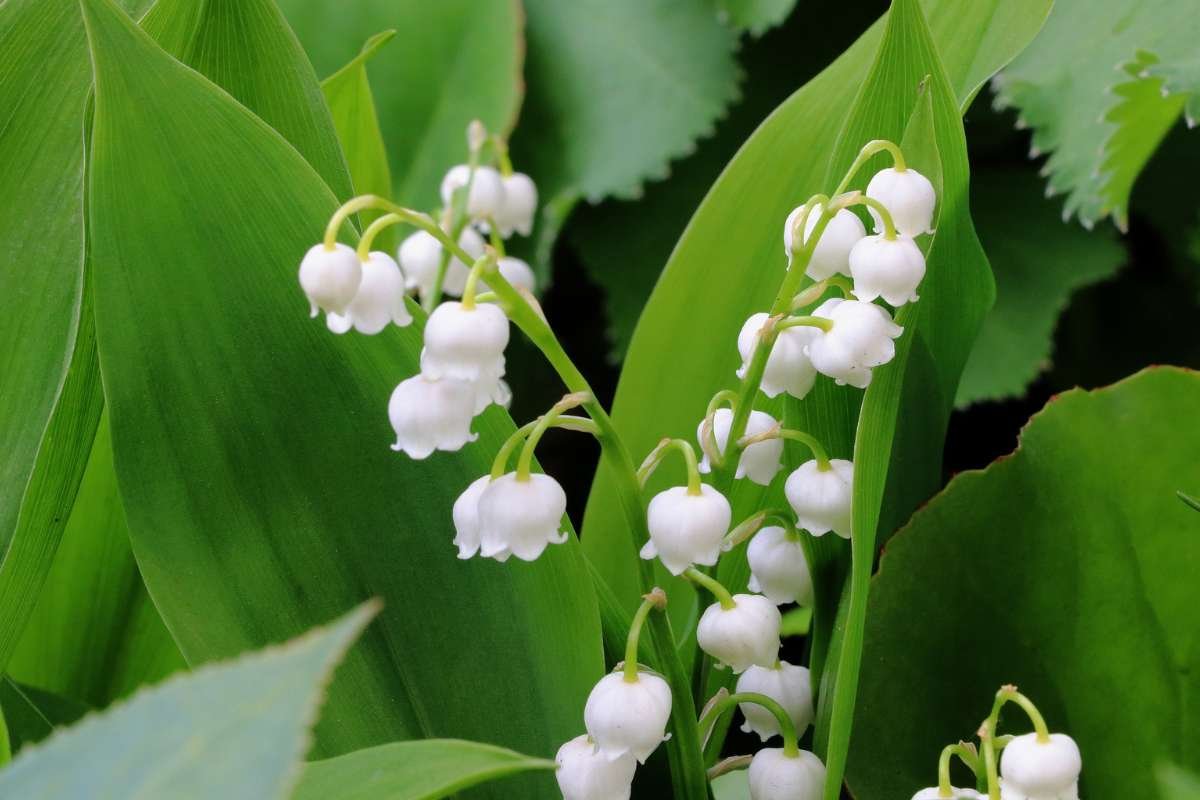
6. Convallaria majalis – Lily of the Valley
Scientific Name & Botanical Classification
- Family: Asparagaceae
- Genus & Species: Convallaria majalis
- Classification: Low-growing woodland plant with bell-shaped, fragrant white flowers.
Toxic Compounds & Mode of Poisoning
- Toxins: Over 38 different cardiac glycosides, primarily convallatoxin.
- Mode of Action: Similar to Digitalis, it increases the force of heart contractions while decreasing the rate, often causing the heart to lose its rhythm entirely.
Symptoms of Poisoning
- Acute: Blurred vision (often seeing halos or yellow tints), vomiting, and skin rashes.
- Cardiac: Severe bradycardia (slow heart rate) and cardiac arrhythmias. It is often mistaken for wild garlic or ramps, leading to accidental ingestion.
This delicate woodland flower contains over 30 different chemicals that affect the heart. Because it looks like wild garlic, it is often accidentally eaten, leading to a dangerously slow heart rate and blurred, “yellow-tinted” vision.
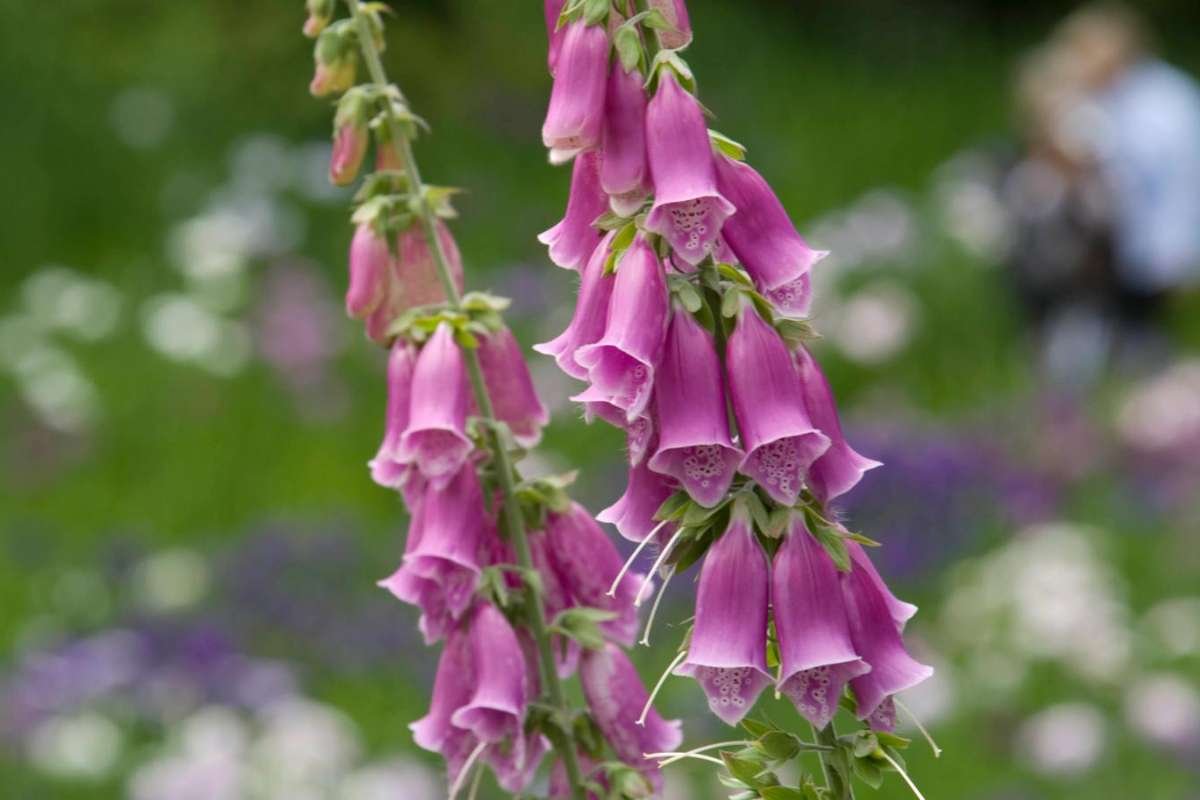
7. Digitalis purpurea – Foxglove
Scientific Name & Botanical Classification
- Family: Plantaginaceae
- Genus & Species: Digitalis purpurea
- Classification: Tall biennial known for its tubular, spotted purple or pink flowers.
Toxic Compounds & Mode of Poisoning
- Toxins: Digitoxin and digoxin.
- Mode of Action: These cardiac glycosides inhibit the sodium-potassium ATPase pump. While used in controlled medicine for heart failure, the raw plant contains erratic concentrations that easily reach toxic levels.
Symptoms of Poisoning
- Acute: Excessive salivation, nausea, and “xanthopsia” (yellow-green vision).
- Fatal: Extreme heart palpitations leading to ventricular fibrillation and death.
Foxglove is the source of the heart medicine digitalis, but in its raw form, it is one of the most poisonous flowers in the world because the dosage is impossible to control. It forces the heart to contract with extreme power until it eventually stops.
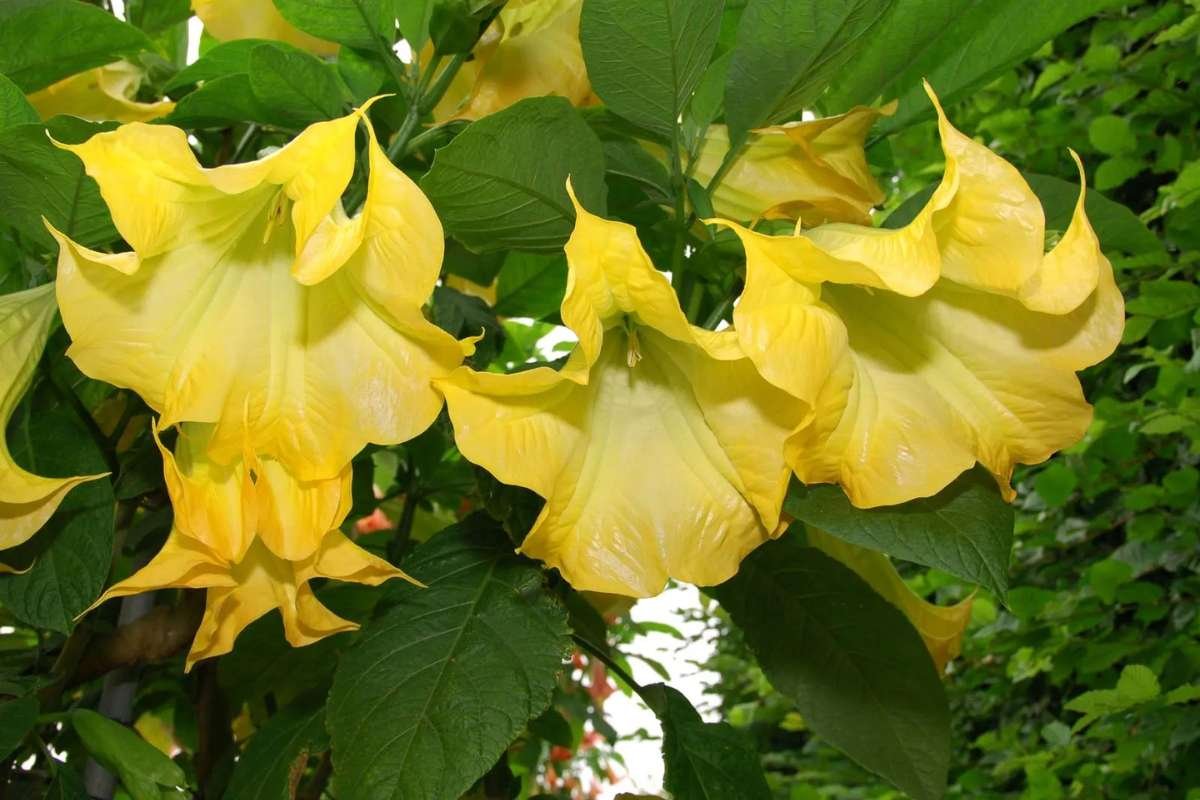
8. Brugmansia – Angel’s Trumpet
Scientific Name & Botanical Classification
- Family: Solanaceae
- Genus: Brugmansia
- Classification: Large shrubs or trees with massive, pendulous, trumpet-shaped flowers.
Toxic Compounds & Mode of Poisoning
- Toxins: Tropane alkaloids, including scopolamine, atropine, and hyoscyamine.
- Mode of Action: These are anticholinergics that block the neurotransmitter acetylcholine in the central and peripheral nervous systems.
Symptoms of Poisoning
- Acute: “Hot as a hare, blind as a bat, dry as a bone, red as a beet, and mad as a hatter.”
- Systemic: Terrifying, long-lasting hallucinations, complete loss of reality (psychosis), and paralysis of smooth muscles.
These massive flowers contain scopolamine, which induces a state of “zombie-like” trance. Victims suffer from terrifying hallucinations and a complete loss of willpower, followed by paralysis of the involuntary muscles (like those used for breathing).
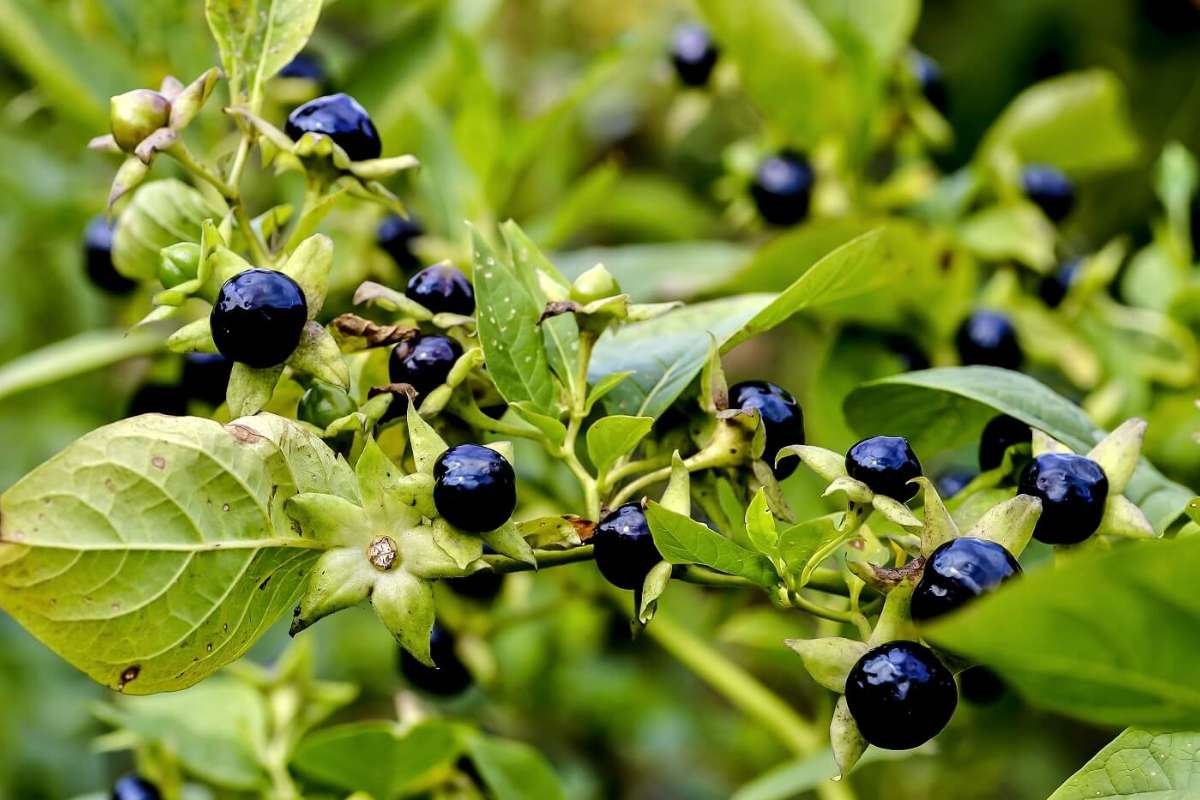
9. Atropa belladonna – Deadly Nightshade
Scientific Name & Botanical Classification
- Family: Solanaceae
- Genus & Species: Atropa belladonna
- Classification: Herbaceous perennial with dull purple flowers and shiny black berries.
Toxic Compounds & Mode of Poisoning
- Toxins: Atropine, scopolamine, and hyoscyamine.
- Mode of Action: Competitively inhibits muscarinic acetylcholine receptors. It effectively shuts down the “rest and digest” parasympathetic nervous system.
Symptoms of Poisoning
- Acute: Dilated pupils (mydriasis), extreme sensitivity to light, and dry mouth.
- Systemic: Confusion, tachycardia, and seizures. Two to five berries can kill a child.
The berries look like sweet cherries, but just a few can kill a child. The toxins block the “rest and digest” part of your nervous system, causing your pupils to dilate widely, your heart to race, and your body to overheat.
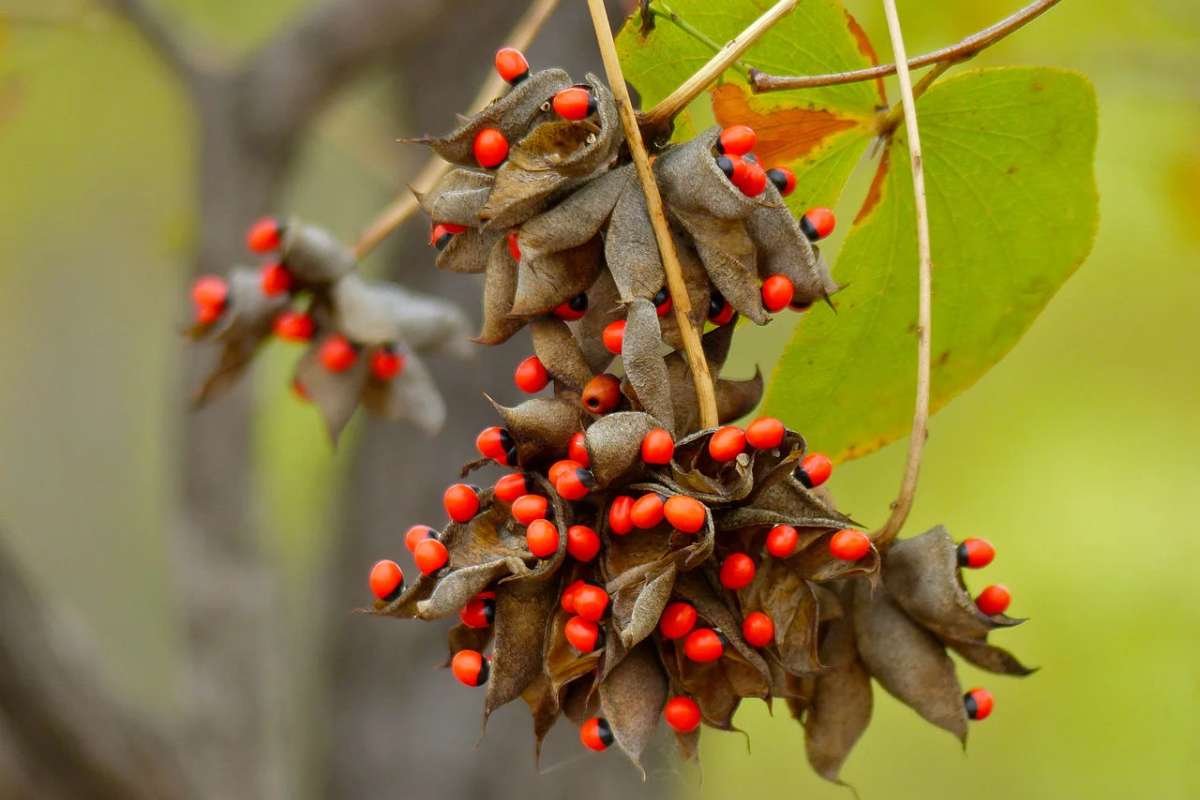
10. Abrus precatorius – Rosary Pea
Scientific Name & Botanical Classification
- Family: Fabaceae
- Genus & Species: Abrus precatorius
- Classification: Slender climber with pale violet flowers and bright red-and-black seeds.
Toxic Compounds & Mode of Poisoning
- Toxins: Abrin, a ribosome-inactivating protein similar to ricin.
- Mode of Action: Abrin is nearly 75 times more toxic than ricin. It halts protein synthesis by cleaving the 28S ribosomal RNA.
Symptoms of Poisoning
- Acute: Burning of the throat, severe vomiting, and internal bleeding of the GI tract.
- Systemic: Total organ failure and retinal hemorrhage. A single seed, if chewed, is fatal.
The seeds of this flower contain abrin, which is nearly 75 times more potent than ricin. If a single seed is chewed, it stops the body from producing proteins, leading to a slow and painful internal collapse.
- Potent Systemic Toxins
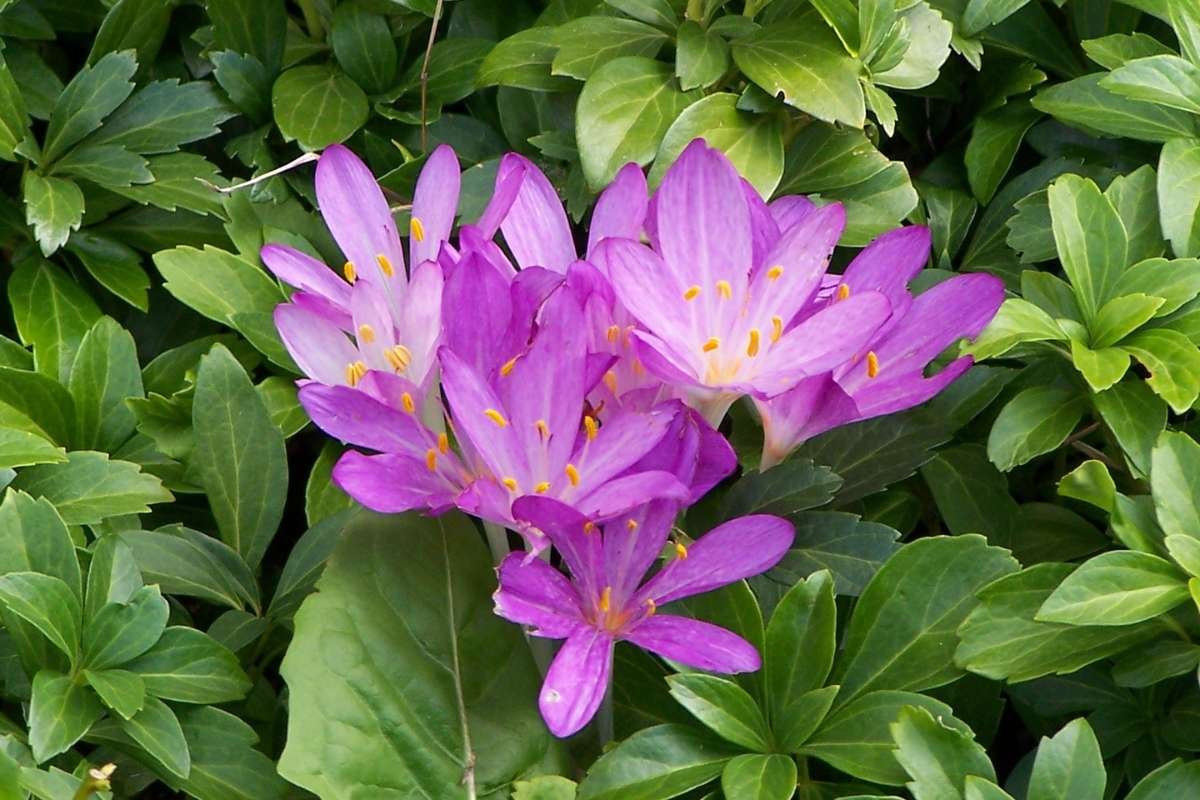
11. Colchicum autumnale – Autumn Crocus
Scientific Name & Botanical Classification
- Family: Colchicaceae
- Genus & Species: Colchicum autumnale
- Classification: A fall-blooming perennial, often confused with true crocuses (Iridaceae).
Toxic Compounds & Mode of Poisoning
- Toxins: Colchicine, an alkaloid often described as “botanical arsenic.”
- Mode of Action: Colchicine binds to tubulin, preventing the polymerization of microtubules. This halts mitosis (cell division), effectively stopping the body’s ability to replace cells. It hits the gastrointestinal tract and bone marrow hardest.
Symptoms of Poisoning
- Acute: Delayed onset (2–24 hours) of severe burning in the throat and stomach.
- Systemic: Multi-organ failure, hair loss, and “colchicine-induced” leukopenia. It is nearly identical to arsenic poisoning in its progression.
Often called “botanical arsenic,” its toxin prevents cells from dividing. Because your body cannot replace dead cells, your digestive tract and bone marrow begin to wither away, making it a truly horrific, most poisonous flowers in the world.
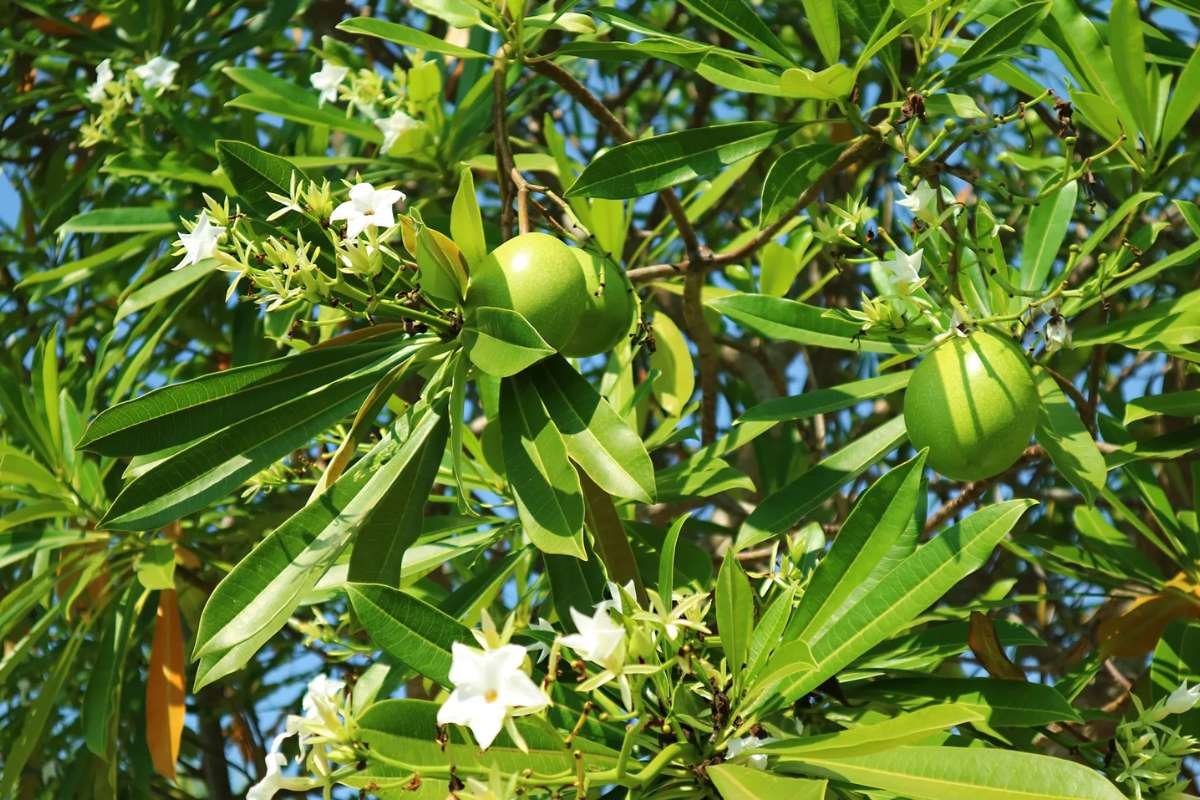
12. Cerbera odollam – Suicide Tree
Scientific Name & Botanical Classification
- Family: Apocynaceae
- Genus & Species: Cerbera odollam
- Classification: A hardwood tree native to India and Southeast Asia with white, jasmine-like flowers.
Toxic Compounds & Mode of Poisoning
- Toxins: Cerberin, a powerful cardiac glycoside.
- Mode of Action: Similar to Oleandrin, it blocks the electrical signals within the heart by inhibiting the sodium-potassium pump. It is notoriously difficult for forensic toxicologists to detect, as it is often masked by common spices.
Symptoms of Poisoning
- Acute: Violent vomiting and intense abdominal pain.
- Systemic: Fatal disruption of the heart’s sinus rhythm. Death typically occurs within 3–6 hours of ingestion.
Native to India, this plant is frequently used in homicides because its toxin, cerberin, is hard for doctors to detect. It essentially acts as a “heart-stopper” by blocking the flow of minerals in and out of cardiac cells.
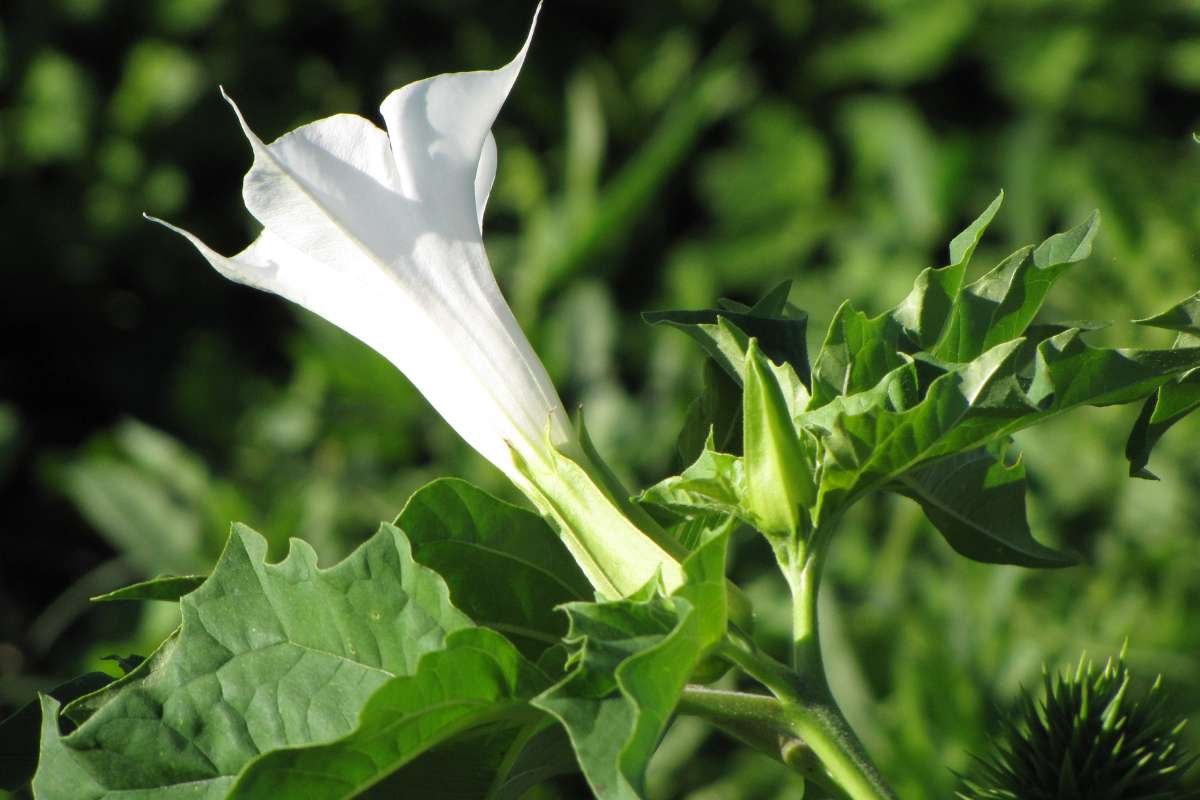
13. Datura stramonium – Jimsonweed
Scientific Name & Botanical Classification
- Family: Solanaceae
- Genus & Species: Datura stramonium
- Classification: A foul-smelling, upright annual with large, white-to-purple trumpet flowers.
Toxic Compounds & Mode of Poisoning
- Toxins: Tropane alkaloids (Hyoscyamine, Scopolamine, and Atropine).
- Mode of Action: Acts as an anticholinergic. It blocks muscarinic acetylcholine receptors, leading to a complete shutdown of involuntary muscle control and cognitive processing.
Symptoms of Poisoning
- Acute: Fever, extreme thirst, and urinary retention.
- Systemic: Delirium, hyperthermia (dangerously high body temperature), and amnesia. The seeds are the most toxic part.
Commonly found in vacant lots, this flower causes a “dry” poisoning; your mouth goes bone-dry, your skin turns red, and you lose all sense of reality, often for days at a time, putting immense strain on the heart.
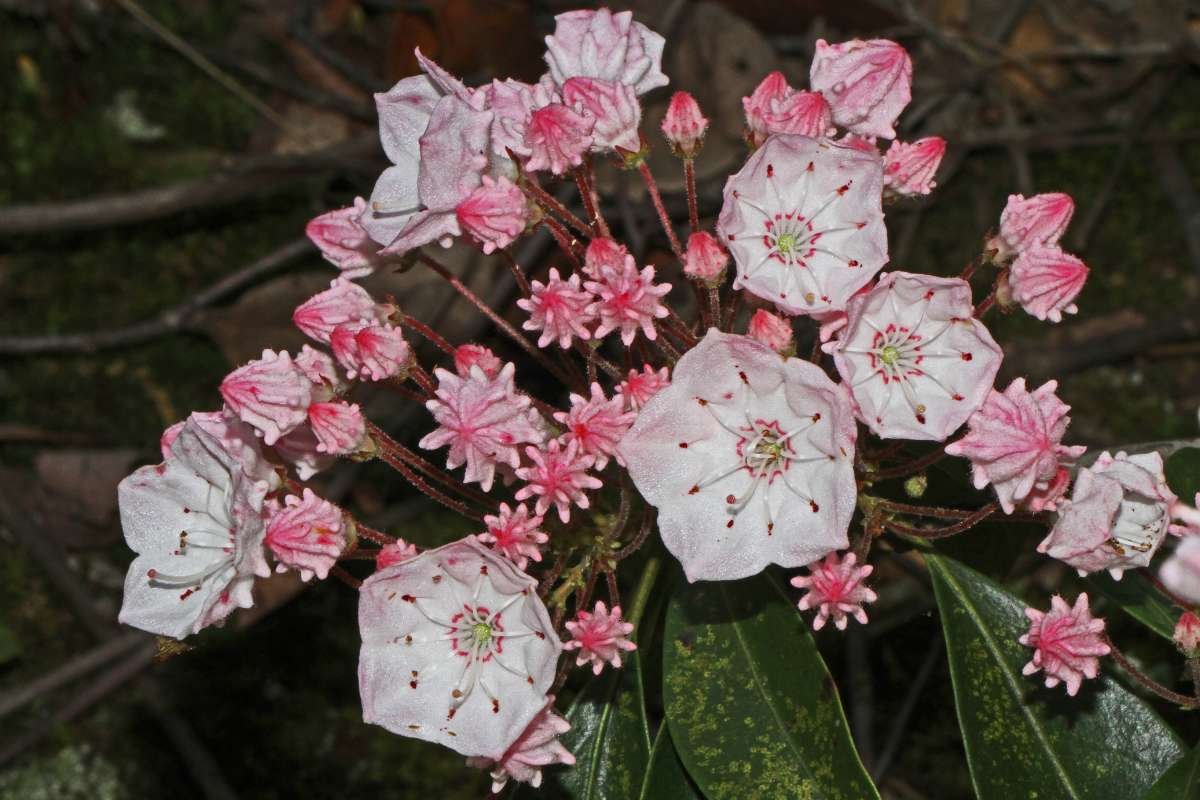
14. Kalmia latifolia – Mountain Laurel
Scientific Name & Botanical Classification
- Family: Ericaceae
- Genus & Species: Kalmia latifolia
- Classification: An evergreen shrub with hexagonal, star-shaped pink and white flowers.
Toxic Compounds & Mode of Poisoning
- Toxins: Grayanotoxins (formerly known as andromedotoxin).
- Mode of Action: Grayanotoxins bind to sodium channels in cell membranes, preventing them from closing. This keeps cells in a constant state of depolarization, causing persistent stimulation of the heart and nerves.
Symptoms of Poisoning
- Acute: “Mad Honey” poisoning, hypotension, salivation, and severe dizziness.
- Systemic: Slowed heart rate (bradycardia) and progressive muscle weakness.
The nectar of this flower produces “mad honey.” If bees feed on this plant, the honey they produce contains grayanotoxins, which cause the human heart rate to drop to dangerously low levels.
15. Rhododendron – Azalea
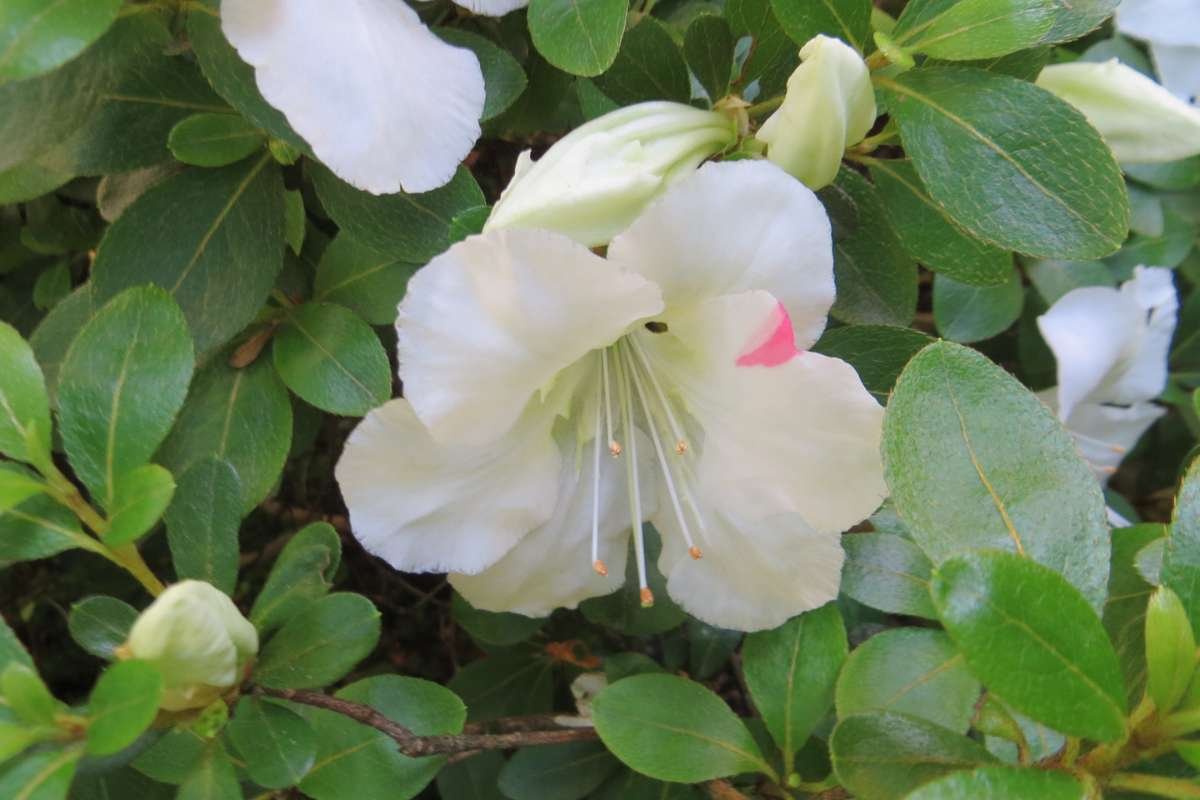
Scientific Name & Botanical Classification
- Family: Ericaceae
- Genus: Rhododendron
- Classification: Woody shrubs prized for their massive clusters of brightly colored flowers.
Toxic Compounds & Mode of Poisoning
- Toxins: Grayanotoxins (specifically I and II).
- Mode of Action: Identical to Mountain Laurel, these toxins disrupt the sodium-channel gates. Because these plants are so common in landscaping, they are a primary cause of poisoning in livestock and domestic pets.
Symptoms of Poisoning
- Acute: Nausea, abdominal pain, and excessive drooling.
- Systemic: Paralysis of the limbs, respiratory depression, and potentially fatal low blood pressure.
Because these are so common in landscaping, they are a major hazard for pets. Like the Mountain Laurel, they prevent nerve cells from “resetting” after they fire, leading to a state of constant, exhausting stimulation.
Read Next:
- Can You Guess the Top 30 Most Rare Flowers in the World? Most People Get It Wrong
- The 10 Most Expensive Flowers in the World, And Why They Cost More Than Gold
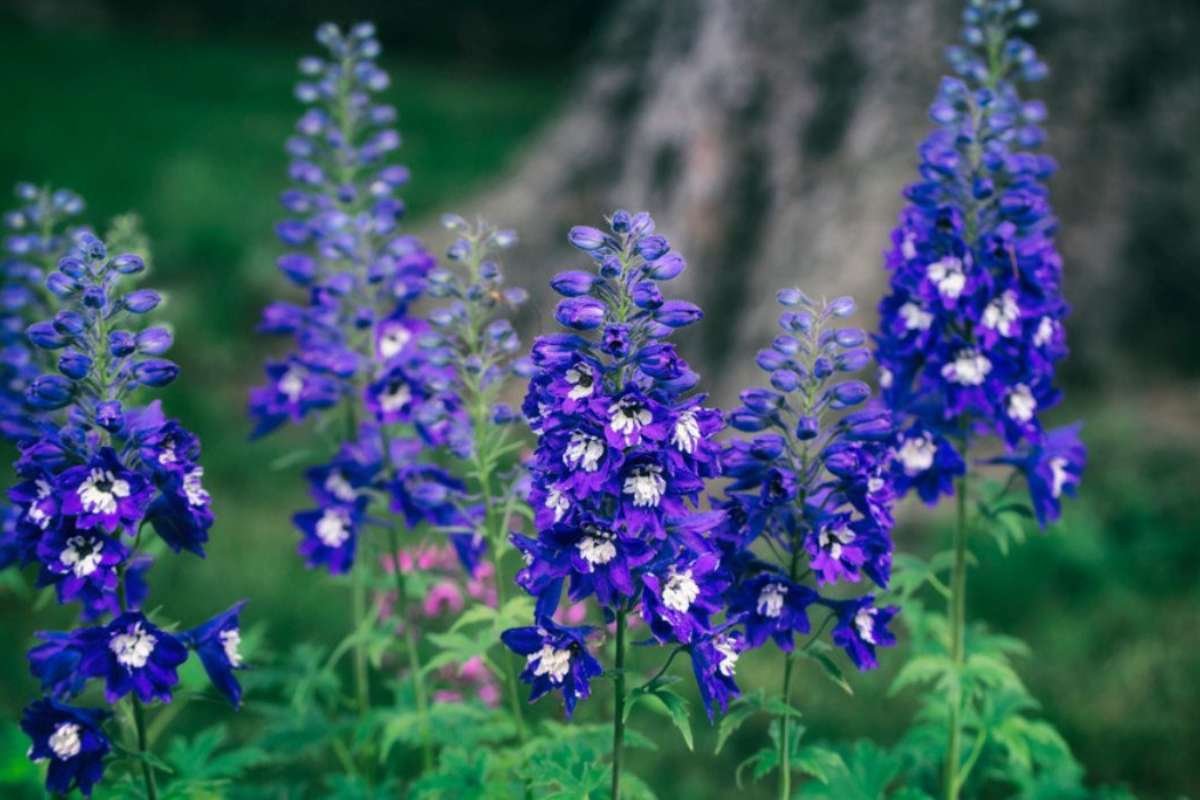
16. Delphinium – Larkspur
Scientific Name & Botanical Classification
- Family: Ranunculaceae
- Genus: Delphinium
- Classification: Tall, blue-flowered spikes common in cottage gardens.
Toxic Compounds & Mode of Poisoning
- Toxins: Norditerpenoid alkaloids, such as methyllycaconitine (MLA).
- Mode of Action: MLA acts as a potent antagonist at nicotinic acetylcholine receptors. It effectively cuts off communication between nerves and muscles, much like the venom of some cobras.
Symptoms of Poisoning
- Acute: Nervousness, staggering, and rapid pulse.
- Systemic: Bloat (in livestock) and death by respiratory paralysis. The plant becomes more toxic as it matures.
Larkspur is particularly dangerous to cattle. It contains alkaloids that block the signals between nerves and muscles. In high amounts, the victim becomes “locked” in place, unable to move or breathe.
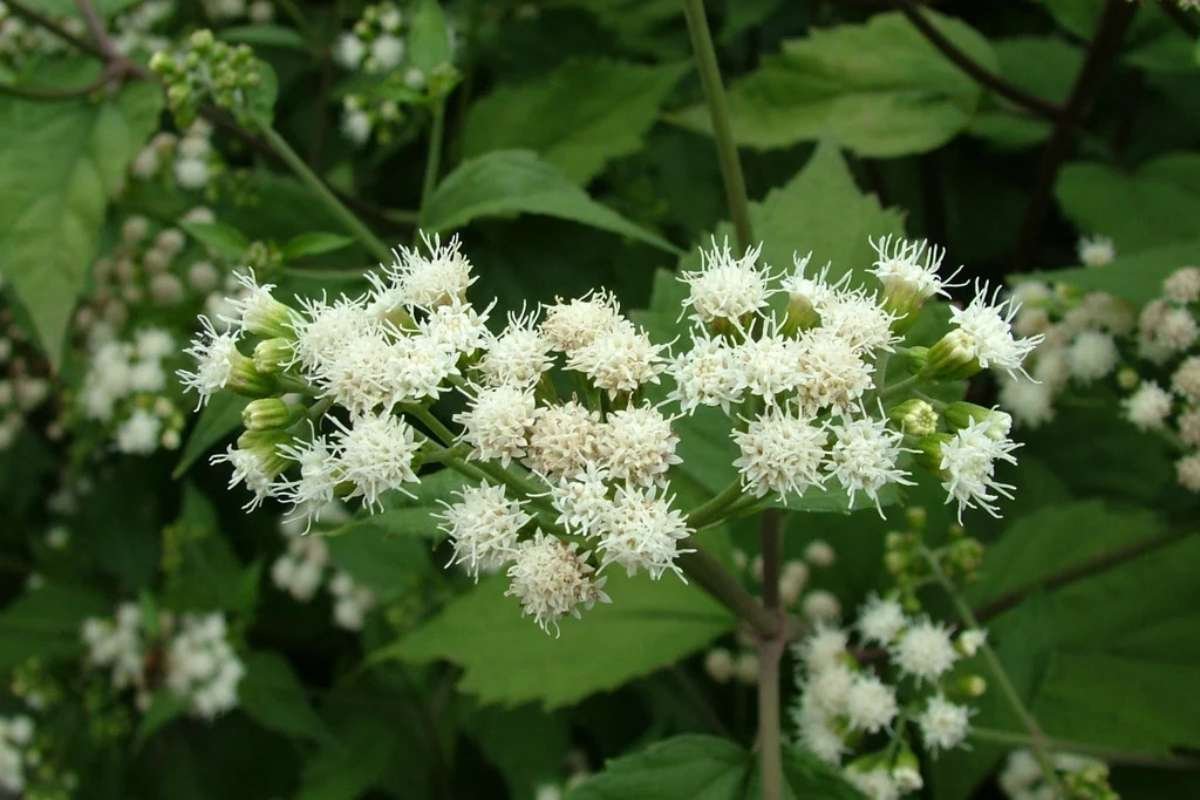
17. Ageratina altissima – White Snakeroot
Scientific Name & Botanical Classification
- Family: Asteraceae
- Genus & Species: Ageratina altissima
- Classification: A North American woodland herb with small, fuzzy white flowers.
Toxic Compounds & Mode of Poisoning
- Toxins: Tremetone.
- Mode of Action: Unlike most toxins, Tremetone is metabolically activated in the liver. It disrupts the body’s acid-base balance and interferes with glucose metabolism. It is famous for “Milk Sickness,” where the toxin is passed from cows to humans via milk.
Symptoms of Poisoning
- Acute: Extreme lethargy, loss of appetite, and “acetone breath” (smelling like nail polish remover).
- Systemic: Severe acidosis, coma, and death.
This plant killed Abraham Lincoln’s mother. The toxin, tremetone, is eaten by cows and passed into their milk. Humans who drink the “milk sickness” milk suffer from severe tremors and liver failure.
- Severe Irritants & Neurotoxins
18. Actaea pachypoda – Doll’s Eyes
Scientific Name & Botanical Classification
- Family: Ranunculaceae
- Genus & Species: Actaea pachypoda
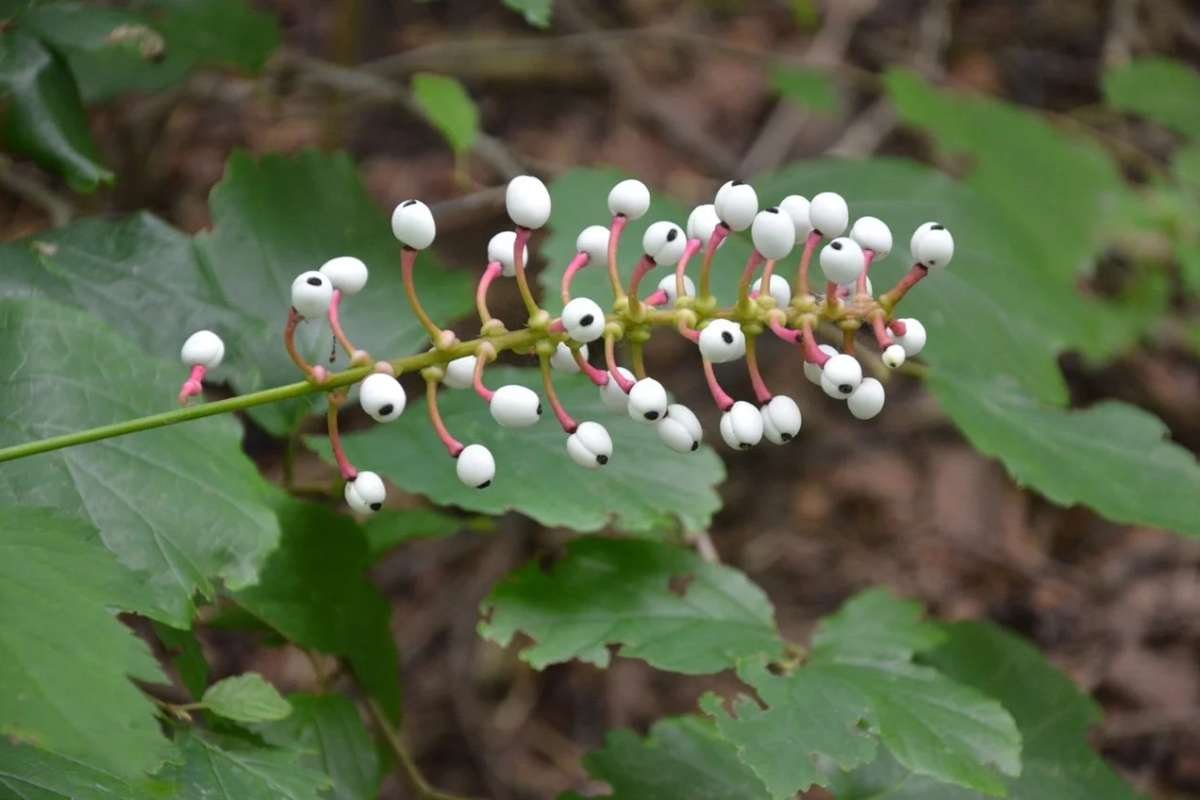
- Classification: Perennial plant named for its white berries with black “pupils” that follow small white flowers.
Toxic Compounds & Mode of Poisoning
- Toxins: Ranunculin (which converts to protoanemonin) and unidentified cardiogenic toxins.
- Mode of Action: These toxins have a direct sedative effect on cardiac muscle tissue, slowing the heart’s electrical conduction.
Symptoms of Poisoning
- Acute: Severe inflammation of the mouth and throat.
- Systemic: Dizziness, hallucinations, and cardiac arrest. The berries are sweet to the taste, making them particularly dangerous to children.
The white berries with black dots are highly attractive but contain a sedative that can stop the human heart almost instantly. It is widely considered the most poisonous flowers in the world regarding child safety in the wild.
19. Ipomoea – Morning Glory
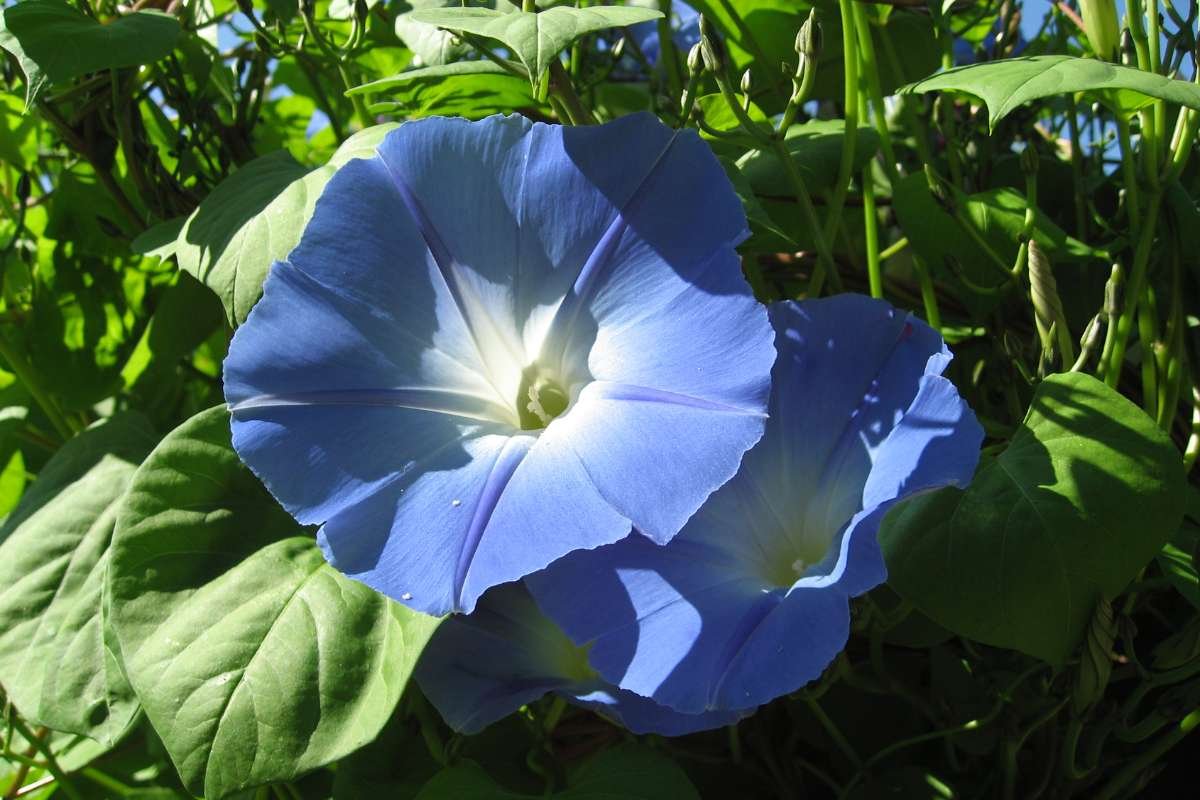
Scientific Name & Botanical Classification
- Family: Convolvulaceae
- Genus: Ipomoea
- Classification: Vining plants with trumpet-shaped flowers that open only in the morning.
Toxic Compounds & Mode of Poisoning
- Toxins: Ergot alkaloids, specifically Lysergic Acid Amide (LSA).
- Mode of Action: LSA is a precursor to LSD and acts on serotonin receptors in the brain. While less toxic than ricin, it induces severe systemic distress and psychological trauma.
Symptoms of Poisoning
- Acute: Severe nausea, vomiting, and dilated pupils.
- Systemic: Intense hallucinations, confusion, and cardiovascular stress.
While popular in gardens, the seeds contain LSA, a chemical cousin to LSD. Ingestion causes extreme nausea and cardiovascular stress, alongside powerful and often distressing hallucinations.
20. Nicotiana tabacum – Tobacco Flower
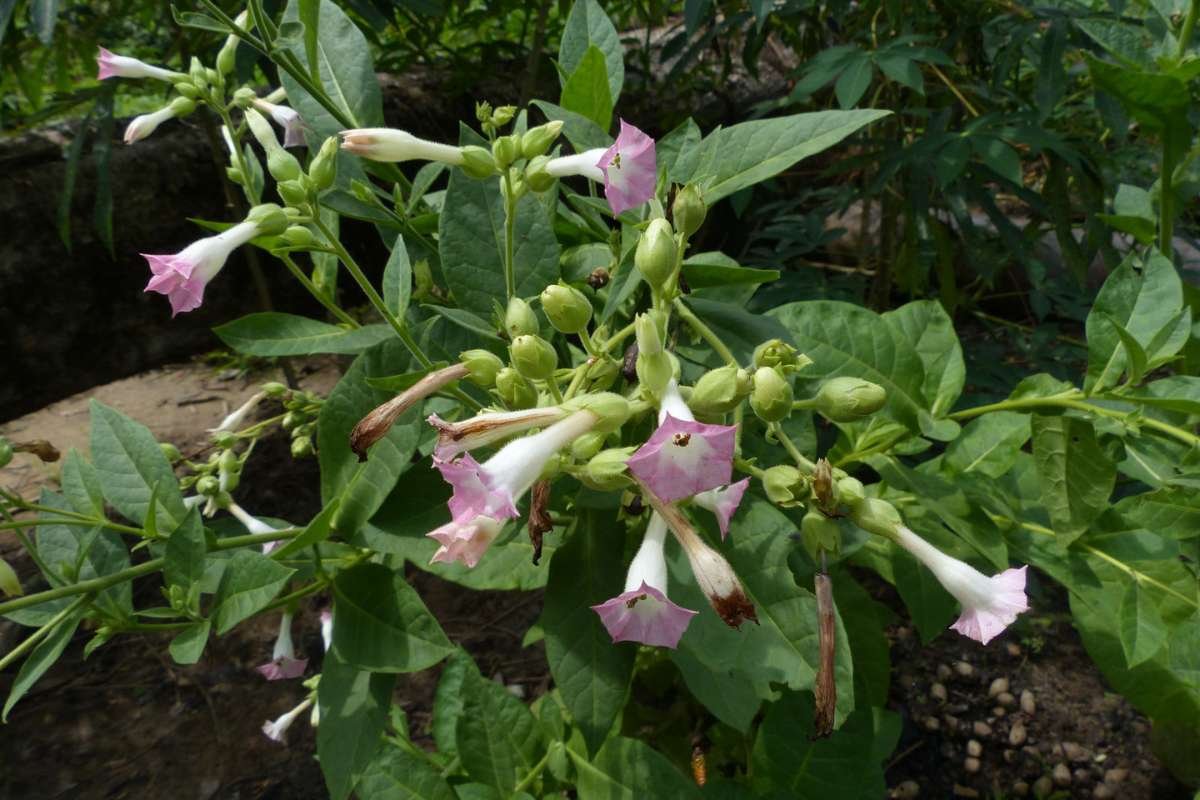
Scientific Name & Botanical Classification
- Family: Solanaceae
- Genus & Species: Nicotiana tabacum
- Classification: Large-leaved annual with white or pink tubular flowers.
Toxic Compounds & Mode of Poisoning
- Toxins: Nicotine and Anabasine.
- Mode of Action: At high doses, nicotine is a potent neurotoxin. It overstimulates nicotinic acetylcholine receptors, leading to a “depolarizing block” where the nerves can no longer fire.
Symptoms of Poisoning
- Acute: Dizziness, sweating, and heart palpitations.
- Systemic: Seizures, respiratory failure, and death. “Green Tobacco Sickness” can occur just from skin contact with wet leaves.
While we know tobacco for smoking, the raw flower and leaves contain enough liquid nicotine to be a neurotoxin. Touching wet leaves can cause “Green Tobacco Sickness,” where nicotine is absorbed through the skin into the blood.
21. Narcissus – Daffodil
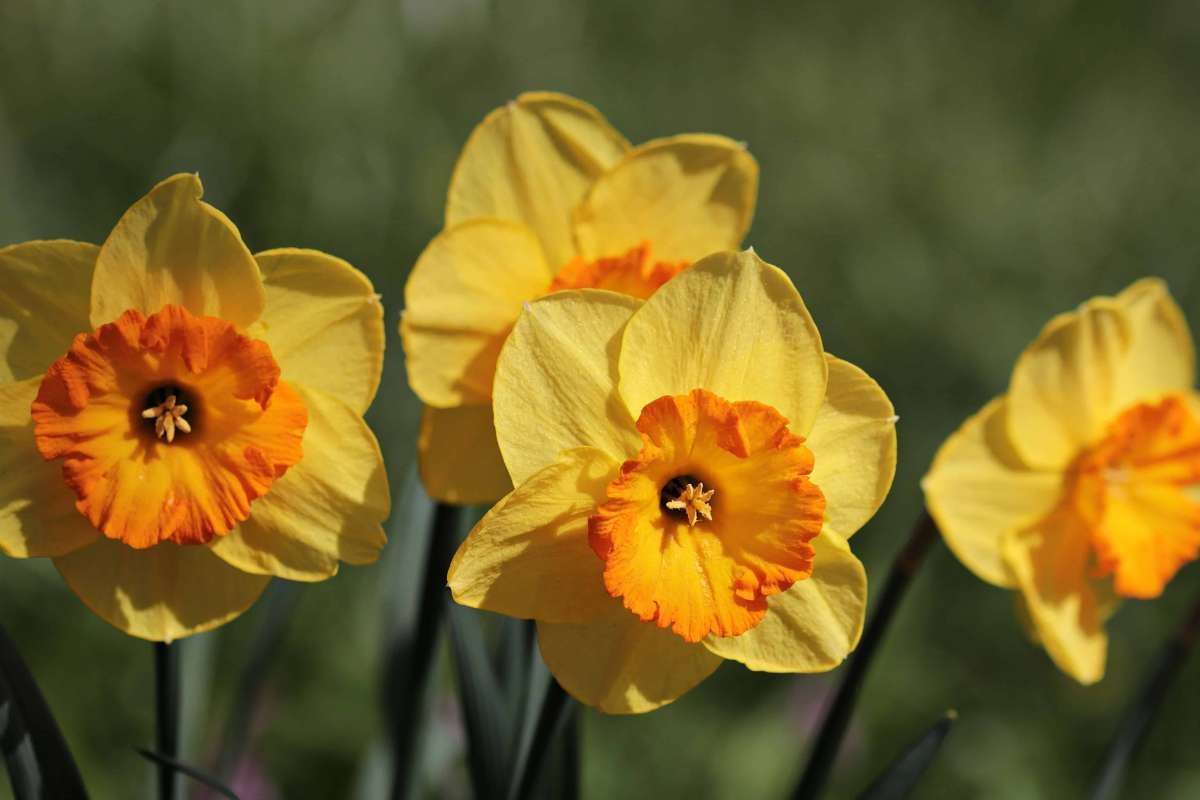
Scientific Name & Botanical Classification
- Family: Amaryllidaceae
- Genus: Narcissus
- Classification: Spring-flowering perennials with a central trumpet (corona).
Toxic Compounds & Mode of Poisoning
- Toxins: Lycorine and calcium oxalate crystals.
- Mode of Action: Lycorine is a powerful emetic alkaloid. Calcium oxalate crystals act as “needles” (raphides) that puncture mucous membranes, facilitating the entry of the alkaloid into the bloodstream.
Symptoms of Poisoning
- Acute: Severe vomiting, diarrhea, and abdominal pain.
- Systemic: In high doses (often from mistaking bulbs for onions), it leads to cardiac arrhythmias and neurological depression.
The bulbs contain crystals that act like tiny needles. When eaten, these needles cut the inside of the throat, allowing the plant’s toxic alkaloids to enter the bloodstream much faster, causing severe vomiting.
22. Taxus baccata – English Yew
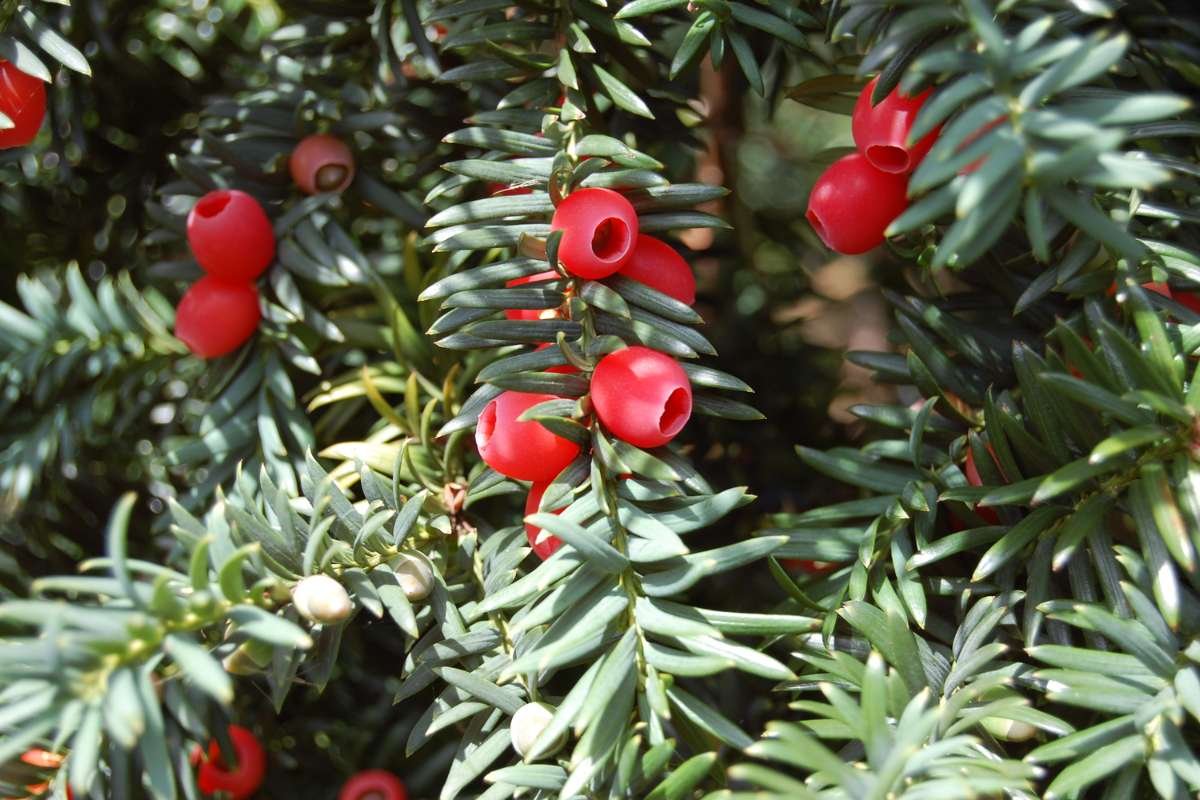
Scientific Name & Botanical Classification
- Family: Taxaceae
- Genus & Species: Taxus baccata
- Classification: Evergreen conifer with red “arils” (berry-like seeds) and small, inconspicuous flowers.
Toxic Compounds & Mode of Poisoning
- Toxins: Taxine alkaloids (Taxine A and B).
- Mode of Action: Taxines are calcium and sodium channel antagonists. They specifically inhibit the heart’s ability to conduct electrical impulses, causing the heart to stop in diastole (the relaxed phase).
Symptoms of Poisoning
- Acute: Often asymptomatic until sudden collapse.
- Systemic: Dizziness, trembling, and sudden cardiac failure. Death can occur so rapidly that the victim shows no prior symptoms.
Known as the “Tree of Death,” the Yew’s poison is so fast-acting that there are records of animals dropping dead with the leaves still in their mouths. It causes the heart to stop during its relaxation phase.
23. Hydrangea macrophylla – Hydrangea
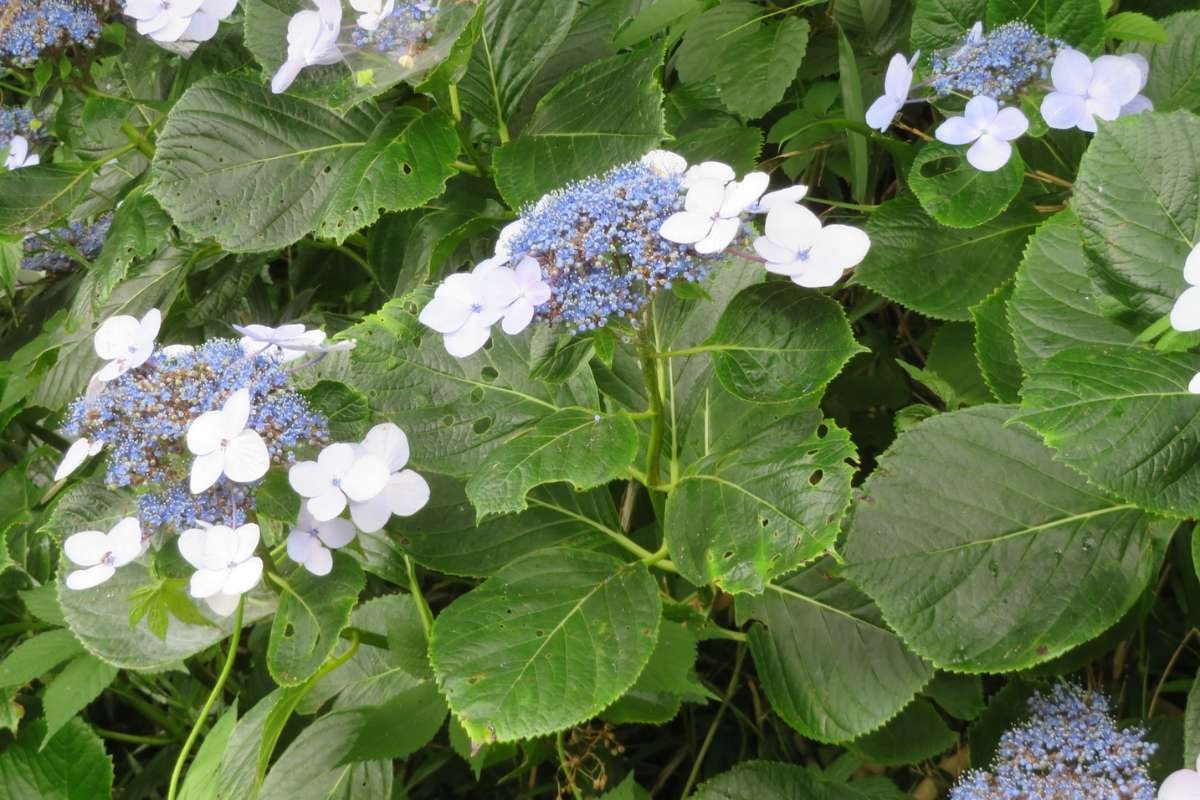
Scientific Name & Botanical Classification
- Family: Hydrangeaceae
- Genus & Species: Hydrangea macrophylla
- Classification: Popular ornamental shrub with large, spherical flower heads.
Toxic Compounds & Mode of Poisoning
- Toxins: Hydrangin, a cyanogenic glycoside.
- Mode of Action: When ingested, hydrangin is metabolized into hydrogen cyanide. Cyanide inhibits cytochrome c oxidase in the mitochondria, effectively preventing cells from using oxygen and causing “cellular suffocation.”
Symptoms of Poisoning
- Acute: Shortness of breath, dizziness, and rapid heart rate.
- Systemic: Seizures, blue-tinted skin (cyanosis), and respiratory failure.
Few realize this garden staple contains a precursor to cyanide. If the leaves or flowers are eaten, the digestive system converts the chemicals into hydrogen cyanide, which prevents your cells from using oxygen.
24. Gelsemium sempervirens – Carolina Jessamine
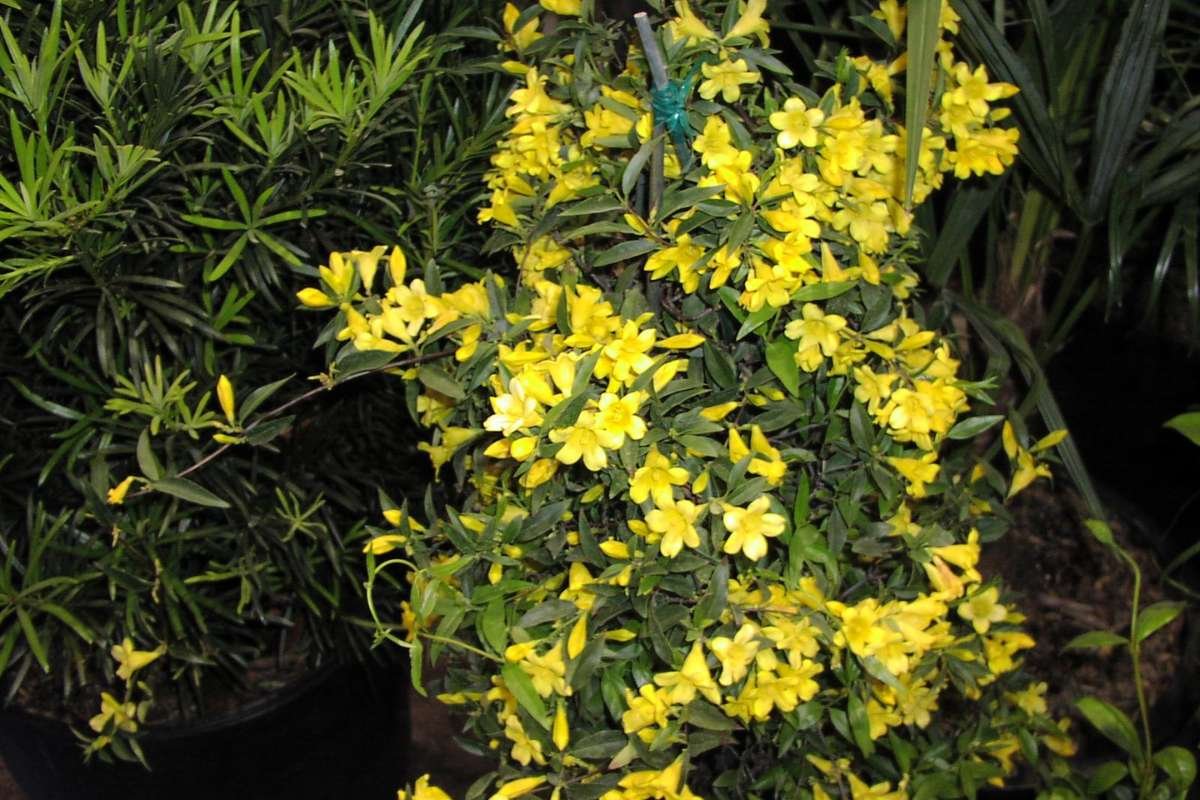
Scientific Name & Botanical Classification
- Family: Gelsemiaceae
- Genus & Species: Gelsemium sempervirens
- Classification: A climbing evergreen vine with fragrant, yellow, funnel-shaped flowers.
Toxic Compounds & Mode of Poisoning
- Toxins: Gelsemine and related alkaloids.
- Mode of Action: Acts as a potent depressant of the central nervous system. It specifically targets the spinal cord and the respiratory center in the brain.
Symptoms of Poisoning
- Acute: Drooping eyelids (ptosis), double vision, and difficulty swallowing.
- Systemic: Generalized paralysis and respiratory arrest. Even honey made from its nectar is toxic.
This flower targets the spinal cord. It causes the eyelids to droop and the muscles to go limp. Even honey made from its yellow blossoms has been known to kill humans.
25. Cycas revoluta – Sago Palm
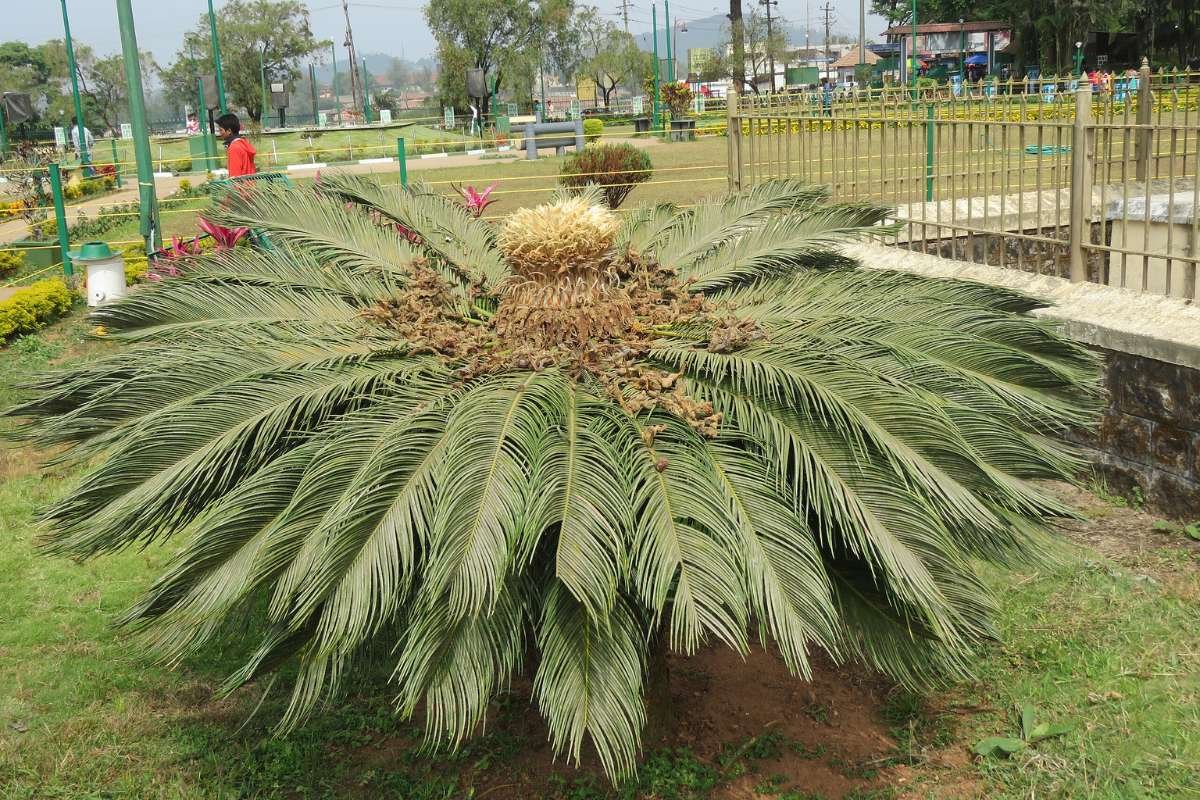
Scientific Name & Botanical Classification
- Family: Cycadaceae
- Genus & Species: Cycas revoluta
- Classification: A cycad (not a true palm) with a terminal inflorescence.
Toxic Compounds & Mode of Poisoning
- Toxins: Cycasin.
- Mode of Action: Cycasin is hepatotoxic. Once metabolized by gut bacteria, it produces methylazoxymethanol, which causes acute, massive necrosis of liver cells and is highly carcinogenic.
Symptoms of Poisoning
- Acute: Increased thirst, vomiting, and bloody stools.
- Systemic: Acute liver failure, jaundice, and internal hemorrhaging. This is a leading cause of pet fatalities in tropical climates.
The flower-like cone of this plant is one of the most common causes of liver failure in dogs. It contains cycasin, which causes the liver to “melt” (necrosis) within 24 to 48 hours of ingestion.
- Common Garden Risks
26. Duranta erecta – Golden Dewdrop
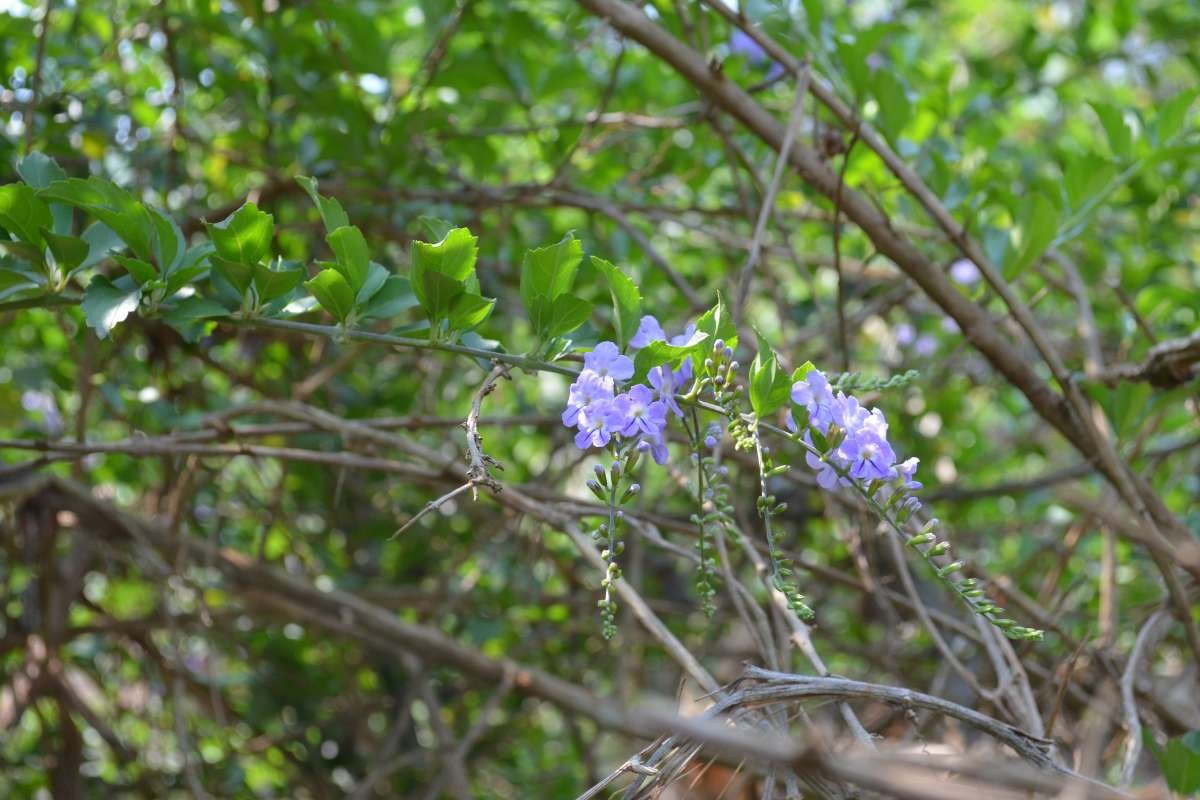
Scientific Name & Botanical Classification
- Family: Verbenaceae
- Genus & Species: Duranta erecta
- Classification: Shrub with drooping clusters of blue flowers and yellow berries.
Toxic Compounds & Mode of Poisoning
- Toxins: Saponins and triterpenes.
- Mode of Action: These compounds act as severe gastrointestinal irritants and can cause hemolysis (rupturing) of red blood cells if they enter the bloodstream.
Symptoms of Poisoning
- Acute: Fever, drowsiness, and stomach upset.
- Systemic: High doses can lead to seizures and, in children or pets, cardiovascular distress.
Commonly used as a hedge, its yellow berries can cause “hemolysis,” which is the literal bursting of red blood cells. This leads to a sudden drop in oxygen levels and potential organ damage.
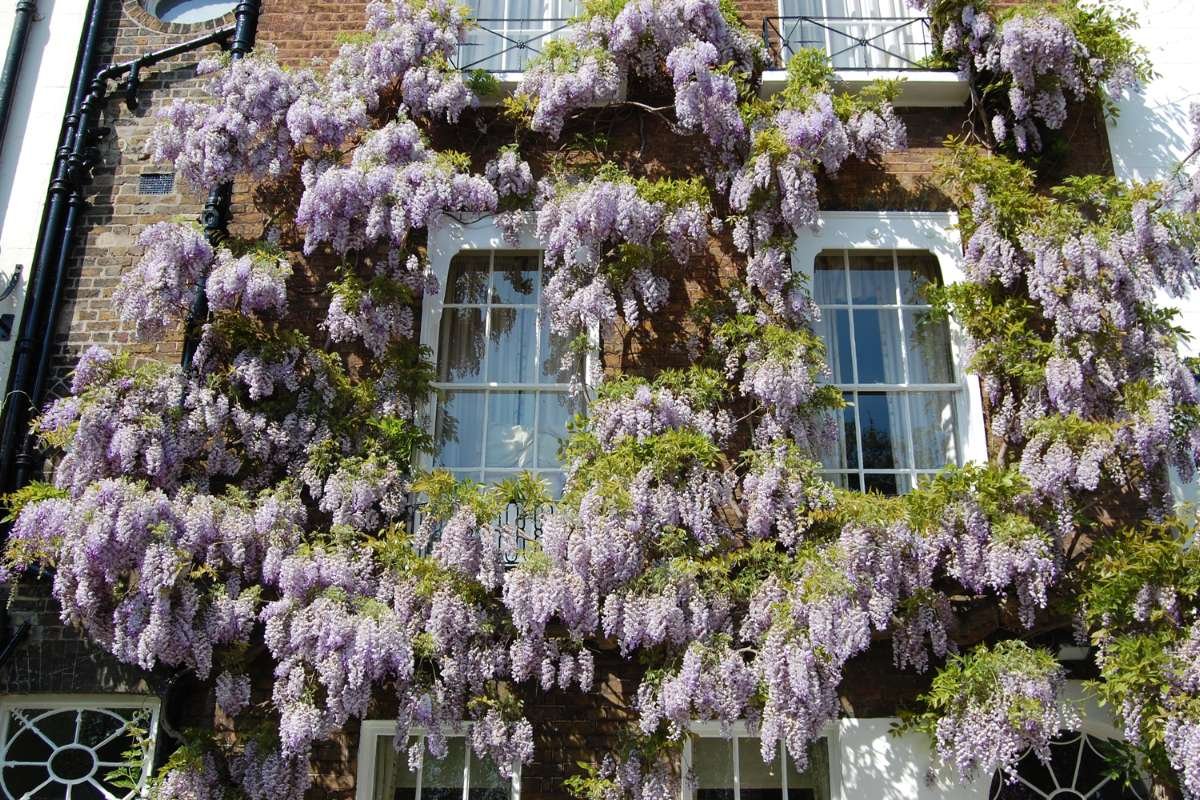
27. Wisteria sinensis – Wisteria
Scientific Name & Botanical Classification
- Family: Fabaceae
- Genus & Species: Wisteria sinensis
- Classification: Woody climbing vine with cascading violet-blue pea-like flowers.
Toxic Compounds & Mode of Poisoning
- Toxins: Wisterin (a glycoside) and a toxic resin.
- Mode of Action: Wisterin is a severe gastrointestinal toxin. It disrupts the cellular lining of the digestive tract and affects the nervous system.
Symptoms of Poisoning
- Acute: Burning sensation in the mouth, followed by violent projectile vomiting and collapse.
While beautiful in photos, every part of the vine is toxic. It causes “projectile vomiting” and severe dehydration. It is often ranked as the most poisonous flowers in the world due to how frequently it is planted near homes.
28. Anemone nemorosa – Wood Anemone
Scientific Name & Botanical Classification
- Family: Ranunculaceae
- Genus & Species: Anemone nemorosa
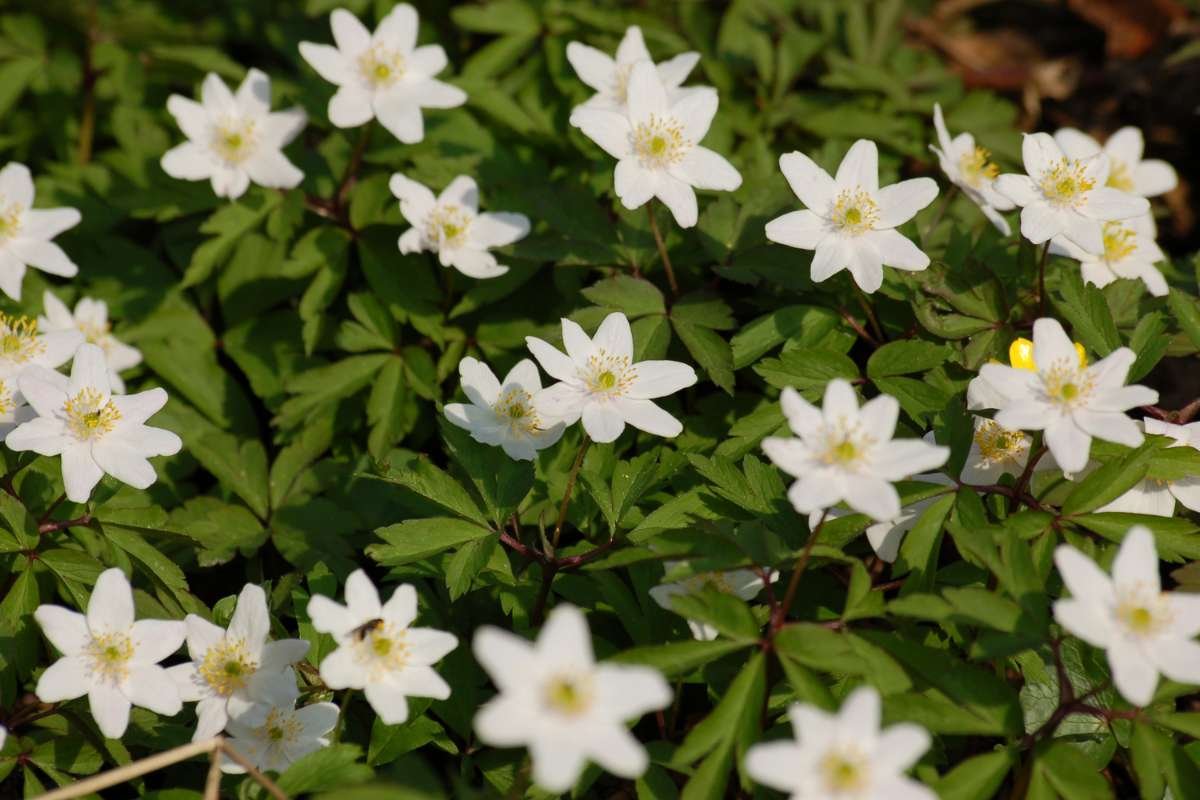
- Classification: Small woodland perennial with star-like white flowers.
Toxic Compounds & Mode of Poisoning
- Toxins: Protoanemonin.
- Mode of Action: When the plant is crushed or bitten, ranunculin is enzymatically converted to protoanemonin, an oily toxin that causes chemical burns on contact with skin or mucous membranes.
Symptoms of Poisoning
- Acute: Severe blistering of the mouth, throat, and digestive tract. If handled, it causes “anemone dermatitis.”
This plant carries a “chemical burn” toxin. If you crush the leaves or petals, they produce an oil that causes painful blisters on the skin or inside the mouth if chewed.
29. Iris spp. – Iris
Scientific Name & Botanical Classification
- Family: Iridaceae
- Genus: Iris
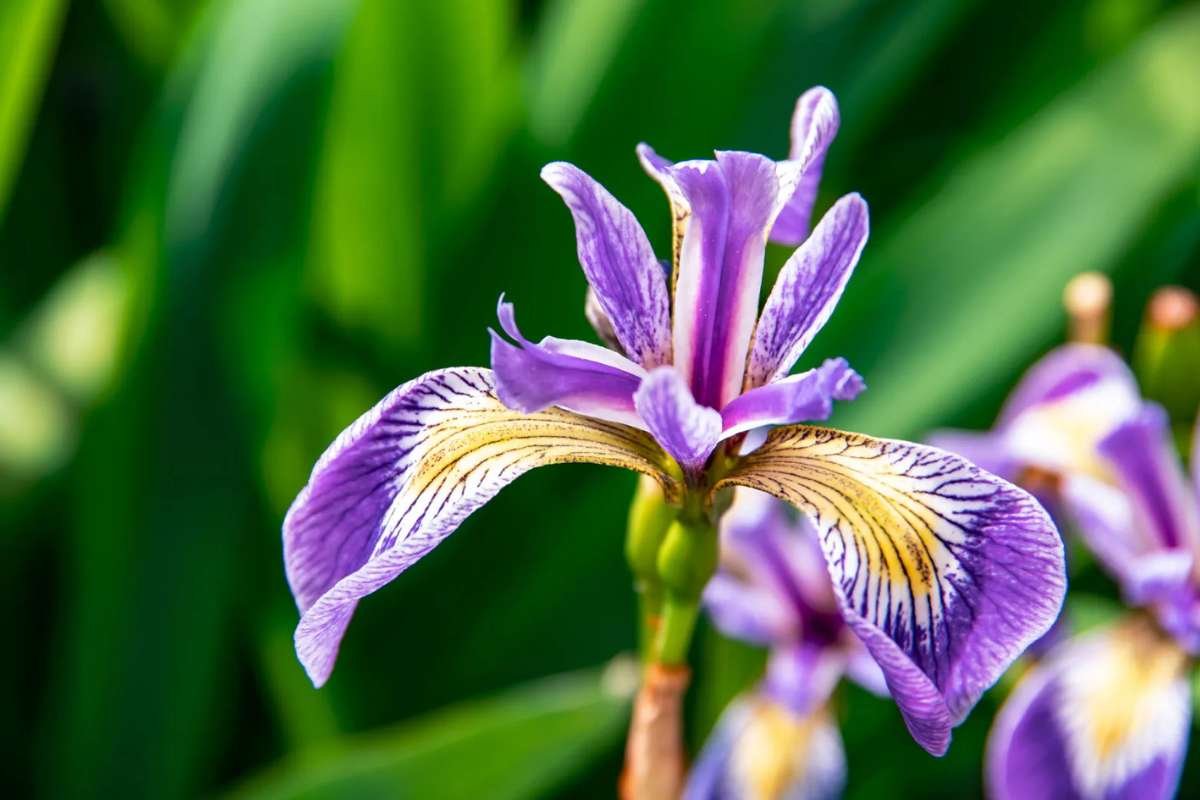
- Classification: Showy flowers with “standards” and “falls,” growing from rhizomes.
Toxic Compounds & Mode of Poisoning
- Toxins: Iridin (a glycoside).
- Mode of Action: Primarily a localized gastrointestinal irritant, but the rhizomes contain high enough concentrations to cause systemic distress in mammals.
Symptoms of Poisoning
- Acute: Skin irritation and severe gastrointestinal purging.
The “flags” of the Iris are beautiful, but the roots contain a concentrated irritant. It causes extreme skin rashes and, if eaten, triggers a violent “purging” of the digestive system.
30. Aquilegia – Columbine
Scientific Name & Botanical Classification
- Family: Ranunculaceae
- Genus: Aquilegia
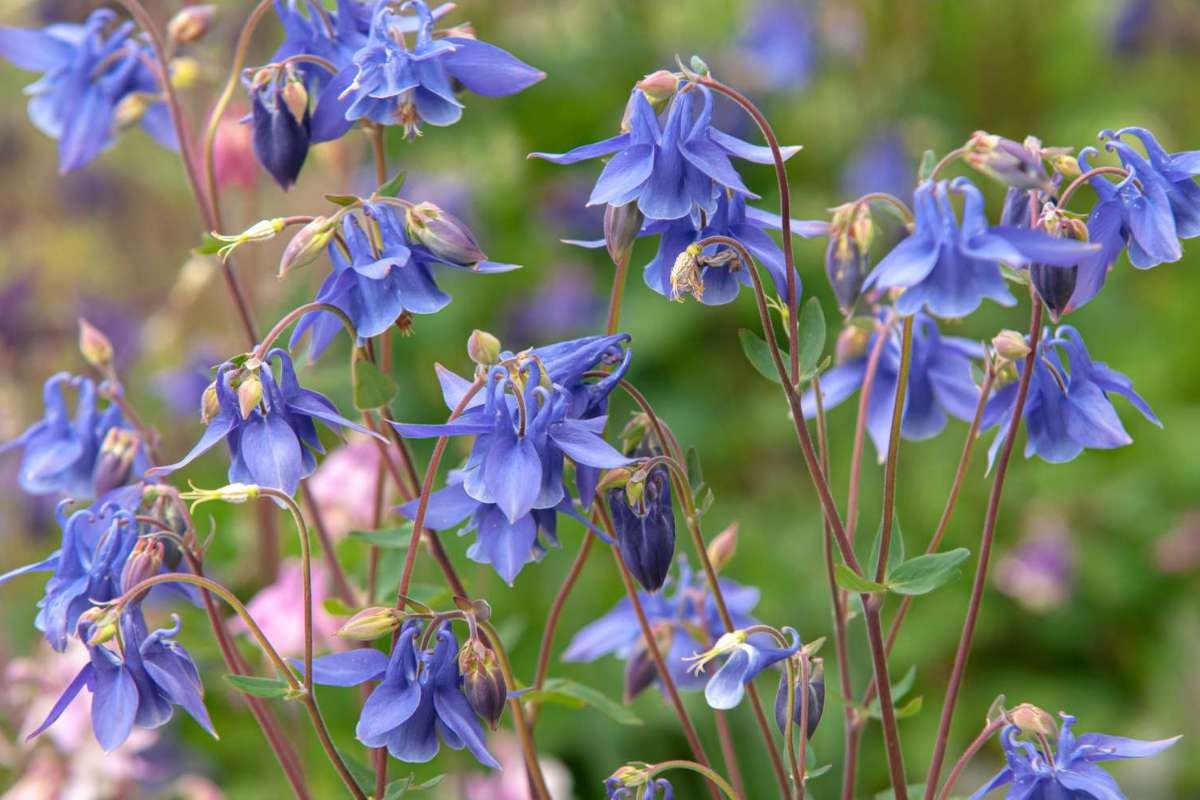
- Classification: Distinctive flowers with five spurs, popular in mountain regions.
Toxic Compounds & Mode of Poisoning
- Toxins: Cyanogenic glycosides and cardiogenic toxins.
- Mode of Action: Similar to the Hydrangea, it can release hydrogen cyanide, but it also contains alkaloids that impact heart rhythm.
Symptoms of Poisoning
- Acute: Heart palpitations and severe gastroenteritis.
Like the Hydrangea, the Columbine can release cyanide when digested. It also contains heart-stopping chemicals that make it a hidden danger in mountainous hiking areas.
31. Lamprocapnos spectabilis – Bleeding Heart
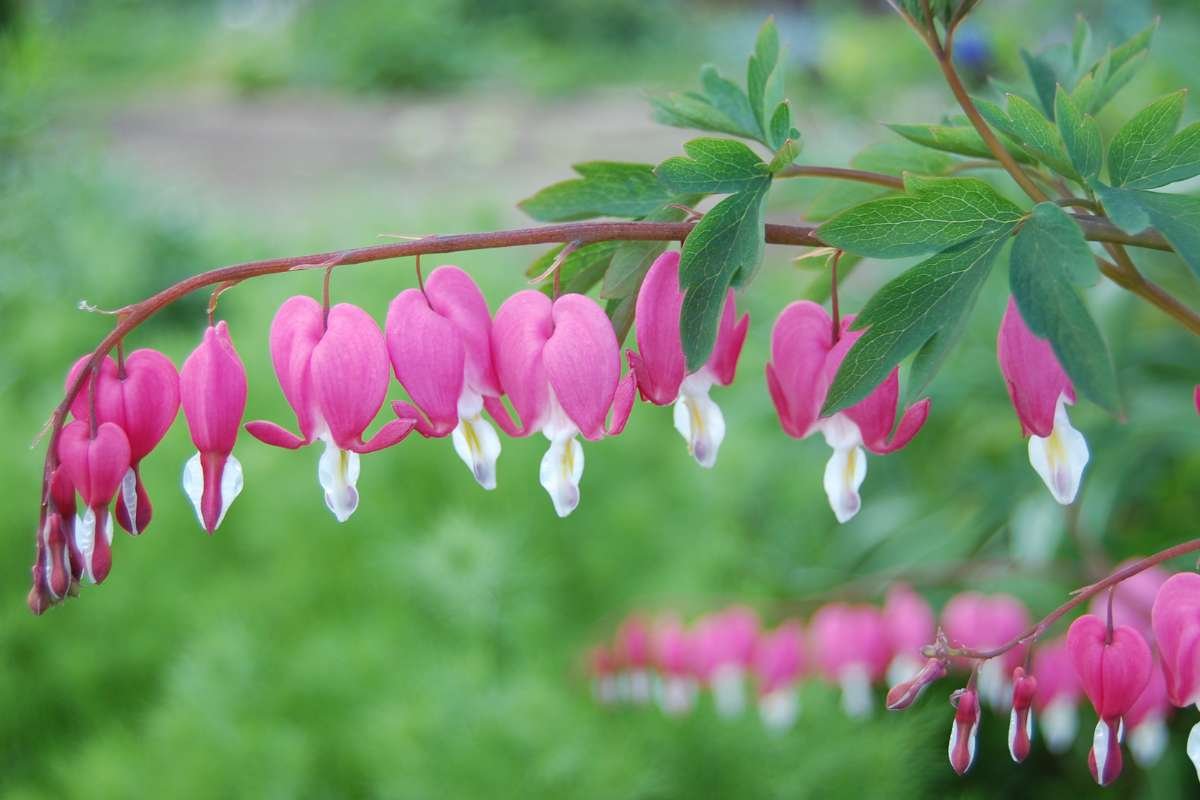
Scientific Name & Botanical Classification
- Family: Papaveraceae
- Genus & Species: Lamprocapnos spectabilis
- Classification: Heart-shaped pink and white flowers hanging from arching stems.
Toxic Compounds & Mode of Poisoning
- Toxins: Isoquinoline alkaloids (protopine).
- Mode of Action: These alkaloids act on the central nervous system and can cause liver damage over time.
Symptoms of Poisoning
- Acute: Skin irritation and, if ingested, tremors and staggering.
The name is fitting; the alkaloids in this plant can cause liver damage and seizures if consumed. In some cases, just touching the foliage causes a painful skin reaction in sensitive individuals.
32. Ornithogalum umbellatum – Star-of-Bethlehem
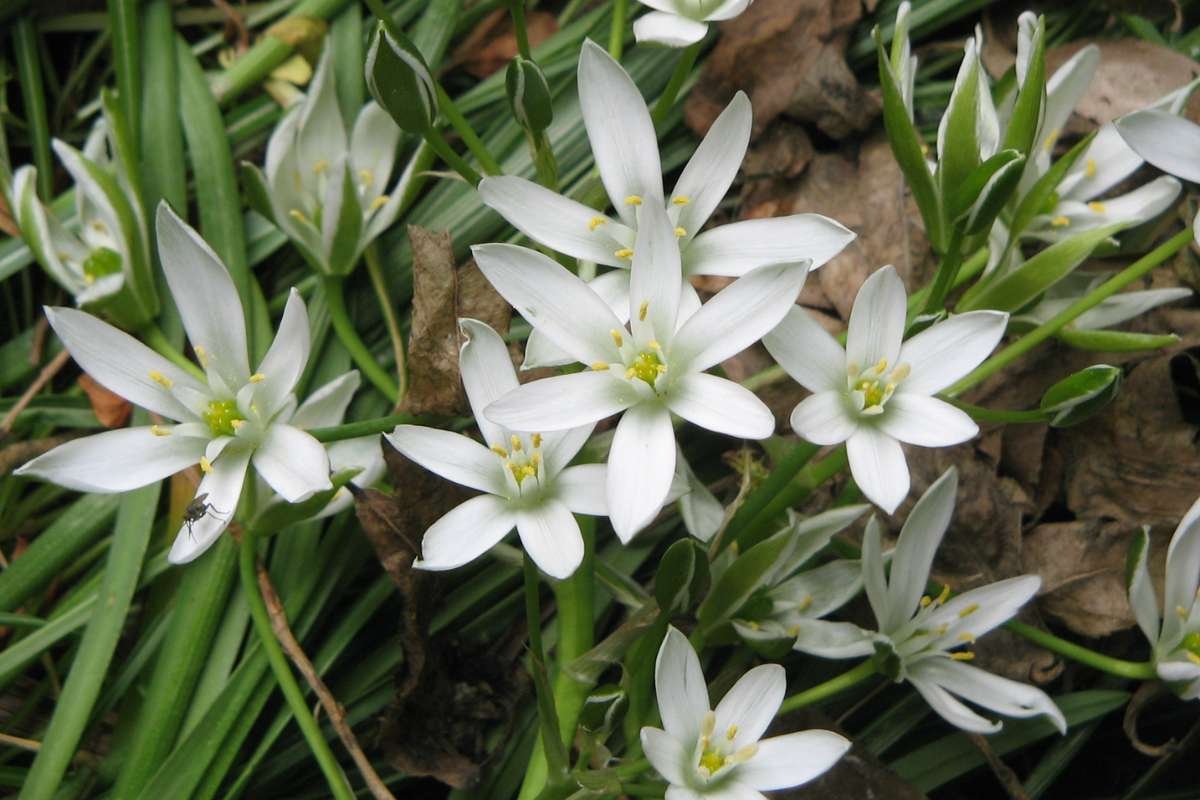
Scientific Name & Botanical Classification
- Family: Asparagaceae
- Genus & Species: Ornithogalum umbellatum
- Classification: Small bulbous plant with white star-shaped flowers.
Toxic Compounds & Mode of Poisoning
- Toxins: Cardiac glycosides (convallatoxin and rhodexin A).
- Mode of Action: Virtually identical to Lily of the Valley, targeting the Na+/K+ -ATPase pump.
Symptoms of Poisoning
- Acute: Nausea and dangerous heart rhythm disturbances.
This plant is a “cousin” to the Lily of the Valley in terms of toxicity. It uses the same cardiac glycosides to confuse the heart’s electrical rhythm, making it a very dangerous garden invasive.
33. Hippomane mancinella – Manchineel
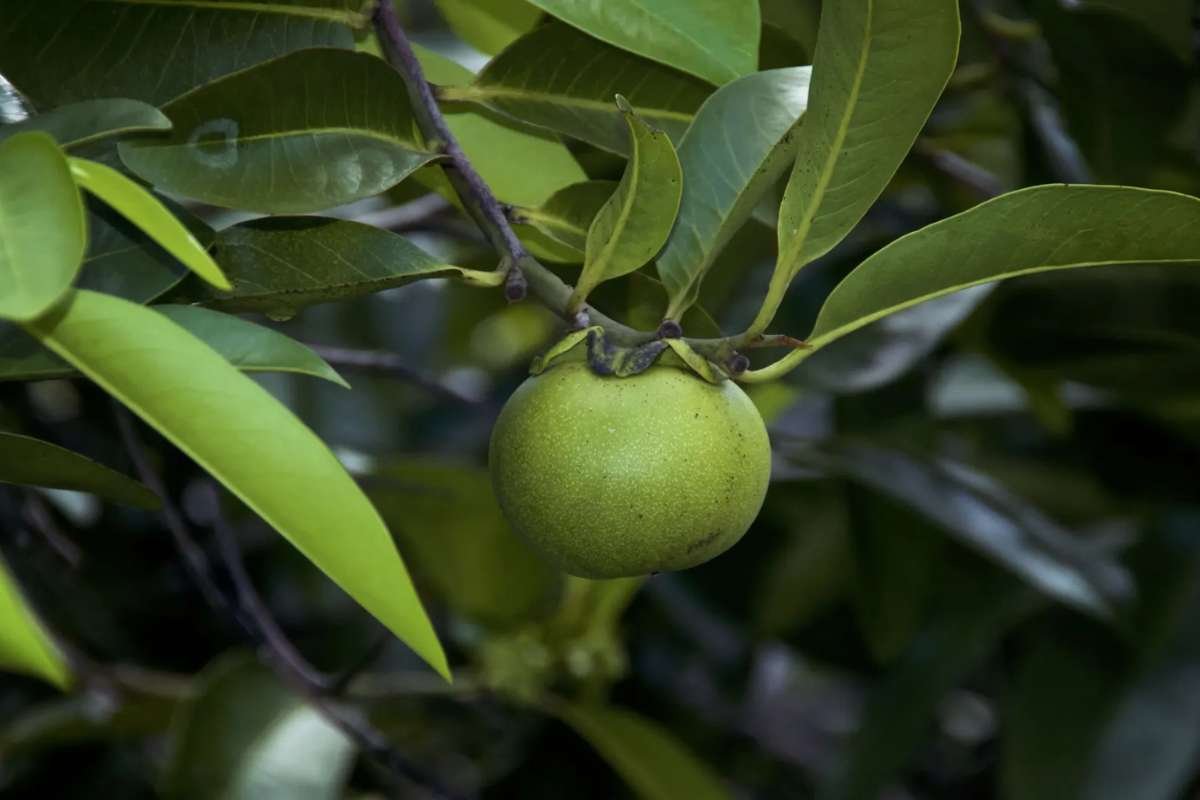
Scientific Name & Botanical Classification
- Family: Euphorbiaceae
- Genus & Species: Hippomane mancinella
- Classification: A coastal tree with small greenish-yellow flowers. Known as the “Beach Apple.”
Toxic Compounds & Mode of Poisoning
- Toxins: Phorbol esters.
- Mode of Action: These are extremely potent skin irritants that activate protein kinase C, causing massive inflammation and tissue destruction.
Symptoms of Poisoning
- Acute: Blindness if sap enters the eyes; severe blistering if standing under the tree during rain. Ingestion causes edema of the airway.
Known as the “Little Apple of Death,” this is arguably the most poisonous flowers in the world in terms of overall danger. Standing under it during rain can cause skin blisters, and eating the fruit causes the throat to swell shut.
34. Amorphophallus titanum – Titan Arum
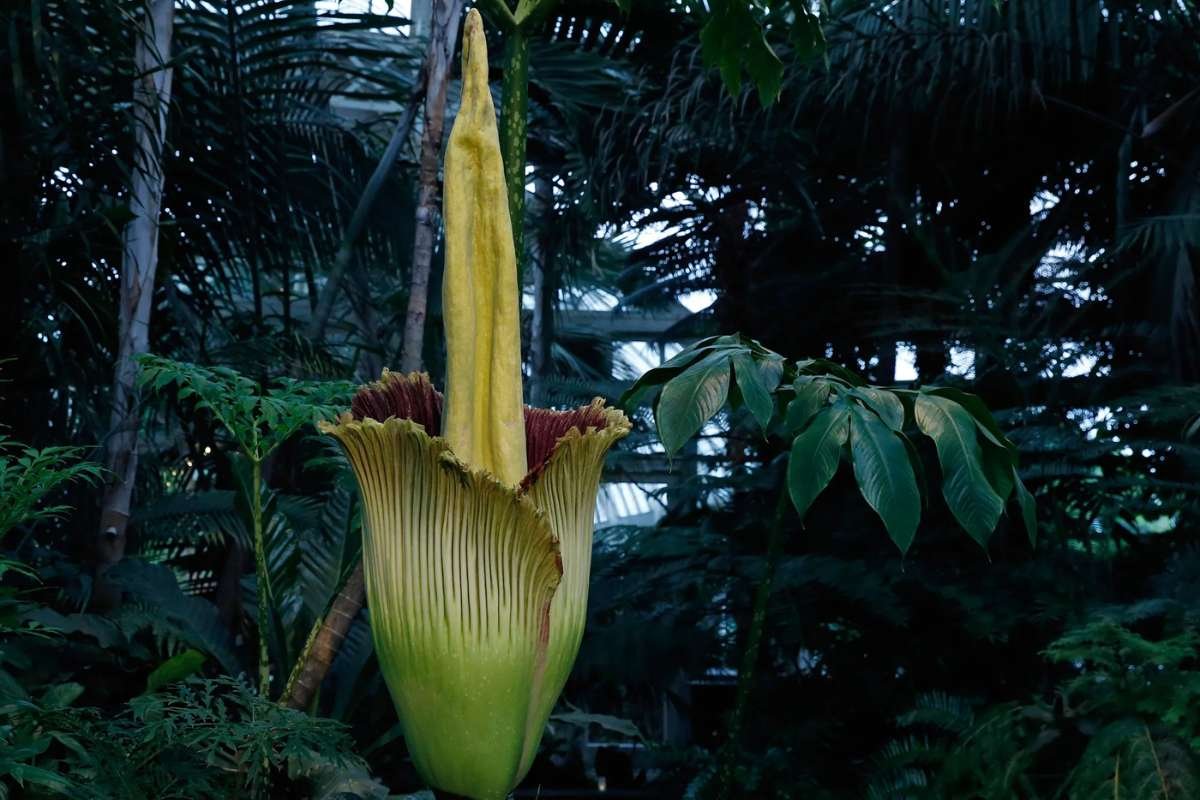
Scientific Name & Botanical Classification
- Family: Araceae
- Genus & Species: Amorphophallus titanum
- Classification: The world’s largest unbranched inflorescence; known as the “Corpse Flower.”
Toxic Compounds & Mode of Poisoning
- Toxins: Calcium oxalate raphides.
- Mode of Action: Mechanical injury. The sharp crystals pierce the throat, causing massive swelling and potential suffocation.
Symptoms of Poisoning
- Acute: Intense burning and inability to swallow or speak.
While famous for its “corpse” smell, the plant is packed with needle-like crystals. These crystals pierce the tissue of the mouth and throat, causing them to swell so much that the victim can no longer breathe.
35. Adonis vernalis – Pheasant’s Eye
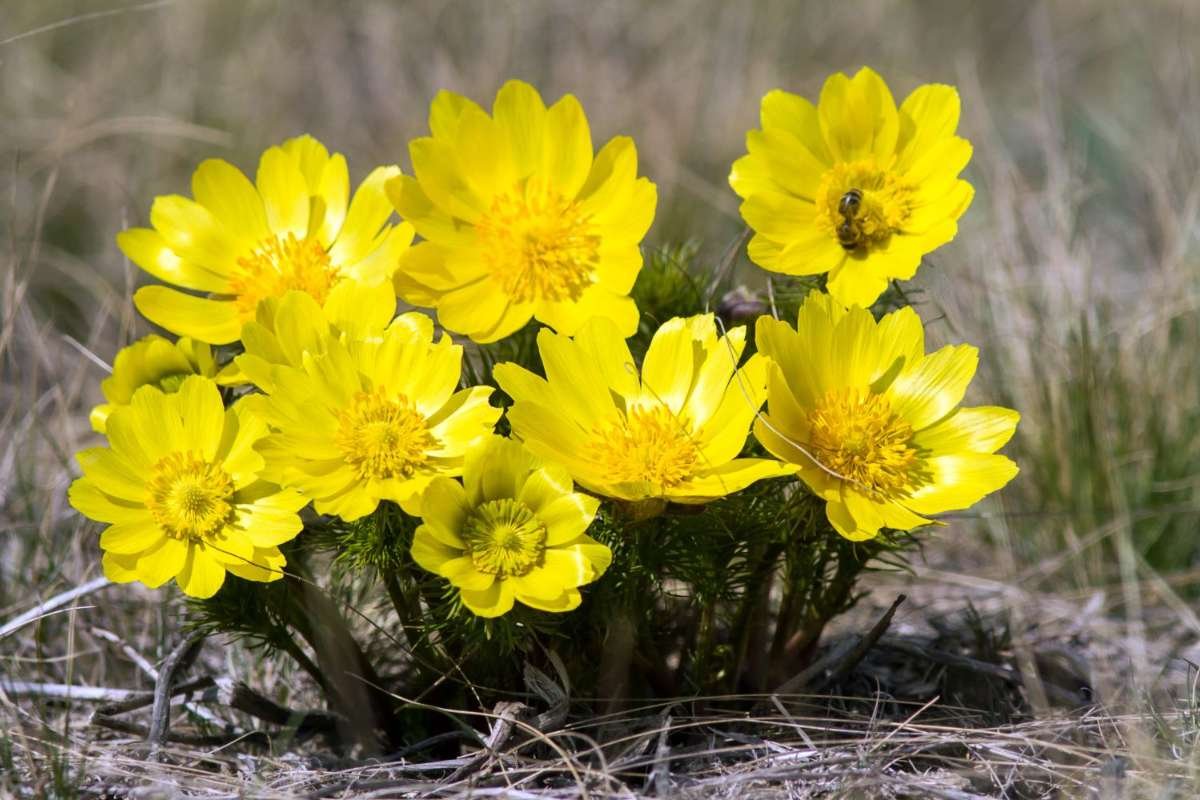
Scientific Name & Botanical Classification
- Family: Ranunculaceae
- Genus & Species: Adonis vernalis
- Classification: Yellow-flowered perennial used historically in medicine.
Toxic Compounds & Mode of Poisoning
- Toxins: Adonitoxin (cardiac glycoside).
- Mode of Action: Increases the excitability of the heart muscle, often leading to tachycardia and eventually arrest.
Symptoms of Poisoning
- Acute: Shortness of breath and rapid, irregular pulse.
This flower is a potent stimulant. It contains adonitoxin, which makes the heart beat faster and faster (tachycardia) until it eventually wears out and stops, completing our list of the most poisonous flowers in the world candidates.
Read Next: 12 Rarest Orchids in the World That Look Too Unreal to Be Natural
Conclusion
The beauty of nature often has a lethal edge. Understanding the Most Poisonous Flowers in the World requires awareness rather than fear, as this guide shows. These plants serve as a reminder that danger can lurk all around us, from Oleander’s heart-stopping glycosides to lesser-known garden dangers. The best remedy is knowledge. We can appreciate the beauty of nature without becoming victims of its deadliest creations by identifying toxic flowers, acknowledging their power, and exercising caution in gardens and natural areas.
FAQ:
1. Can touching the most poisonous flowers in the world kill you?
Touching Oleander usually causes skin irritation, but plants like Monkshood (Aconitum) can absorb toxins through the skin. In rare cases, prolonged or unprotected contact may lead to systemic poisoning and heart failure.
2. Which poisonous flowers are commonly found in home gardens?
Several deadly flowers are popular ornamentals, including Oleander, Foxglove, Lily of the Valley, Hydrangea, Wisteria, and Daffodils. Their beauty often masks their toxicity, increasing the risk to children and pets.
3. Which poisonous flower is the most dangerous to children?
Deadly Nightshade (Atropa belladonna) and Doll’s Eyes (Actaea pachypoda) are extremely dangerous to children because their berries look edible. Even a few berries can be fatal due to rapid nervous system toxicity.