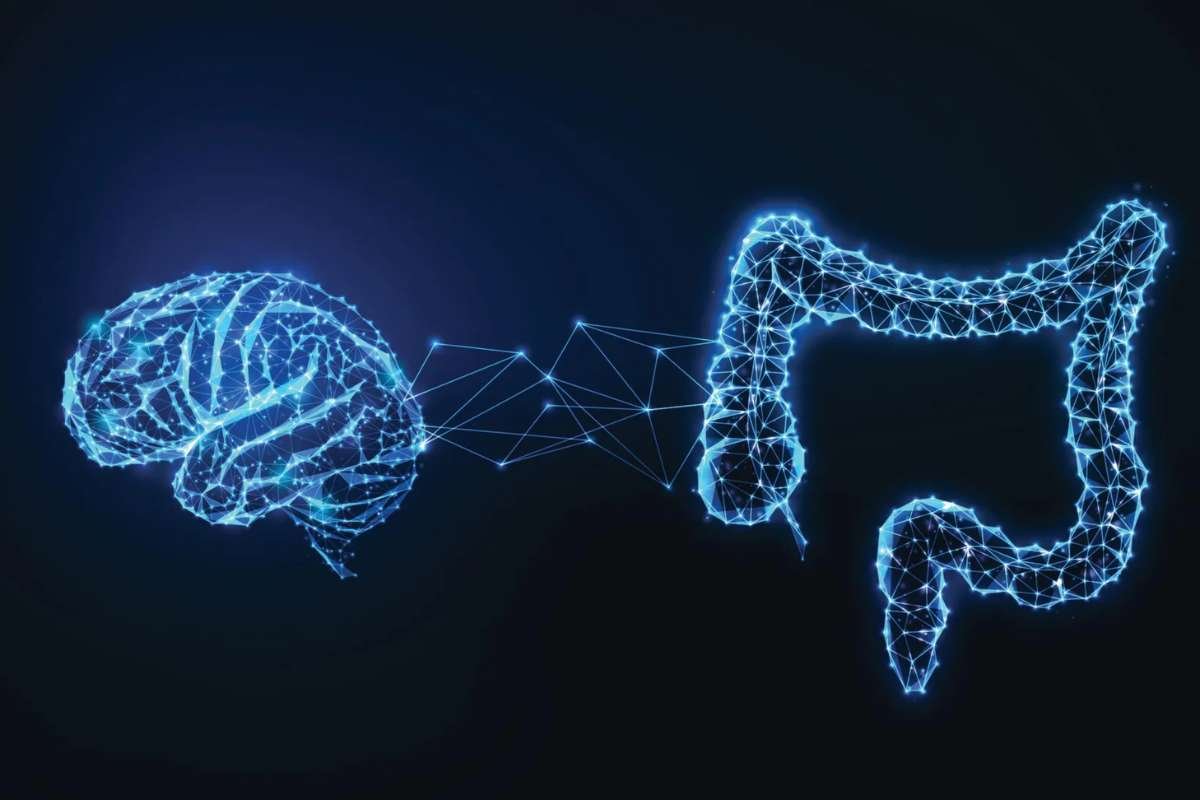
A review of 15 studies across 10 countries finds that probiotics, dietary changes, and other gut-focused interventions, part of Microbiota Modulation, may help slow cognitive decline in adults over 45 by reducing inflammation and improving brain signaling.
The review, published in the journal Nutrition Research, examines whether modifying the gut microbiome can support brain health as people age. Researchers analyzed data from more than 4,200 participants and found consistent, though preliminary, evidence of cognitive benefits.
Authors conclude that “microbiota modulation is a promising therapeutic target” that could complement existing drug and lifestyle approaches to maintaining brain health.
Review Links Gut Health Interventions to Brain Function Gains
Scientists increasingly focus on the gut-brain axis, a communication network linking the digestive system and the brain. This connection operates through pathways such as the vagus nerve and microbial metabolites that travel in the bloodstream.
The review finds that interventions targeting gut bacteria, including probiotics, prebiotics, dietary changes, and fecal microbiota transplants, may improve cognitive functions such as memory and verbal fluency.
Researchers suggest these benefits may stem from reduced brain inflammation, improved neurotransmitter activity, and increased production of short-chain fatty acids, compounds linked to brain health.
A few decades ago, such claims would have been considered fringe. Today, the role of gut microbes in overall health is widely accepted, though many mechanisms remain unclear.
Diet, Probiotics Show Potential but Evidence Remains Limited
Dietary interventions appear to offer the most accessible benefits. The review highlights approaches such as the Mediterranean diet, ketogenic diet, and supplements like omega-3 fatty acids and B vitamins.
These strategies may help reshape the gut microbiome, stabilize brain signaling, and reduce inflammation, a key factor in cognitive decline.
Probiotics and synbiotics also show potential, particularly in improving executive function and working memory. However, evidence for commercially available probiotic products remains weak.
“Outside of specific cases, probiotics have not demonstrated strong success at treating health conditions,” the authors note, citing variability in individual microbiomes as a key challenge.
Fecal microbiota transplants, or FMT, show early promise but remain experimental. One study involving Alzheimer’s patients reported improved cognitive performance, though researchers describe the findings as “preliminary but striking.”
Experts Urge More Research, Microbiota Modulation Emphasize Fiber-Rich Diets
Experts caution that the field is still in its early stages, with many studies being small and short-term. Larger, long-term trials are needed to confirm findings and identify effective interventions.
Federica Amati, a public health nutritionist at Imperial College London who was not involved in the review, emphasizes the importance of diet in supporting gut health.
“Without fiber, our gut bacteria have nothing to eat,” Amati said, noting that most people in Western diets consume insufficient fiber.
She recommends eating a wide variety of plant-based foods to support diverse gut microbes. “Consuming a range of plants ensures they all get supported,” she said.
Amati also advises limiting ultra-processed foods, which can harm beneficial bacteria, and incorporating fermented foods like kimchi and sauerkraut, which naturally contain probiotics.
While the findings offer hope for new ways to support brain health, researchers stress that practical applications remain limited. For now, dietary changes represent the most reliable strategy for promoting a healthy gut and potentially protecting cognitive function. through Microbiota Modulation.