With its abundance of high-quality protein, omega-3 fatty acids, vitamins, and minerals, fish is frequently hailed as a nutritional powerhouse. However, consumers, medical professionals, and legislators all have serious concerns about the mercury content of fish, due to growing awareness of this issue. People can enjoy the health benefits of seafood without needless risks by knowing how mercury enters fish, which species are most affected, and how to make safer choices.
Understanding Mercury in the Marine Food Chain
Mercury is a naturally occurring element found in air, water, and soil. It enters oceans and freshwater systems through volcanic activity, industrial pollution, coal combustion, and mining runoff. Once mercury reaches water bodies, microorganisms convert it into methylmercury, a highly toxic form that easily accumulates in living organisms.
Small aquatic organisms absorb methylmercury from water and sediments. When small fish eat these organisms, mercury builds up in their tissues. Larger predatory fish then consume many smaller fish, leading to even higher concentrations. This process, known as biomagnification, explains why the Mercury Content of Fish varies widely depending on species, size, age, and position in the food chain.
Why Mercury Exposure Is a Health Concern
Mercury is a potent neurotoxin. In humans, excessive exposure can affect the nervous system, brain development, and cognitive function. Pregnant women, nursing mothers, and young children are particularly vulnerable because methylmercury can cross the placenta and impact fetal brain development.
Long-term mercury exposure has been linked to memory problems, reduced attention span, impaired motor skills, and cardiovascular issues in adults. This is why public health agencies across the world issue seafood consumption advisories and monitor the Mercury Content of Fish sold in markets.
Fish With High and Low Mercury Levels
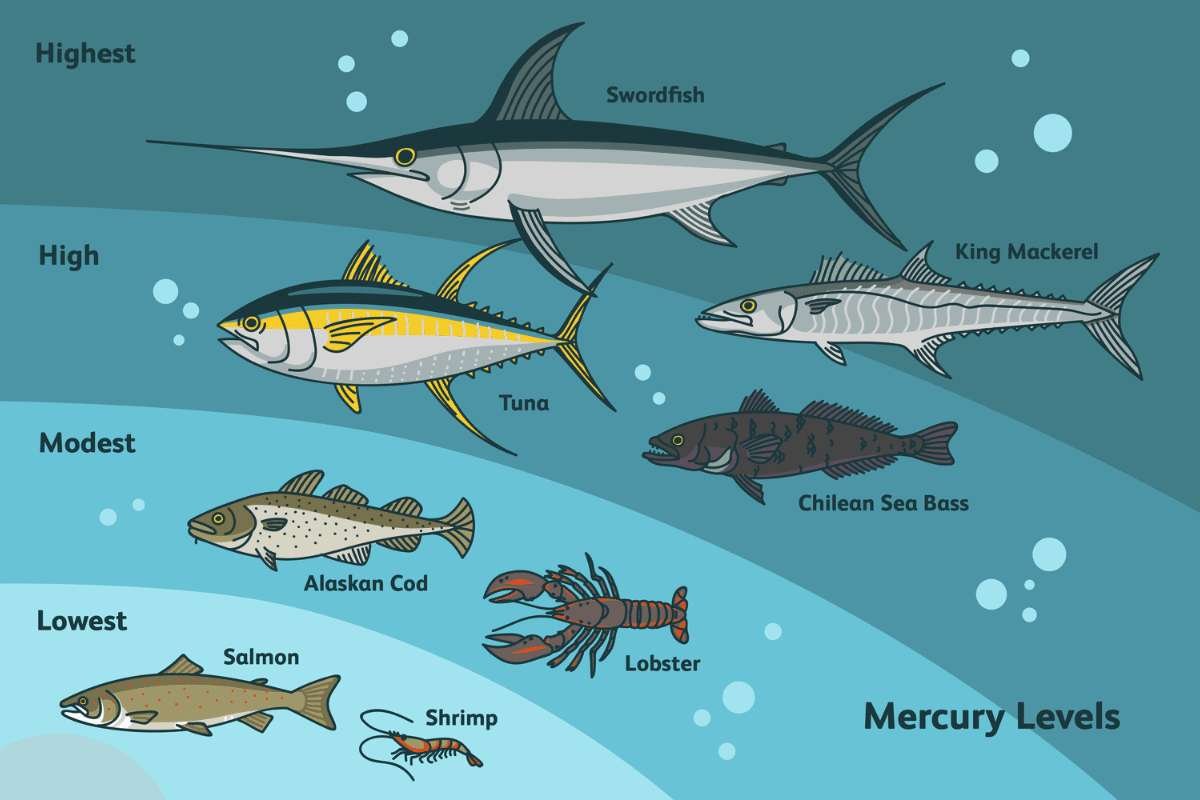
Not all fish are created equal when it comes to mercury. Understanding which species typically contain higher or lower levels allows consumers to make informed dietary decisions.
Fish are typically high in Mercury.
Large, long-lived predatory fish tend to have the highest mercury concentrations. These include:
- Shark
- Swordfish
- King mackerel
- Tilefish
- Bigeye tuna
Because these species sit at the top of the marine food chain, they accumulate mercury over many years.
Fish are typically low in Mercury.
Smaller, fast-growing fish usually contain much lower mercury levels and are considered safer for frequent consumption:
- Salmon
- Sardines
- Anchovies
- Herring
- Trout
- Pollock
Choosing these options helps reduce exposure while still delivering essential nutrients.
How Cooking and Preparation Affect Mercury
A common misconception is that cooking fish can eliminate mercury. Unfortunately, mercury is stored within the muscle tissue of fish and is not destroyed by heat. Frying, grilling, baking, or boiling does not significantly reduce mercury levels. This makes species selection and portion control far more important than cooking method when managing the Mercury Content of Fish in your diet.
However, trimming fatty skin and avoiding fish organs can slightly reduce exposure to other contaminants, though mercury itself remains largely unaffected.
Safe Consumption Guidelines for Different Groups

Health organizations such as the World Health Organization (WHO) and the U.S. Food and Drug Administration (FDA) provide seafood guidelines based on mercury levels.
- Pregnant and breastfeeding women: Should avoid high-mercury fish entirely and limit consumption to 2–3 servings per week of low-mercury options.
- Children: Should consume smaller portions of low-mercury fish appropriate for their age and body weight.
- Healthy adults: Can safely eat a variety of fish, balancing occasional moderate-mercury species with low-mercury choices.
Following these guidelines ensures nutritional benefits without exceeding recommended mercury intake thresholds.
Environmental and Sustainability Factors
Environmental pollution plays a significant role in mercury contamination. Regions near industrial zones, coal-fired power plants, and mining operations often show higher mercury levels in local fish populations. Climate change may also influence mercury cycling by altering ocean temperatures and microbial activity.
Sustainable fishing practices and stricter environmental regulations are critical to reducing mercury pollution over time. Supporting responsibly sourced seafood not only protects marine ecosystems but may also help limit future increases in the Mercury Content of Fish.
Balancing Nutrition and Risk

Fish remains one of the healthiest protein sources available. Omega-3 fatty acids found in seafood support heart health, reduce inflammation, and contribute to brain function. Completely avoiding fish due to mercury concerns can deprive individuals of these benefits.
The key lies in balance, diversifying seafood choices, prioritizing low-mercury species, and staying informed about consumption advisories. By doing so, consumers can enjoy fish as part of a nutritious diet while minimizing the potential risks of mercury exposure.
Conclusion
Customers can make more intelligent and healthful food choices when they are aware of the mercury content of fish. Although there is cause for concern regarding mercury contamination, fish should not be excluded from the diet. Fish can continue to be an important part of the world’s diet with careful species selection, portion control, and educated choices. Knowing the origins of mercury and how it builds up guarantees that seafood will continue to be a sustainable and safe food option for future generations.