“Quick results often come from simple changes, but lasting results come from sustainable ones.”
The weight loss industry is booming, and quick-fix solutions are more popular than ever. Among them, liquid diets have gained serious attention for their simplicity and fast results. From protein shakes and meal replacements to juice cleanses, these diets promise noticeable weight loss in a short time, and in many cases, they deliver. Studies suggest that people on very low-calorie liquid diets can lose around 1–2 kg per week in the early stages, which explains their growing appeal.
What makes liquid diets so attractive is how easy they are to follow. Instead of planning and preparing full meals, you’re replacing them with portion-controlled liquids that naturally reduce your daily calorie intake. This creates a calorie deficit without much effort, making it a go-to option for those looking to kickstart their weight loss journey or see quick changes on the scale.
But while the initial results can feel motivating, the bigger question is whether they actually last. Can a diet that removes solid food be sustainable? And what happens when you go back to regular eating?
In this blog, we take a practical and balanced look at liquid diets for weight loss, how they work, the different types available, their benefits, potential downsides, and whether they’re truly worth considering.
What Are Liquid Diets for Weight Loss?
Shakes, smoothies, juices, and soups are examples of liquids that can be substituted for some or all solid foods in fluid diets for weight loss. The idea is simple: cut calories in a controlled way without the complexity of planning full meals.
Instead of focusing on what to eat, these diets focus on how much you consume, making it easier to stay in a calorie deficit, which is the key to losing weight.
In simple terms, liquid diets include:
- Meal replacement shakes (high-protein, low-calorie)
- Smoothies (fruits, vegetables, protein blends)
- Fresh juices (often used in detox plans)
- Soups and broths (light but filling options)
| Partial liquid diet | Replace 1–2 meals, keep one solid meal |
| Full liquid diet | Replace all meals with liquids for a short period |
What makes them appealing is their simplicity and structure, no complicated recipes, no portion guessing. But since liquids digest faster than solid food, they may not keep you full for long, which can be a challenge for some.
In short, liquid diets for weight loss offer a straightforward, low-effort way to reduce calories but how you follow them determines how effective (and sustainable) they really are.
Types of Liquid Diets
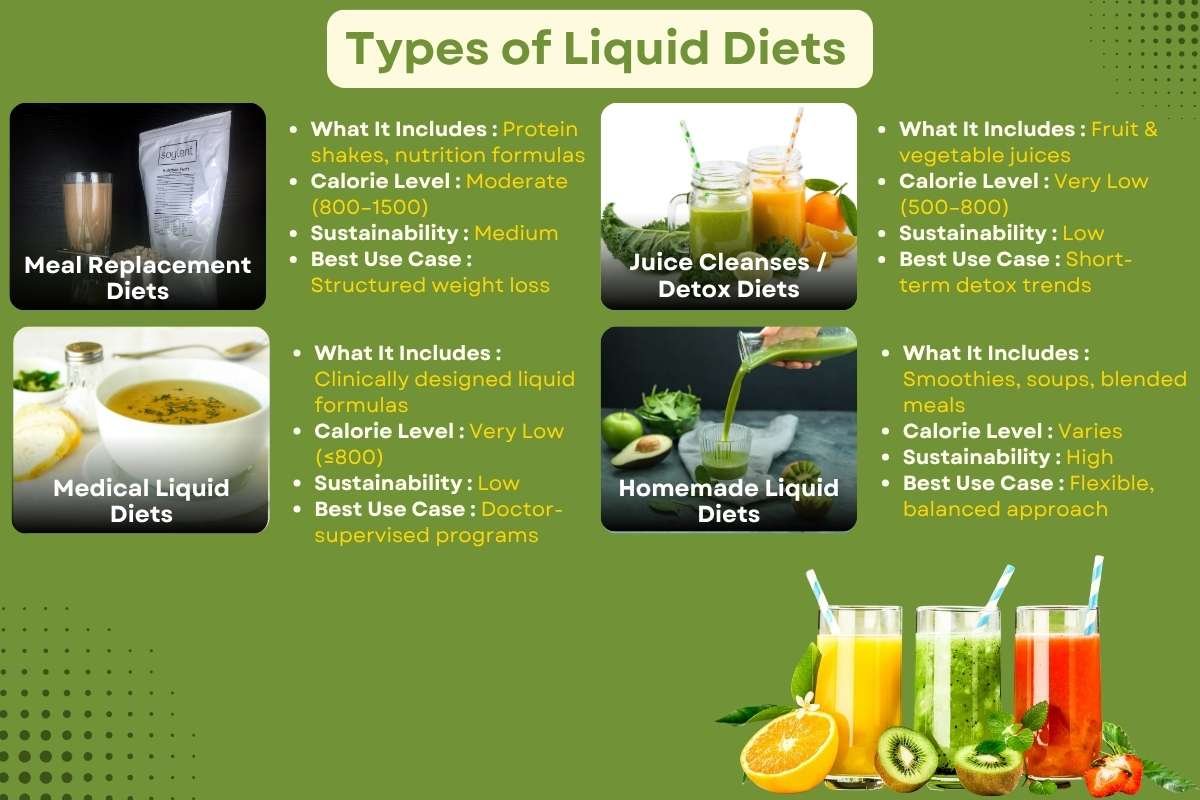
Not all liquid diets are the same. While the goal is similar to reducing calorie intake the approach can vary widely depending on the type you choose.
1. Meal Replacement Diets
| What It Includes | Protein shakes, nutrition formulas |
| Calorie Level | Moderate (800–1500) |
| Sustainability | Medium |
| Best Use Case | Structured weight loss |
These are the most structured and commonly used liquid diets.
- Include protein shakes or ready-made formulas
- Designed to provide balanced nutrition
- Often replace 1–2 meals a day
2. Juice Cleanses / Detox Diets
| What It Includes | Fruit & vegetable juices |
| Calorie Level | Very Low (500–800) |
| Sustainability | Low |
| Best Use Case | Short-term detox trends |
These focus on consuming only fruit and vegetable juices for a few days.
- Very low in calories and protein
- Often marketed as “detox” solutions
- Lead to quick but mostly temporary weight loss
3. Medical Liquid Diets
| What It Includes | Clinically designed liquid formulas |
| Calorie Level | Very Low (≤800) |
| Sustainability | Low |
| Best Use Case | Doctor-supervised programs |
These are prescribed under medical supervision.
- Used for obesity treatment or before surgeries
- Nutritionally complete but very low in calories (often 800 kcal/day or less)
- Closely monitored for safety
4. Homemade Liquid Diets
| What It Includes | Smoothies, soups, blended meals |
| Calorie Level | Varies |
| Sustainability | High |
| Best Use Case | Flexible, balanced approach |
These include DIY options like smoothies, blended meals, and soups.
- Flexible and customizable
- Can be nutrient-rich if planned well
- Quality depends on ingredients used
How Liquid Diets Work for Weight Loss?
Liquid diets for weight loss work on a simple principle: calorie deficit. By reducing calorie intake in a controlled way, these diets make it easier for the body to burn more than it consumes, promoting effective weight loss. We can keep a check on our calories with the help of a calorie calculator:
1. Significant Calorie Reduction
Liquid diets sharply limit daily calorie intake.
- Typically, provide 500–1,500 calories per day
- Very low-calorie diets fall below 800 kcal/day
- Creates a strong and consistent calorie deficit
2. Proven Short-Term Results
Research supports their effectiveness in the short term.
- Studies show 11 kg average weight loss in one year
- Structured programs report 19–26 kg total loss
- Results are due to lower calorie intake, not liquid form
3. Faster Initial Weight Drop
Early results are often quick and noticeable.
- Includes water loss from glycogen depletion
- Glycogen binds 3–4× its weight in water
- Average loss: 0.5–1 kg per week
What Does This Mean in Practice?
Liquid diets work not because they’re “special,” but because they make calorie control simple, measurable, and strict. That’s why they often deliver fast, noticeable results in the short term.
However, the same factors that make them effective low calories and strict structure also raise questions about long-term sustainability, which is where things get more complex.
Benefits of Liquid Diets for Weight Loss
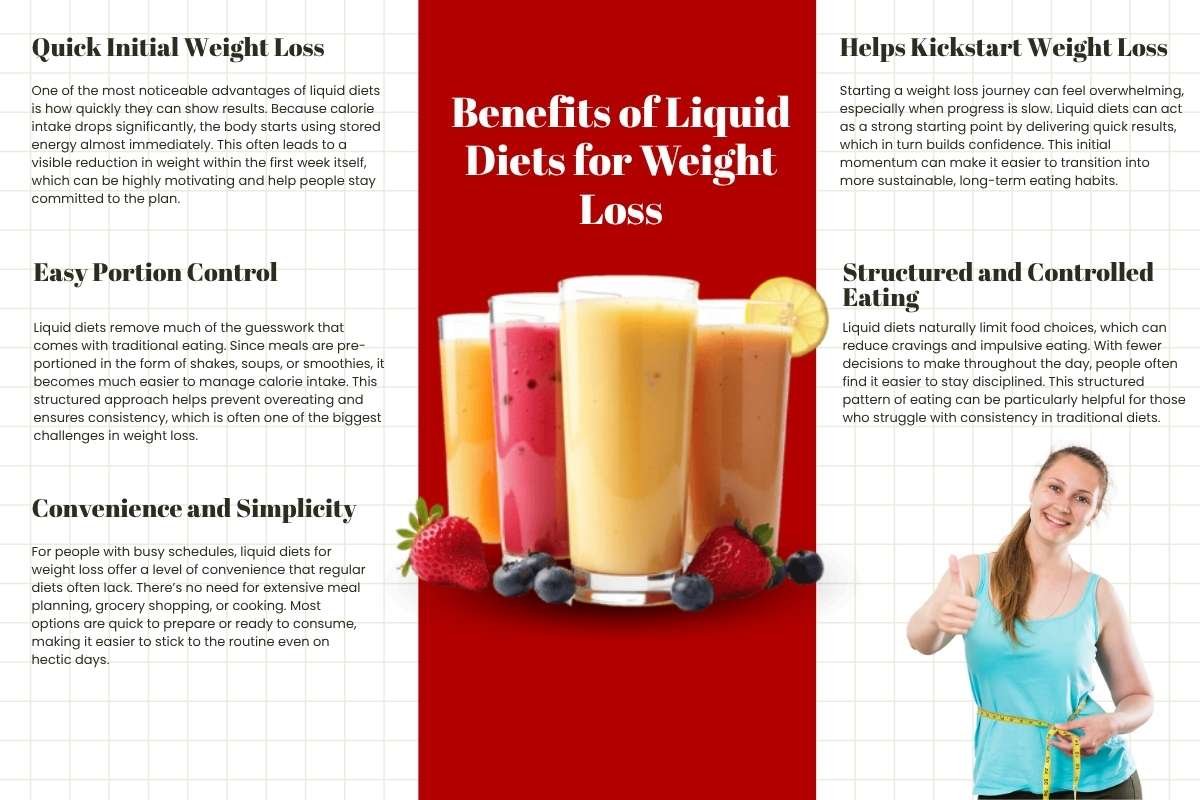
Liquid diets have become popular largely because they make weight loss feel more achievable, especially in the early stages. Here are five key benefits explained in a practical and realistic way:
1. Quick Initial Weight Loss
One of the most noticeable advantages of liquid diets is how quickly they can show results. Because calorie intake drops significantly, the body starts using stored energy almost immediately. This often leads to a visible reduction in weight within the first week itself, which can be highly motivating and help people stay committed to the plan.
2. Easy Portion Control
Liquid diets remove much of the guesswork that comes with traditional eating. Since meals are pre-portioned in the form of shakes, soups, or smoothies, it becomes much easier to manage calorie intake. This structured approach helps prevent overeating and ensures consistency, which is often one of the biggest challenges in weight loss.
3. Convenience and Simplicity
For people with busy schedules, liquid diets for weight loss offer a level of convenience that regular diets often lack. There’s no need for extensive meal planning, grocery shopping, or cooking. Most options are quick to prepare or ready to consume, making it easier to stick to the routine even on hectic days.
4. Helps Kickstart Weight Loss
Starting a weight loss journey can feel overwhelming, especially when progress is slow. Liquid diets can act as a strong starting point by delivering quick results, which in turn builds confidence. This initial momentum can make it easier to transition into more sustainable, long-term eating habits.
5. Structured and Controlled Eating
Liquid diets naturally limit food choices, which can reduce cravings and impulsive eating. With fewer decisions to make throughout the day, people often find it easier to stay disciplined. This structured pattern of eating can be particularly helpful for those who struggle with consistency in traditional diets.
Risks and Side Effects of Liquid Diets for Weight Loss
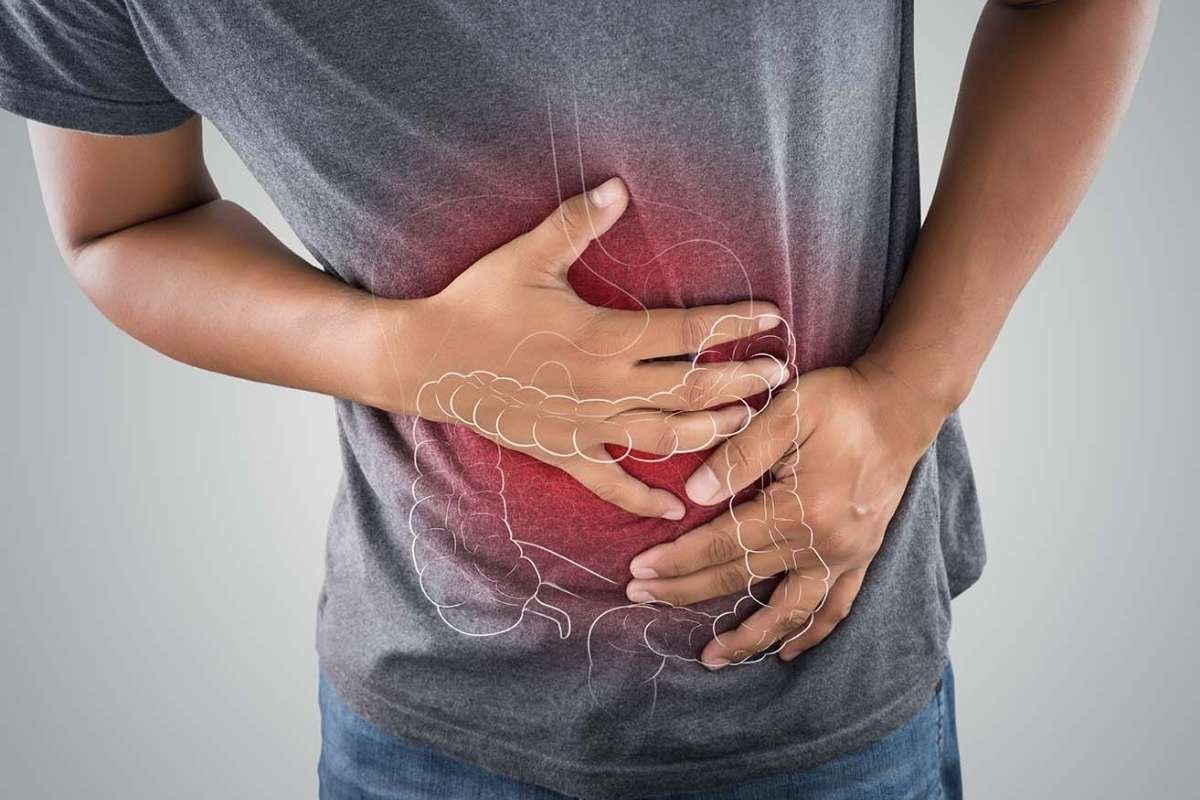
While liquid diets can deliver quick results, they also come with several potential downsides that are important to understand. Here are five key side effects, explained with context and data:
1. Nutrient Deficiencies
Liquid diets, especially extreme or juice-based ones, often lack essential nutrients like fiber, healthy fats, iron, and certain vitamins. Studies have shown that very low-calorie diets (below 800 kcal/day) can lead to micronutrient deficiencies if not properly supplemented. A lack of fiber, in particular, can affect gut health and digestion over time. Without careful planning, this nutritional gap can impact immunity, energy levels, and overall well-being.
2. Muscle Loss
Rapid weight loss on liquid diets for weight loss can result in both fat and muscle loss, not just fat reduction. Research suggests that up to 20–30% of weight lost on very low-calorie diets may come from lean muscle mass if protein intake is insufficient. This can weaken physical strength and reduce metabolic rate, making it harder to maintain weight loss. Preserving muscle requires adequate protein and, ideally, some form of resistance activity.
3. Digestive Issues
A sudden shift from solid foods to liquids can disrupt normal digestion. Diets low in fiber may lead to constipation, while rapid dietary changes can also cause bloating or discomfort. Research highlights that fiber intake below recommended levels (25–30g/day) is linked to poor gut health and irregular bowel movements. Maintaining digestive balance on a liquid diet requires careful inclusion of fiber-rich ingredients.
4. Low Energy and Fatigue
Since many liquid diets significantly reduce calorie intake, the body may not get enough fuel to function optimally. People often report feeling tired, weak, or mentally sluggish, especially during the first few days. When following liquid diets for weight loss, studies on low-calorie diets show a noticeable drop in energy levels and physical performance during the adaptation phase. This can affect daily productivity and make it harder to stay consistent with the diet.
5. Weight Regain
One of the biggest concerns with liquid diets is the high likelihood of regaining weight after stopping. Studies indicate that a significant percentage of people regain most of the lost weight within 6–12 months if long-term habits are not changed. This happens because the diet is often not sustainable, and normal eating patterns return quickly. Without a proper transition plan, the results tend to be short-lived.
Are Liquid Diets Effective Long-Term?
Liquid diets can deliver fast initial results, but their long-term effectiveness is limited. Studies show participants often lose 10–15% of body weight within a few months, yet many regain most of it within 6–12 months once regular eating resumes.
The main challenge is sustainability: restricted food choices, cravings, and social eating make it hard to stick with liquid diets for weight loss over long periods. Additionally, very low-calorie intake can slow metabolism, making weight maintenance more difficult.
Despite these limitations, liquid diets can be useful as a short-term kickstart when followed by a balanced, sustainable diet. Their long-term success depends on adopting healthier eating habits after the liquid phase ends.
Who Should (and Shouldn’t) Try Liquid Diets?
Liquid diets can be effective for certain people, but they are not suitable for everyone. Understanding who can safely benefit from them and who should avoid them is essential for achieving results without compromising health.
Suitable For:
Liquid diets work best for individuals looking for short-term weight loss or a structured way to jumpstart healthier eating habits. They can also be beneficial for people under medical supervision, such as those preparing for surgery or following a doctor-approved very low-calorie plan. People who struggle with portion control may find the pre-measured structure of liquid diets easier to follow than traditional diets.
Avoid If:
Certain groups should avoid liquid diets for weight loss due to potential health risks. This includes pregnant or breastfeeding women, as their nutritional needs are higher. Individuals with chronic health conditions, such as diabetes or kidney disease, should also steer clear unless supervised by a healthcare professional. People with a history of eating disorders may find liquid diets trigger unhealthy eating patterns.
In short, while liquid diets can be a helpful tool for some, they are most effective when personalized and monitored to suit individual health needs and goals.
Tips to Follow a Liquid Diet Safely

Liquid diets for weight loss can be effective if done correctly, but safety and balance are key to avoiding side effects and making the results meaningful. Here are some practical tips to keep the diet both effective and healthy:
1. Include Adequate Protein
- Whey protein shake, Greek yogurt smoothie, silken tofu smoothie
Ensure each liquid meal contains sufficient protein to help preserve muscle mass and maintain metabolism. Protein-rich shakes or smoothies with added whey, soy, or pea protein work well.
2. Incorporate Fiber
- Oats, chia seeds, flaxseeds, spinach, kale, and avocado blended in shakes
To support digestion and keep you feeling full, include fiber-rich ingredients like oats, chia seeds, or vegetables in your smoothies or soups.
3. Stay Hydrated
- 2–3 liters of water, herbal teas, and coconut water
Even though you’re consuming liquids, plain water is essential. When following liquid diets for weight loss, proper hydration helps with metabolism, digestion, and overall energy levels.
4. Limit Duration
- 1–3 weeks max; avoid prolonged full liquid diets
Avoid following a full liquid diet for extended periods. Most experts recommend short-term use, typically no longer than a few weeks, unless under medical supervision.
5. Transition Gradually
- Start with soups, porridge, and soft-cooked vegetables
After completing a liquid diet phase, slowly reintroduce solid, nutrient-dense foods to avoid digestive issues and weight regain.
6. Consult a Healthcare Professional
Before starting, check with a doctor or nutritionist, especially if you have underlying health conditions or plan a very low-calorie liquid diet.
Sample 1-Day Plan of Liquid Diets for Weight Loss
| Meal | Ingredients / Drink | Approx. Calories | Protein | Carbs | Fat | Fiber |
| Breakfast | Protein smoothie: 1 scoop whey protein, 1 cup unsweetened almond milk, 1 small banana, 1 tbsp chia seeds | 250 kcal | 20 g | 30 g | 6 g | 5 g |
| Mid-Morning | Green smoothie: 1 cup spinach, ½ cucumber, 1 small apple, ½ cup water, ½ tbsp flaxseeds | 120 kcal | 3 g | 20 g | 3 g | 5 g |
| Lunch | Vegetable soup: 1 cup blended carrots, zucchini, celery, ½ cup lentils, 1 tsp olive oil | 200 kcal | 10 g | 25 g | 5 g | 6 g |
| Afternoon Snack | Protein shake: 1 scoop pea protein, 1 cup unsweetened almond milk, ½ cup frozen berries | 180 kcal | 18 g | 12 g | 4 g | 4 g |
| Dinner | Creamy blended soup: 1 cup pumpkin, ½ cup cooked quinoa, ½ cup unsweetened soy milk, spices | 220 kcal | 10 g | 28 g | 5 g | 5 g |
| Total | 970 kcal | 61 g | 115 g | 23 g | 25 g |
Do’s and Don’ts of Liquid Diets for Weight Loss
Following a liquid diet safely requires more than just swapping meals for shakes or soups. Paying attention to key practices can help maximize results while minimizing risks. Here’s a practical guide:
Do’s
| Plan Meals Ahead | Ensure your shakes, smoothies, and soups provide adequate calories, protein, and essential nutrients. |
| Include Protein in Every Meal | Helps preserve muscle mass and supports metabolism. |
| Add Fiber | Incorporate fruits, vegetables, oats, chia seeds, or flaxseeds to maintain digestion and fullness. |
| Stay Hydrated | Drink plenty of water and herbal teas to support metabolism and energy. |
| Monitor Your Body | Track energy levels, digestion, and weight to adjust the diet as needed. |
Don’ts
Don’t Follow Too Long | Avoid staying on a full liquid diet for more than 1–3 weeks without professional guidance. |
| Don’t Skip Protein or Fiber | Skipping these can lead to muscle loss, fatigue, and digestive issues. |
| Don’t Ignore Signs of Weakness | Fatigue, dizziness, or extreme hunger may indicate you need more calories or nutrients, especially when following liquid diets for weight loss. |
| Don’t Rely on Juices Alone | Juice-only diets are low in protein and may lead to rapid muscle loss. |
| Don’t Forget a Gradual Transition | Abruptly returning to solid foods can cause digestive discomfort and weight regain. |
Conclusion:
Liquid diets for weight loss can be a powerful short-term tool when used correctly. They offer quick results, simplify calorie control, and provide a structured approach that many people find easier than traditional dieting. Studies show that people on well-planned liquid diets can lose significant weight in the first few weeks, often around 1–2 kg per week, which can be highly motivating.
However, they are not a long-term solution on their own. Nutrient deficiencies, muscle loss, fatigue, and the risk of weight regain are real concerns if the diet is followed improperly or for extended periods. The key to success lies in planning, balance, and transitioning gradually to solid, nutrient-rich meals.
For those considering a liquid diet, the most effective approach is to use it as a kickstart, paired with healthy lifestyle changes, adequate protein and fiber, hydration, and professional guidance if needed. By combining these elements, liquid diets can become a safe and practical part of a broader weight loss strategy.
FAQs: Liquid Diets for Weight Loss
1. How long can I safely follow a liquid diet?
Most experts recommend following a full liquid diet for 1–3 weeks. Short-term use helps minimize nutrient deficiencies and fatigue, while long-term adherence should be supervised by a healthcare professional.
2. What is a liquid diet for weight loss?
A liquid diet involves replacing some or all meals with liquids such as protein shakes, smoothies, juices, or soups. The primary goal is to reduce calorie intake in a structured way, helping you lose weight efficiently.
3. Will I regain weight after a liquid diet?
Weight regain is common if healthy habits are not adopted after the diet. Gradually transitioning to solid, nutrient-rich foods and maintaining a balanced lifestyle is key to keeping the weight off long-term.
4. Can I maintain muscle while on a liquid diet for weight loss?
Yes, by including adequate protein in each meal and incorporating some form of resistance or light exercise, you can preserve muscle mass while losing fat on a liquid diet.
5. Are liquid diets suitable for everyone?
Liquid diets are not recommended for pregnant or breastfeeding women, people with certain chronic health conditions, or individuals with a history of eating disorders. They are best used as a short-term, structured weight loss tool for healthy adults