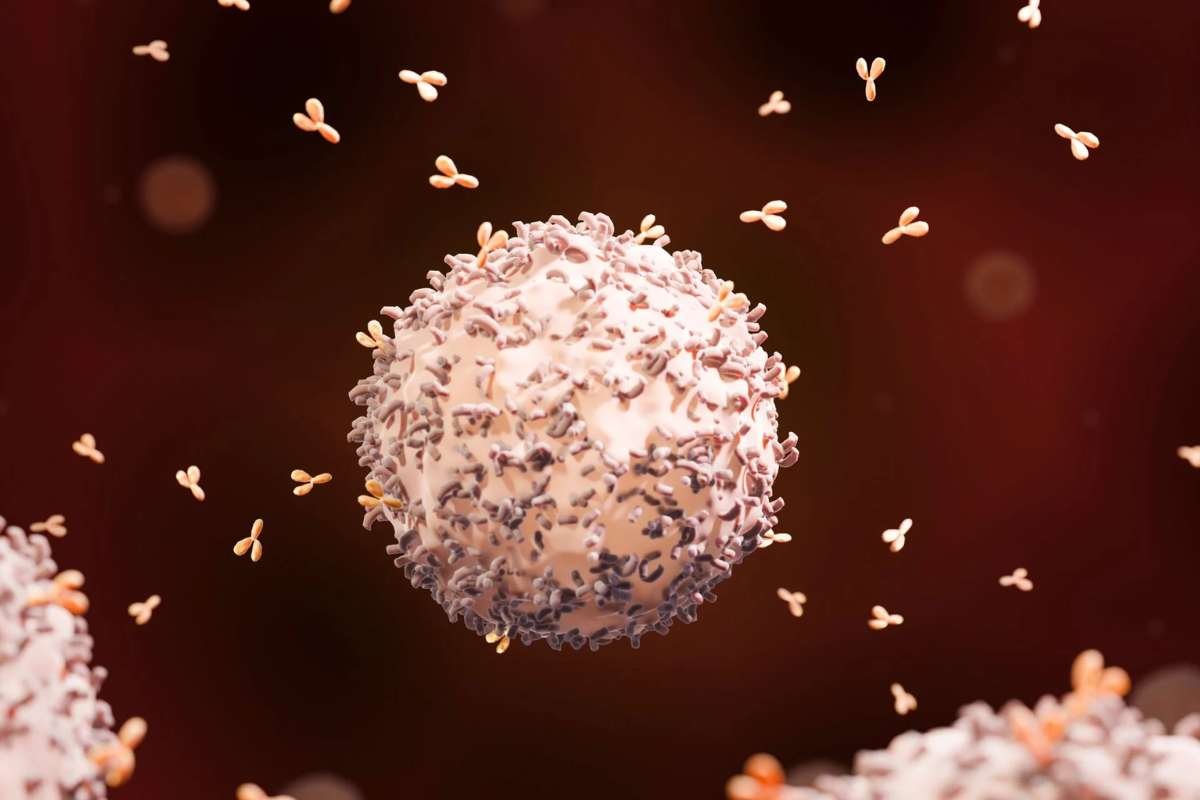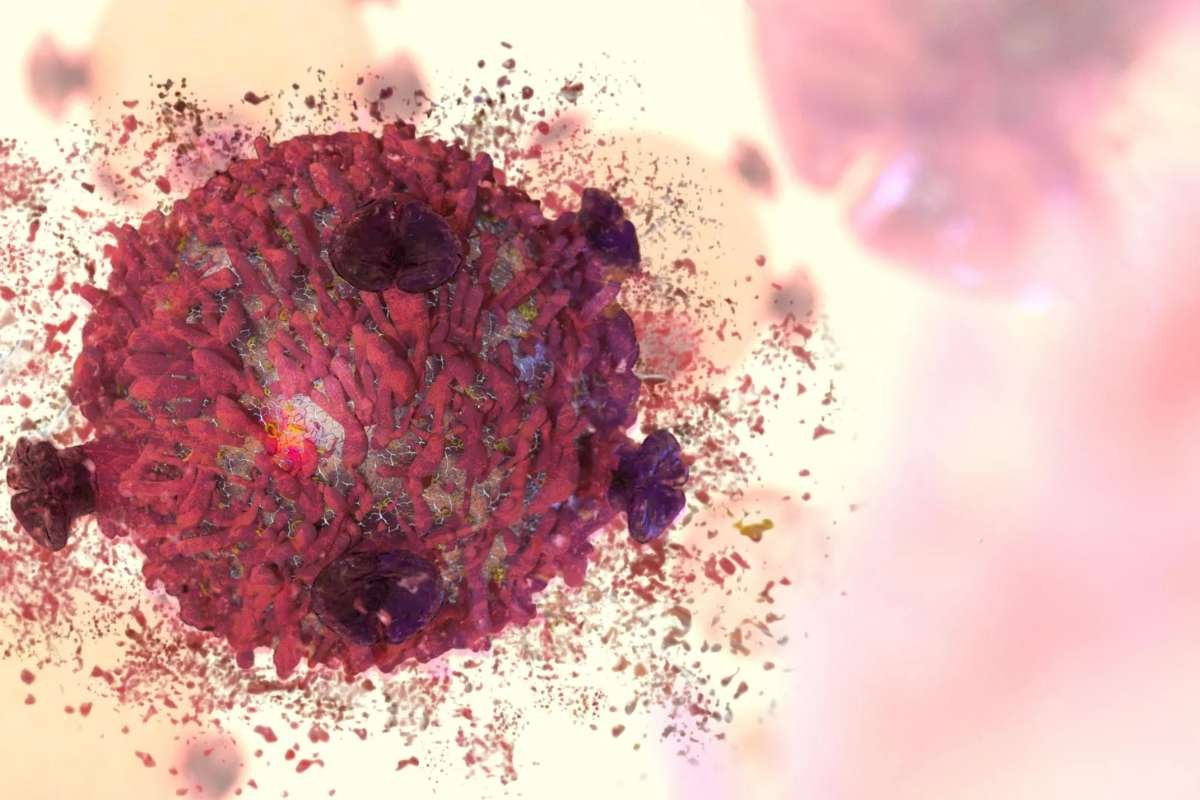
Researchers at Oregon State University report they have developed Iron Nanotherapy. This iron-based nanomaterial eliminates breast tumors in mice by triggering dual oxygen reactions inside cancer cells without harming healthy tissue.
Scientists Trigger Dual Oxidative Reactions Inside Tumors
The research team from the OSU College of Pharmacy designed a nanomaterial that activates two chemical reactions once inside a tumor cell. Those reactions unleash toxic oxygen species that overwhelm cancer cells with oxidative stress while sparing surrounding healthy tissue.
The study, published in Advanced Functional Materials, was led by Oleh Taratula, Olena Taratula, and Chao Wang.
Iron Nanotherapy builds on chemodynamic therapy, or CDT, an emerging cancer treatment strategy that exploits the chemical differences between tumors and normal tissue. Cancer cells are typically more acidic and contain higher levels of hydrogen peroxide than healthy cells.
Traditional CDT approaches generate hydroxyl radicals, highly reactive oxygen molecules that damage lipids, proteins, and DNA through oxidation. More recent efforts also produce singlet oxygen, another reactive oxygen species with a distinct electron configuration.
New Nanoagent Overcomes Limits Of Existing Therapies
“However, existing CDT agents are limited,” Oleh Taratula said. “They efficiently generate either radical hydroxyls or singlet oxygen but not both, and they often lack sufficient catalytic activity to sustain robust reactive oxygen species production.”
He said that limitation often results in only partial tumor regression in preclinical studies, without durable therapeutic benefit.
To address the gap, the team engineered an iron-based metal-organic framework, or MOF, capable of generating both hydroxyl radicals and singlet oxygen within tumor cells. By producing a double burst of reactive oxygen species, the nanoagent intensifies oxidative stress beyond what cancer cells can survive.
Laboratory tests showed strong toxicity against multiple cancer cell lines, while noncancerous cells experienced minimal harm, researchers said.
Mice Show Complete Tumor Regression Without Side Effects
In preclinical experiments, researchers systemically administered the Iron Nanotherapy nanoagent to mice implanted with human breast cancer cells. The particles accumulated in tumors and generated high levels of reactive oxygen species.
“When we systemically administered our nanoagent in mice bearing human breast cancer cells, it efficiently accumulated in tumors, robustly generated reactive oxygen species, and completely eradicated the cancer without adverse effects,” Olena Taratula said.
Researchers reported total tumor regression, with no recurrence observed during the study period. The animals showed no signs of systemic toxicity or harmful side effects.
The team plans to evaluate the therapy in additional cancer types, including aggressive pancreatic cancer, before considering human clinical trials.
Other contributors to the study include Kongbrailatpam Shitaljit Sharma, Yoon Tae Goo, Vladislav Grigoriev, Constanze Raitmayr, Ana Paula Mesquita Souza, and Manali Parag Phawde of Oregon State. Funding was provided by the National Cancer Institute, part of the National Institutes of Health, and the Eunice Kennedy Shriver National Institute of Child Health and Human Development.
Researchers caution that the findings are limited to animal models and require further validation before potential clinical application in humans.