If sleep were a phone charger, most of us would unplug it at 30% and complain all day about a low battery. We drink coffee, scroll late, and wear “I barely slept” like a badge of honor. Funny thing is, our body does not clap for this behavior. It quietly keeps score.
Sleep is not a luxury. It is basic maintenance. Miss it regularly, and your brain slows down, your mood dips, and your body starts cutting corners. People often ask how much sleep you need as if the answer changes based on motivation. It does not. Biology sets the rules, not hustle culture.
This guide breaks sleep down in plain words. No science lecture. No dramatic scare lines. Just real facts, real effects, and real reasons sleep deserves respect.
Why Sleep Is Non-Negotiable?
Sleep is the time when your brain cleans itself. It clears waste, stores memories, balances hormones, and repairs cells. When sleep drops, these jobs stay half done.
Lack of sleep affects reaction time, focus, emotional control, and decision-making. That is why tired people feel irritated, forget small things, and struggle to concentrate. Over time, poor sleep increases the risk of heart disease, diabetes, obesity, and depression.
The question of how much sleep you need matters because short sleep does not fail loudly. It fails slowly.
How Much Sleep Do Different Ages Need?
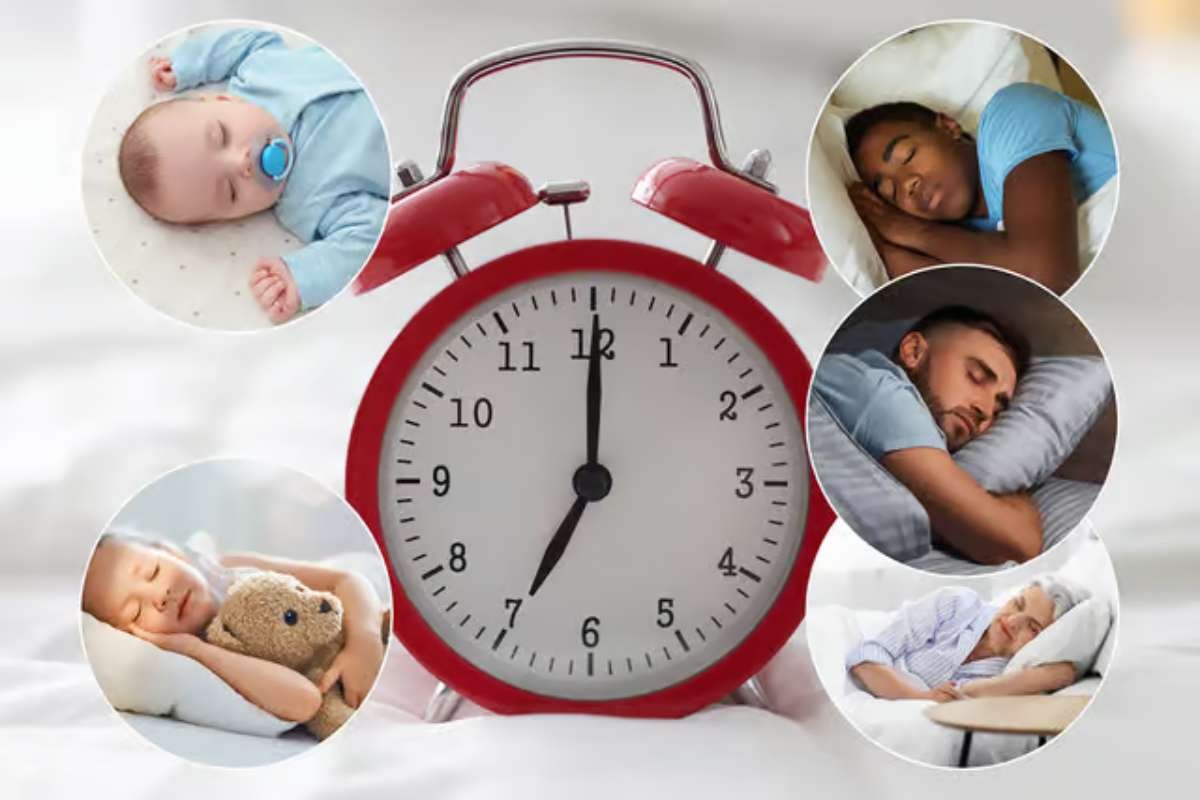
Sleep needs change with age, but they stay predictable.
- Newborns: 14-17 hours
- Toddlers: 11-14 hours
- School-age children: 9-12 hours
- Teenagers: 8-10 hours
- Adults: 7-9 hours
- Older adults: 7-8 hours
Adults often try to survive on six hours. That works short-term, but it adds sleep debt. The body always collects. Understanding how much sleep you need helps you stop guessing and start resting properly.
Quality Matters as Much as Hours
Eight hours of broken sleep does not equal eight hours of deep rest. Sleep quality depends on:
- Regular bedtime
- Dark and quiet room
- Limited screen use before bed
- Cool room temperature
Good sleep feels refreshing. Poor sleep feels heavy, even after long hours. If mornings feel foggy, quality may be the problem, not time.
Many people misjudge how much sleep you need because they count hours but ignore depth.
Signs You Are Not Sleeping Enough
Your body is very honest. When it does not get enough rest, it does not stay silent. It sends small warning signs every day. Most people ignore these signs and blame stress, age, or a busy life. In reality, the problem often starts with sleep.
Let’s break each sign down into simple words.
- You need multiple alarms. If one alarm is never enough, your body is asking for more rest. When you wake up after proper sleep, your brain feels ready. When sleep is short, your brain stays half-asleep. That is why you keep hitting snooze. It is not laziness. It is exhaustion.
- You feel tired by mid-morning. Good sleep should carry you through the morning with steady energy. If you feel drained before lunch, your sleep did not do its job. Your body used up its energy too fast because it started the day already tired.
- You crave sugar or caffeine. When sleep drops, your body looks for quick fuel. Sugar and caffeine feel like instant fixes. That is why you want sweets, coffee, or energy drinks. These cravings are not about taste. They are your body asking for energy it did not get from rest.
- You forget small details. Poor sleep affects memory first. You may forget names, tasks, or why you entered a room. Your brain stores information during sleep. Without enough rest, that process breaks down. Forgetfulness here is not aging or carelessness. It is mental fatigue.
- Your mood swings faster. Lack of sleep lowers emotional control. Small things feel big. You get irritated faster. Patience drops. This happens because sleep helps regulate emotions. When sleep is missing, emotions run loose.
These signs do not describe who you are as a person. They describe what your body is missing.
If many of these feel familiar, how much sleep you need is likely more than what you currently give yourself. Your body is not asking for perfection. It is asking for rest.
Sleep and Mental Health
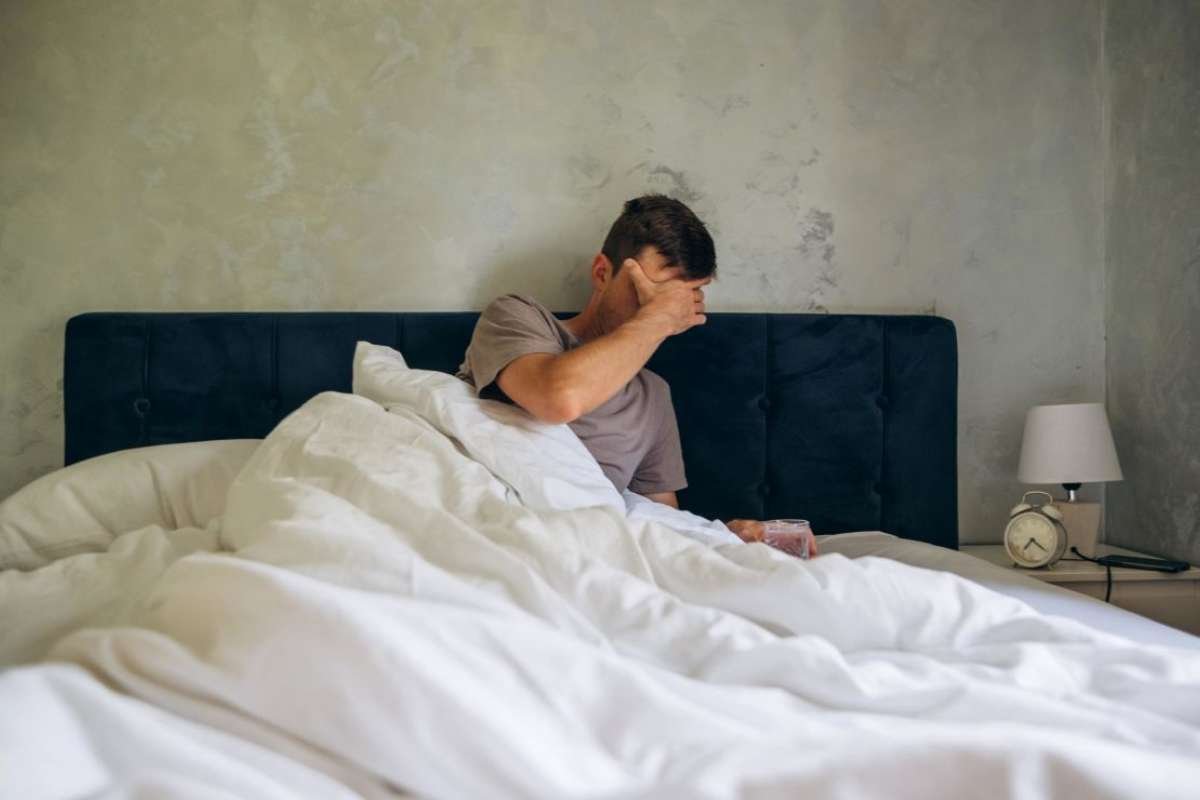
Sleep and mental health share a two-way road. Poor sleep worsens anxiety and low mood. Anxiety then makes sleep harder. This cycle continues unless sleep improves first.
Deep sleep helps regulate stress hormones. It also strengthens emotional control. People who sleep well handle pressure better and react less emotionally.
That is why therapists often start with sleep when helping patients stabilize their mental health.
Ignoring how much sleep you need makes emotional balance harder than it needs to be.
Facts Backed by Science
- Adults sleeping less than 7 hours show reduced attention and slower reaction times.
- Chronic sleep loss raises the risk of heart disease and stroke.
- Sleep improves memory formation and learning ability.
These are not opinions. They are long-studied outcomes.
How to Sleep Better Without Overthinking?
Better sleep does not need expensive gadgets.
- Sleep and wake at the same time daily
- Stop screens one hour before bed
- Keep lights low in the evening
- Avoid heavy meals late
- Get sunlight in the morning
Small habits create strong results. Once you respect how much sleep you need, your body takes care of the rest.
Conclusion
Remember the phone battery from the start? You would never expect it to run all day at 20%. Your body works the same way. Sleep is the charger. Skip it, and everything runs slower.
Good sleep sharpens thinking, stabilizes mood, improves health, and makes life easier. It does not steal time. It gives it back.
When you finally honor how much sleep you need, mornings stop feeling like punishment, and days start working with you, not against you.
Sleep well. Your future self already thanks you.