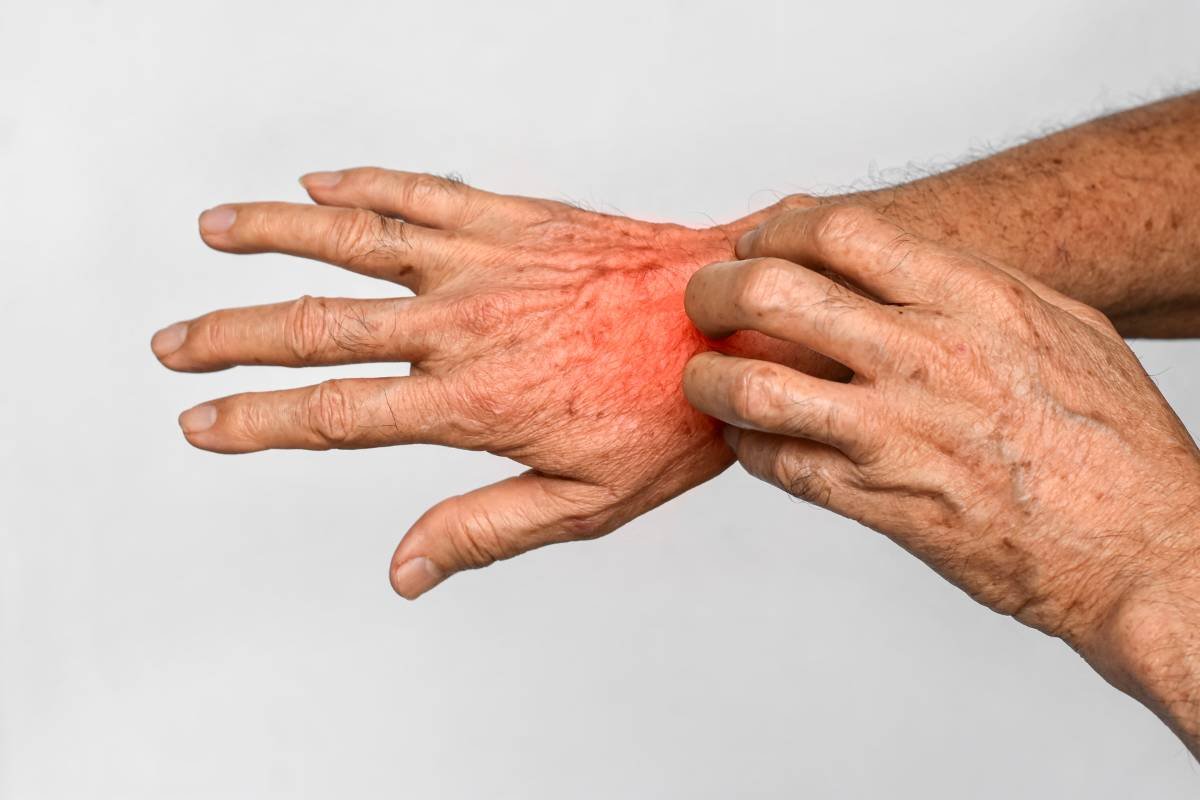
Your body is like a smart machine. It sends alerts before things break. The problem? We often ignore those alerts. Fatigue feels normal. Weak immunity feels seasonal. Pale skin feels cosmetic.
Now imagine a tiny mineral quietly running the show behind your energy, nerves, and blood health. When that mineral runs low, the body slows down. Not with drama. With silence.
That silent troublemaker is copper deficiency.
No loud symptoms. No instant pain. Just slow leaks in strength, focus, and balance.
The good news? Once you understand it, you can fix it. No fear. No confusion. Just smart awareness and better daily choices.
What is the Copper Deficiency?
Copper deficiency happens when the body does not get or absorb enough copper to meet daily needs. Copper helps make red blood cells, supports nerves, and keeps the immune system alert.
Without enough copper, iron transport slows down. This affects oxygen flow in the body. That is why many people feel tired or weak even with decent sleep and food.
This condition often hides behind common complaints. People blame stress or age. The real issue stays untreated for years. Early attention makes a huge difference.
Why the Body Needs Copper?
Copper works behind the scenes. It helps enzymes do their job. It supports brain signals. It protects cells from damage.
When copper deficiency appears, nerve messages lose clarity. Balance feels off. Memory feels foggy. Immunity drops without warning.
Copper also helps form connective tissue. Skin, blood vessels, and bones rely on it. Low levels affect strength and healing speed.
Common Causes You Should Know

- Excess zinc supplements: Long-term use of zinc supplements is one of the most common causes of low copper levels. Zinc and copper compete during absorption. When zinc intake stays high for months, it blocks copper from entering the bloodstream. Many people take zinc daily without medical advice, often for immunity, colds, or acne. Over time, this habit quietly drains copper stores.
- Digestive health problems: Healthy digestion plays a major role in mineral absorption. Conditions like celiac disease damage the gut lining, making it harder for the body to absorb nutrients. Crohn’s disease affects different parts of the digestive tract and reduces mineral uptake. Chronic diarrhea adds another challenge by flushing minerals out before the body can use them.
- Weight-loss or stomach surgery: Bariatric and stomach surgeries change how food moves through the body. These procedures shorten or bypass parts of the digestive system where minerals are absorbed. Even when copper intake remains normal, the body absorbs much less after surgery. Without monitoring, a deficiency can develop slowly.
- Highly processed diets: Modern diets rely heavily on packaged and processed foods. These foods lack trace minerals that naturally occur in whole foods. Refined grains remove the outer layers where copper exists. Over time, fast food replaces nutrient-rich meals, leaving the body short on essential minerals.
- Poor overall nutrition: Limited food variety increases deficiency risk. Diets low in nuts, seeds, whole grains, and legumes reduce copper intake. Skipping seafood and plant-based mineral sources worsens the problem. Repetitive meals with little diversity fail to meet the body’s mineral needs.
- Genetic absorption issues: Some people inherit rare conditions that affect how copper moves through the body. In these cases, food changes alone may not restore healthy levels. Medical supervision becomes necessary to prevent long-term complications and nerve damage.
Signs That Should Not Be Ignored
- Constant tiredness
- Feel tired even after a good sleep
- Daily work feels harder
- Energy stays low
- Pale or dull skin
- Skin loses its natural color.
- Healing takes longer
- Frequent illness
- Colds last longer
- Immunity feels weak
- Nerve issues
- Tingling in hands or feet
- Occasional numbness
- Weak grip
- Balance problems
- Unsteady walking
- Heavy or weak legs
- Vision changes
- Blurred vision
- Trouble seeing in low light
- Unusual anemia
- Low hemoglobin in blood tests
- Iron supplements do not help
How do Doctors Confirm It?

Diagnosis relies on blood copper and ceruloplasmin levels. Doctors also review zinc intake and digestive history.
Early diagnosis matters. Long-term copper deficiency can damage nerves permanently. Quick action protects recovery.
Treatment and Food Support
- Doctors first treat the main cause of low copper
- Blood tests guide the right treatment.
- Supplements help only when food is not enough.
- Doses stay low and controlled to avoid imbalance
Food Is the Best Long-Term Support
- Food gives copper in a safe, natural way
- Balanced meals keep levels steady.
Best Copper-Rich Foods

- Shellfish like oysters
- Nuts and seeds
- Whole grains
- Dark chocolate
- Organ meats
Simple Tips
Eat a variety of whole foods. Avoid too much zinc. Follow the doctor’s advice for supplements. Small changes protect long-term health.
Facts:
- Copper supports red blood cell formation and nerve health.
- Excess zinc intake can trigger copper deficiency.
- Long-term deficiency may cause irreversible nerve damage.
Conclusion
Remember the quiet warning signs from the start? They matter.
Your body speaks softly before it shouts. Ignoring small imbalances leads to bigger problems. Respecting them builds strength. Awareness turns confusion into control.
Copper deficiency may be a trace mineral, but its impact feels massive when missing. Listen early. Act wisely. Your body rewards attention with energy, clarity, and balance.