Chocolate is happiness wrapped in foil. It fixes bad days, celebrates good ones, and magically disappears during stress eating. But for some people, that innocent square of joy turns into itchiness, sneezing, or worse. That moment feels unfair. Very unfair.
If you ever felt strange after eating chocolate and thought, “Why me?”, relax. You are not broken. Your body is just talking loudly. Chocolate allergy is real, manageable, and far less scary once you understand it. With the right knowledge, you can protect yourself and still enjoy life, maybe even dessert.
This guide breaks everything down slowly, clearly, and without medical drama.
What is a Chocolate Allergy?
A chocolate reaction happens when the immune system treats something in chocolate as a threat. The body then releases chemicals that cause symptoms like itching, swelling, or breathing trouble. In many cases, the reaction is not to cocoa but to other ingredients mixed inside.
People often confuse this with intolerance. An allergy involves the immune system. Intolerance usually affects digestion only.
Top 10 Chocolate-Related Allergy Triggers
1. Cocoa Proteins
Cocoa comes from cacao beans. In rare cases, the body treats cocoa proteins as harmful. When this happens, the immune system reacts. This reaction is more common in people who already have several food allergies. Symptoms may include itching, rashes, or stomach upset. Pure cocoa allergy is uncommon, but it does exist.
2. Milk Solids
Milk is one of the most common food allergens worldwide. Many chocolates contain milk powder, milk fat, or condensed milk. Even dark chocolate may include small amounts. For people sensitive to milk proteins, this can cause hives, stomach pain, or breathing trouble. Milk is often the real cause behind chocolate reactions.
3. Nuts

Chocolate often contains almonds, hazelnuts, peanuts, or cashews. Even if nuts are not visible, traces may still be present. This happens when chocolate is made in factories that process nuts on the same machines. Nut allergies can be serious, so even tiny amounts can trigger strong reactions.
4. Soy Lecithin
Soy lecithin helps chocolate stay smooth and well-mixed. It is added in very small amounts. Still, people with soy sensitivity may react to it. Symptoms can include skin irritation, stomach discomfort, or headaches. Many do not expect soy in chocolate, which makes this trigger easy to miss.
5. Nickel Content
Dark chocolate naturally contains higher levels of nickel. Some people have nickel sensitivity, especially those with skin allergies. Eating foods high in nickel can cause rashes, itching, or flare-ups of eczema. This reaction is slow and often mistaken for something else.
6. Artificial Flavors
Some chocolates use artificial flavors to improve taste. These are man-made chemicals. In sensitive individuals, these substances may irritate the immune system. Reactions are usually mild but uncomfortable, such as headaches, skin redness, or nausea.
7. Preservatives
Preservatives help chocolate last longer on shelves. Some people react badly to certain preservatives. This may cause hives, bloating, stomach cramps, or loose stools. These reactions are more common in people with sensitive digestion or food sensitivities.
8. Cross-Contamination
Chocolate factories often produce many products in the same place. Equipment may be shared with foods containing milk, nuts, or soy. Even if chocolate does not list these ingredients, small traces can still be present. This is why warning labels matter.
9. Fillings and Caramel
Filled chocolates hide many ingredients inside. Caramel, cream centers, fruit pastes, and crunch layers may contain milk, nuts, or soy. These hidden ingredients often cause unexpected reactions. Always check the full ingredient list, not just the front label.
10. Flavor Enhancers

Flavor enhancers boost taste and smell. Some people react to these additives with mild symptoms like itching, headaches, or stomach discomfort. These reactions are usually delayed, making them harder to connect to chocolate.
Common Symptoms You Should Never Ignore
When someone has a chocolate allergy, the body reacts because it thinks something in the chocolate is harmful. These reactions can start very fast, within a few minutes, or they can appear slowly after one or two hours. The signs may feel mild at first, but they should never be ignored.
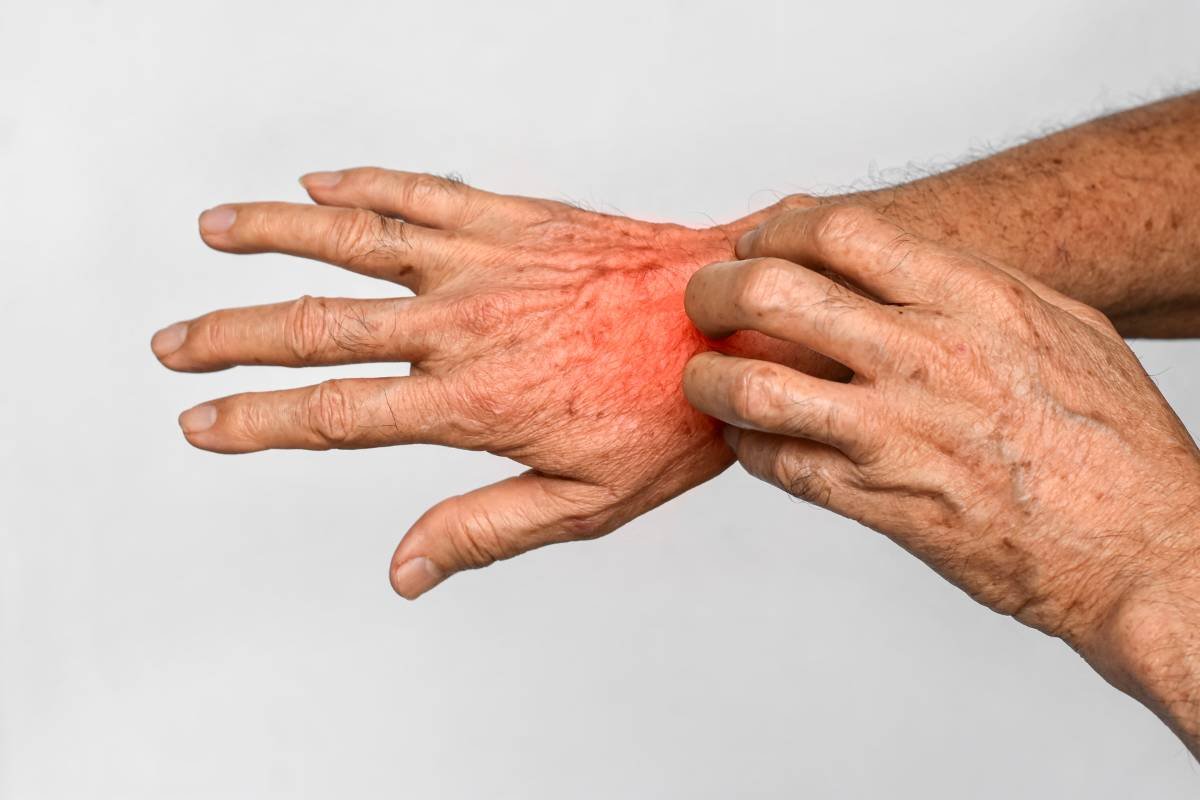
Itchy Skin or Hives: This is one of the earliest signs. The skin may start itching suddenly. Red bumps or raised patches can appear on the arms, neck, chest, or face. These hives may move from one area to another. Scratching usually makes it worse, not better.
Swelling of Lips or Face: Some people notice swelling around the lips, eyes, cheeks, or tongue. This swelling can feel tight or uncomfortable. Even a small swelling matters because it can increase quickly. Swollen lips or tongue can also affect speaking or swallowing.
Sneezing or Runny Nose: A chocolate reaction does not always affect the skin first. In some cases, it looks like a sudden cold. Repeated sneezing, a blocked nose, or a watery, runny nose can start soon after eating chocolate. This happens because the immune system releases chemicals that irritate the nose.
Stomach Pain or Nausea: The stomach often reacts strongly. Cramping, bloating, nausea, or an urge to vomit may occur. Some people feel sharp pain, while others feel a heavy or uneasy stomach. This happens because the digestive system is trying to reject the trigger.
Tightness in the Chest: Chest tightness feels like pressure or heaviness. Breathing may feel uncomfortable or shallow. This symptom should never be taken lightly. Even mild chest discomfort needs attention because it can worsen quickly.
When Symptoms Become Dangerous?
If breathing becomes difficult, dizziness starts, or swelling spreads fast, medical help is needed immediately. Severe reactions can affect blood pressure and breathing. Quick treatment can save lives.
Why Are Most Reactions Misunderstood?
Many people believe chocolate itself causes the problem. In reality, this is often not true. Most reactions happen because of other ingredients mixed into the chocolate.
Milk, nuts, and soy are common hidden triggers. These ingredients appear in many chocolate bars, even when they are not obvious. Factories also use shared machines, which can leave tiny traces behind.
This confusion creates fear. People may avoid all chocolate even when cocoa is not the real issue. Without proper testing, they may never know the true cause. This leads to stress, food anxiety, and unnecessary restrictions.
Understanding the real trigger brings relief. Chocolate allergy often relates to what is added to chocolate, not the cocoa itself. Once the exact ingredient is known, safe choices become easier and confidence returns.
How Do Doctors Diagnose It?
When someone feels unwell after eating chocolate, doctors do not guess. They follow clear medical steps to understand what is really causing the reaction. This is important because many people think they have a Chocolate allergy when the problem may be milk, nuts, or another ingredient.
Skin Prick Test: In this test, the doctor places a tiny drop of allergen on the skin, usually on the arm or back. The skin is lightly scratched, so the allergen enters the surface.
If redness, itching, or a small bump appears, it shows that the immune system reacts to that substance.
This test is quick, safe, and gives results within minutes.
Blood Test: A blood test checks how your immune system responds to certain foods, including a possible Chocolate Allergy. It measures allergy-related antibodies.
Doctors use this when skin tests are not suitable or when they want extra confirmation.
Blood tests help identify specific triggers without exposing you directly to the food.
Elimination Diet: In this method, the doctor asks you to remove suspected foods from your diet for a few weeks. After symptoms improve, foods are slowly added back one at a time.
This helps identify exactly which ingredient causes the reaction.
This method requires patience but gives very clear answers.
Why Is Self-Diagnosis Risky?
Avoid diagnosing yourself based on internet searches or assumptions. Wrong guesses can lead to unnecessary fear or unsafe food choices.
Professional testing gives clarity, safety, and peace of mind.
Safe Management Tips That Actually Work

Living with a chocolate allergy does not mean giving up joy or living in constant worry. It simply means being prepared and informed.
Read Ingredient Labels Every Time: Even products you trust can change ingredients. Always read labels carefully, including warning statements like “may contain” or “processed in a facility with.” This small habit prevents big problems.
Choose Allergy-Safe Brands: Some brands clearly label allergens and follow strict safety rules. These brands reduce the risk of cross-contamination and give better confidence while eating.
Consistency matters.
Carry Prescribed Medication: If your doctor prescribes antihistamines or emergency medication, keep them with you at all times. This is not fear-based behavior. It is responsible care.
Inform Restaurants Clearly: Always tell restaurant staff about your allergy. Use clear words and avoid vague statements. Ask how food is prepared and whether ingredients are shared.
Clear communication saves lives.
Avoid Guessing Ingredients: Never assume a food is safe because it “looks fine.” When in doubt, skip it. Missing one snack is better than facing a reaction. Preparation builds confidence, not restriction.
Can You Ever Eat Chocolate Again
For many people, the answer is yes.
In several cases, cocoa itself is not the problem. The reaction comes from milk, nuts, soy, or additives mixed into chocolate. When those triggers are avoided, safe alternatives become possible.
Allergen-Free Chocolate Options: There are chocolates made without milk, nuts, or soy. Some are produced in dedicated allergy-safe facilities. With a doctor’s guidance, these options can be tested carefully.
Medical Guidance Matters: Never reintroduce chocolate without professional advice. Doctors can guide safe trials and help monitor reactions. With the right approach, a chocolate allergy does not always mean saying goodbye forever. Sometimes, it just means choosing smarter options.
Conclusion
Remember the opening scene, chocolate as comfort? That comfort does not vanish just because your body reacts differently. Knowledge replaces fear. Awareness replaces panic. And smart choices replace confusion.
If a chocolate allergy is part of your life, it does not define you. It simply teaches you to listen better, read smarter, and protect yourself with confidence. Your life stays sweet, just a little more mindful.
And honestly, mindfulness is powerful.