A 47-year-old German woman with three autoimmune diseases enters remission after experimental CAR-T therapy for autoimmune disease. CAR-T cell therapy resets her immune system, eliminating symptoms within weeks and ending her need for daily transfusions, researchers say.
A patient in Germany who suffered from three severe autoimmune disorders is now in treatment-free remission following a single infusion of chimeric antigen receptor T-cell therapy, according to a study published this week in the journal Med.
Doctors say the therapy effectively “reset” her immune system by eliminating malfunctioning cells that had been attacking her body for more than a decade. The patient had required daily blood transfusions and long-term medication to manage her conditions.
“The treatment was extremely efficient in getting rid of all three autoimmune conditions at once,” said Fabian Müller, a hematologist involved in the study. “The patient is now in treatment-free remission and able to return to an almost normal life.”
CAR-T Treatment Rapidly Eliminates Symptoms Within Weeks
The woman’s primary diagnosis was autoimmune hemolytic anemia, a rare condition in which the immune system destroys red blood cells. She was later diagnosed with antiphospholipid antibody syndrome and immune thrombocytopenia, both of which further disrupted blood function and clotting.
Despite undergoing nine different treatments over the years, her conditions persisted. Researchers then turned to CAR-T therapy, a method increasingly used in cancer care that modifies a patient’s immune cells to target specific threats.
Within seven days of receiving the therapy, the patient no longer needed blood transfusions. By day 25, clinical markers showed complete remission, including normalized hemoglobin levels and stable platelet counts.
“After discharge at day 10, the patient experienced a rapid and remarkable increase in physical strength,” the research team wrote in the study.
Engineered Immune Cells Target Rogue B Cells
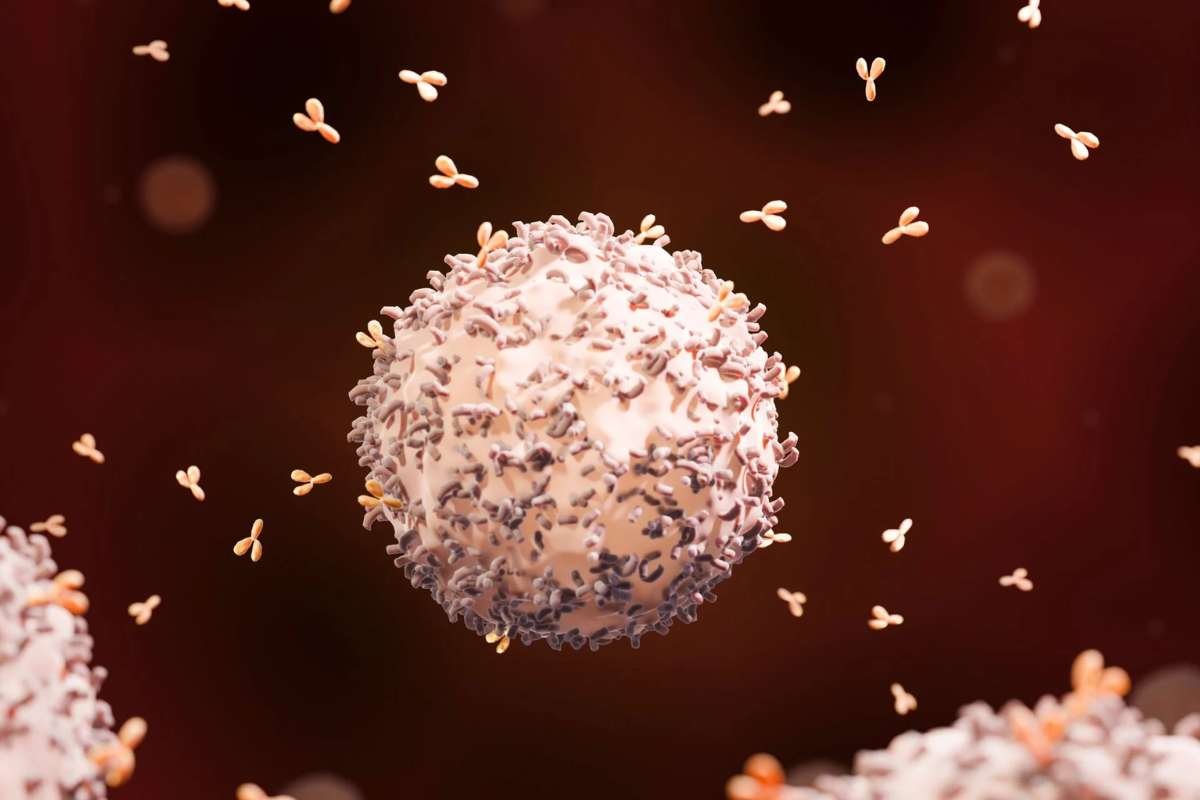
The CAR-T therapy for autoimmune disease works by extracting T cells from the patient and genetically engineering them to recognize a protein called CD19 found on B cells. These modified cells are then reinfused into the bloodstream, where they destroy malfunctioning B cells responsible for autoimmune attacks.
In this case, the patient’s B cells had been producing harmful antibodies that targeted healthy red blood cells, platelets, and tissues. Eliminating these cells halted the immune system’s destructive cycle.
Researchers observed that nearly a year after treatment, the patient remained symptom-free. When B cells began to return after 322 days, most were “naive,” meaning they did not retain the harmful immune memory that triggered the diseases.
Her doctors also discontinued blood-thinning medications without any recurrence of clotting, and no major side effects were reported.
“The speed and depth of the response were remarkable,” Müller said.
Researchers Urge Larger Trials After Breakthrough Case
While the results are promising, scientists caution that the findings are based on a single patient and require further validation through controlled clinical trials.
Previous research has shown similar success using CAR-T therapy for autoimmune disease in lupus patients, suggesting broader potential for treating autoimmune diseases by reprogramming the immune system.
Researchers believe earlier use of the therapy could prevent long-term complications caused by chronic autoimmune conditions and repeated ineffective treatments.
“If we can intervene sooner, we may be able to stop the disease process, avoid organ damage, and give patients their lives back,” Müller said.
The study adds to growing evidence that immune “reset” therapies may offer a new path for patients with severe autoimmune disorders, though accessibility, cost, and long-term safety remain key considerations.