Scientists at Washington University School of Medicine and Israel’s Weizmann Institute engineered CAR-T Alzheimer’s immune cells to target amyloid-beta plaques in mice, reducing brain inflammation and improving tissue health, according to a study published Feb. 9 in PNAS.
Researchers Adapt Cancer Immunotherapy for Alzheimer’s
Chimeric antigen receptor, or CAR-T, therapy, widely used to treat certain cancers. This has been applied for the first time to a neurodegenerative disease, researchers said. The experimental treatment uses genetically modified T cells designed to recognize and attack harmful proteins in the brain.
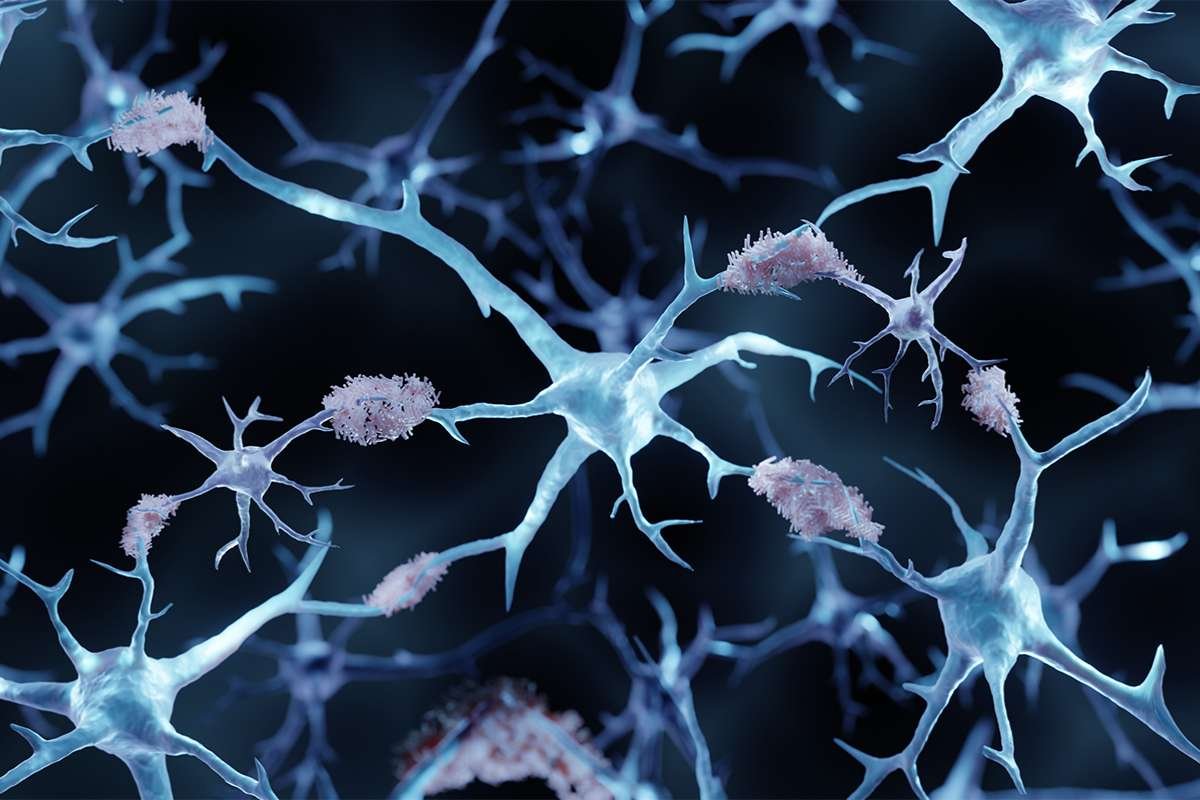
The international team engineered CAR-T Alzheimer’s cells to target amyloid beta, a protein strongly linked to Alzheimer’s disease. Tests in mice showed the approach reduced toxic plaques and improved overall brain tissue health.
“This research is the first proof of feasibility for treating neurodegenerative brain diseases using CAR-T technology,” co-senior author Jonathan Kipnis said, calling the findings an “exciting step toward developing new treatments.”
Neurodegenerative disorders are becoming a growing global concern as populations age, and existing therapies have shown mixed effectiveness, underscoring the need for new treatments.
Engineered Cells Show Measurable Brain Improvements
Researchers removed T cells from a healthy mouse, genetically modified them to respond to amyloid proteins, and injected them into six-month-old mice carrying mutations associated with Alzheimer’s. The animals received three injections spaced 10 days apart.
Ten days after the final dose, mice treated with engineered CAR-T cells had greater plaque reduction than those given unmodified cells. They also showed decreased activation of microglia and astrocytes, brain cells linked to inflammation, indicating healthier brain tissue.
One hallmark of Alzheimer’s is the buildup of amyloid-beta deposits alongside inflammation in brain tissue. The injections significantly lowered both markers in the mouse models, researchers reported.
“We report the first CAR-T Alzheimer’s cell approach for a neurodegenerative disease,” Kipnis said, adding the method could eventually be adapted to deliver treatments for conditions including amyotrophic lateral sclerosis and Parkinson’s disease.
Scientists Urge Caution but See Broad Potential
The study stems from a collaboration between Washington University and the Weizmann Institute aimed at advancing joint research projects.
Lead author Pavle Boskovic said future work will examine how engineered cells improve brain health and whether the technique can be applied to other inflammation-driven neurological disorders.
“In future research, we will explore how our engineered CAR-T cells improve brain health in Alzheimer’s disease,” Boskovic said, noting the long-term goal is to develop therapies that can safely help people affected by neurodegenerative illnesses.
Experts caution that the results remain preclinical. The technology has been tested only in mice, and further studies are required before human trials can determine safety and effectiveness CAR-T Alzheimer’s therapies.
Still, the findings suggest that immune-based therapies could play a growing role beyond oncology, potentially opening new avenues for treating diseases that currently have no cure.
Source: https://medicalxpress.com/news/2026-02-immune-cells-toxic-proteins-brain.html