The U.S. Centers for Disease Control and Prevention issued a Level 1 global travel alert Monday, warning of rising Breakbone Fever infections among international travelers, urging precautionary measures as cases increase worldwide and hundreds test positive in the United States.
CDC Warns Travelers As Dengue Cases Increase Worldwide
The Centers for Disease Control and Prevention on Monday issued a global advisory for dengue, a mosquito-borne illness sometimes called “breakbone fever,” after detecting increased infections among travelers returning to the United States.
The alert, classified as a Level 1 notice, is the agency’s lowest travel advisory level and recommends travelers practice routine health precautions rather than cancel trips.
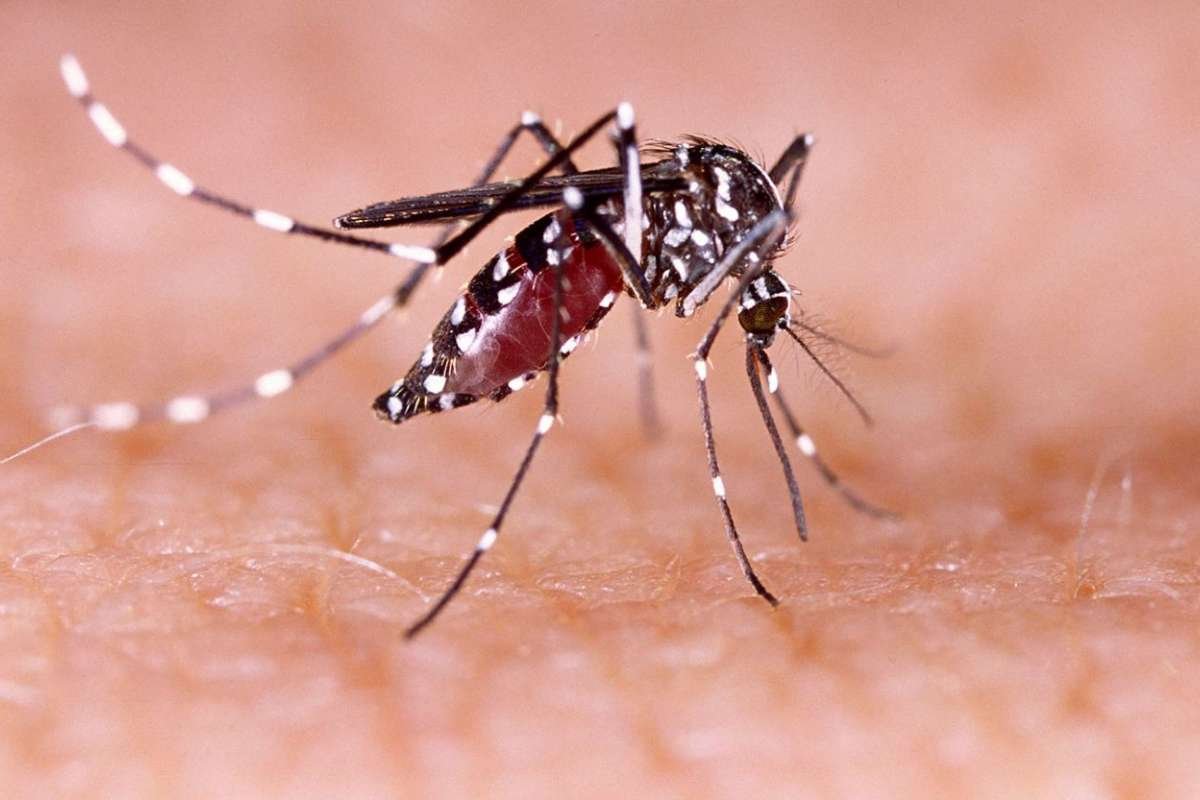
Health officials say dengue spreads through the bite of infected mosquitoes and remains a year-round risk in many tropical and subtropical regions. Several countries are reporting higher-than-usual case numbers or increased infections among U.S. travelers.
The CDC identified Afghanistan, Bangladesh, Bolivia, Colombia, Cuba, Pakistan, Vietnam, and the Maldives among destinations where dengue risk is elevated.
“There is no recommendation to avoid travel,” the CDC said in its advisory. “Travelers should practice usual precautions to reduce mosquito exposure.”
Illness Often Mild But Can Become Life-Threatening
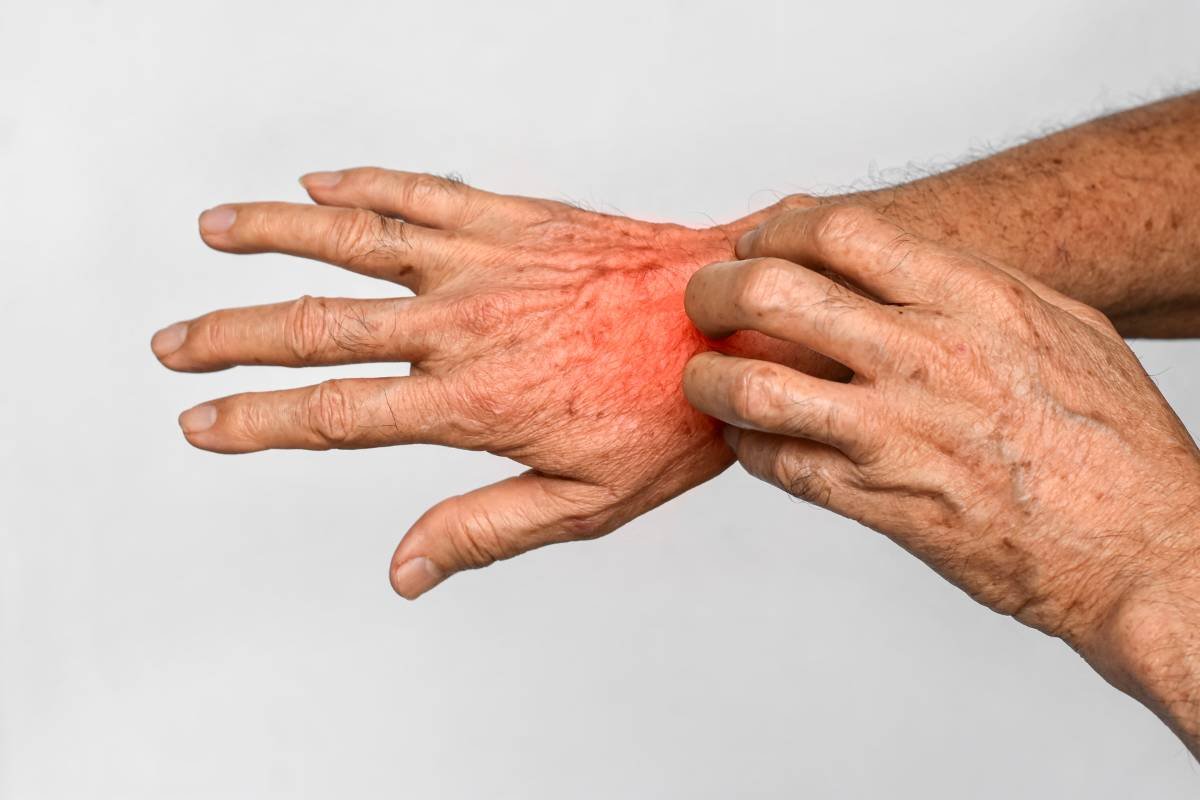
Dengue infection commonly causes fever, headache, nausea, vomiting, muscle and joint pain, rash, and mild bleeding symptoms. The disease earned the nickname “breakbone fever” because of the intense body aches it can produce.
“Most people who get infected with the dengue virus have no symptoms or only mild illness,” the CDC said. Officials added that most symptomatic patients recover within about a week.
However, severe dengue can lead to hemorrhaging, dangerously low blood pressure, and organ failure. Health experts warn the disease poses a greater risk to children, older adults, and people with underlying medical conditions.
Dr. Emily Carter, an infectious disease specialist at Georgetown University Hospital, said global travel patterns and climate conditions contribute to the spread of mosquito-borne diseases.
“As international travel increases and mosquito habitats expand, travelers may encounter infections that were once limited to specific regions,” Carter said. “Awareness and prevention are critical.”
Officials Urge Prevention Rather Than Travel Restrictions
The CDC reported more than 525 dengue cases in the United States so far in 2026, most linked to international travel. Officials emphasize that dengue is widespread globally, with nearly half the world’s population living in areas where the virus circulates.
To reduce infection risk, the agency recommends using insect repellent, wearing long-sleeved clothing, and staying in accommodations with air conditioning or window screens.
Public health experts say preventive measures remain the most effective protection because no specific antiviral treatment exists for dengue.
“Simple steps like preventing mosquito bites can significantly reduce risk,” said Dr. Maria Lopez, a global health researcher at Johns Hopkins University. “Travelers should prepare just as they would for sun exposure or food safety.”
The CDC stressed that the advisory serves as a reminder, not a warning, to halt travel plans. Periodic dengue outbreaks occur worldwide, and officials say informed travelers can safely visit affected regions by following recommended precautions.
Health authorities continue monitoring global case trends and advise travelers to seek medical care if symptoms develop after returning from areas with dengue transmission.