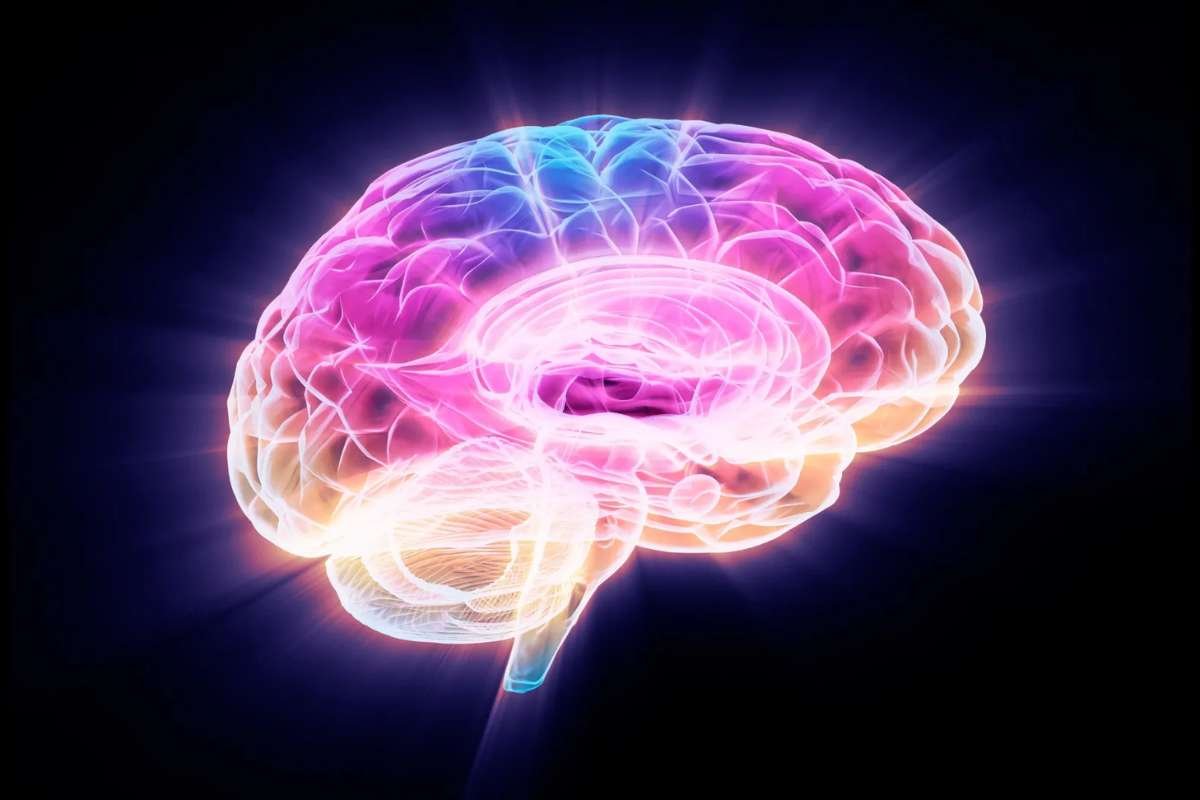
Researchers at the University of California, San Francisco, report that removing a brain aging protein linked to aging reverses cognitive decline in mice, restoring memory and brain connections and offering potential new treatment targets for age-related brain disorders.
Scientists Link Single Protein to Cognitive Decline
SAN FRANCISCO — A new study from the University of California, San Francisco, finds that cognitive decline associated with aging may stem largely from one protein that disrupts brain function but can be reversed when removed.
Scientists at UCSF’s Bakar Aging Research Institute focused on the hippocampus, a region responsible for learning and memory. Comparing young and older mice, researchers discovered that aging brains contained unusually high levels of a protein known as FTL1.
The protein appeared consistently elevated in older animals experiencing reduced neural activity and memory performance, prompting researchers to investigate whether it caused aging-related decline or simply accompanied it.
“We wanted to understand whether this was a marker of aging or an active driver,” said Dr. Saul Villeda, the study’s senior author.
Experiments Show Aging Effects Can Be Reversed
To test the protein’s role, researchers artificially increased FTL1 levels in young mice. The animals quickly developed neurological characteristics typically seen in older brains.
Neurons in these mice lost complex branching patterns and formed fewer communication networks, weakening signals between brain cells. Memory and learning functions also deteriorated.
Researchers then lowered FTL1 levels in older mice. Instead of merely slowing decline, the intervention restored neural connections and repaired existing damage in the hippocampus. affected by the brain aging protein.
Treated mice performed significantly better on memory tests compared with untreated animals, suggesting that cognitive impairment linked to aging may not be permanent.
“It is truly a reversal of impairments,” Villeda said. “It’s much more than merely delaying or preventing symptoms.”
Findings Offer Hope for Future Human Therapies
The study also explains how the protein harms the brain. Scientists found that elevated FTL1 levels act as a metabolic brake, reducing energy production inside neurons.
Without sufficient energy, synapses. The junctions where brain cells communicate. It weakens and disappears, contributing to memory loss and cognitive dysfunction.
By restoring normal metabolic activity, researchers were able to rebuild neural connections and improve brain performance in aging mice.
Experts caution that treatments for humans remain years away, as additional studies and clinical trials are required to confirm safety and effectiveness. Still, researchers say the findings reshape scientific understanding of the brain aging protein.
Rather than viewing cognitive decline as an unavoidable consequence of growing older, scientists now believe it may represent a manageable biological process.
“We’re seeing more opportunities to alleviate the worst consequences of old age,” Villeda said. “It’s a hopeful time to be working on the biology of aging.”
Researchers say future work will explore drug therapies capable of safely regulating FTL1 levels in humans, potentially opening new approaches to treating dementia and other age-related neurological conditions.