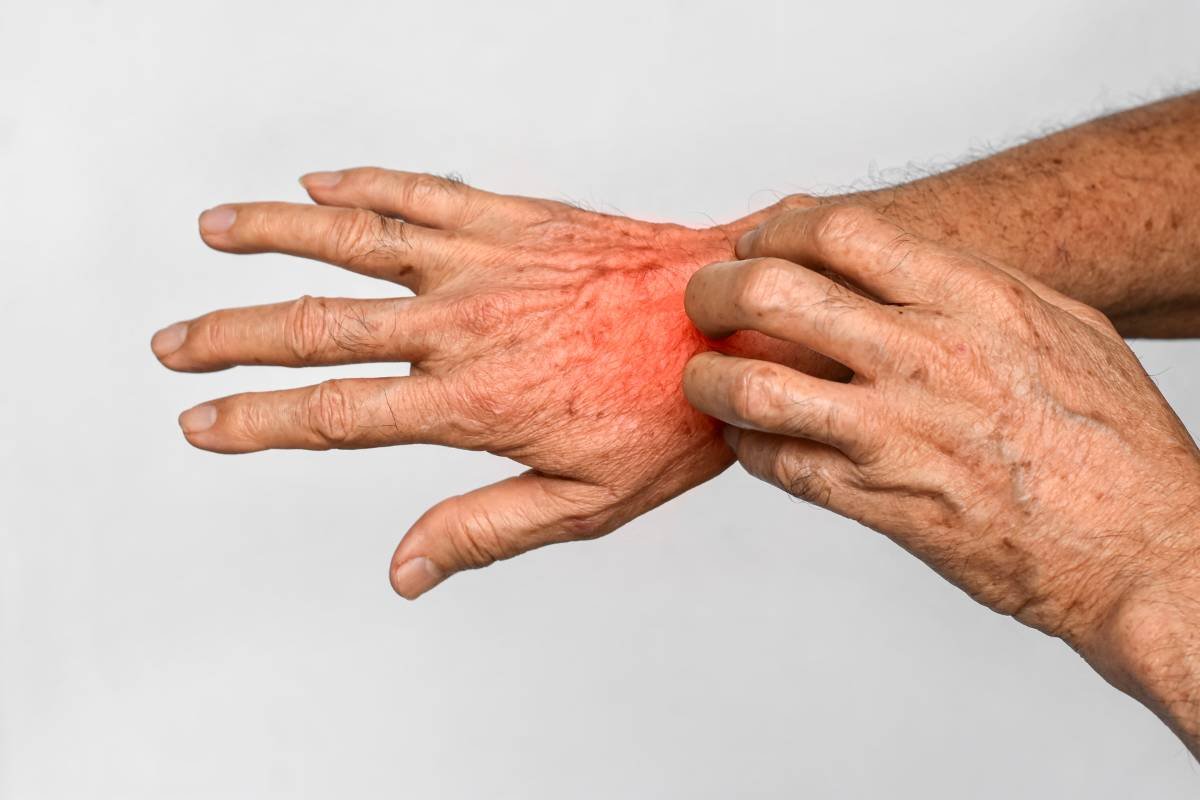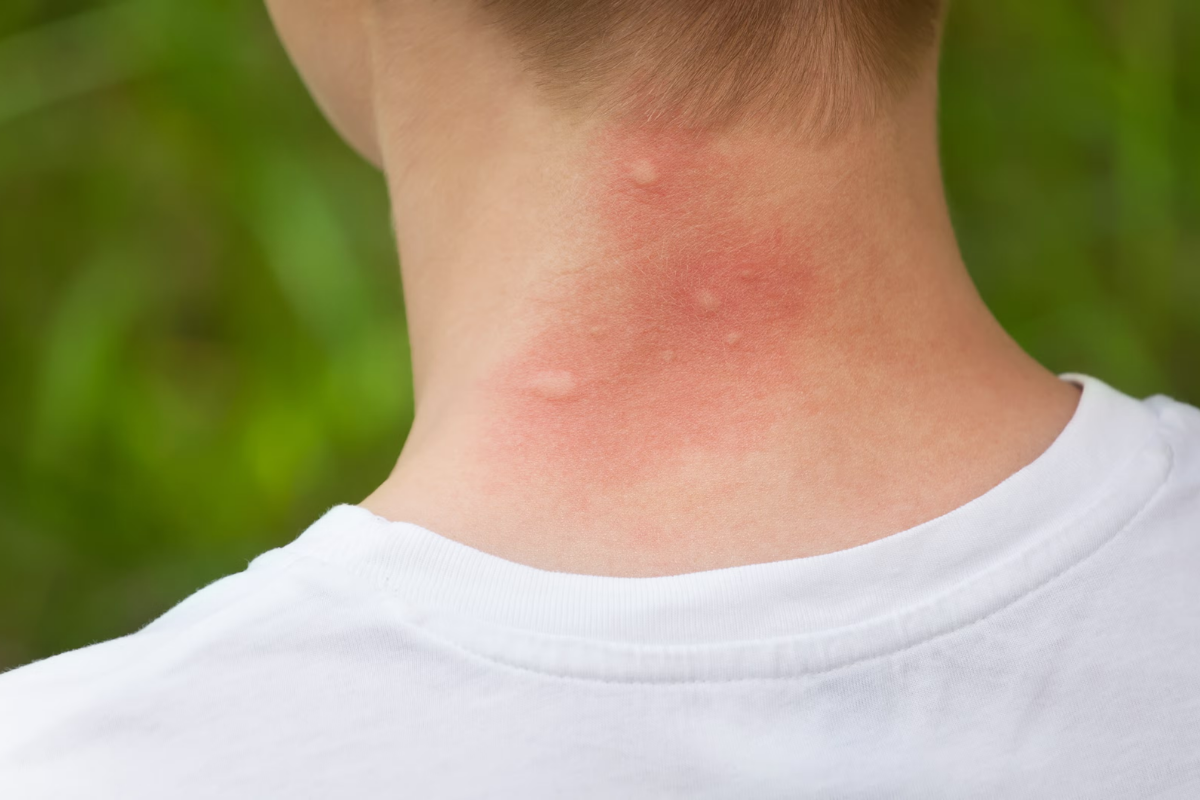
When you wake up and see red, itchy bites but no signs of bugs? Millions of people are searching their sheets with a flashlight. Because of this frustrating mystery. This makes them feel as though their own home has turned against them. In addition to irritating your skin. This invisible threat can cause anxiety, insomnia, and unnecessary treatment costs.
Regaining your health and peace of mind requires figuring out who the real offender is. This guide explores the “ghost bites” phenomenon. It can also help you distinguish between non-insect triggers. For example, allergens or skin conditions. Along with elusive pests like bed bugs or mites. You’ll learn exactly what to look for and when it’s time to call in the professionals.
What Does “Bites But No Signs of Bugs” Really Mean?
When you have “bites but no signs of bugs.” You are dealing with a physical mystery. It can be stinging or visible skin irritation without an obvious cause. Although we tend to blame “ghost bugs.” The real insect bites usually leave distinctive calling cards. Like linear tracks, central puncture marks, or particular clustering. Insects may not be the cause at all if you have stripped the bed and noticed no shells or spotting.
Dermatologists and pest control experts commonly see patients. Who reports itchy, bite-like marks with no visible insects? Especially after travel, seasonal changes, or indoor environmental shifts.
It’s also vital to remember that not everyone experiences the same skin reactions. These marks typically show up as bright red bumps on lighter skin. But they can also show up as purplish, brown, or deep pink spots on darker skin tones. In contrast to a concealed infestation. This variation and the absence of physical evidence. It frequently indicates environmental triggers, heat rashes, or microscopic allergens.
Common Insects That Bite Even If You Don’t See Them:
The pattern and location of the marks can offer important hints. Even if you are unable to identify a crawling offender. Many pests have become experts at camouflage. They remain undetectable during the day. And only show up when you are asleep or motionless.
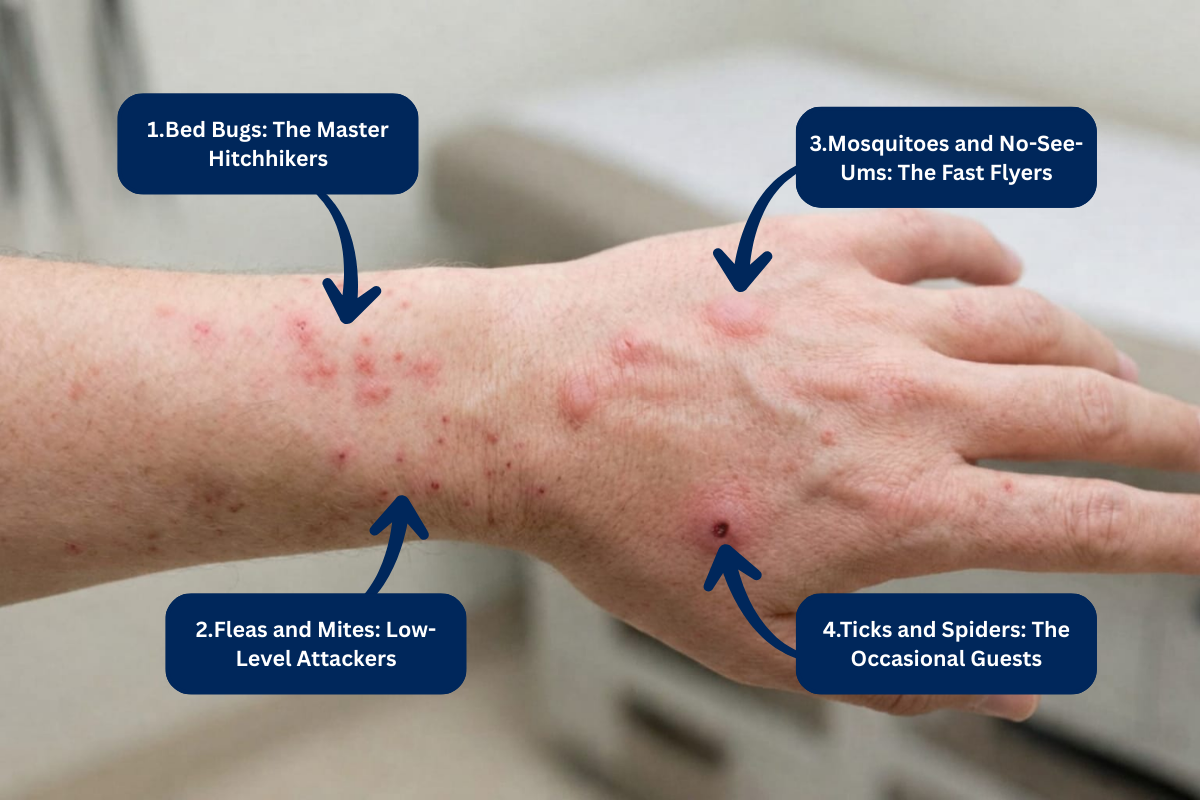
1. Bed Bugs: The Master Hitchhikers
Bed bugs are the most common reason for experiencing bites but no signs of bugs. Because they are photophobic, meaning they actively flee from light. They spend 90% of their lives tucked away. They can be found in deep crevices, baseboards, or internal furniture frames. They only emerge for a few minutes in the darkest hours of the night to feed.
Because their saliva contains a mild anesthetic. You won’t feel the bite as it happens, and the bug is usually back in its hiding spot before you even wake up. Their flat bodies allow them to survive for months without a meal. This means an infestation can persist silently for a long time. Before you find a single physical insect.
The Signs: Look for “breakfast, lunch, and dinner” patterns, three or four bites in a straight line or cluster.
The Evidence: You might find tiny rust-colored blood spots on sheets. Along with translucent hollow skins (exoskeletons). Or a sweet, musty odor in heavily infested areas.
2. Fleas and Mites: Low-Level Attackers
Mites are often the most frustrating culprits. Because many species are literally too small for the human eye to detect. Scabies mites actually burrow underneath the top layer of your skin to lay eggs. This causes intense, “phantom” itching and pimple-like rashes without any external insect presence. Bird or rodent mites can enter homes through vents or chimneys. If a nest is nearby, these tiny specs are nearly transparent. And they move rapidly, making them almost impossible to catch. Because they don’t stay on the host for long. You are left with itchy welts and zero visible evidence of what caused them.
The Signs: Flea bites are usually small, hard red bumps. It can be located primarily around the feet, ankles, and lower legs.
The Evidence: Mites often cause intense itching that worsens at night. Sometimes leaving thin, wavy burrows under the skin.
3. Mosquitoes and No-See-Ums: The Fast Flyers
Biting midges, aptly nicknamed “no-see-ums.” They are so small (often less than 3mm). They can fly right through standard window screens undetected. They are most active during the humid hours of dawn and dusk. Delivering a bite that feels significantly more painful than a mosquito bite. Despite their smaller size. Because they are so lightweight and fast. You rarely see them land or fly away. You simply notice the burning sensation or the resulting red bump after the fact. In many climates, these pests are the leading cause of bites but no signs of bugs. During the warmer months, they leave no trace of their presence behind.
The Signs: Their bites often feel more like a sharp prick or a burn and can result in large, itchy welts that last for days.
The Evidence: These are most common near water or damp soil, especially during dawn and dusk.
4. Ticks and Spiders: The Occasional Guests
While we often associate fleas with visible hopping. A small infestation in a carpeted home can be remarkably difficult to spot. Fleas are incredibly fast and can jump up to 150 times their own body length. This allows them to strike your ankles. And vanish into carpet fibers or floorboard cracks in a fraction of a second. They often prefer the lower extremities. This leaves clusters of small, itchy red halos around the feet. Unless the population is high enough to see them “peppering” your socks. You may experience weeks of consistent biting without ever laying eyes on a single live flea.
The Signs: Spider bites are usually isolated (just one mark) and may have two tiny puncture points. Ticks sometimes leave a “bullseye” rash or a persistent, hardened lump.
The Evidence: Check “warm” spots on your body. Such as behind your knees or in your hair, after being outdoors in wooded or grassy areas.
Read Next: How to Identify Common Bug Bites So You Don’t Panic Next Time?
When It Looks Like Bites, But Isn’t an Insect:
When you experience irritation that looks like bites but no signs of bugs. The cause is often physiological or environmental rather than entomological. To ensure an accurate diagnosis and maintain health standards. It is vital to consider medical alternatives that mimic insect trauma.
- Allergic Skin Conditions: Hives, or urticaria, are a primary culprit. These itchy, raised welts can appear suddenly. Due to food allergens, medications, or high-stress levels. Often migrating across the body in a way that mimics a traveling insect.
- Rashes and Inflammations: In warmer climates, heat rash (miliaria) occurs. When sweat ducts become blocked, causing small, stinging, red bumps. Additionally, chronic conditions like dermatitis herpetiformis. It is an autoimmune response linked to celiac disease. This can produce clusters of extremely itchy blisters. They are frequently mistaken for persistent bug bites.
- Environmental Triggers: New laundry detergents, synthetic fabrics, or even friction from sweat. It can cause contact dermatitis. Furthermore, the “psychosomatic itch” response. This is where stress triggers a physical sensation of crawling skin. It can lead to scratching and secondary skin lesions that look identical to bites.
According to dermatology guidelines. Along with public health recommendations from organizations such as the CDC and WHO. Unexplained bite-like rashes should be evaluated. Based on pattern, duration, associated symptoms, and exposure history rather than appearance alone.
How to Tell If It’s a Bug Bite: Step-by-Step Guide:

Determining the cause of mystery marks requires a systematic approach. If you are dealing with bites but no signs of bugs. Use this checklist to narrow down the source:
- Inspect Patterns & Location: Examine the layout of the marks. Bed bugs typically bite exposed skin (arms, neck) in linear “rows.” Whereas fleas focus on the lower legs and ankles in irregular clusters.
- Search for Environmental Evidence: Use a magnifying glass. This helps to check mattress seams and furniture joints. It can find tiny black specks (fecal spotting) and translucent shed skins. Or minute rust-colored blood stains on sheets.
- Capture or Trap for Proof: Since many biters are nocturnal. Place sticky traps or interceptor cups under bed legs. You can also use UV light traps to attract small flying insects. Like no-see-ums that are otherwise invisible.
- Document the Reaction: Photograph the marks daily. Tracking the progression, color, and shape of the irritation. It can provide vital evidence for healthcare providers. And helps to distinguish between a bite and a dermatological condition.
When to See a Healthcare Professional?

Although the majority of mystery marks are harmless. Some symptoms need to be treated by a doctor in order to avoid complications. If you see any symptoms of infection. Such as increased swelling, localized heat, or pus surrounding the site. You should see a doctor right away.
Additionally, a tick-borne illness or a more serious underlying condition. It may be indicated if your “bites but no signs of bugs” are accompanied by systemic symptoms. Like fever, exhaustion, or a widespread rash that spreads quickly. These symptoms indicate a severe allergic reaction (anaphylaxis). You should always seek emergency care. If you have trouble breathing, a swollen tongue, or dizziness. Keeping track of the marks’ development. It can assist your physician in distinguishing. Especially between a medical skin condition and a parasitic problem.
Read Next: Bed Bug vs Chigger Bite Explained So You Can Stop Guessing
Conclusion
Maintaining a balance between alertness and medical knowledge is necessary. When you are dealing with the annoyance of bites but no signs of bugs. Finding the true root of your symptoms is the only way to get long-lasting relief. Whether they are caused by environmental triggers. Such as contact dermatitis or elusive pests like bed bugs. The best course of action is to speak with a dermatologist or a pest control specialist. If home inspections and traps produce no tangible evidence. You can end the uncertainty and safeguard your health. Also, restore your home’s comfort and security. By recording your symptoms and taking prompt action.
FAQ:
1. Can bedbugs bite without leaving visible signs?
Yes. Bedbugs are excellent at hiding and may bite at night without being seen. In early infestations, there may be no obvious signs such as stains, shed skins, or clusters of bugs. Bite patterns are often in lines or groups on exposed skin. It can sometimes be the first clue before physical evidence appears.
2. Are invisible insects really a thing?
Some biting organisms are extremely small. Mites, chiggers, and no-see-ums (biting midges). They can bite without being easily visible to the naked eye. Their bites may appear suddenly. Especially after outdoor exposure, travel, or contact with animals.
3. Can stress or anxiety cause bite-like marks on the skin?
Yes. Stress can trigger or worsen conditions such as hives or stress-induced itching. These reactions may look like bites and feel intensely itchy. And it can appear without any external cause. This is sometimes referred to as a psychophysiological skin response.
Disclaimer:
This content is for informational purposes only. And does not replace professional medical advice, diagnosis, or treatment.