Nearly 60% of the human body is made up of water, yet even a 1–2% drop in hydration levels can impact energy, focus, and physical performance. What’s more surprising is that not all drinks hydrate the body equally. A study published in the American Journal of Clinical Nutrition found that certain beverages, especially those containing electrolytes and nutrients, can hydrate the body significantly better than plain water by improving fluid retention over time.
This is where the idea of the best hydrating drinks becomes crucial. Hydration is not just about drinking more fluids; it’s about choosing drinks that your body can absorb and retain efficiently at a cellular level. Electrolytes like sodium and potassium help regulate fluid balance, while carbohydrates and proteins can slow down how quickly liquids leave the body, keeping you hydrated for longer.
From milk and oral rehydration solutions to coconut water and sports drinks, science-backed options are reshaping how we think about hydration. As daily routines grow more demanding, whether due to fitness, long work hours, or rising temperatures, understanding and choosing the hydrating drinks can make a measurable difference in your overall health, stamina, and performance.
The Science of Cellular Rehydration
Once fluids enter the body, hydration depends on how efficiently they are distributed across cells and tissues. This process is governed by biological mechanisms that ensure water reaches where it’s needed most, supporting functions like temperature control, nutrient transport, and toxin removal.
Here’s what happens at a deeper level:
| Osmosis and Fluid Movement | Water moves across cell membranes based on concentration gradients, ensuring cells maintain optimal hydration levels. |
| Fluid Retention Time | Not all fluids stay in the body equally. Some are retained longer, allowing sustained hydration instead of quick loss. |
| Hormonal Regulation (ADH Function) | The body uses hormones like antidiuretic hormone to control how much water the kidneys conserve or excrete. |
| Electrochemical Balance | Proper internal balance helps maintain consistent hydration without causing fluctuations in fluid levels. |
| Absorption Efficiency | Certain beverages support smoother absorption into the bloodstream, improving how effectively hydration reaches cells. |
Research published in the American Journal of Clinical Nutrition suggests that drinks aligned with these biological processes help maintain a more stable hydration equilibrium. This is why the best hydrating drinks are not just about fluid intake; they’re about how well the body can utilize and retain that fluid.
In essence, hydration is a coordinated system rather than a single action. Understanding this science makes it easier to identify the best hydrating drinks that truly support long-lasting hydration.
What is the Beverage Hydration Index (BHI)?
To make hydration measurable, scientists introduced the Beverage Hydration Index (BHI), a benchmark that compares how well different drinks hydrate the body relative to water.
- Baseline Score: Water = 1.0
- Above 1.0: Better fluid retention than water
- Below 1.0: Faster fluid loss, less effective hydration
How BHI is measured:
- Tracks fluid retention over time
- Monitors urine output levels
- Evaluates overall hydration balance in the body
Research published in the American Journal of Clinical Nutrition shows that drinks with a balanced composition tend to achieve higher BHI scores, making them more effective for sustained hydration.
In simple terms, BHI helps identify the hydrating drinks based on real scientific performance, not just perception.
Ranking the Best Hydrating Drinks (Based on BHI)

With clearly defined parameters, we can now rank the best hydrating drinks in a way that is both scientific and practical. The table below combines BHI data with nutritional and real-world usability factors, making it easier to compare and choose the right option.
1. Oral Rehydration Solution (ORS)
| BHI Score | 1.5 – 1.7 |
| Sugar (per 100ml) | 1.3–1.5 |
| Calories | 6–10 |
| Best For | Illness, dehydration |
| Type | Processed |
Oral Rehydration Solutions are specifically formulated to address fluid loss with precision. Their combination of sodium and glucose enables faster absorption in the small intestine, improving hydration efficiency. This formulation helps reduce dehydration symptoms more effectively than plain fluids. It is widely used in medical settings, especially for conditions involving fluid imbalance. Its reliability makes it a preferred choice during illness or extreme heat conditions.
2. Milk (Skim/Full-Fat)
| BHI Score | 1.4 – 1.5 |
| Sugar (per 100ml) | 4.5–5 |
| Calories | 60–65 |
| Best For | Recovery, daily nutrition |
| Type | Natural |
Milk stands out as one of the most surprising yet effective best hydrating drinks due to its nutrient-rich composition. It contains a mix of protein, fat, and natural sugars, which slows digestion and helps retain fluids longer in the body. This results in sustained hydration rather than quick absorption and loss. Studies show that milk can outperform water in hydration retention, especially after physical exertion.
3. Coconut Water
| BHI Score | 1.2 – 1.3 |
| Sugar (per 100ml) | 3–4 |
| Calories | 18–20 |
| Best For | Daily hydration, summer |
| Type | Natural |
Coconut water is naturally rich in potassium, which plays a key role in maintaining fluid balance. Its light composition makes it easy to consume without feeling heavy. It provides hydration along with essential micronutrients, making it a popular choice in warm climates. Compared to artificially formulated drinks, it offers a cleaner ingredient profile. Its refreshing taste also encourages consistent fluid intake.
4. Sports Drinks
| BHI Score | 1.1 – 1.2 |
| Sugar (per 100ml) | 6–8 |
| Calories | 24–32 |
| Best For | Intense workouts |
| Type | Processed |
Sports drinks are designed to replenish fluids lost during intense physical activity, making them one of the situational best hydrating drinks. They contain a mix of electrolytes and carbohydrates that help maintain energy levels and hydration during workouts. These drinks are particularly useful for endurance athletes or individuals engaging in prolonged exercise. However, their sugar content makes them less suitable for regular daily hydration. When used appropriately, they can significantly improve performance and recovery.
5. Fresh Fruit Juice
| BHI Score | 1.0 – 1.1 |
| Sugar (per 100ml) | 8–10 |
| Calories | 40–45 |
| Best For | Energy + hydration |
| Type | Natural |
Fresh fruit juices contribute to hydration while delivering vitamins and antioxidants. Their natural sugar content provides a quick source of energy. However, higher sugar levels can influence how efficiently fluids are retained in the body. Consuming them in moderate quantities helps balance hydration and calorie intake. Opting for freshly prepared versions ensures better nutritional value.
6. Water (Still/Sparkling)
| BHI Score | 1.0 |
| Sugar (per 100ml) | 0 |
| Calories | 0 |
| Best For | Everyday hydration |
| Type | Natural |
Water remains the most fundamental and accessible option among all the best hydrating drinks. It is calorie-free, widely available, and essential for maintaining basic hydration levels. While it is absorbed quickly, it is also lost more rapidly compared to drinks with added nutrients. This makes it ideal for frequent consumption throughout the day. Despite not having the highest retention rate, water is still the foundation of any hydration strategy.
7. Herbal Teas
| BHI Score | 0.9 – 1.0 |
| Sugar (per 100ml) | 0 |
| Calories | 1-2 |
| Best For | Light hydration, wellness |
| Type | Natural |
Herbal teas provide a gentle way to maintain fluid intake throughout the day. They are typically free from caffeine, which helps avoid excessive fluid loss. Many varieties contain antioxidants that support overall wellness. Their mild composition makes them suitable for regular consumption. They also add variety to hydration without contributing extra calories or sugar.
Best Hydrating Drinks for Specific Lifestyles

Hydration needs are not the same for everyone. Factors like activity level, climate, health condition, and daily routine play a major role in determining which drinks work best. Instead of relying on a single option, aligning hydration choices with your lifestyle ensures better fluid balance and overall performance.
1. For Athletes & Fitness Enthusiasts
| Hydration Priority | Electrolyte replenishment + energy |
| Ideal Drinks | Sports drinks, Coconut water, Milk |
| Hydration Speed | Fast to Moderate |
| When to Consume | During & after workouts |
During intense workouts, the body loses fluids along with essential electrolytes through sweat. Rehydration in this case requires drinks that can quickly restore electrolyte balance and support energy levels. Options like sports drinks and coconut water are effective due to their balanced composition. Post-workout recovery also benefits from nutrient-rich choices like milk. The goal here is rapid replenishment and sustained recovery.
2. For Daily Office & Sedentary Lifestyle
| Hydration Priority | Consistent fluid intake |
| Ideal Drinks | Water, Herbal teas, infused water |
| Hydration Speed | Moderate |
| When to Consume | Throughout the day |
For individuals with low physical activity, hydration should focus on consistency rather than intensity. Frequent intake of simple fluids helps maintain balance without adding unnecessary calories or sugars. Water remains the most practical option, while herbal teas and infused water add variety. These choices support hydration without overloading the system. The focus is steady intake throughout the day, making them some of the best hydrating drinks for a sedentary lifestyle.
3. For Illness & Recovery
| Hydration Priority | Rapid rehydration + electrolyte balance |
| Ideal Drinks | ORS, Broths, Coconut water |
| Hydration Speed | Fast |
| When to Consume | At regular intervals during recovery |
When the body is dealing with illness, hydration becomes critical for restoring fluid and electrolyte balance. Conditions like fever, vomiting, or diarrhea can lead to rapid fluid loss. In such cases, scientifically formulated solutions help improve absorption and reduce dehydration risks. Easily digestible liquids are preferred to avoid additional strain on the body. The focus is on quick and efficient rehydration.
4. For Hot Climate & Summer Conditions
| Hydration Priority | Fluid + electrolyte replacement |
| Ideal Drinks | Coconut water, Water, Fresh juices |
| Hydration Speed | Moderate |
| When to Consume | Frequently throughout the day |
High temperatures increase sweat loss, which can quickly lead to dehydration if not managed properly. Hydration in such environments requires drinks that replace both fluids and electrolytes effectively, making the best hydrating drinks essential for maintaining fluid balance. Light, refreshing options with natural electrolyte content are often preferred. Frequent intake in smaller quantities helps maintain balance. Cooling beverages also improve overall comfort.
5. For Weight Management & Wellness
| Hydration Priority | Low-calorie hydration |
| Ideal Drinks | Water, Herbal teas, Infused water |
| Hydration Speed | Moderate |
| When to Consume | Throughout the day |
For those focusing on weight control, hydration choices should be low in calories and free from added sugars. The goal is to maintain fluid balance without increasing caloric intake. Clean, simple beverages work best in this scenario. Adding variety through natural infusions can improve adherence. Hydration here supports metabolism and overall wellness.
What to Avoid: The Dehydration Traps
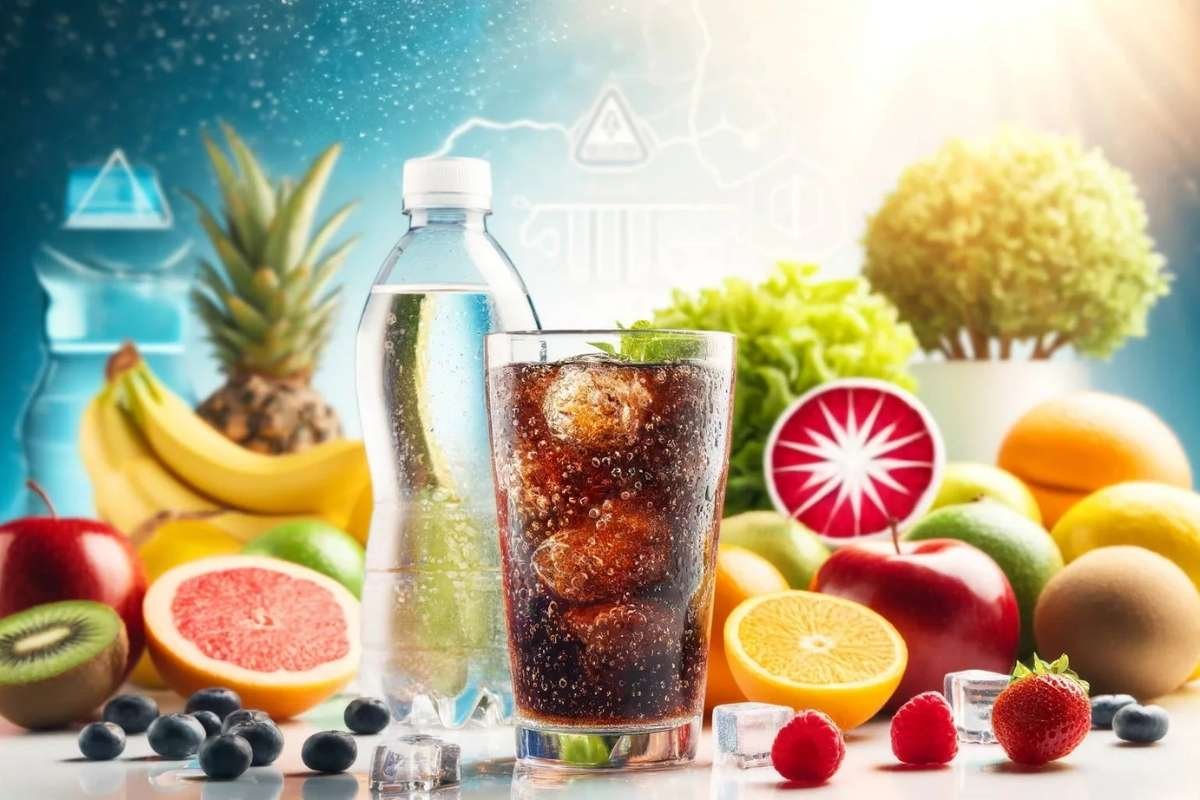
While choosing the best hydrating drinks is important, avoiding the wrong ones is equally critical. Some beverages may seem refreshing but can actually disrupt fluid balance, increase fluid loss, or reduce hydration efficiency. Understanding these “dehydration traps” helps prevent counterproductive choices, especially in hot climates or during physical activity.
1. Sugary Carbonated Drinks
Soft drinks often contain high amounts of added sugar, which can slow down fluid absorption and lead to temporary spikes in blood sugar levels. This can increase thirst rather than satisfy it. Additionally, their low electrolyte content makes them ineffective for maintaining hydration. Regular consumption may also contribute to unnecessary calorie intake. They are best consumed occasionally rather than as a primary fluid source.
2. Energy Drinks
Energy drinks combine caffeine and sugar, both of which can affect hydration levels when consumed in excess. Caffeine has a mild diuretic effect, which may increase urine output in sensitive individuals, making them far from the best hydrating drinks for maintaining fluid balance. While they provide a temporary energy boost, they do not effectively support sustained hydration. Their high stimulant content also makes them unsuitable for frequent use. These are not ideal for hydration-focused consumption.
3. Alcoholic Beverages
Alcohol is one of the most well-known dehydrating agents due to its strong diuretic effect. It suppresses the hormone responsible for water retention, leading to increased fluid loss. This can result in dehydration symptoms such as headaches and fatigue. Even beverages with lower alcohol content can impact hydration if consumed in large amounts. Balancing intake with water is essential to minimize its effects.
Conclusion:
Hydration is far more nuanced than simply drinking water; it’s about choosing fluids that the body can efficiently absorb, retain, and utilize. As the science behind hydration shows, factors like electrolyte balance, nutrient composition, and fluid retention play a critical role in determining how effective a drink truly is.
The concept of the best hydrating drinks goes beyond convenience or taste. From high-performance options like oral rehydration solutions and milk to everyday staples like water and coconut water, each beverage serves a specific purpose depending on lifestyle, environment, and physical needs. No single drink fits all situations, which makes a personalized approach to hydration essential.
Equally important is being mindful of beverages that hinder hydration. Avoiding high-sugar, high-caffeine, and alcoholic drinks can prevent unnecessary fluid loss and help maintain a stable hydration balance.
In a world where physical demands, climate conditions, and daily routines are constantly evolving, making informed hydration choices can significantly impact energy levels, focus, and overall well-being. The key lies in consistency, balance, and selecting the right drink at the right time, ensuring your body stays optimally hydrated in every situation.
FAQs: Common Questions About Hydration
1. Which drink hydrates the fastest?
The best hydrating drinks often contain a balanced mix of sodium and glucose, allowing them to be absorbed more efficiently by the body. These combinations help improve fluid uptake in the intestines. As a result, they are often used in situations requiring quick rehydration. Plain water works quickly, too, but may not stay in the body as long. The effectiveness depends on both speed and retention.
2. Is water enough for daily hydration?
Water is essential and forms the foundation of daily hydration. For most people with a low-activity lifestyle, it is sufficient when consumed regularly. However, in cases of heavy sweating, illness, or extreme heat, additional support may be needed. This is where electrolyte-containing beverages become useful. A balanced approach works best.
3. Are sports drinks good for everyday use?
Sports drinks are designed for high-intensity physical activity. They help replace electrolytes and provide quick energy during prolonged exercise, but they are not always the best hydrating drinks for everyday use. However, their sugar content makes them less suitable for regular daily consumption. Using them only when needed is the ideal approach. For routine hydration, simpler options are more appropriate.
4. Can too much water be harmful?
Yes, excessive water intake in a short period can dilute sodium levels in the body. This condition, known as hyponatremia, can disrupt normal bodily functions. While it is rare, it highlights the importance of balanced hydration. Drinking according to thirst and activity level is recommended. Moderation is key even with water.
5. What is the best time to hydrate during the day?
Hydration should be consistent rather than limited to specific times. Starting the day with fluids helps restore balance after overnight fasting. Drinking small amounts regularly throughout the day is more effective than consuming large quantities at once. Additional intake is important before, during, and after physical activity. Consistency ensures optimal hydration levels, especially when choosing the best hydrating drinks for your daily routine.