Drinking a glass of water every day, trusting it like an old friend, only to realize later that it was quietly working against you. Sounds like a bad movie plot, right? Sadly, this happens in real life. Arsenic Poisoning does not announce itself with drama. It enters silently, stays patient, and slowly weakens the body.
The good news? Awareness beats fear every time.
When you understand what arsenic does, how it enters your life, and how to stop it, you regain control.
This article keeps things simple, honest, and useful, because health advice should feel like a helpful conversation, not a medical lecture.
What Is Arsenic Poisoning?
Arsenic Poisoning happens when arsenic builds up in the body beyond safe levels. Arsenic is a natural element found in soil, rocks, and water. Small amounts exist everywhere, but long-term exposure turns dangerous.
People often get arsenic through contaminated groundwater, especially in rural areas. It also enters the body through rice, vegetables grown in polluted soil, industrial fumes, and old pesticides. The body cannot use arsenic for anything useful. It only stores it, and over time, damage starts.
This condition does not hit all at once. It works slowly. Skin, nerves, lungs, liver, and even the heart feel the effects first. That is why many people miss early signs and blame stress or aging instead.
Common Symptoms You Should Never Ignore

Early symptoms often look harmless. That makes Arsenic Poisoning tricky.
General Symptoms:
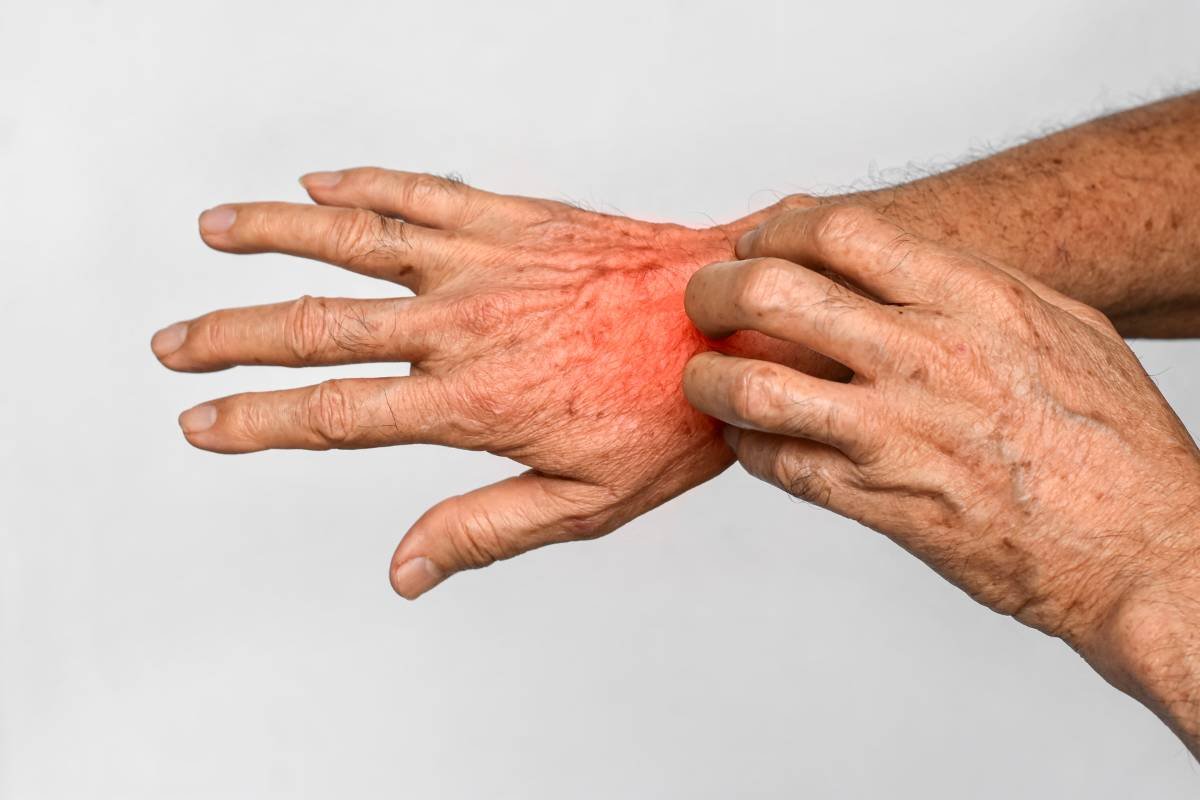
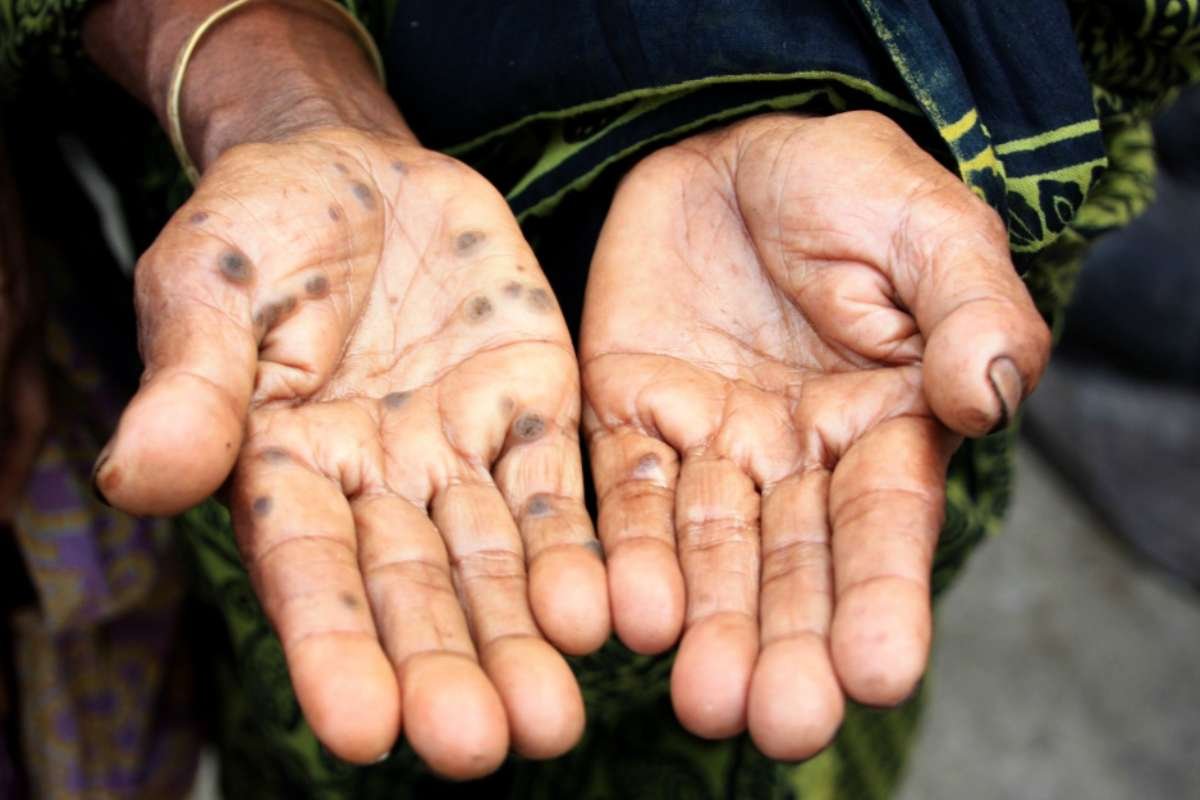
- Dark patches or thick skin on hands and feet
- Constant stomach pain or loose motion
- Numbness or tingling in fingers
- Tiredness without reason
- Headaches and dizziness
Long-Term Symptoms:
- Skin lesions
- Breathing trouble
- Weak immunity
- Increased cancer risk
Symptoms and Age-Wise Treatment
1. Children
Children are more sensitive to toxins because their bodies are still growing. Their organs, brain, and immune system develop every day. When arsenic enters a child’s body, it spreads faster and causes damage sooner.
Common symptoms in children include:
- Slow physical growth compared to other children
- Frequent fever, cough, or infections
- Stomach pain or loose motion
- Trouble concentrating or learning at school
- Feeling tired even after rest
These signs often look like normal childhood issues, so parents may ignore them.
Care and treatment:
The first and most important step is testing the drinking water. If arsenic appears in water, stop using it immediately. Give the child clean, filtered, or bottled water. A fresh diet with fruits, vegetables, milk, and proteins helps the body recover. Doctors monitor growth, nutrition levels, and overall health to prevent long-term damage.
2. Adults

Adults usually face long-term exposure through water, food, or work environments. Since adults often ignore early discomfort, symptoms build slowly.
Common symptoms in adults include:
- Constant stomach pain or digestive problems
- Dark patches or thick skin on hands and feet
- Tingling or numbness in fingers and toes
- Weakness and low energy
- Headaches or dizziness
Over time, untreated exposure can affect nerves, skin, lungs, and internal organs.
Care and treatment:
Treatment starts by stopping the source of exposure. Blood and urine tests help doctors measure arsenic levels. In moderate cases, doctors suggest diet changes, vitamin support, and hydration. In severe cases of Arsenic Poisoning, medicines help remove arsenic from the body. Regular follow-ups ensure the levels drop safely.
3. Elderly
Older adults feel the effects sooner because their organs already work more slowly due to age. The liver and kidneys struggle to remove toxins, so arsenic stays longer in the body.
Common symptoms in elderly people include:
- Extreme tiredness
- Memory problems or confusion
- Loss of appetite
- Joint pain and muscle weakness
- Worsening of existing heart or kidney problems
Even small exposure can cause serious harm in this age group.
Care and treatment:
Regular medical checkups help catch problems early. Doctors recommend using filtered water for drinking and cooking. A balanced diet with minerals like zinc and selenium supports detox. Managing existing health conditions becomes very important during recovery.
Read Next: Heavy Metal Poisoning Signs That Can Save Your Health
How do doctors treat severe cases?
Doctors always begin treatment by removing the source of exposure. Without this step, no medicine works fully. In serious cases of Arsenic Poisoning, special medicines bind arsenic and help flush it out through urine. Treatment happens under strict medical supervision to avoid side effects.
Early care saves lives. Late care increases complications.
How to Take Care of and Protect Yourself?
Prevention works better than treatment.
- Use certified water filters
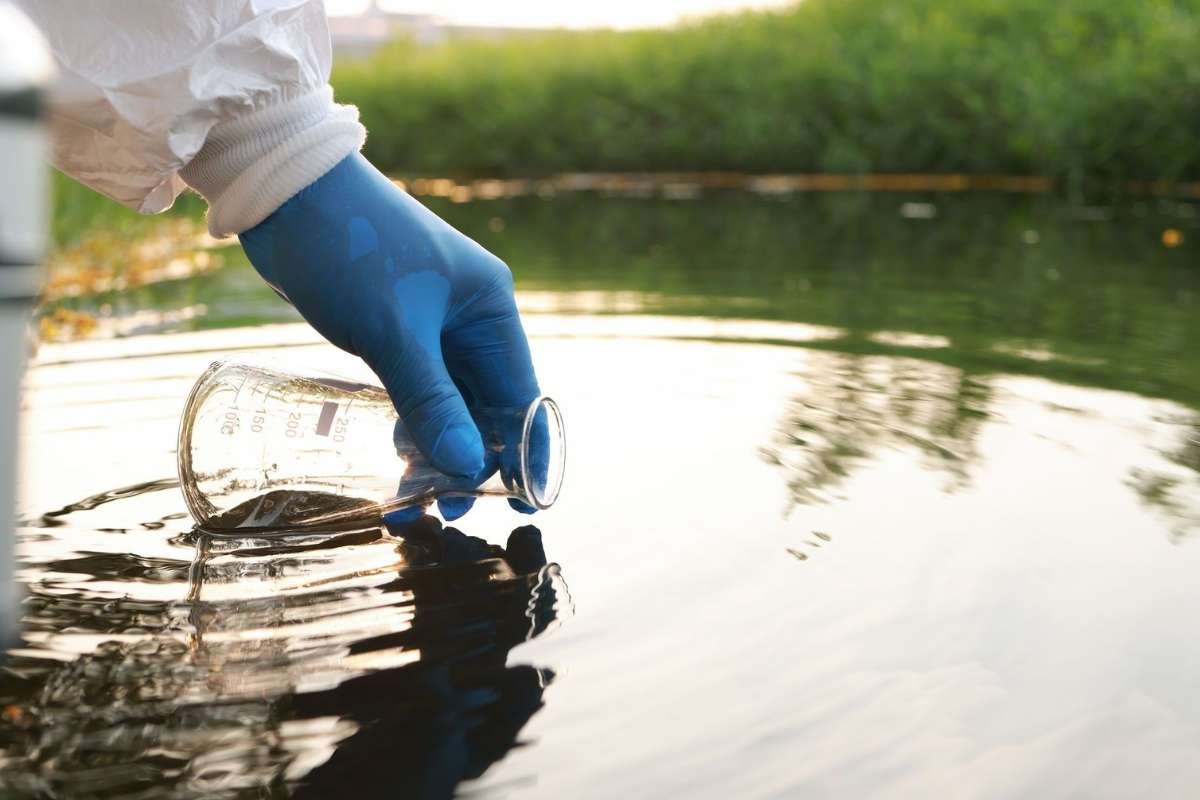
- Test well water once a year
- Wash rice thoroughly and cook with excess water
- Eat foods rich in zinc and selenium
- Avoid industrial smoke exposure
Daily habits matter. Small changes reduce long-term risk from Arsenic Poisoning more than people expect.
Facts
- Over 140 million people worldwide face arsenic exposure
- Long-term exposure is linked to skin and lung cancer
- Safe water reduces risk by over 60%
Why This Issue Still Exists?
Even today, many regions rely on untreated groundwater. Testing costs money. Awareness stays low. Arsenic Poisoning thrives where information does not reach people.
Governments now promote safer water programs, but personal awareness still plays the biggest role.
Conclusion
At the start, we talked about trust, trusting the water you drink every day. That trust should come with knowledge. Arsenic Poisoning proves that invisible threats need visible action.
When you choose clean water, balanced food, and regular health checks, you send a clear message to your body: “I have your back.” Awareness does not create fear.
It builds strength. Stay informed. Stay careful. And keep choosing health, one smart habit at a time.