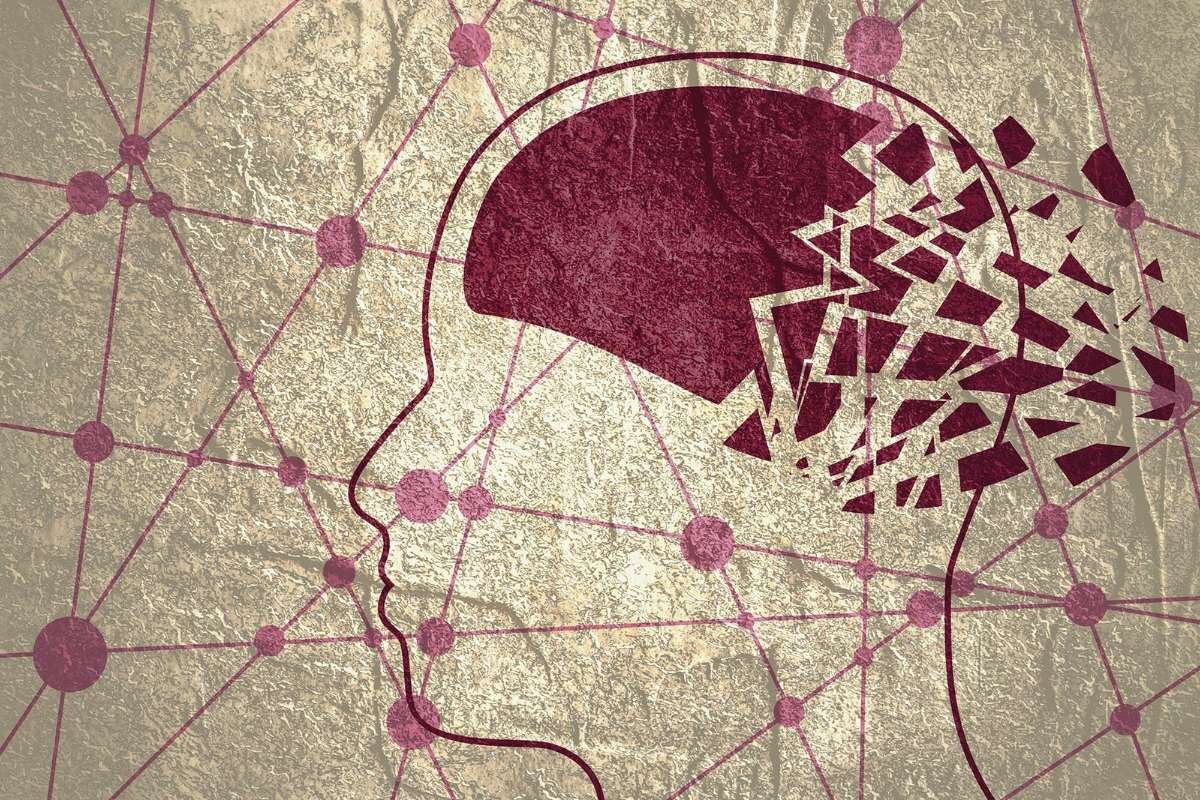
Scientists report that age-related memory loss may be driven by gut microbiome changes disrupting brain signaling, and experiments in mice show cognitive decline can be reversed by targeting inflammation and restoring gut-brain communication.
Researchers have identified a biological pathway linking gut bacteria, immune responses, and brain function that could reshape how scientists understand aging and memory decline, according to a study published March 11 in Nature.
The findings suggest cognitive decline may not originate solely in the brain but instead result from signals traveling between the gut and brain through the vagus nerve, offering potential targets for future treatments.
Scientists Link Gut Microbiome Changes To Memory Decline
The study shows that aging-related shifts in gut microbes produce molecules that interfere with communication between the intestine and brain. Researchers found these disruptions impair memory performance in mice.
“Our results indicate that cognitive aging is influenced by signals coming from outside the brain,” said senior author Christoph Thaiss, a researcher involved in the study. “The gut appears to play a central role in regulating brain health.”
Scientists focused on interoception, the body’s ability to sense internal physiological conditions. Signals transmitted through the vagus nerve help maintain brain function, but the study found these signals weaken with age.
To test the connection, researchers transplanted gut microbiomes from older mice into younger ones. The younger animals developed memory problems similar to those seen in aging mice, suggesting microbial changes directly affect cognition.
When scientists removed gut microbes using antibiotics, memory performance improved. Mice raised without microbiomes also showed slower cognitive decline as they aged, providing important evidence about the mechanisms behind Age-related memory loss.
Inflammation Pathway Identified As Key Driver
Researchers traced the problem to a bacterium called Parabacteroides goldsteinii, which increases in aging mice. The microbe produces medium-chain fatty acids that activate immune cells and trigger inflammation.
The immune response releases a molecule known as IL-1β, which disrupts sensory neurons connected to the vagus nerve. That disruption ultimately affects the hippocampus, a brain region essential for memory formation.
“This study maps a complete pathway from microbial activity in the gut to changes in brain function,” said co-author Maayan Levy. “It provides a mechanistic explanation for how aging outside the brain influences cognition.”
Scientists tested several interventions to interrupt the process. A bacteriophage designed to target the harmful bacterium reduced inflammatory signals and helped restore memory performance in older mice, offering new insights into Age-related memory loss.
Direct stimulation of the vagus nerve also reversed cognitive deficits. Treatments using gut hormones such as CCK and drugs that activate GLP-1 receptors, similar to medications used for diabetes and weight management, improved memory outcomes.
Findings Challenge Traditional View Of Brain Aging
The research challenges long-standing assumptions that Age-related memory loss stems primarily from irreversible brain deterioration.
Instead, the study suggests cognitive aging may be influenced by body-wide processes that remain modifiable. Researchers say therapies targeting gut microbes, immune responses, or nerve signaling could eventually help prevent memory loss.
Because the experiments were conducted in mice, scientists caution that human applications remain uncertain. Further clinical studies are needed to determine whether the same biological pathway operates in people.
Early clinical observations offer some support. Vagus nerve stimulation is already used to treat severe epilepsy and aid stroke recovery, and some patients receiving the therapy have reported improved cognitive function.
Future research will examine whether similar approaches could help people with neurodegenerative diseases or dementia, as well as individuals experiencing cognitive decline linked to chronic inflammation or infection.
“This work opens a new framework for studying aging,” Thaiss said. “If confirmed in humans, it suggests memory loss might be reversible by targeting systems beyond the brain.”
The study, conducted by an international team of scientists, was published under the title ‘Intestinal interoceptive dysfunction drives Age-related memory loss.’