Roughly one in three people with depression fail to respond to standard antidepressants, and many with PTSD remain symptomatic after therapy. That gap explains the surge in research. In a 2021 phase 3 trial, 67% of PTSD patients receiving MDMA-assisted therapy no longer met diagnostic criteria, versus 32% on placebo, yet the FDA declined to approve it in 2024. This article examines psilocybin, MDMA, and ketamine separately, since their evidence and approval status differ.
You’ll see the clinical evidence, proposed mechanisms, treatment protocols, risks, and access, with promising findings kept distinct from proven effectiveness and approved use.
Table of Contents
What Is Psychedelic Therapy and How Does It Work?
Psychedelic-assisted therapy is a structured mental-health treatment in which a measured dose of a psychedelic medicine, such as psilocybin or MDMA, is used alongside psychotherapy under professional supervision. The medicine may temporarily alter perception, mood, and sense of self, but the treatment’s aim is to help a person process difficult emotions and make lasting psychological changes.
In practice, Psychedelic Therapy usually follows three broad stages:
- Preparation
- Supervised session
- Integration
The therapeutic environment, patient expectations, and ongoing psychological support matter because the drug alone is not the treatment; it is an adjunct to therapy.
Unlike recreational use, clinical protocols use screening, measured dosing, monitoring, and follow-up to reduce risks like panic or worsening symptoms. Protocols vary by drug, dose, and number of sessions: MDMA (supporting MDMA-assisted therapy) is studied for PTSD, and psilocybin for treatment-resistant depression. Psychedelic treatment is generally considered after established treatments fail, not as a first-line option.
How Psilocybin, Ketamine, and MDMA Differ in Clinical Research
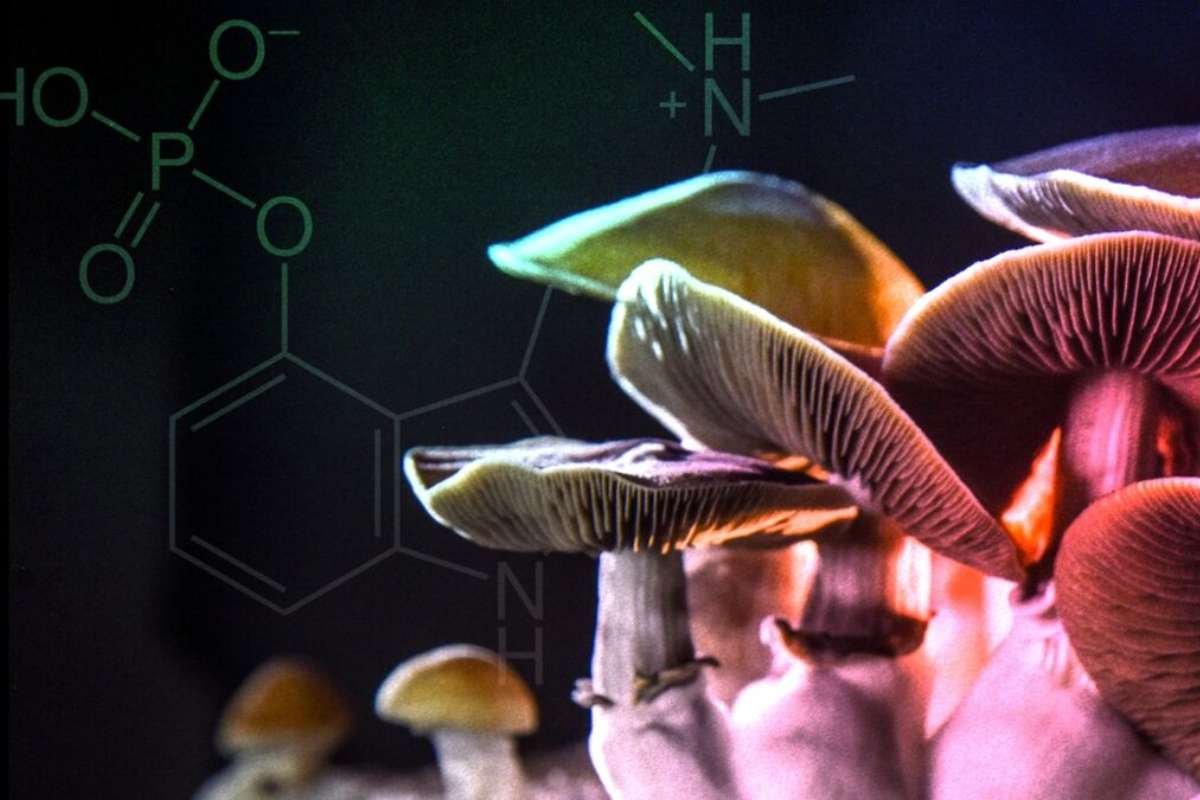
Psilocybin, ketamine, and MDMA are often discussed together, but they have different brain effects, clinical uses, and levels of research support. In psychedelic therapy research, the medicine is only one part of a protocol that also includes screening, preparation, monitoring, and integration.
| Compound or approach | Main distinction | Research context |
| Psilocybin | Serotonergic psychedelic | Studied for depression; evidence developing |
| Ketamine | Dissociative anesthetic; rapid antidepressant effect | Used for treatment-resistant depression; esketamine spray FDA-approved |
| MDMA | Entactogen; boosts empathy and openness | Mainly PTSD therapy trials |
| Microdosing | Very low, repeated doses (e.g., LSD, psilocybin) | Benefits not established |
Key differences
- Pharmacology: Psilocybin acts mainly on serotonin signaling, MDMA is empathogenic, and ketamine works through different mechanisms and can cause dissociation.
- Protocols: Psilocybin and MDMA involve long sessions with psychological support before, during, and after dosing. Ketamine/esketamine (infusion or nasal spray) requires medical monitoring of blood pressure, sedation, and dissociation.
- Research maturity: Esketamine is FDA-approved; ketamine is used off-label for selected depression patients. Psilocybin and MDMA remain investigational or restricted in many jurisdictions.
- Regulation: The FDA has issued guidance for designing psychedelic-drug trials, reflecting the need for careful safety monitoring.
What the Evidence Says About Psychedelic Therapy for Mental Health
The evidence for psychedelic therapy is promising but uneven: strongest signals exist for MDMA in PTSD and psilocybin in depression, while ketamine/esketamine already have a separate, established clinical role in treatment-resistant depression.
| Condition | Compound | Study type | Main finding | Key limitation |
| Major depression | Psilocybin | RCT, 104 adults | Beat niacin control at day 43 | Short follow-up |
| Treatment-resistant depression | Psilocybin | RCTs, meta-analysis | Beat controls | Small samples; durability unclear |
| Treatment-resistant depression | Ketamine/esketamine | Trials, clinical use | Rapid relief; nasal spray FDA-approved | Often temporary; repeat dosing |
| PTSD | MDMA + therapy | Phase 2/3 RCTs | Beat placebo; some remission | Blinding; long-term unknown |
| Cancer-related anxiety | Psilocybin | Small trials | Some improvement | Not general anxiety |
| Substance use, others | Psilocybin, others | Early trials | Emerging only | Not established |
What the evidence means
Symptom improvement isn’t the same as remission or lasting recovery. Most psychedelic studies have small samples, short follow-up, and difficulty blinding participants. Findings for one compound also can’t be applied to another.
Personal insight, not clinical evidence
Clinical trials measure symptom scores, but practitioners also hear how patients describe the experience. According to Chaitanya Bhatane, a B.Pharm graduate, patients often describe it as a mental reset. Many report sharper clarity of mind, lighter depression, and relief from PTSD symptoms. Some say meditation comes more easily, and some notice a change in libido. Others describe a gentler outlook, including more kindness toward animals and trees. He also notes that colors and sounds can feel more intense, which he links to neuroplasticity and sees as a more adaptable brain. These accounts are anecdotal and don’t establish effectiveness.
How Psychedelics May Affect the Brain and Neuroplasticity
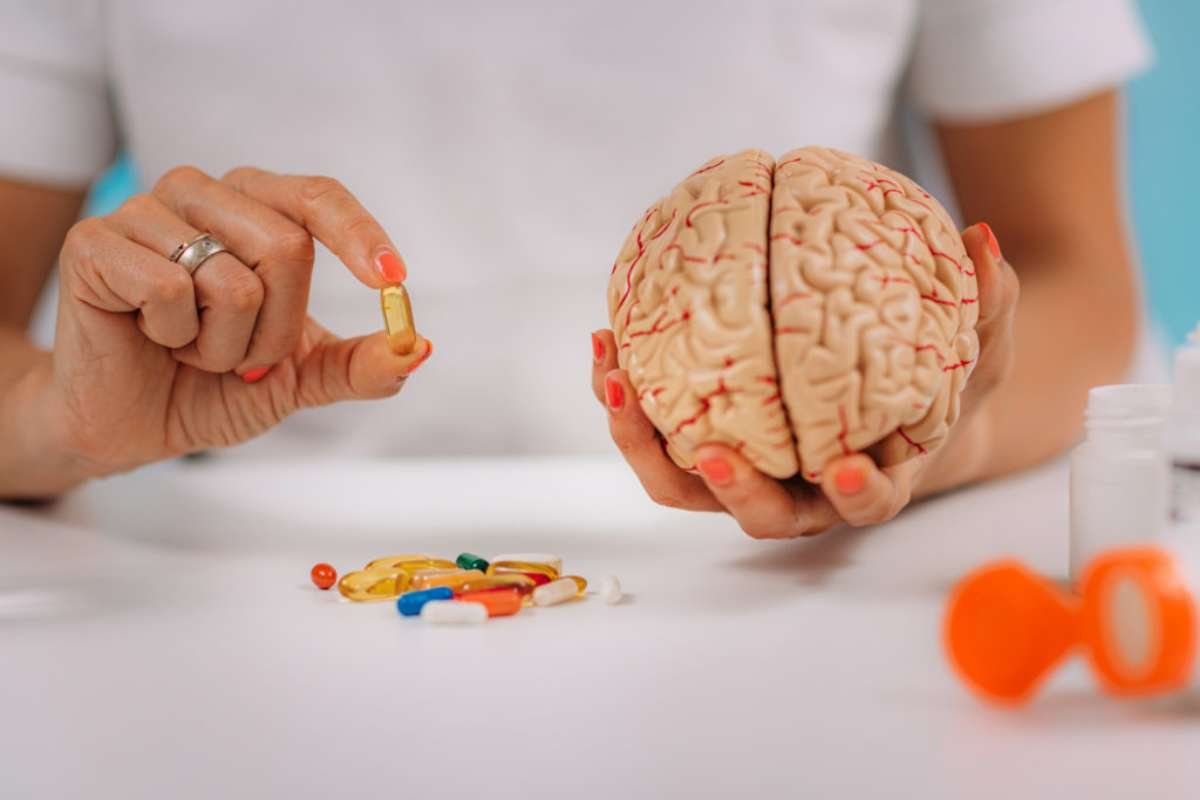
Psychedelics may influence mental health partly by changing how brain circuits communicate and adapt. In Psychedelic Therapy, researchers study whether these short-term brain effects can support emotional processing, learning, and lasting behavior change. But the clinical benefit is not yet proven to come from any single mechanism.
- Psilocybin: Its active form, psilocin, mainly activates serotonin 5-HT2A receptors, which are linked to altered perception and increased neural plasticity in animal and human studies.
- Ketamine: It works differently, primarily as an NMDA-receptor antagonist; both psilocybin and ketamine may increase plasticity-related signaling involving BDNF-TrkB, glutamate, and the mTOR pathway.
- Neuroplasticity: This means the brain’s ability to change synaptic connections, learn, and adapt. Researchers are investigating whether increased plasticity creates a temporary window in which therapy and new experiences may be more influential.
- Possible behavioral link: Changes in perception and emotional processing may help people view memories, fears, or habits differently, potentially supporting new patterns of thinking and behavior.
- Important caution: A plausible biological mechanism does not prove clinical effectiveness. Researchers still do not know which brain changes predict meaningful improvement, who will benefit, how long effects last, or whether plasticity itself causes recovery.
The idea that psychedelics “reset the brain” is therefore an oversimplification, not an established treatment mechanism.
What Happens Before, During, and After a Treatment Session?
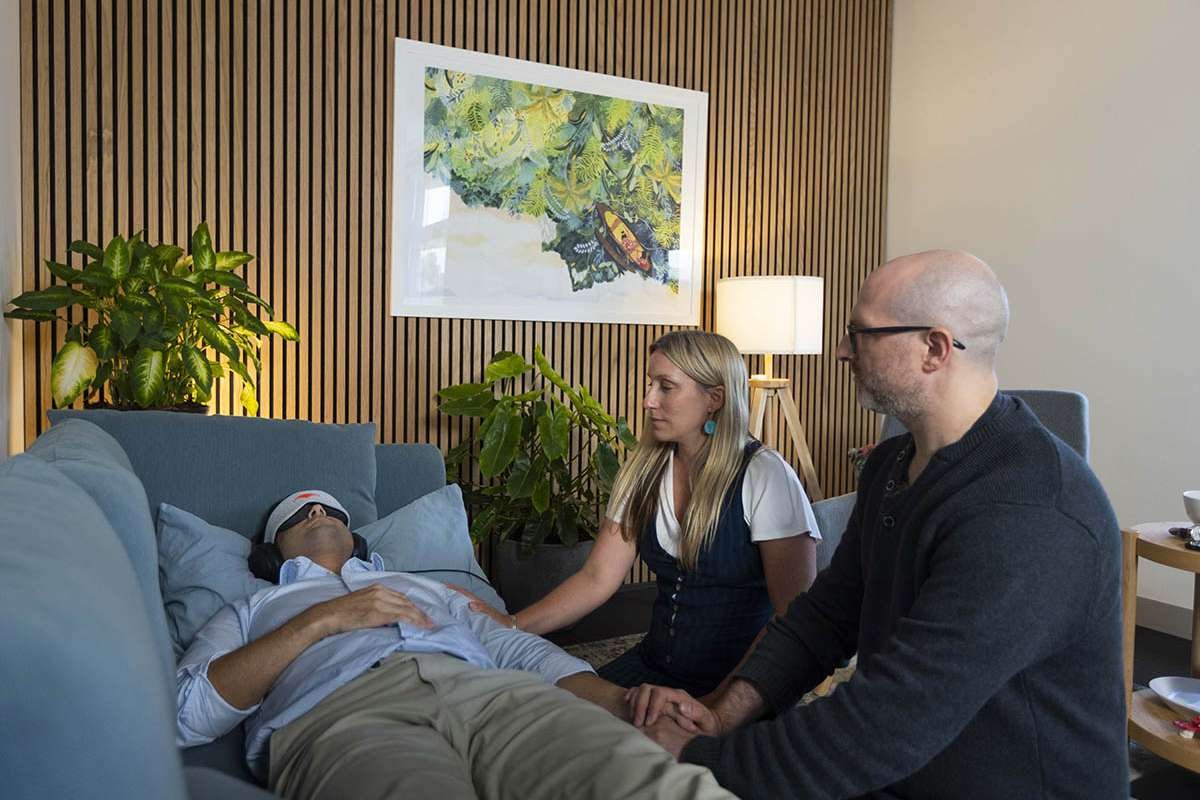
A psychedelic treatment session is only one part of a longer clinical process. The general model is preparation, supervised session, and integration, though exact steps, duration, and staffing vary by substance and protocol.
Clinical assessment & consent → Preparation sessions → Supervised dosing session
→ Monitoring & recovery → Integration sessions → Follow-up and symptom review
- Before: Clinicians review medical and psychiatric history, current medicines, risks, and goals. Patients give informed consent and attend preparation sessions to build trust and set expectations.
- During: A measured dose is administered in a supervised setting. Usually with one or two trained clinicians present for roughly 6–8 hours in psilocybin or MDMA protocols. They provide safety monitoring and emotional support. Difficult or distressing experiences can occur.
- After: Integration sessions help patients process the experience and apply insights to daily life. Followed by follow-up to assess symptoms and adverse effects.
Does Microdosing Work, and What Does Research Show?
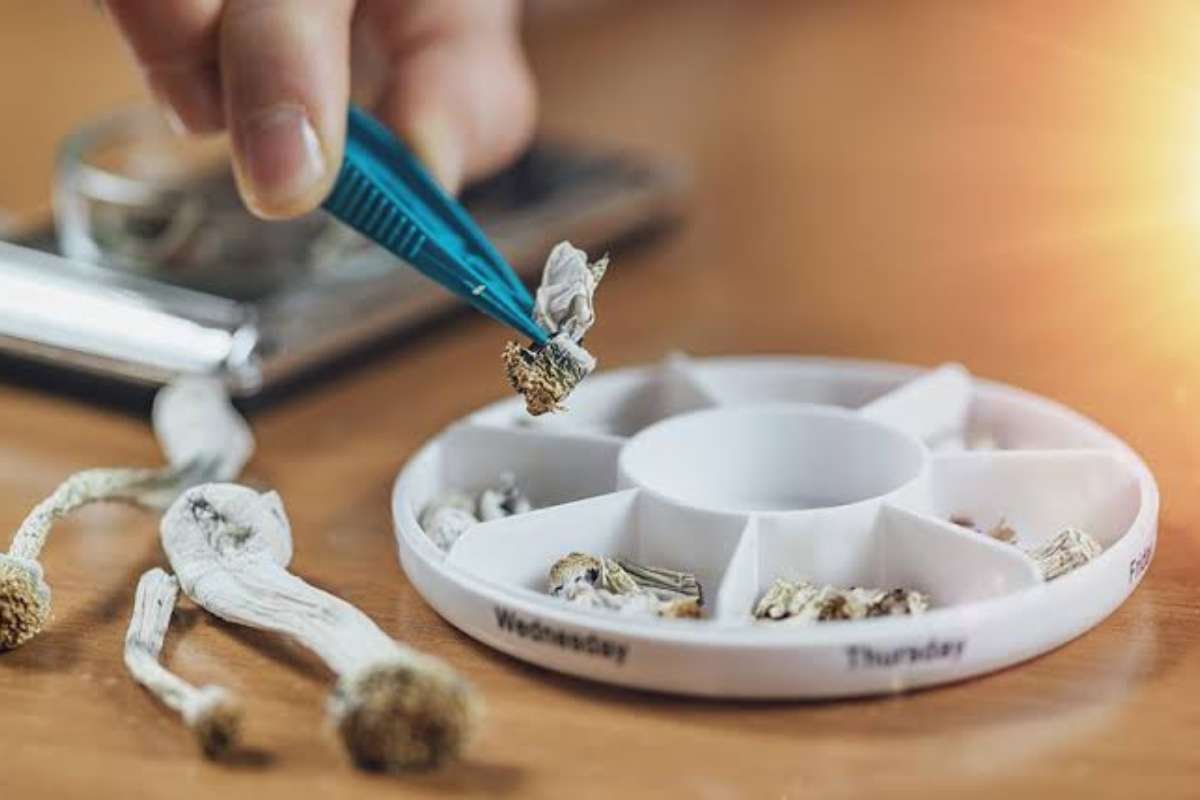
Microdosing means taking very small, repeated amounts of a psychedelic such as LSD or psilocybin. It is usually below the level that causes obvious hallucinations. It differs from psychedelic therapy, which uses supervised, higher-dose sessions with preparation, monitoring, and integration.
| Claim | Evidence |
| Improves mood, creativity, focus, or well-being | Common in self-reports, but effects shrink or disappear in blinded placebo-controlled studies. |
| Treats depression, anxiety, or ADHD | Not established; controlled trials have not shown consistent symptom reduction. |
| Has proven long-term benefits | No; reviews find short study durations, heterogeneous methods, and limited safety data. |
| Works because full-dose psilocybin therapy works | No. Microdosing has different dosing, exposure patterns, and evidence base. |
Placebo-controlled research suggests expectancy, self-selection, and inconsistent dosing may explain many reported benefits. Perceived benefit is not proof of efficacy, and legal status and safety risks vary by substance and jurisdiction.
Conclusion:
Psychedelic therapy is promising but still evolving. MDMA shows encouraging results for PTSD, psilocybin for depression, and esketamine is already approved for treatment-resistant depression. Each compound has its own evidence, risks, and approval status, and symptom improvement is not the same as lasting recovery. Microdosing remains unproven.
For now, the best approach is cautious curiosity: follow the research, rely on supervised clinical care, and treat personal stories as insight, not proof.
FAQ:
1. How does psychedelic therapy work?
It may influence perception, emotional processing, and thought patterns, while psychological support helps patients explore and integrate their experiences.
2. Which mental health conditions are studied in psychedelic therapy research?
Researchers are investigating its potential for depression, PTSD, anxiety related to serious illness, and other conditions, with evidence varying by substance and diagnosis.
3. Is psychedelic therapy safe for everyone?
No, because potential psychological and physical risks, contraindications, and medication interactions mean suitability requires individualized clinical assessment.
Links and Sources:
- https://www.simplypsychology.com/articles/mdma-therapy-ptsd-research#:~:text=The%20Phase%203%20Results,Prolonged%20Exposure%20and%20sertraline
- https://petrieflom.law.harvard.edu/2022/04/07/is-microdosing-just-placebo/
- https://academic.oup.com/ijnp/article/28/Supplement_2/ii151/8236870?login=false
- https://www.ccjm.org/content/ccjom/92/3/171.full.pdf
- https://pmc.ncbi.nlm.nih.gov/articles/PMC10786002
- https://pmc.ncbi.nlm.nih.gov/articles/PMC12479382
- https://pubmed.ncbi.nlm.nih.gov/41130352
- https://www.ptsd.va.gov/professional/articles/article-pdf/id1643192.pdf
- https://pure.johnshopkins.edu/en/publications/single-dose-psilocybin-treatment-for-major-depressive-disorder-a-
- https://www.fda.gov/regulatory-information/search-fda-guidance-documents/psychedelic-drugs-considerations-clinical-investigations
- https://www.ranzcp.org/clinical-guidelines-publications/in-focus-topics/psychedelics/psychedelics-faqs