Key Takeaway:
- Strengthen disease surveillance: Vietnam is improving early detection and outbreak response to control infectious diseases.
- Expand vaccination efforts: Health authorities are promoting immunization, catch-up vaccinations, and stronger infection control.
- Encourage public prevention: Hygiene, mosquito control, and timely medical care remain essential to reducing disease transmission.
Vietnam disease surveillance and vaccination are expanding in 2026 to curb dengue and other outbreaks. See what authorities are doing.
Health Authorities Expand Surveillance and Early Detection
Vietnam’s Ministry of Health is increasing efforts to detect infectious diseases before they spread widely, according to a ministry assessment published in March. Authorities are monitoring health risks at border crossings, in communities and at medical facilities while improving reporting and response procedures.
The ministry has identified several concerns, including seasonal influenza, COVID-19, dengue fever, rabies and hand, foot and mouth disease. It also warned of the risk of imported infections, including avian influenza and other emerging diseases circulating internationally.
Dengue fever remains a major concern, particularly in southern and central Vietnam, where hot, humid weather and heavy rainfall can support mosquito breeding. Hand, foot and mouth disease is also expected to reach a seasonal peak, while gastrointestinal infections may increase during periods of heavy rain and flooding.
Vietnam’s health authorities say early detection and timely intervention can help prevent isolated cases from developing into larger outbreaks. The national strategy combines routine monitoring with targeted surveillance and rapid action when health risks emerge.
Vaccination and Local Action Remain Key Priorities
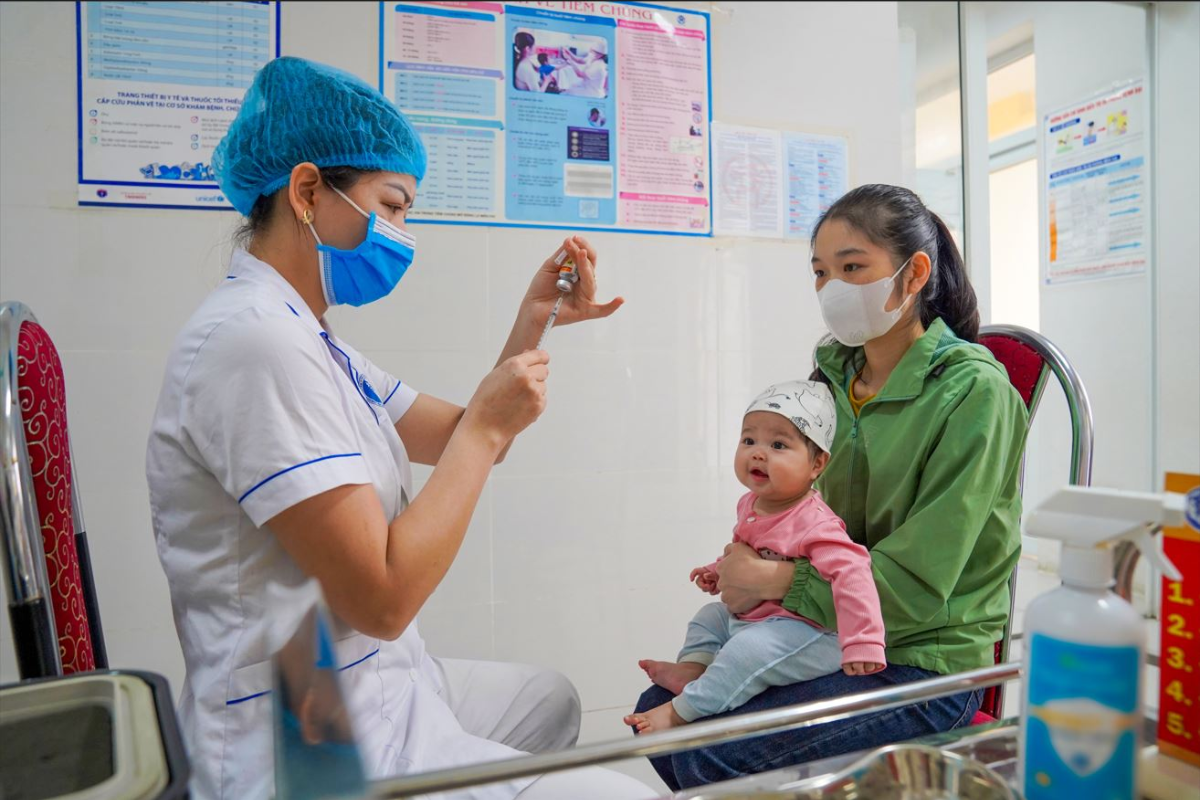
The Ministry of Health is implementing the 2026 Infectious Disease Prevention and Control Plan alongside the expanded immunization program. The measures include reviewing vaccination records, organizing catch-up vaccinations for people who missed doses and strengthening monitoring of vaccine safety.
The ministry’s March assessment also calls for coordinated action by local authorities and health services, with adequate staffing, equipment and supplies available when outbreaks occur.
Disease prevention requires cooperation beyond medical facilities. At a conference in April, Tran Hien Khoa, director of the Ca Mau Center for Disease Control and Prevention, emphasized that protecting public health requires coordinated efforts across government agencies, local communities and society.
“The prevention and control of infectious diseases is a particularly important task in the cause of protecting, caring for, and improving the health of the people,” Khoa said, according to Vietnam.vn’s report on the conference.
Health authorities are also strengthening training for medical workers in diagnosis, treatment and infection control. Hospitals are expected to maintain screening, patient isolation and treatment procedures to reduce transmission within health care facilities.
Public Hygiene and Timely Care Help Limit Spread
Public participation remains essential to preventing infectious diseases. Health authorities encourage people to maintain good personal hygiene, follow recommended vaccination schedules and seek medical care when symptoms suggest a potentially serious infection.
Preventive measures should reflect how individual diseases spread. Removing standing water around homes can reduce mosquito breeding and lower dengue risk, while handwashing, safe food handling and cleaning shared surfaces can help reduce transmission of several other infections.
Schools and families also have an important role in protecting children, particularly against hand, foot and mouth disease. Monitoring children for symptoms, maintaining clean classrooms and keeping sick children at home can help reduce the risk of transmission in group settings.
Vietnam’s health sector reported that infectious disease levels remained broadly controlled nationwide in 2025, although several illnesses, including dengue, measles, rabies and hand, foot and mouth disease, recorded increases. Officials continue to emphasize surveillance, vaccination and coordinated local responses to prevent further outbreaks.
The ministry’s approach prioritizes early detection and prevention rather than waiting for cases to rise before responding. Sustained coordination among health workers, local governments and residents will remain central to limiting the spread of infectious diseases.