Key Takeaway:
- Iowa Kratom Ban: reports 45 kratom-associated deaths since 2024, including 16 in the first seven months of 2026.
- Gov. Kim Reynolds is pushing for a total kratom ban after federal restrictions on three synthetic kratom compounds.
- Officials warn that highly concentrated and synthetic kratom products can cause severe health effects and are widely available.
Iowa officials are warning about rising kratom-related deaths as Gov. Kim Reynolds pushes for an Iowa kratom ban following 45 deaths since 2024 and tighter federal restrictions on synthetic compounds.
Kratom deaths and poison calls rise
Sixteen of the deaths occurred during the first seven months of 2026, while poison control calls involving kratom have increased nearly 500% since 2024, state officials said.
“We’re at a point where this issue cannot be ignored any longer,” Reynolds said Tuesday.
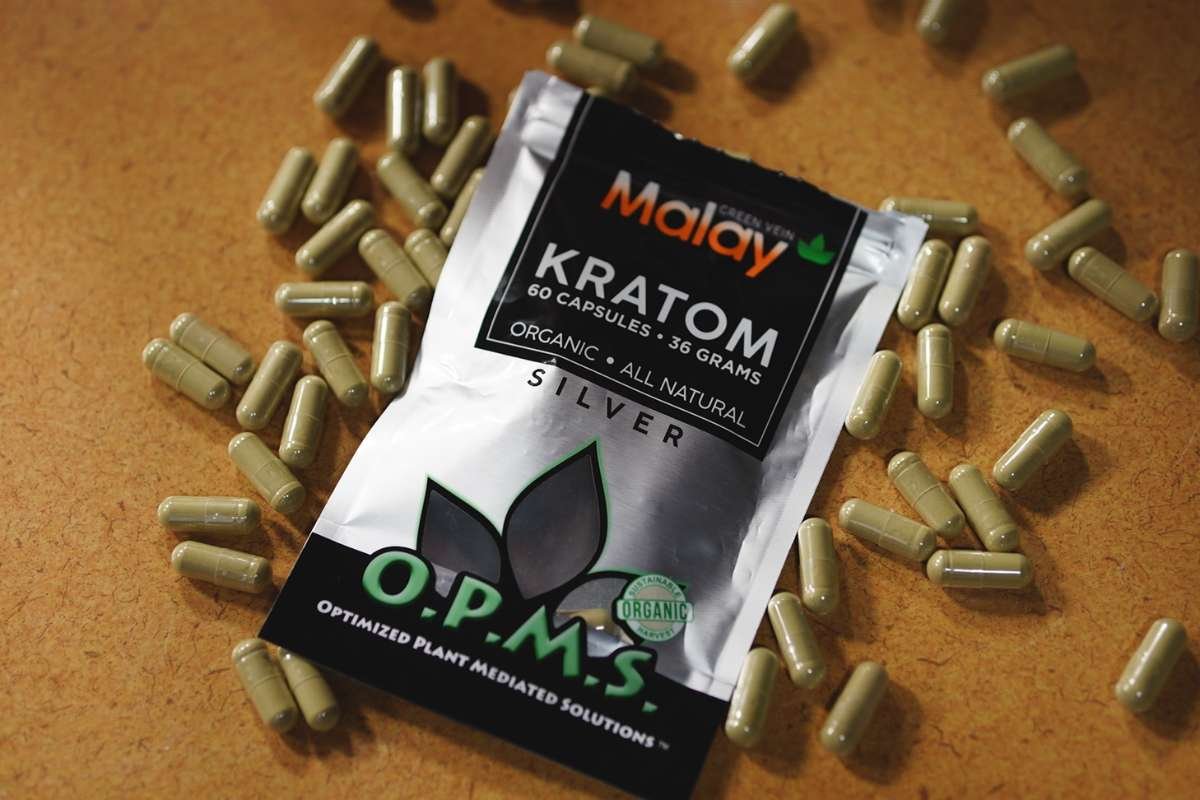
Kratom is a plant native to Southeast Asia that contains compounds affecting opioid receptors in the brain. It is marketed for purposes including pain and anxiety relief and managing opioid withdrawal.
Iowa State Medical Director Dr. Robert Kruse said the risks can increase with higher doses, particularly when products contain concentrated compounds.
“We can see extreme sleepiness, confusion, hallucinations, seizures, slowed or stopped breathing, and even cardiac arrest,” Kruse said.
The Food and Drug Administration has not approved kratom for medical use.
Synthetic products draw federal action
State officials say their biggest concern is the growing availability of concentrated and laboratory-made kratom products, which can be sold as powders, gummies, tablets, drinks and energy shots.
“What we are seeing with greater frequency are highly concentrated doses of these compounds, or extremely potent variants, that were synthetically created in a lab,” Iowa Department of Public Safety Commissioner Stephan Bayens said.
Bayens said some concentrated liquids can be sprayed onto leafy material and sold as natural kratom. He described kratom products as “virtually unregulated” and said they are widely available at smoke shops and gas stations, sometimes alongside ordinary food and beverages.
Last week, the Drug Enforcement Administration placed three synthetic kratom-derived substances on the federal Schedule I controlled substance list. The DEA is also considering emergency action involving 7-OH, another potent kratom-related substance.
Bayens said Iowa authorities seized about 300 products worth more than $20,000 from one store after undercover narcotics agents bought products containing newly banned substances.
“You’re on notice,” Bayens said. “It violates federal law.”
The Iowa Board of Pharmacy is working on rules addressing the newly controlled substances. Bayens said federal prosecutors currently would handle potential criminal cases because Iowa law has not fully incorporated the new federal restrictions.
Iowa Kratom Ban: Reynolds pushes for a statewide ban
Reynolds says banning individual compounds is insufficient because manufacturers can make chemical changes to create new substances that fall outside existing restrictions.
“I do want to see a total ban. Otherwise, it’s just too easy to skirt around it,” Reynolds said.
The Iowa House approved legislation earlier this year that would have banned kratom, but the Senate did not take up the measure before lawmakers adjourned.
Reynolds said her administration supported the legislation and wants lawmakers to reconsider the Iowa kratom ban proposal. She cited 12 states that have banned kratom and urged Iowa to follow.
Some retailers oppose a blanket ban. Carol Horton, owner of Unkl Ruckus, said her store has sold traditional kratom for about a decade but does not carry synthetic 7-OH products.
“We chose not to carry that at all because it’s synthetic. It’s not a natural product, and we’re not here to be the demise of our community,” Horton said.
Horton said customers use traditional kratom for pain, anxiety, stress, energy, and while trying to stop taking opioids. She believes traditional products should remain available to people who say they benefit from them.
State health officials are urging consumers not to assume kratom is safe because it is labeled natural, herbal, or a supplement.
Kruse said anyone who cannot be awakened or is breathing slowly or not breathing after taking a kratom-related product needs immediate emergency care. He advised calling 911 and using naloxone when an opioid-type overdose is suspected.
Iowa plans to add kratom warnings to a statewide public health campaign beginning next month.
“We do not want you to wait until it becomes a larger problem,” Kruse said.