Ever stared at your fridge wondering which veggies actually belong in your juicer? Most people grab whatever looks fresh and hope for the best, but that’s a recipe for bitter, wasted juice.
Picking the best vegetables to juice isn’t complicated once you know a few basics. Some veggies are packed with nutrients and juice up beautifully. Others turn pulpy, bland, or downright unpleasant. Knowing the difference saves you money and keeps you actually excited to juice every morning.
This guide breaks down ten of the best vegetables you can juice, how to pair them, and simple tips so your juice tastes good and does your body good too. Grab your juicer and let’s get into it.
What Makes a Vegetable Great for Juicing?
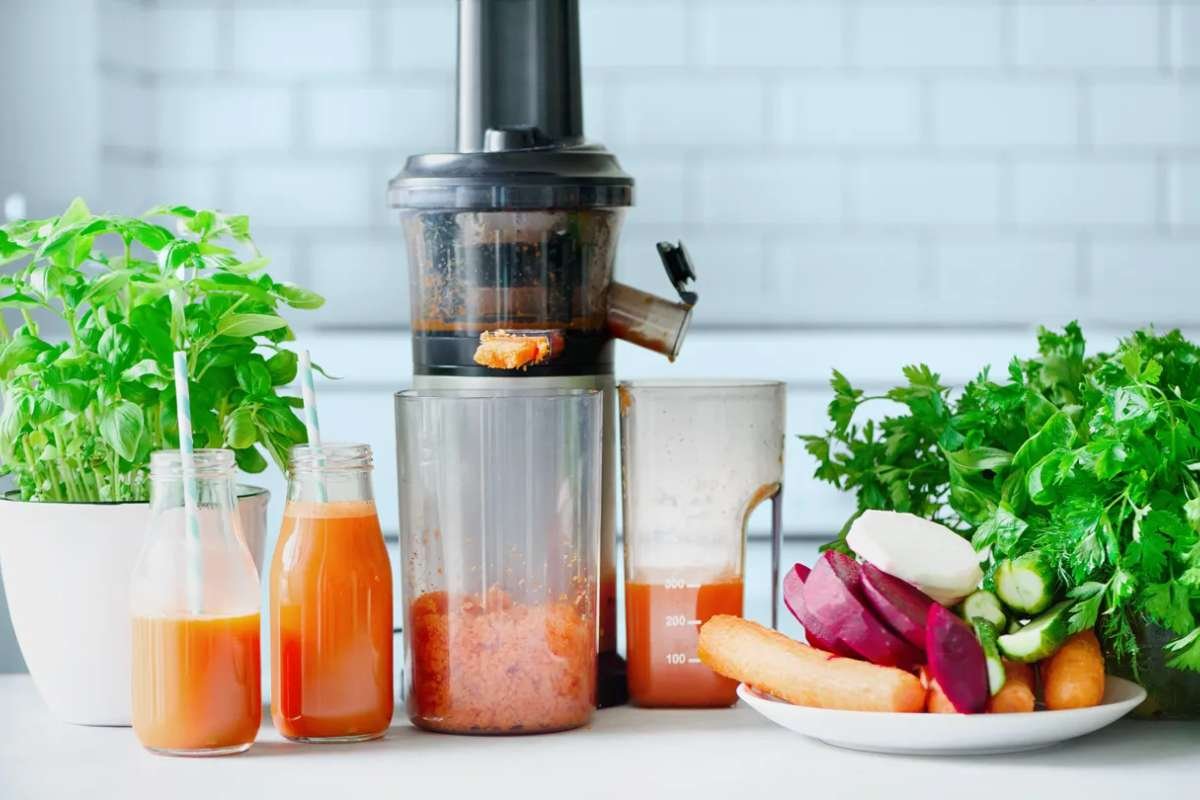
Not every vegetable belongs in your juicer. The best candidates have high water content, mild bitterness, and nutrients that survive the juicing process well. Think cucumbers, celery, and carrots rather than starchy vegetables like potatoes.
Texture matters too. Leafy greens and root vegetables juice differently, so most home juicers mix a few types together. This balances flavor while boosting your nutrient intake from multiple angles.
Cost and availability count as well. You want vegetables you can grab at any grocery store without breaking your weekly budget for the best vegetables to juice.
Which Leafy Greens Should You Juice First?
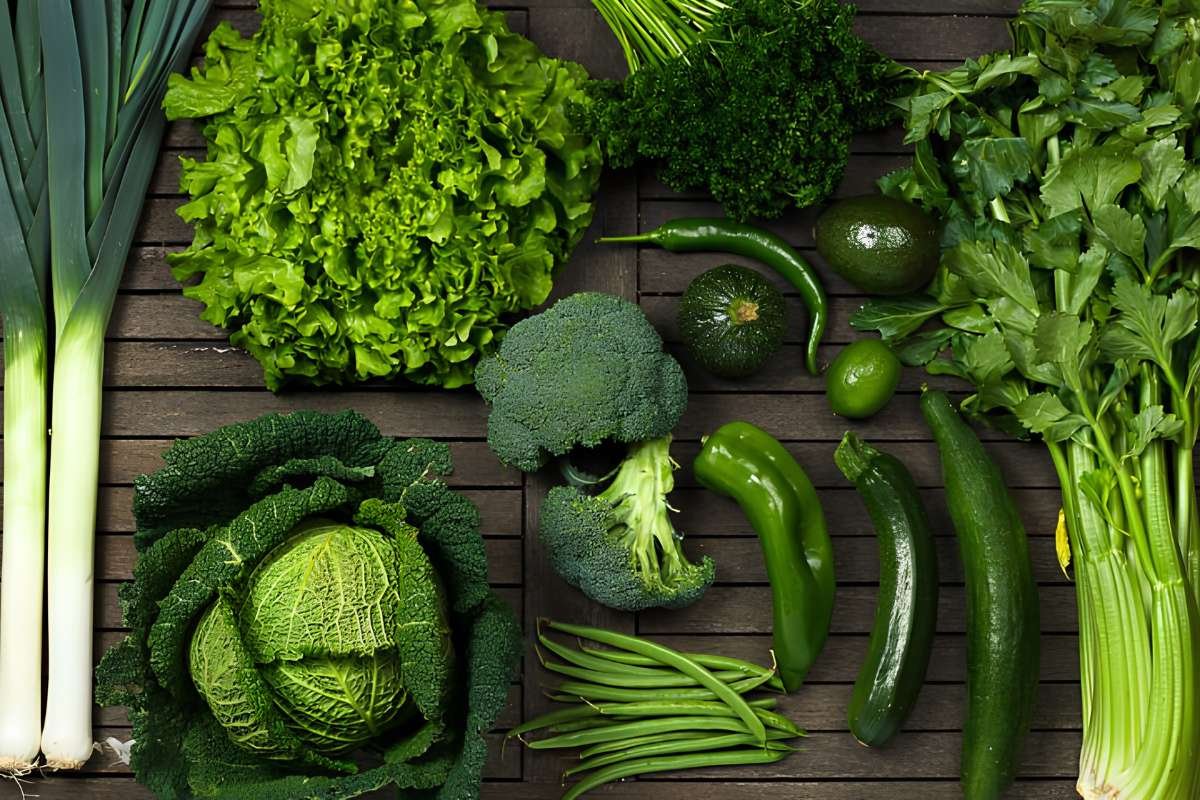
Leafy greens are the backbone of most green juice recipes. Kale sits at the top of the list thanks to its high antioxidant content, including beta-carotene, along with vitamins A, C, and K. It has a slightly bitter bite, so pairing it with apple or cucumber smooths things out.
Spinach is another solid choice. It’s milder than kale and blends well into almost any juice combination without overpowering other flavors. Swiss chard works too if you want variety in your rotation.
| Leafy Green | Flavor Profile | Best Paired With |
| Kale | Bitter, earthy | Apple, ginger |
| Spinach | Mild, neutral | Cucumber, celery |
| Swiss chard | Slightly salty | Carrot, orange |
Why Are Carrots and Beets Root Vegetable Favorites?
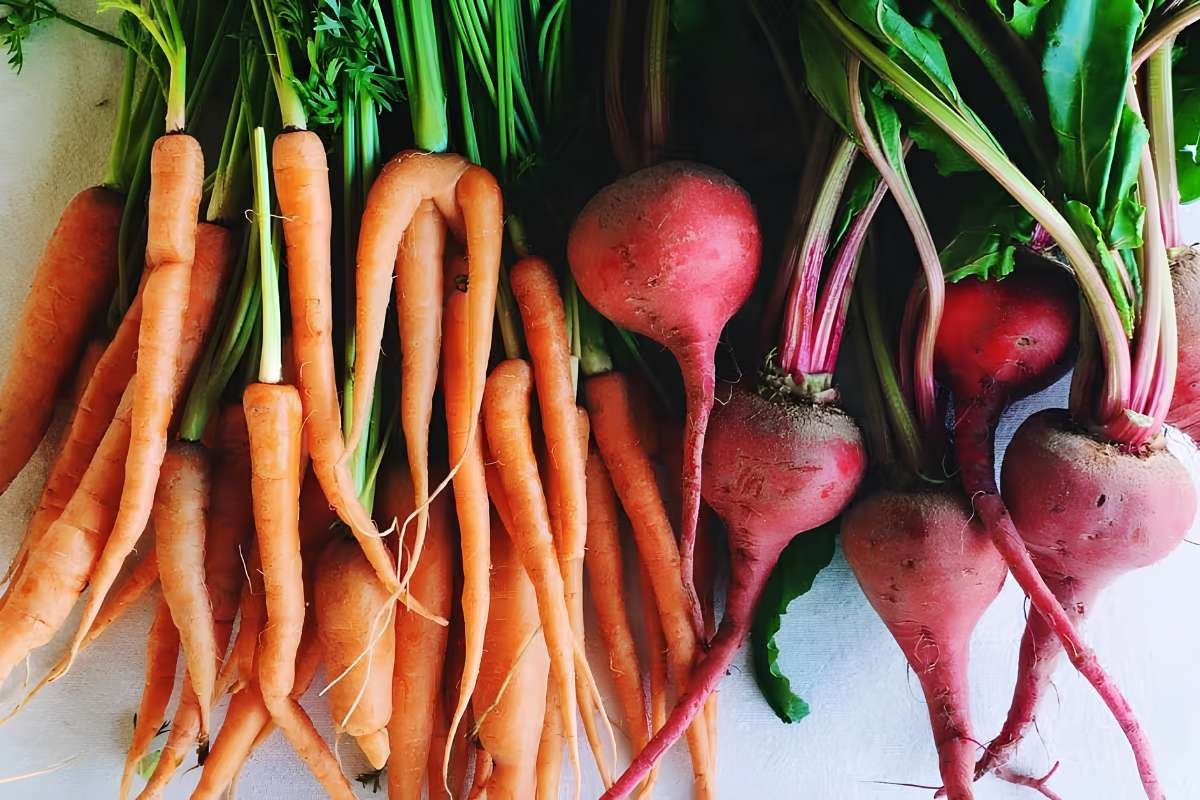
Root vegetables bring natural sweetness and vibrant color to your glass. Carrots contain skin-healthy beta carotene, along with lutein and zeaxanthin that support eye health. That makes carrots one of the best vegetables to juice for anyone chasing an immune boost.
Beets deserve a spot too. Beets offer a beautiful color and a packed nutrient profile, and juicing them just means trimming the leaves, scrubbing them, and running them through the juicer. No lengthy roasting required, which makes them a convenient pick for busy mornings.
Both root vegetables pair beautifully with apple or ginger if you want to soften their earthy edge. Start small with beets since their flavor is strong and can dominate a blend fast.
Is Cucumber Really One of the Best Vegetables to Juice?
Cucumber often gets overlooked, but it deserves a permanent spot in your rotation. Its naturally high water content means you get a higher juice yield, and its mild flavor makes it a versatile base for almost any combination.
Cucumber also hydrates you fast, which matters if you’re juicing as part of a morning routine before a workout. Its subtle taste means it never fights for attention against stronger ingredients like kale or beets.
Try blending cucumber with mint and lime for a refreshing summer juice. It’s light, cooling, and genuinely enjoyable rather than something you force down for health reasons.
Read More: Why Super Healthy Foods Are the Secret Weapon of Lifelong Energy?
What Other Vegetables Belong in Your Juicing Rotation?
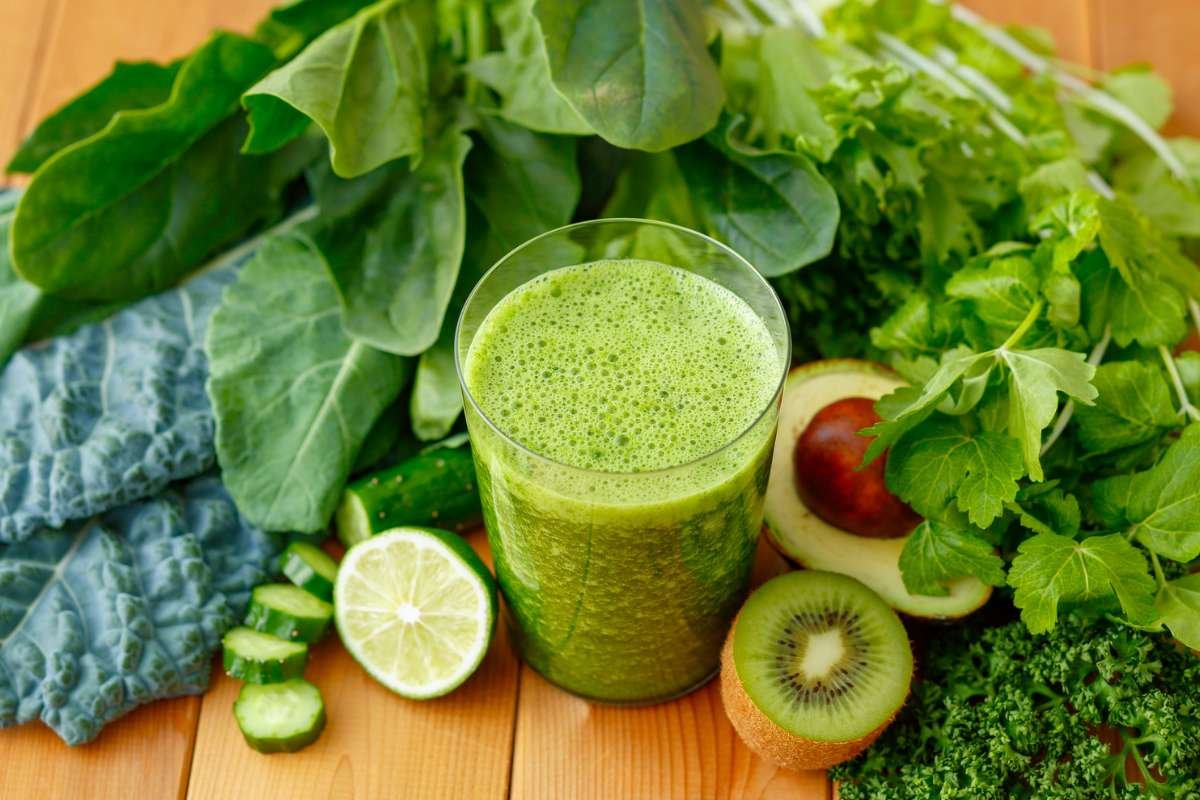
Celery deserves credit as one of the best vegetables to juice for hydration and mild flavor. It’s low in calories and adds a subtle savory note that balances out sweeter ingredients like carrot or apple.
Cabbage is a surprising standout too. It pairs nicely with carrots and apples to create a smooth, digestible juice that many people use for gut health support. Ginger and ginger root, while technically not a vegetable, often show up alongside these best vegetables to juice for an extra flavor kick.
Here’s a quick rundown of solid rotation options beyond the classics:
- Celery for hydration and subtle flavor
- Cabbage for digestive support
- Bell peppers for a bright vitamin C boost
- Tomatoes for a savory, low-sugar option
How Should You Combine Vegetables for the Best Flavor?
Combining vegetables strategically makes the biggest difference between a juice you love and one you choke down. Start with a base like cucumber or celery, then add one strong flavor like kale or beet, and finish with something sweet like carrot or apple.
A good rule of thumb is 70 percent mild vegetables and 30 percent bold flavors. This keeps your juice drinkable without watering down the nutritional punch. Experiment slowly rather than dumping five ingredients into the juicer at once.
Below is a simple starter combination chart to help you build confidence:
| Combo Goal | Base | Boost | Sweetener |
| Energy | Celery | Ginger | Apple |
| Skin health | Cucumber | Kale | Carrot |
| Detox support | Spinach | Beet | Lemon |
Are There Vegetables You Should Avoid Juicing?
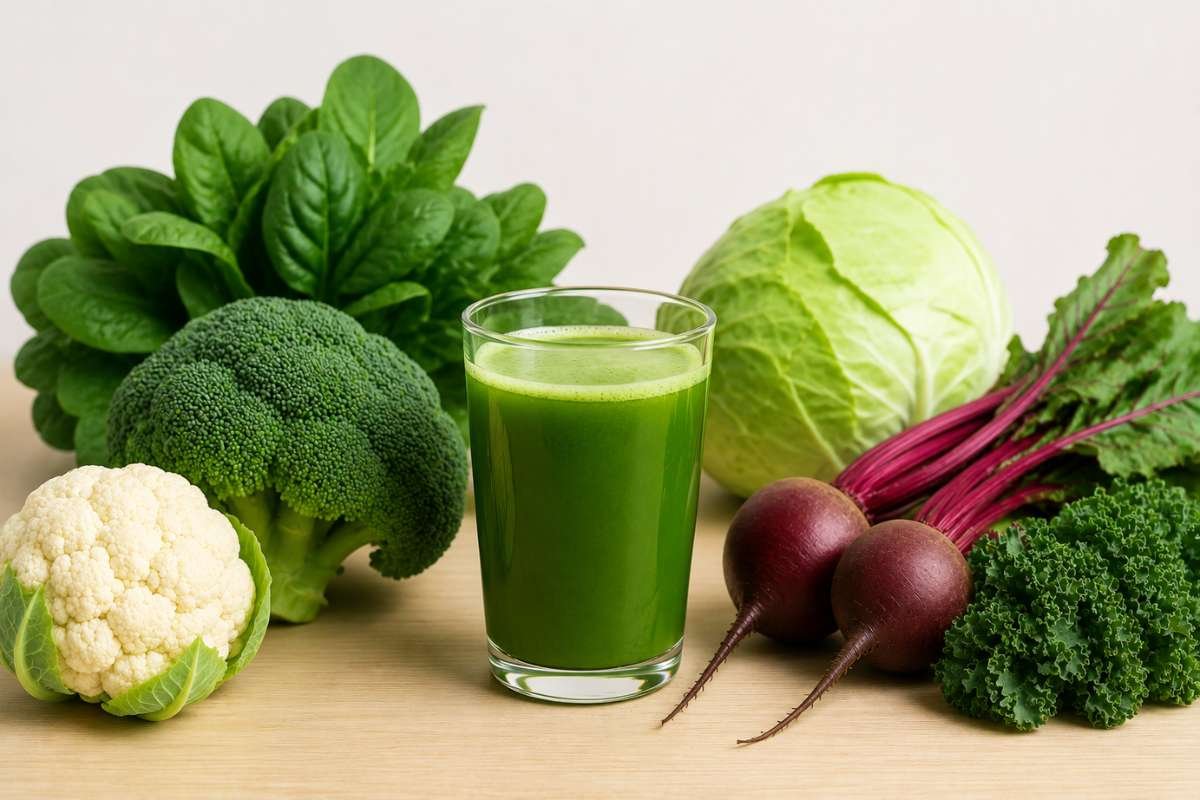
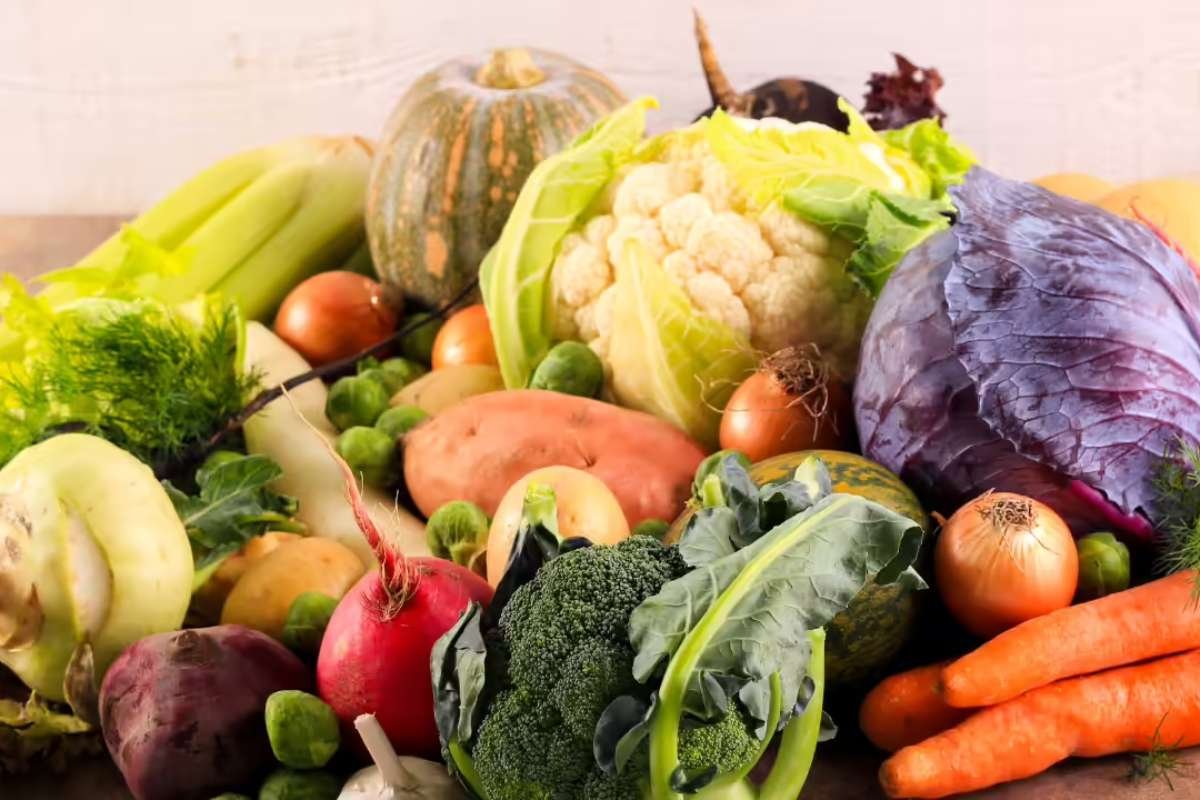
Not every vegetable is worth the effort. Starchy options like potatoes and sweet potatoes don’t juice well and leave you with a thick, unpleasant texture. Broccoli and cauliflower can also turn bitter and overpowering when juiced raw.
Stick with vegetables that have naturally high water content or mild flavor profiles instead. This keeps your juicing experience enjoyable rather than frustrating, and it protects your juicer from unnecessary strain.
Suppose you’re experimenting with new produce; juice a small test batch first. That way you won’t waste a full harvest of vegetables on a combination that doesn’t work.
Final Thoughts
The best vegetables to juice come down to a simple formula: mild bases, bold boosters, and natural sweetness. Kale, carrots, beets, cucumber, and celery cover nearly every juicing goal you might have, from energy to skin health to hydration.
You can try two or three ingredients in the beginning, taste as you go, and build your favorite combinations over time. Grab your juicer today and put this list to work in your next glass.
FAQs
1. How many vegetables should I juice per glass?
Two to four vegetables usually gives the best balance of flavor and nutrients without overwhelming your taste buds.
2. Can I juice vegetables with the skin on?
Yes, for most vegetables like cucumber and carrots, just wash thoroughly since skins carry extra fiber and nutrients.
3. How long does fresh vegetable juice last in the fridge?
Fresh juice stays good for about 24 to 48 hours if stored in an airtight container.
4. Do I need a special juicer for leafy greens?
A masticating juicer handles leafy greens better than centrifugal models, giving you more juice and less waste.
5. Should I drink vegetable juice on an empty stomach?
Many people prefer it that way for faster nutrient absorption, but it’s not required for benefits.
Learn More: What to Eat When Dehydrated for Fast Recovery and Energy
Sources: