Key Takeaway:
- Upadacitinib boosted hair regrowth: Up to 55% of patients achieved at least 80% scalp hair coverage after 24 weeks.
- Regrowth extended beyond the scalp: Some patients also saw significant eyebrow and eyelash regrowth.
- Treatment options may expand: Upadacitinib is under FDA review for severe alopecia areata in the U.S.
A phase 3 study published Aug. 12 found the rheumatoid arthritis drug Upadacitinib helped 45% to 55% of adults and adolescents with severe alopecia areata regain at least 80% scalp hair coverage after 24 weeks, potentially expanding treatment options.
Trial finds significant hair regrowth
The two randomized, placebo-controlled trials enrolled 1,399 people ages 12 to 64 with severe alopecia areata, including 118 adolescents. Participants received once-daily Upadacitinib at 15 milligrams, 30 milligrams, or a placebo.
At week 24, 45.2% of patients taking 15 milligrams and 55% taking 30 milligrams in one trial achieved at least 80% scalp coverage. Results were similar in the second trial, with rates of 44.6% and 54.3%, respectively, compared with 1.5% to 3.4% for placebo.
Complete scalp hair regrowth also occurred in some patients. At week 24, 13.1% to 14.1% of those receiving 15 milligrams and 20.3% to 22.5% receiving 30 milligrams achieved complete scalp coverage.
The researchers concluded that both doses were superior to placebo and that the results suggest Upadacitinib may become an effective treatment option for adults and adolescents with severe alopecia areata.
Improvements extend beyond scalp hair
The study also found improvements in eyebrows and eyelashes, which can be substantially affected in severe cases. At week 24, major eyebrow improvement occurred in about 41% to 62% of patients receiving Upadacitinib, while major eyelash improvement occurred in about 43% to 61%, depending on dose and trial.
Melinda Gooderham, a dermatologist who discussed the findings with HCPLive, said the results are particularly relevant for adolescents because alopecia areata can have significant psychosocial effects. She also said no new safety signals were identified in the trials.
Alexis Young, a dermatologist at Hackensack University Medical Center who was not involved in the study, called the results “a massive step forward” and said the rapid improvements were especially encouraging for adolescents, according to Medical News Today.
The researchers reported that the safety profile of both doses through 24 weeks was consistent with the drug’s existing approved uses, with no new safety findings identified. Serious adverse events occurred in 1.6% of patients receiving 15 milligrams, 2.3% receiving 30 milligrams, and 0.4% receiving placebo.
FDA review could expand treatment options
Upadacitinib, sold as Rinvoq, is already approved for several inflammatory conditions, including rheumatoid arthritis and inflammatory bowel diseases. Its use for alopecia areata remains under U.S. regulatory review. AbbVie submitted an application to the Food and Drug Administration in April seeking approval for adults and adolescents with severe disease.
The European Commission approved Rinvoq for severe alopecia areata in adults and adolescents ages 12 and older earlier this month, according to AbbVie. The approval adds another option for patients with severe disease while U.S. regulators consider the application.
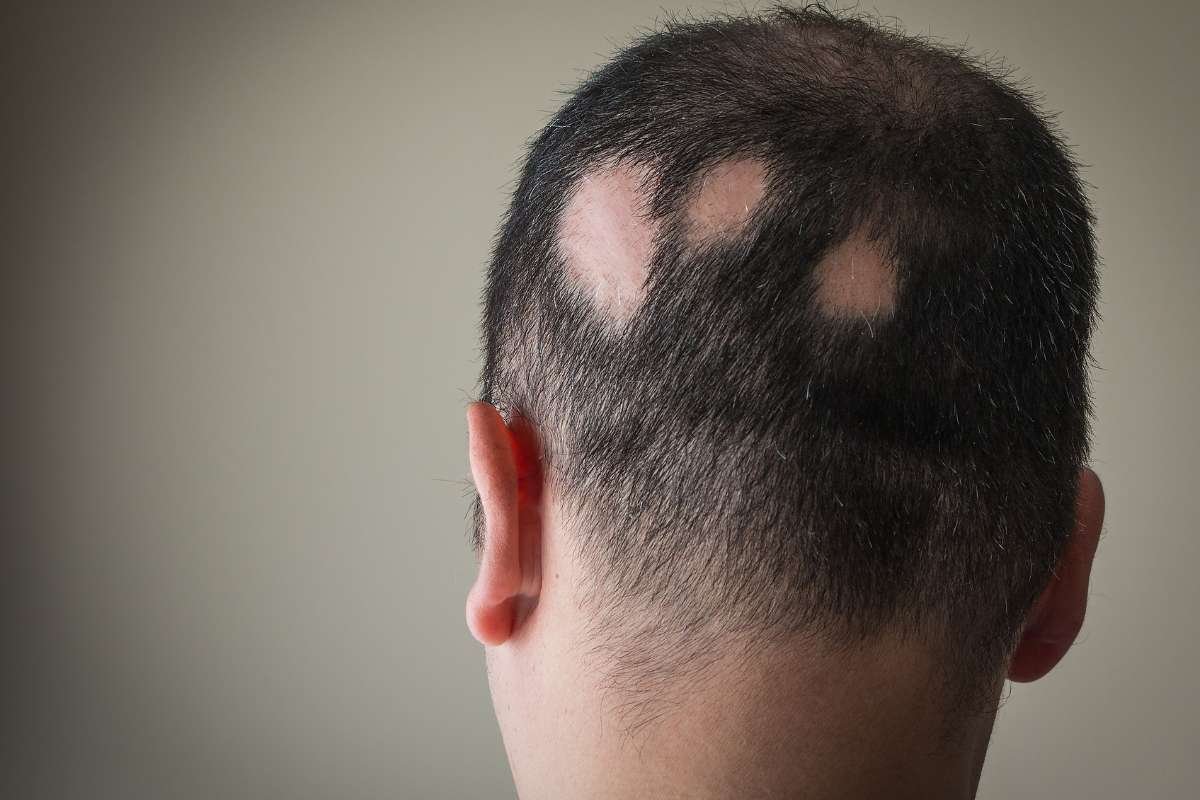
Alopecia areata is an immune-mediated condition that causes nonscarring hair loss and can range from isolated patches to extensive hair loss. The new findings add to growing evidence that JAK inhibitors can help some patients with severe disease, although treatment decisions will depend on individual risks, benefits, and regulatory approvals.