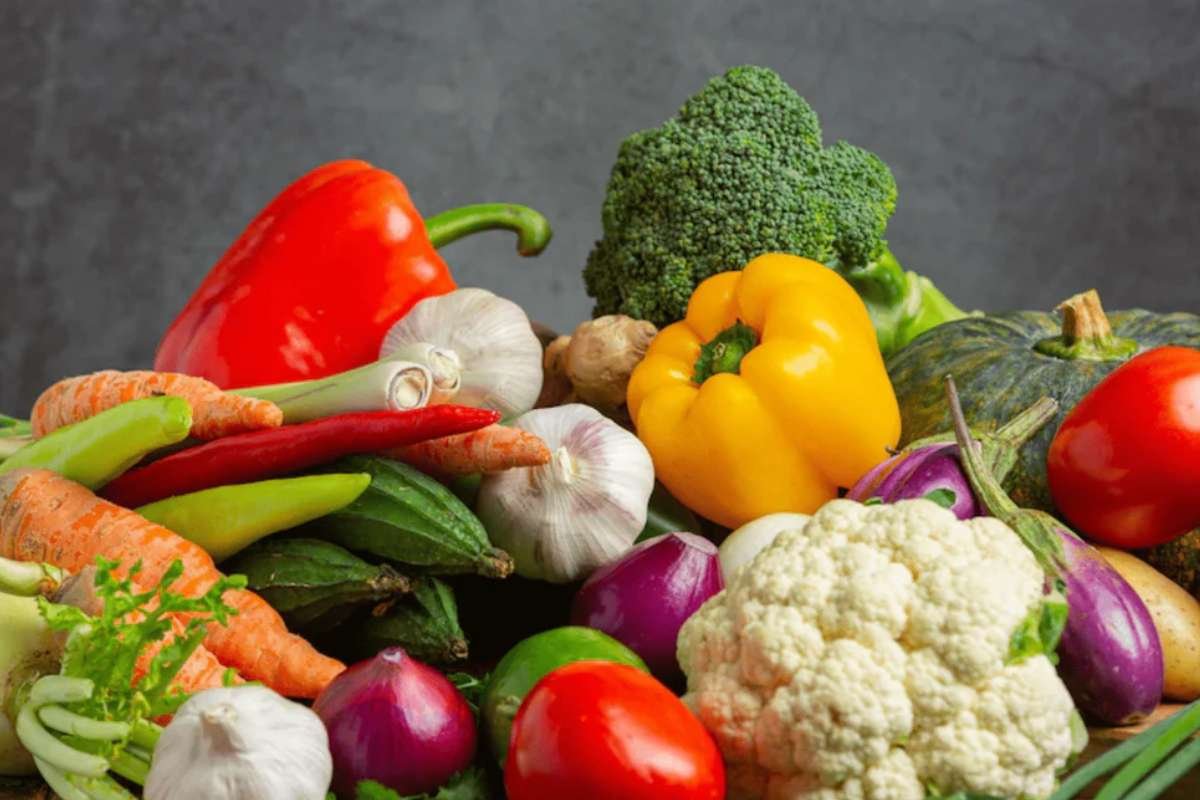
Winter vegetables are packed with nutrients that support your health during the colder months. This guide highlights 10 of the healthiest winter vegetables, explains their key benefits, matches them to different health goals, and shares simple ways to cook and enjoy them. You’ll also learn common cooking mistakes to avoid and why eating a variety of seasonal vegetables is the best choice.
The Healthiest Winter Vegetables come in many shapes, colors, and flavors. Each one offers different nutrients, so eating a mix of them during the week is one of the easiest ways to build a healthy diet. Here are ten vegetables that deserve a spot on your winter shopping list.
Top 10 healthiest winter vegetables for immunity, digestion, and wellness
1. Carrots
Carrots are one of the most popular winter vegetables, and for good reason. They are rich in beta carotene, which your body changes into vitamin A to support healthy eyes, skin, and the immune system. Cold weather can make carrots taste naturally sweeter, so they are delicious without much seasoning. Roast them with herbs, add them to soups and stews, or enjoy them raw with hummus for a simple and healthy snack.
2. Kale
Kale is often called a nutrient-rich leafy green because it provides vitamins A, C, and K along with fiber and antioxidants. It can help support healthy bones, digestion, and the immune system. Although raw kale has a firm texture, gently massaging the leaves with olive oil makes them softer for salads. You can also stir kale into soups, pasta dishes, or smoothies for an easy way to enjoy more vegetables during winter.
3. Brussels Sprouts
Brussels sprouts may be small, but they are packed with nutrients. They are an excellent source of vitamin C, vitamin K, fiber, and antioxidants that help protect your cells. Many people who dislike boiled Brussels sprouts enjoy them roasted because the heat brings out their natural sweetness and creates crispy edges. They also pair well with garlic, balsamic vinegar, or a sprinkle of Parmesan cheese for extra flavor.
4. Sweet Potatoes
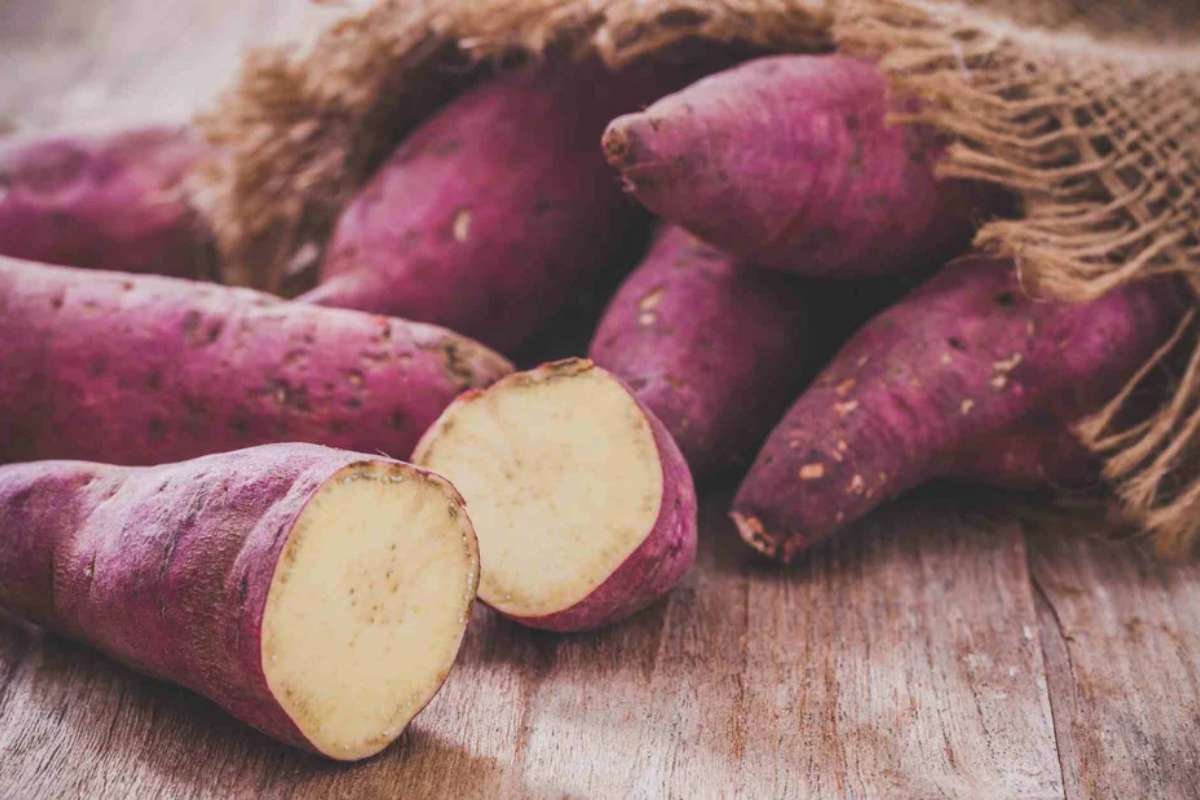
Sweet potatoes are filling, naturally sweet, and full of nutrients. They provide complex carbohydrates that give your body steady energy instead of quick spikes. They are also rich in vitamin A and potassium, which help support healthy vision and normal muscle function. Bake them whole, roast them into wedges, or mash them as a side dish. Their natural sweetness makes them popular with both children and adults.
5. Broccoli
Broccoli is one of the easiest vegetables to include in winter meals. It is rich in vitamin C, fiber, vitamin K, and plant compounds that support overall health. Lightly steaming or roasting broccoli helps keep its bright color and firm texture. It works well in stir-fries, casseroles, pasta, soups, and rice bowls. Even adding a small serving a few times each week can increase your vegetable intake without much effort.
6. Cabbage
Cabbage is one of the most affordable vegetables you can buy, yet it offers plenty of nutrition. It contains vitamin K, vitamin C, and fiber while staying fresh in the refrigerator longer than many leafy greens. Slice it into salads for crunch, cook it into soups, or use it in stir-fries. It is also the main ingredient in fermented foods like sauerkraut, which can support gut health when eaten as part of a balanced diet.
7. Cauliflower
Cauliflower has become popular because it can replace many higher-calorie foods while still tasting great. It provides vitamin C, fiber, and antioxidants in every serving. Roast it until golden, mash it instead of potatoes, or blend it into creamy soups for extra vegetables without changing the flavor too much. You can even use cauliflower in rice dishes or homemade pizza crusts for more variety in your meals.
8. Beets
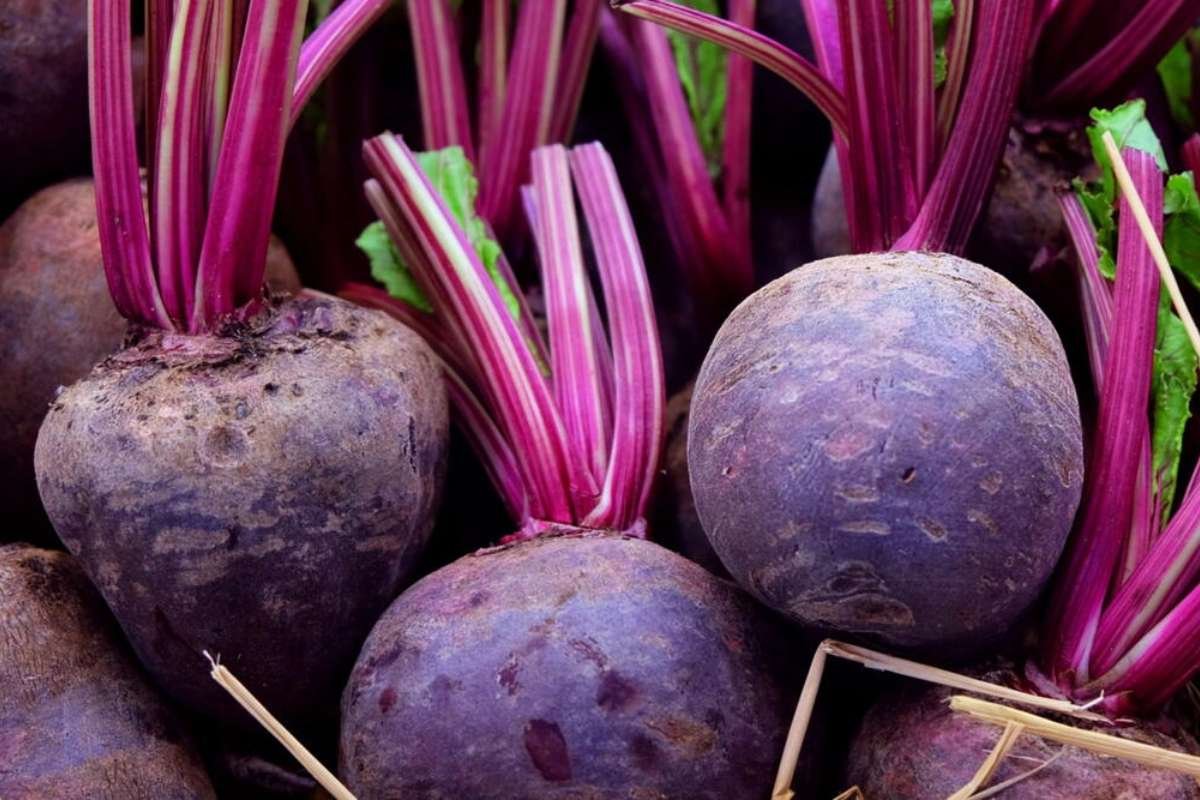
Beets stand out because of their deep red color and naturally sweet taste. They contain natural nitrates that help support healthy blood flow, making them a favorite among many active people. Beets also provide fiber, folate, and potassium. Roast them until tender, grate them into salads, or add them to grain bowls for extra color and nutrition. Their earthy flavor becomes milder and sweeter after cooking.
9. Turnips
Turnips are often overlooked, but they are a healthy addition to winter meals. They provide vitamin C, fiber, and several minerals while being low in calories. Young turnips have a mild flavor, while larger ones become slightly stronger in taste. Roast them with carrots and potatoes, mash them, or add them to soups and stews. They absorb seasonings well and become soft and slightly sweet after cooking.
10. Spinach
Spinach is one of the easiest leafy greens to cook because it softens in just a few minutes. It provides iron, folate, vitamins A and K, and antioxidants that support overall health. Add fresh spinach to omelets, pasta, soups, curries, sandwiches, or smoothies without changing the flavor very much. Since it cooks down quickly, you can easily eat a generous serving and increase your daily vegetable intake.
Eating a variety of the healthiest winter vegetables throughout the season gives your body a wider mix of vitamins, minerals, antioxidants, and fiber than relying on just one or two favorites. Different vegetables offer different benefits, so adding several colors and types to your meals is one of the simplest ways to support your health all winter long.
Which winter vegetable fits your health goal?
Everyone has different health goals. Some people want to stay healthy during cold and flu season, while others want more energy or better digestion. The Healthiest Winter Vegetables can help in different ways, so choosing a mix is the smartest approach.
| Health Goal | Best Vegetable | Why It Helps |
| Better immunity | Broccoli | High in vitamin C, which supports normal immune function. |
| Healthy eyes | Carrots | Rich in beta carotene, which your body turns into vitamin A. |
| Heart health | Beets | Natural nitrates help support healthy blood flow. |
| Better digestion | Kale | High in fiber, which helps keep digestion regular. |
| Weight management | Cauliflower | Low in calories but filling because of its fiber content. |
| Bone health | Cabbage | Provides vitamin K, which supports healthy bones. |
Remember, no single vegetable can meet every nutrition need. Eating different colors and types throughout the week gives your body a better mix of vitamins, minerals, and fiber.
Simple ways to get more winter vegetables into your meals

Adding more vegetables to your meals does not have to be difficult. Small changes can help you eat better without changing your entire diet. The Healthiest Winter Vegetables fit easily into everyday recipes, making them simple to enjoy throughout the season.
Try roasting carrots, broccoli, cauliflower, and Brussels sprouts together with olive oil and your favorite herbs for an easy side dish. Add fresh spinach to scrambled eggs or omelets for a quick breakfast. Stir chopped kale into soups during the last few minutes of cooking, or mix shredded cabbage into tacos, wraps, and sandwiches for extra crunch.
You can also mash cooked cauliflower with potatoes for a lighter side dish or add roasted sweet potatoes to salads and grain bowls. If fresh vegetables are not available, frozen ones are a great option. They are usually frozen soon after harvest, which helps them keep most of their vitamins and minerals. Keeping a few bags in your freezer makes it easier to prepare healthy meals any day of the week.
Common mistakes that reduce nutrition
Cooking vegetables the right way helps you get the most from them. Boiling vegetables for too long can cause some vitamins to move into the cooking water. Peeling every vegetable also removes some fiber and nutrients found near the skin. Using too much butter or oil can add extra calories, while eating the same vegetable every week limits the nutrients you get. Mixing different Healthiest Winter Vegetables throughout the season gives your body a wider range of health benefits.
Conclusion
Winter is the perfect season to enjoy fresh, flavorful vegetables that are packed with nutrients. From carrots and broccoli to kale and sweet potatoes, every vegetable brings something different to your plate. Eating a wide variety helps you get more vitamins, minerals, fiber, and antioxidants while keeping meals interesting.
Instead of looking for one perfect food, focus on filling your plate with several seasonal choices each week. The Healthiest Winter Vegetables are easy to cook, affordable, and versatile, making them one of the simplest ways to eat well and stay healthy all winter long.
Frequently asked questions
1. Which winter vegetable is the healthiest?
There is no single healthiest choice. The Healthiest Winter Vegetables each offer different nutrients. Eating a variety of vegetables throughout the week is the best way to support your overall health.
2. Are frozen winter vegetables healthy?
Yes. Frozen vegetables are usually frozen soon after they are harvested, so they keep most of their nutrients. They are a convenient and nutritious choice when fresh vegetables are not available.