Key Takeaway:
- More than 840 confirmed cyclosporiasis cases have been reported across 31 U.S. states since May, with investigators still searching for the outbreak source.
- Health experts say the parasite is commonly linked to contaminated fresh produce and advise washing fruits and vegetables thoroughly to reduce infection risk.
- Doctors urge anyone with persistent diarrhea or severe stomach symptoms to seek medical evaluation, as the infection is treatable with antibiotics once diagnosed.
More than 840 confirmed cases have been reported across 31 U.S. states since May, as health officials investigate the cyclosporiasis outbreak and urge consumers to safely handle fresh produce to reduce infection risks.
Health officials say the outbreak involves Cyclospora cayetanensis, a microscopic parasite that infects the intestines after people consume contaminated food or water. In the United States, infections are most often linked to contaminated fresh produce. The disease does not spread from person to person.
CDC investigates growing outbreak across states
The U.S. Centers for Disease Control and Prevention says at least 840 confirmed cases have been identified in 31 states since May, making this cyclosporiasis outbreak one of the most closely watched foodborne illness investigations this year. Michigan alone has reported more than 1,500 cases, suggesting the national total could be significantly higher as investigations continue.
Authorities have not identified a common source for the cyclosporiasis outbreak. Previous U.S. outbreaks have been traced to imported fresh produce, including cilantro, basil, raspberries, and leafy greens.
Health experts say symptoms usually appear five to seven days after exposure. The intestinal parasite infection commonly causes watery diarrhea, nausea, vomiting, stomach pain, and low-grade fever.
Dr. Ariel Malamud, a gastroenterologist, said patients with persistent diarrhea should seek medical care.
“If you get diarrhea, go for an evaluation,” Malamud said. “Do your stool studies so we can get an answer to what we’re dealing with and treat you appropriately.”
California patient describes severe illness and recovery
A Southern California woman, who requested anonymity, said the illness was the worst she has ever experienced. She told Nexstar’s KTLA she suffered severe stomach pain, persistent vomiting and diarrhea, and could not keep food down.
“It was the sickest I’ve ever been,” she said. “I’ve never felt that sick before.”
The woman said she lost nearly 10 pounds in about a week before seeking medical treatment. After doctors diagnosed cyclosporiasis and prescribed antibiotics, she said her condition improved rapidly.
“I don’t remember how long I was on antibiotics, but within about a week I was perfectly fine,” she said.
Doctors say untreated infections can last for weeks and may temporarily improve before symptoms return. Most patients recover with appropriate antibiotic treatment after diagnosis.
Experts urge safe produce handling at home
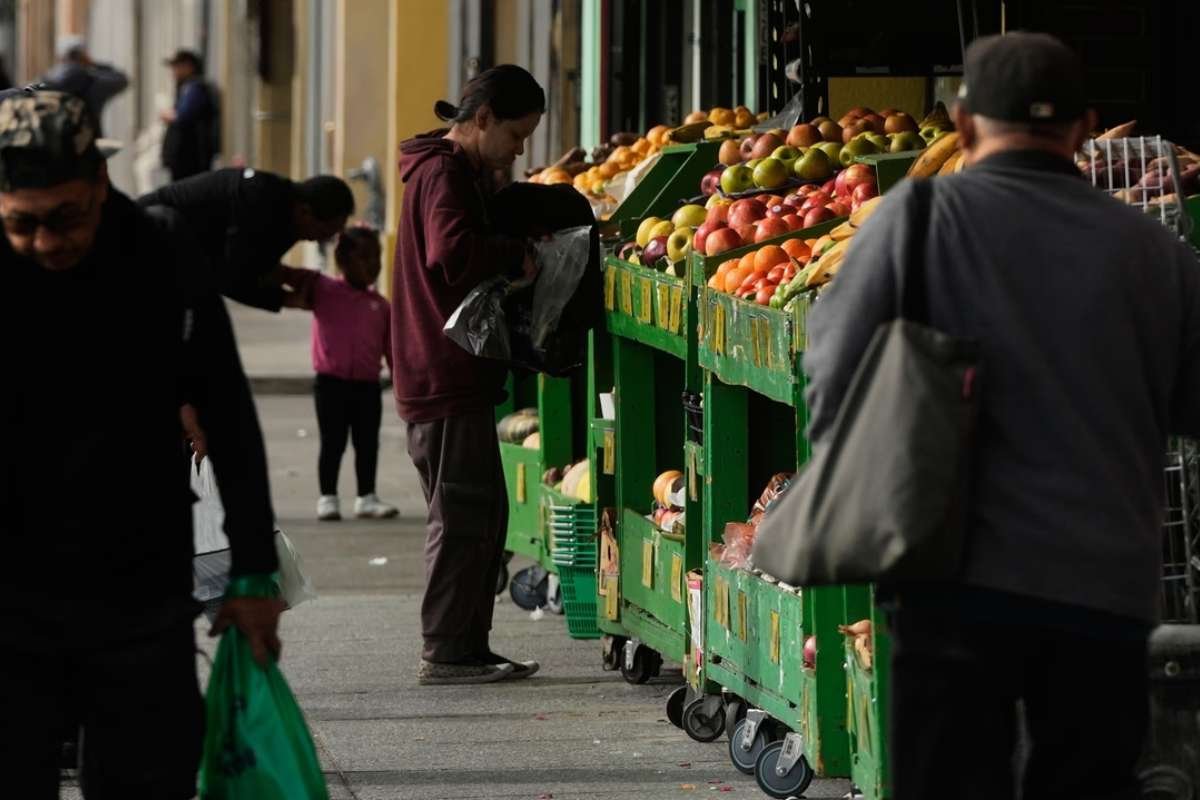
Food safety specialists say consumers can lower their risk during the ongoing cyclosporiasis outbreak by properly washing and preparing fruits and vegetables before eating them.
Candice Christian, a food safety expert, said firm produce should be scrubbed rather than simply rinsed.
“The best defense you can take is to scrub any firm produce,” Christian said. “If you’ve got melons or cucumbers, you want to scrub those with a vegetable brush, not just rinse them.”
Health officials also recommend washing all produce under running water, peeling fruits and vegetables when practical, selecting whole heads of lettuce instead of pre-shredded greens, and cooking produce when appropriate.
The California woman said her illness permanently changed how she prepares fresh produce.
“I would not wish that on my worst enemy,” she said. “I was so sick. It was that awful.”
Investigators continue working to determine what is driving this year’s increase in cases linked to the cyclosporiasis outbreak while urging consumers to follow basic food safety practices during the peak produce season.