Ever stood in a supplement store staring at bottles and thinking,
“Wait… aren’t these the same thing?”
Fish Oil vs Omega-3 feels like one of those trick questions life throws at you. Like asking if coffee and caffeine are the same. Close, but not quite.
Here’s the truth. Many people spend money on supplements without knowing what they actually need. Some take fish oil daily but still miss out on real benefits. Others skip it, thinking they’ve eaten.
“healthy enough.”
So the real question is not what you are taking.
The real question is, are you taking the right thing?
This guide clears the confusion in the simplest way possible—no heavy science. No jargon. Just clear answers that help you make a smarter choice for your body.
What Is the Difference?
Let’s keep it very simple.
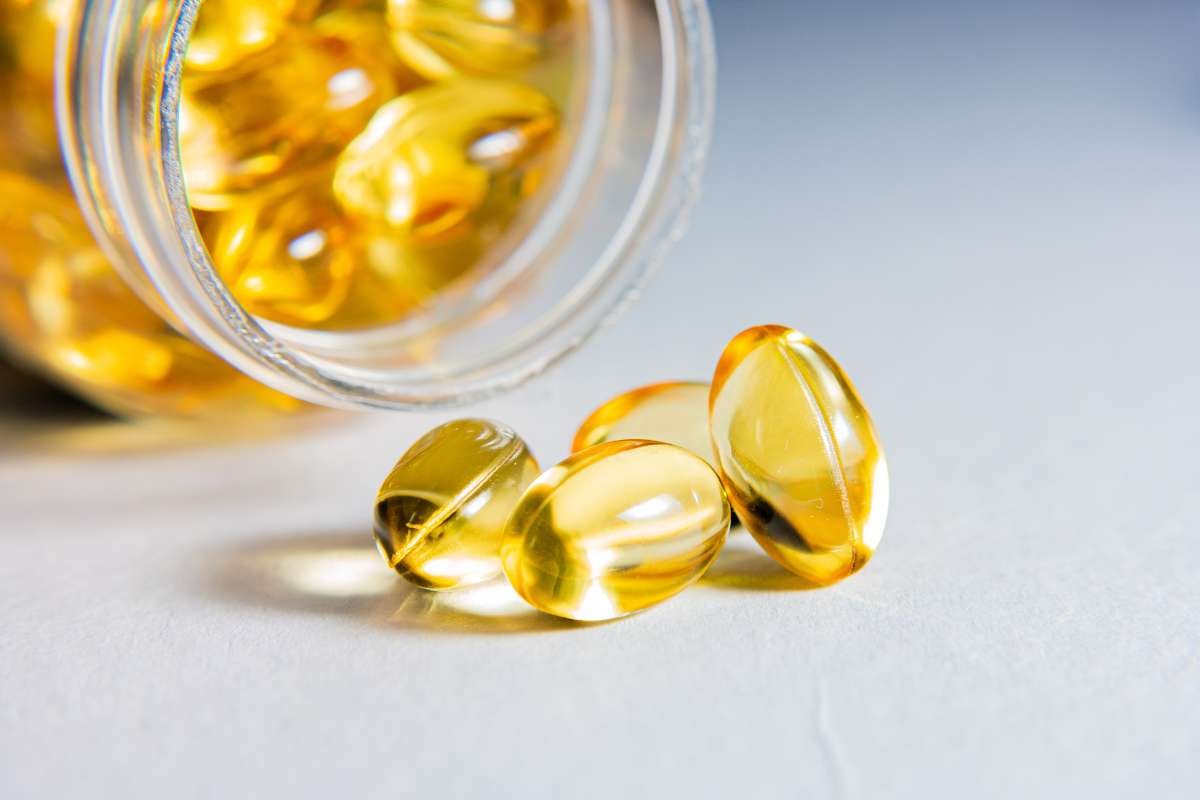
- Fish oil is a supplement made from fatty fish.
- Omega-3 is a type of healthy fat found in fish oil.
So when we talk about Fish Oil vs Omega-3, we are comparing the source vs the nutrient.
Fish oil contains Omega-3 fatty acids like:
- EPA (good for the heart and inflammation)
- DHA (good for the brain and eyes)
But not all fish oils give you enough of these. That’s where the confusion begins.
10 Importance of Fish Oil vs Omega-3
This section goes deeper into Fish Oil and Omega-3 with practical, people-first explanations.
1. Helps Your Heart Stay Strong
Your heart works nonstop. It needs the right kind of fat to stay healthy. Omega-3 fatty acids, especially EPA and DHA, help reduce triglycerides (a type of fat in your blood). High triglycerides increase the risk of heart disease.
Omega-3 also helps:
- Keep blood vessels flexible
- Reduce blood pressure slightly
- Support a steady heart rhythm
In the context of Fish Oil vs Omega-3, this matters a lot. Many people take fish oil but do not check how much EPA and DHA it contains. If the levels are too low, the heart benefits drop.
Simple takeaway: Not all fish oil supports your heart. Only those rich in Omega-3 actually help.
2. Supports Brain Power
Your brain is made up of nearly 60% fat. DHA, a type of Omega-3, is a key building block of brain cells. It plays a major role in how you think, remember, and focus.
Low DHA levels may lead to:
- Poor concentration
- Brain fog
- Memory issues
Children, students, and working adults all benefit from proper Omega-3 intake.
In Fish Oil and Omega-3, DHA stands out as the most important part for brain health. A fish oil supplement without enough DHA will not give you the mental clarity you expect.
Simple takeaway: If your goal is focus and memory, look for DHA, not just fish oil.
3. Reduces Inflammation

Inflammation is your body’s defense system. But when it stays active for too long, it leads to problems like joint pain, stiffness, and fatigue.
Omega-3 helps control this by:
- Reducing inflammatory signals in the body
- Supporting joint flexibility
- Helping muscles recover faster
This is useful for:
- People with arthritis
- People who sit for long hours
- People who work out regularly
In Fish Oil vs Omega-3, the anti-inflammatory benefit depends fully on Omega-3 levels. Poor-quality fish oil may not deliver strong results.
Simple takeaway: Omega-3 works like a natural support system against daily wear and tear.
4. Improves Eye Health
Your eyes need DHA to function properly. It is a major part of the retina, which helps you see clearly.
Low Omega-3 levels can lead to:
- Dry eyes
- Eye strain
- Blurred vision
This is common today because of long screen time.
Omega-3 helps:
- Maintain moisture in the eyes
- Support long-term vision health
- Reduce irritation caused by screens
In Fish Oil vs Omega-3, DHA again becomes the key factor. Fish oil only helps your eyes if it delivers enough DHA.
Simple takeaway: If your eyes feel tired or dry, Omega-3 may be missing from your routine.
5. Helps With Mood Balance
Mental health is not just about thoughts. It also connects to nutrition. Omega-3 plays a role in how brain cells communicate.
Low Omega-3 levels are linked with:
- Mood swings
- Stress
- Low energy
Omega-3 supports:
- Stable mood
- Better emotional balance
- Reduced mental fatigue
This does not replace medical treatment, but it supports overall mental well-being.
In Fish Oil and Omega-3, this benefit again depends on actual Omega-3 intake. Many people take fish oil expecting mood improvement, but see no change because the dosage is too low.
Simple takeaway: Your mood may not just depend on life situations. It may also depend on what you eat.
6. Supports Skin Health

Healthy skin is not just about creams. It starts from inside your body. This is where Fish Oil vs Omega-3 becomes important. Omega-3 fatty acids help your skin stay soft, hydrated, and calm.
Your skin has a natural barrier that locks in moisture. Omega-3 strengthens this barrier. When this barrier works well, your skin does not dry out easily. It also becomes less sensitive to pollution and harsh weather.
Omega-3 also helps control oil production. When your skin produces too much oil, pores get blocked. This leads to acne and breakouts. A balanced intake can reduce this problem over time.
Another benefit is reduced inflammation. Redness, itching, and irritation often come from inflammation inside the body. Omega-3 works to calm this reaction. That is why people with conditions like acne or dry skin often see improvement.
In the Fish Oil and Omega-3 discussion, the key point is quality. Fish oil helps only when it provides enough EPA and DHA. Low-quality supplements may not give visible results.
Simple takeaway: Better fats inside your body lead to clearer, calmer skin outside.
7. Important During Pregnancy
Pregnancy is a time when nutrition matters more than ever. In the context of Fish Oil vs Omega-3, DHA becomes the most important nutrient.
DHA plays a major role in the development of a baby’s brain and eyes. During pregnancy, the baby depends fully on the mother for this nutrient. If the mother’s intake is low, the baby may not get enough for proper development.
Doctors often recommend Omega-3 during pregnancy because it supports:
- Brain growth
- Eye development
- Healthy birth weight
It may also help reduce the risk of early delivery in some cases.
Here is the important part. Not all fish oil is safe during pregnancy. It must be purified and free from harmful substances like mercury. This is why medical advice is necessary before taking supplements.
In Fish Oil vs Omega-3, the focus should always be on getting safe and sufficient DHA.
Simple takeaway: The right nutrition during pregnancy supports a healthier start for the baby.
8. Helps With Weight Management
Weight loss is often misunderstood. People look for shortcuts. But Fish Oil vs Omega-3 shows that real support comes from improving how your body works.
Omega-3 does not burn fat directly. It helps your body manage fat better.
Here’s how it supports weight management:
- Improves metabolism so your body uses energy more efficiently
- Supports insulin function, which helps control blood sugar
- Reduces inflammation that can slow down fat loss
- Helps you feel full, which may reduce overeating
When your body works in balance, weight management becomes easier.
Fish oil can support this process, but only when it contains enough active Omega-3. Taking random supplements without checking quality will not help.
In Fish Oil and Omega-3, the real value lies in consistency. Small daily improvements lead to long-term results.
Simple takeaway: It is not a fat burner. It is a body balancer.
9. Boosts Immunity

Your immune system protects you every day. It fights bacteria, viruses, and infections. To do this well, your body needs the right nutrients. This is where Fish Oil vs Omega-3 plays a role.
Omega-3 supports the immune system by reducing unnecessary inflammation. Not all inflammation is bad, but too much can weaken your body over time.
It also helps immune cells function better. When these cells work properly, your body responds faster and more effectively to infections.
Another benefit is recovery. Omega-3 may help your body recover more quickly after illness or stress.
Fish oil can support immunity, but only when it delivers enough Omega-3. Poor-quality supplements may not make a difference.
In Fish Oil and Omega-3, the key is regular intake and balanced nutrition.
Simple takeaway: A strong immune system needs the right fats, not just vitamins.
10. Improves Overall Energy
Feeling tired all the time is common today. But energy is not just about sleep. It is about how well your body functions. This is where Fish Oil vs Omega-3 becomes relevant.
Omega-3 supports many systems in your body at the same time. When these systems work well, your energy levels improve naturally.
Here’s how it helps:
- Supports heart health, so oxygen moves efficiently
- Helps brain function, improving focus and alertness
- Reduces inflammation, which often causes fatigue
- Supports a better mood, which affects daily energy
When your body is in balance, you feel more active without needing stimulants.
Fish oil can help, but only if it provides the right amount of Omega-3. Quality and consistency matter more than quantity.
In Fish Oil and Omega-3, energy is not instant. It builds over time with better nutrition.
Simple takeaway: Real energy comes from a body that works smoothly, not from quick fixes.
Fish Oil vs Omega-3: Which One Should You Choose
Here’s the simple answer.
If your diet already includes fatty fish like salmon or sardines, you may already get Omega-3.
If not, a fish oil supplement can help. But check this:
- Look for EPA and DHA levels
- Avoid low-quality oils
- Choose trusted brands
Fish Oil vs Omega-3 is not about picking one. It is about making sure you actually get enough Omega-3.
Common Mistakes People Make
- Thinking all fish oils are the same
- Not checking EPA and DHA content
- Taking too little dose
- Expecting instant results
- Ignoring diet completely
Comparison Table
| Factor | Fish Oil | Omega-3 |
| What it is | A supplement | A nutrient |
| Source | Fish | Found in fish, seeds |
| Purpose | Delivery method | Health benefits |
| Key value | Depends on quality | Always essential |
Conclusion
So here we are. Back to that confusing shelf in the store.
Fish Oil vs Omega-3 is not a battle. It is a clarity check. One is the container. The other is the content.
You don’t need more supplements. You need the right ones.
Next time you pick a bottle, don’t just read the label. Understand it. Better health does not come from guessing.
It comes from knowing.
FAQs
1. Is fish oil the same as Omega-3?
A: No. Fish oil contains Omega-3, but Omega-3 is the actual nutrient your body needs.
2. Can I skip fish oil and get Omega-3 from food?
A: Yes. Fatty fish, flaxseeds, and walnuts are good sources.
3. How much Omega-3 do I need daily?
A: Most adults need around 250–500 mg of EPA and DHA combined.
4. Are there side effects?
A: Too much fish oil can cause digestive issues. Always take the right dose.
5. Is plant Omega-3 enough?
A: Plant sources give ALA, which your body converts poorly into EPA and DHA.