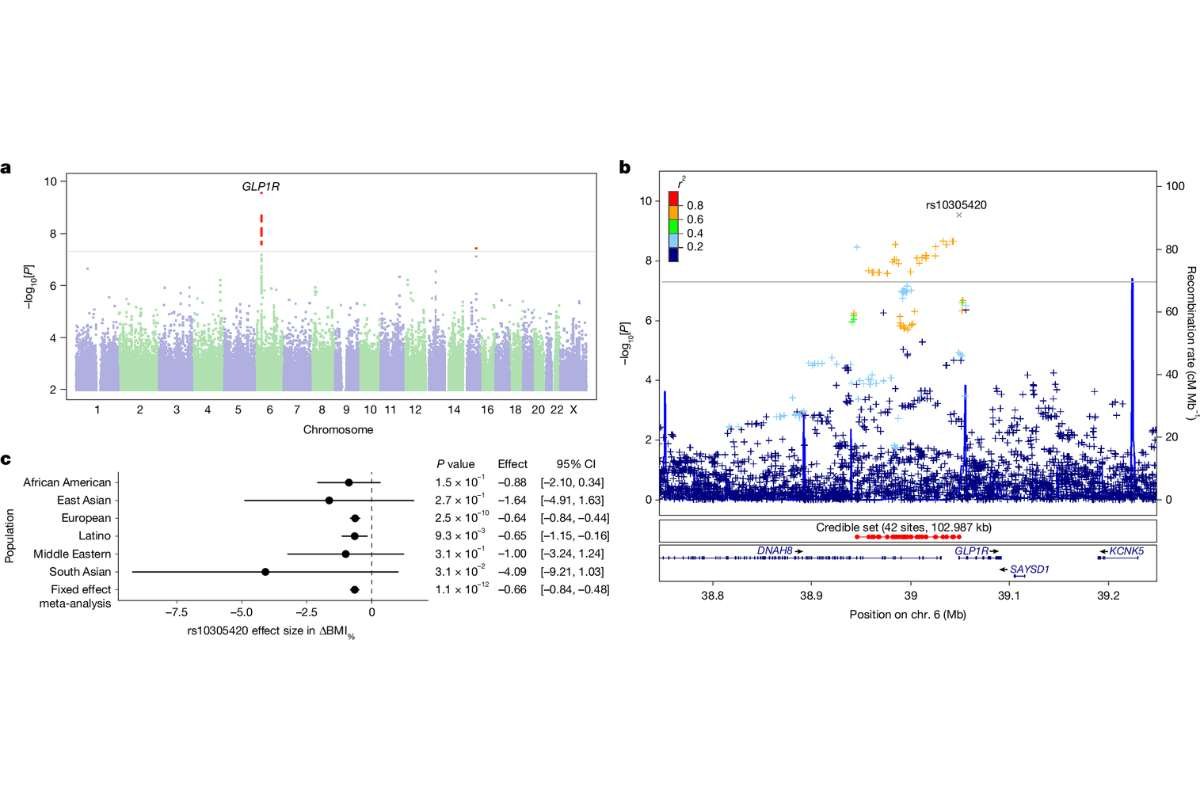
Genetic differences may partly explain why weight-loss injections work better for some patients than others, according to a GLP-1 genetic study of nearly 28,000 people published Wednesday in Nature, researchers say.
Study Links Gene Variants to Weight Loss and Side Effects
Scientists analyzing data from 27,885 patients found that variations in two genes tied to gut hormone pathways influence how individuals respond to GLP-1 weight-loss drugs.
The research, conducted by 23andMe scientists, identified one gene variant associated with slightly greater weight loss. Another variant was linked to side effects such as nausea and vomiting in patients taking certain medications.
GLP-1 receptor agonists, including semaglutide and tirzepatide, mimic hormones that regulate appetite, insulin release, and digestion. These drugs are widely used to treat obesity, but patient responses vary significantly.
Researchers Say Genetic Impact Remains Modest
Despite the findings, researchers emphasized that genetic influence on treatment outcomes appears limited. The identified variants showed only small effects on weight loss and side effects.
“Genetic differences may contribute to variability, but their overall impact is modest,” the GLP-1 genetic study authors noted.
The findings suggest genetics could eventually play a role in tailoring obesity treatments. However, scientists say more evidence is needed before such approaches become standard in clinical practice.
Experts Highlight Role of Non-Genetic Factors
Independent experts say other factors play a much larger role in determining patient outcomes. These include drug type, dosage, treatment duration, and individual characteristics such as sex.
Marie Spreckley, an obesity expert at the University of Cambridge who was not involved in the study, said the research offers “plausible evidence” of a genetic link.
“However, the magnitude of these genetic effects is small in clinical terms,” she said. “Non-genetic factors explain a substantially larger proportion of variability.”
Spreckley added that while the study advances understanding of treatment differences, genetics is only one part of a complex picture. Behavioral and clinical factors remain the primary drivers of weight-loss outcomes.
She said the findings could support future “precision medicine” approaches but cautioned that current evidence does not justify using genetic testing to guide treatment decisions.
The GLP-1 genetic study marks a step toward understanding why widely used obesity drugs produce uneven results. Researchers say further studies are needed to confirm findings and explore how genetics might be combined with other factors to improve care.