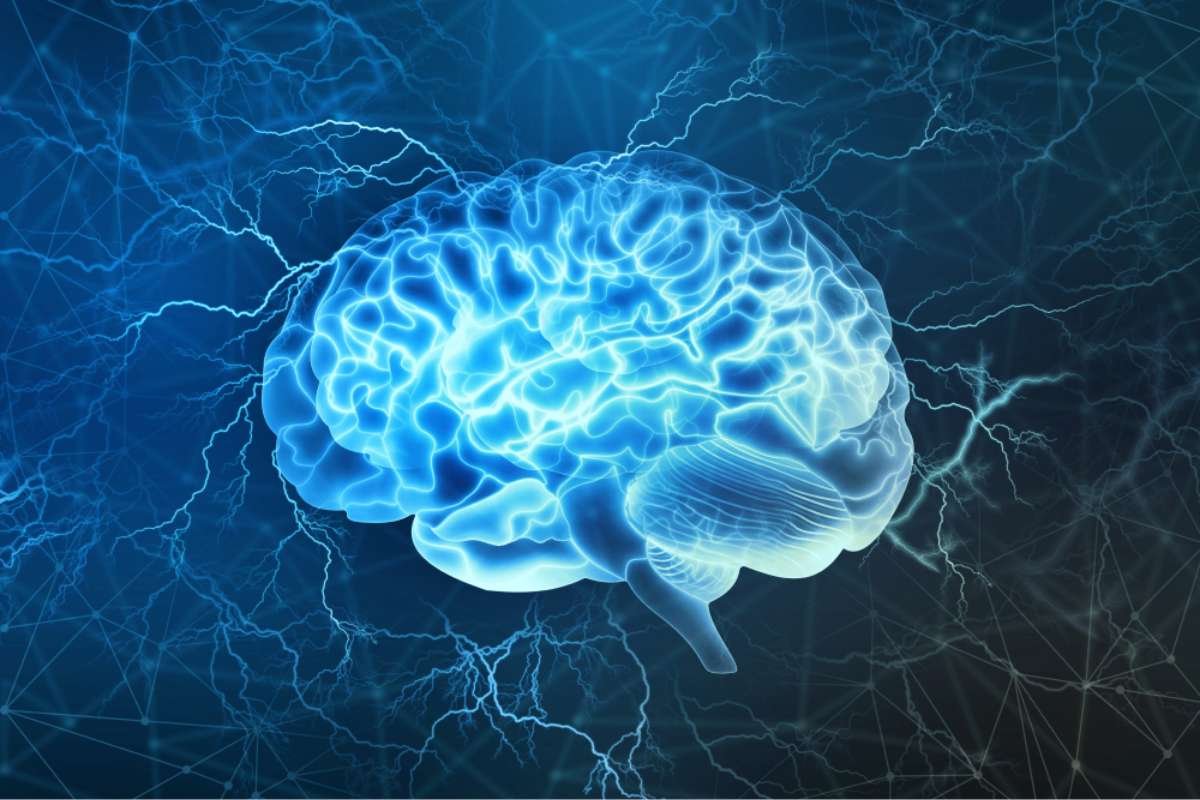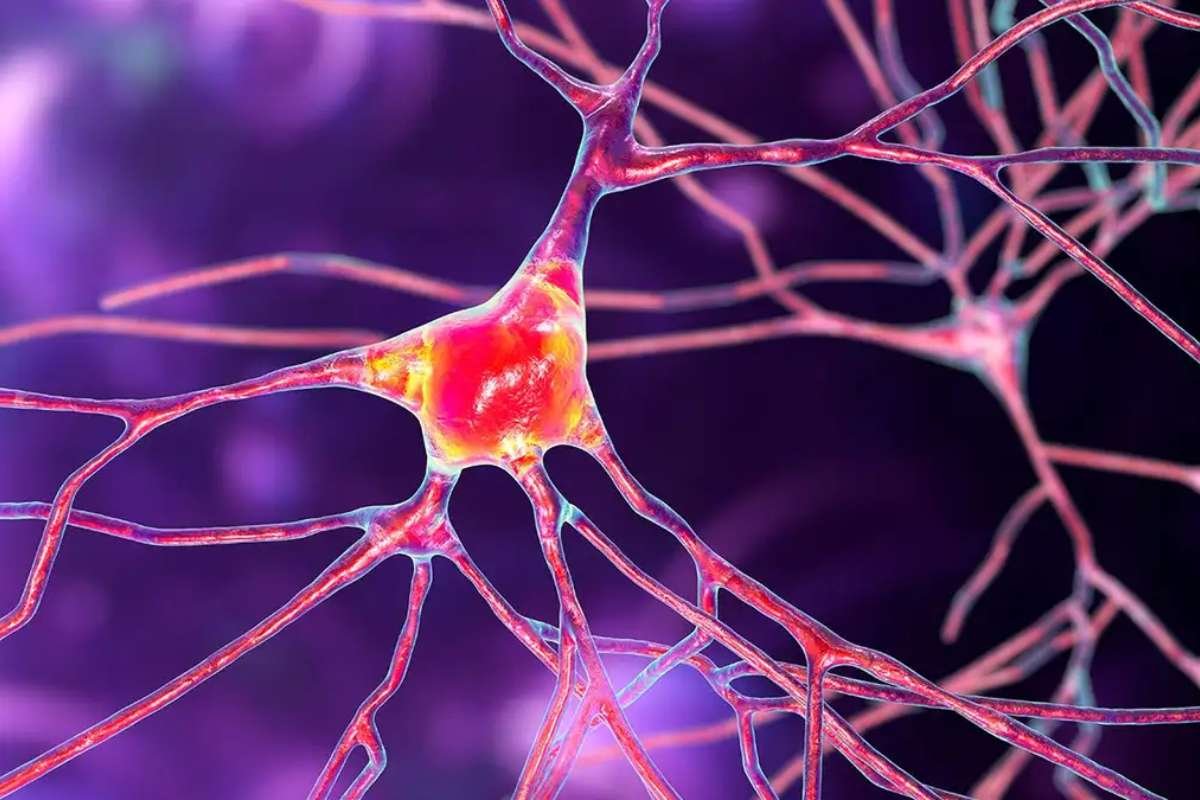
Scientists analyzing more than 500 brain scans across five countries report psychedelic drugs, including LSD and psilocybin, create a shared “neural fingerprint,” increasing communication between brain systems and reshaping how networks interact during altered states.
Researchers Find Shared Brain Signature Across Psychedelic Drugs
Scientists have identified a common pattern of brain activity produced by several psychedelic substances, offering the clearest evidence yet of how these drugs alter human consciousness.
The international study analyzed brain scans from 267 participants who received LSD, psilocybin, DMT, mescaline, or ayahuasca. Researchers combined 11 independent brain imaging datasets to examine how the substances affect neural activity.
The results, published in Nature Medicine, show psychedelics consistently increase communication between normally separate brain networks. The researchers describe this shared pattern as a “neural fingerprint” of psychedelic experiences.
“These five drugs that have never been analyzed together for their impact on the brain have certain effects in common,” said Dr. Danilo Bzdok of McGill University, a senior author of the study. “All five drugs dissolve the common order, the usual hierarchy of brain systems.”
Bzdok said the substances appear to flatten the brain’s organizational structure, allowing systems involved in thinking, sensation, and perception to interact more freely.
Increased Cross-Talk Alters Brain Hierarchy
Researchers found the most striking change was heightened communication between higher-level cognitive networks and more primitive sensory regions linked to vision and bodily perception.
“You have an unleashed cross-talk between brain systems — they are wildly communicating with each other,” Bzdok said. “It’s excessive cross-talk between brain systems.”
The study also detected activity changes in deeper brain regions tied to habits, learning, and movement. Scientists said these findings help explain reports of altered perception, hallucinations, and the feeling of losing one’s sense of self, often described during psychedelic experiences.
Contrary to earlier theories, researchers found little reliable evidence that individual brain networks break apart or “disintegrate.” Instead, networks remain intact but communicate more intensely.
Scientists have long struggled to reach firm conclusions about Psychedelic Drugs because most earlier studies involved small sample sizes. By pooling global datasets, researchers aimed to produce more reliable and reproducible findings.
Findings Support Growing Medical Research
Interest in Psychedelic Drugs research is rising as clinical trials examine potential treatments for depression, post-traumatic stress disorder, schizophrenia, and other neurological conditions.
Researchers say understanding the biological mechanisms behind psychedelic experiences is essential before the drugs can be widely used in medical settings.
“We saw that this field is emerging, and it’s very important, but they are on shaky ground,” Bzdok said. “This study was designed to provide a solid foundation.”
Dr. Emmanuel Stamatakis of the University of Cambridge, a senior co-author, said large-scale collaboration is necessary as psychedelic science advances.
“This field is moving quickly,” Stamatakis said. “If psychedelic research is to mature responsibly, it needs large-scale, coordinated evidence.”
Scientists said the newly identified neural fingerprint may help guide future clinical trials by offering measurable biological markers of how psychedelic therapies affect the brain.
Researchers caution that further studies are needed to determine how long these brain changes last and how they relate to therapeutic outcomes.