Your heart does not beat because you tell it to. Your thoughts do not fire because you will them into motion. Beneath every conscious act runs a silent electrical current that is measured, balanced, and unforgiving when disrupted. Most people never think about that current until something feels off: an irregular heartbeat, persistent fatigue, foggy thinking, muscles that refuse to cooperate.
At the center of this invisible system sits a mineral most of us overlook until a doctor circles it on a lab report. When people ask what does potassium do, they are really asking something far more fundamental: what keeps the human body electrically alive?
In a world dominated by processed food and excess sodium, potassium has become one of the most quietly deficient nutrients of modern life. Understanding its role is not about nutrition trivia. It is about protecting the rhythm of your heart, the clarity of your mind, and the stability of your nervous system, before imbalance turns into illness.
What Does Potassium Do in the Human Body?
To understand the function of this mineral, we must look at the “Sodium-Potassium Pump,” or Na+/K+-ATPase. This is a biological engine found in the membrane of every single cell. It works tirelessly, using a massive portion of your daily energy to push sodium out of the cell and pull potassium in.
Experts at Harvard T.H. Chan School of Public Health explain that this process creates an electrical gradient. This gradient acts like a battery, powering the following hyper-specific functions:
The Electrical Conductor of the Heart
Your heart does not beat simply because it wants to; it beats because of a precise electrical discharge. Potassium ions flow out of heart cells to reset the electrical charge after every contraction. This “repolarization” phase allows the heart to relax and refill with blood. Without enough potassium, the heart enters a state of irritability, leading to arrhythmias or palpitations.
Nerve Impulse Transmission
Your brain communicates through a series of “action potentials.” Think of these as tiny electrical waves traveling down your nerves. As these waves pass, potassium gates open and close with microsecond precision. This movement of ions allows you to feel touch, process sight, and command your limbs to move. When you investigate what does potassium do, you find it is the literal gatekeeper of your nervous system.
Osmotic Pressure and Fluid Balance
Potassium resides primarily inside your cells (intracellular), while sodium stays outside (extracellular). Water follows solutes. By maintaining a high concentration of potassium inside the cell, your body ensures that your cells stay hydrated and maintain their shape. This balance prevents cellular dehydration and ensures that nutrients can enter and waste products can exit the cell efficiently.
Health Benefits of Potassium
The benefits of potassium extend into every major organ system. By balancing the aggressive nature of sodium, potassium acts as a protective shield for your long-term vitality.
Reversing the Effects of Sodium on Blood Pressure
The American Heart Association (AHA) notes that the more potassium you eat, the more sodium your body loses through urine. Furthermore, potassium promotes “vasodilation,” a process where the smooth muscles in your blood vessel walls relax. This relaxation widens the vessels and lowers the pressure of the blood flowing through them. For many, increasing potassium is as effective as certain blood pressure medications.
Defending Against Strokes and Cognitive Decline
High blood pressure is the leading risk factor for stroke. However, potassium offers protection beyond just lowering pressure. Clinical reviews on Healthline suggest that potassium helps maintain the integrity of the blood-brain barrier and prevents arterial stiffness. A high-potassium diet correlates with a significantly lower risk of ischemic strokes, preserving cognitive function well into old age.
Bone Density and pH Balance
Modern diets are often “acidogenic,” meaning they create a slight acidic load in the blood. To neutralize this acid, the body often leaches alkaline calcium from the bones. Potassium-rich foods, particularly fruits and vegetables, provide bicarbonate precursors. These precursors neutralize the acid load, allowing your body to keep its calcium where it belongs: in your skeletal structure.
Preventing the Agony of Kidney Stones
Kidney stones often form when calcium binds with oxalates in the urine. Potassium citrate specifically binds with calcium before it can form a stone, allowing it to pass harmlessly out of the body. UCLA Health highlights that individuals with the highest potassium intake have a 35% to 51% lower risk of developing kidney stones.
Daily Potassium Requirements: A Cheat Sheet for Success
In 2019, the National Academies of Sciences, Engineering, and Medicine updated the “Adequate Intake” (AI) levels for potassium. These targets are higher than most people realize, reflecting the massive role the mineral plays in disease prevention. When assessing what does potassium do, consider these targets your daily “power goals.”
Recommended Daily Intake Targets:
| Group | Recommended Daily Intake (mg) |
| Adult Men (19+ years) | 3,400 mg |
| Adult Women (19+ years) | 2,600 mg |
| Pregnant Women | 2,900 mg |
| Lactating Women | 2,800 mg |
The “Lifestyle Multiplier”:
Certain factors increase your need for potassium. If you fit into these categories, you should aim for the upper end of the spectrum:
- High-Intensity Athletes: You lose significant potassium through sweat. Low levels during a workout lead to early fatigue and “heavy” muscles.
- High-Sodium Consumers: If your diet includes processed foods, you need more potassium to offset the sodium-induced water retention.
- Stress and Cortisol: Chronic stress causes the kidneys to excrete more potassium.
- Diuretic Users: Many blood pressure medications flush potassium out of the system, requiring conscious replenishment.
Read Next: Potassium Deficiency Causes and Simple Fixes You Can Try Today
Best Food Sources of Potassium (Beyond the Banana)
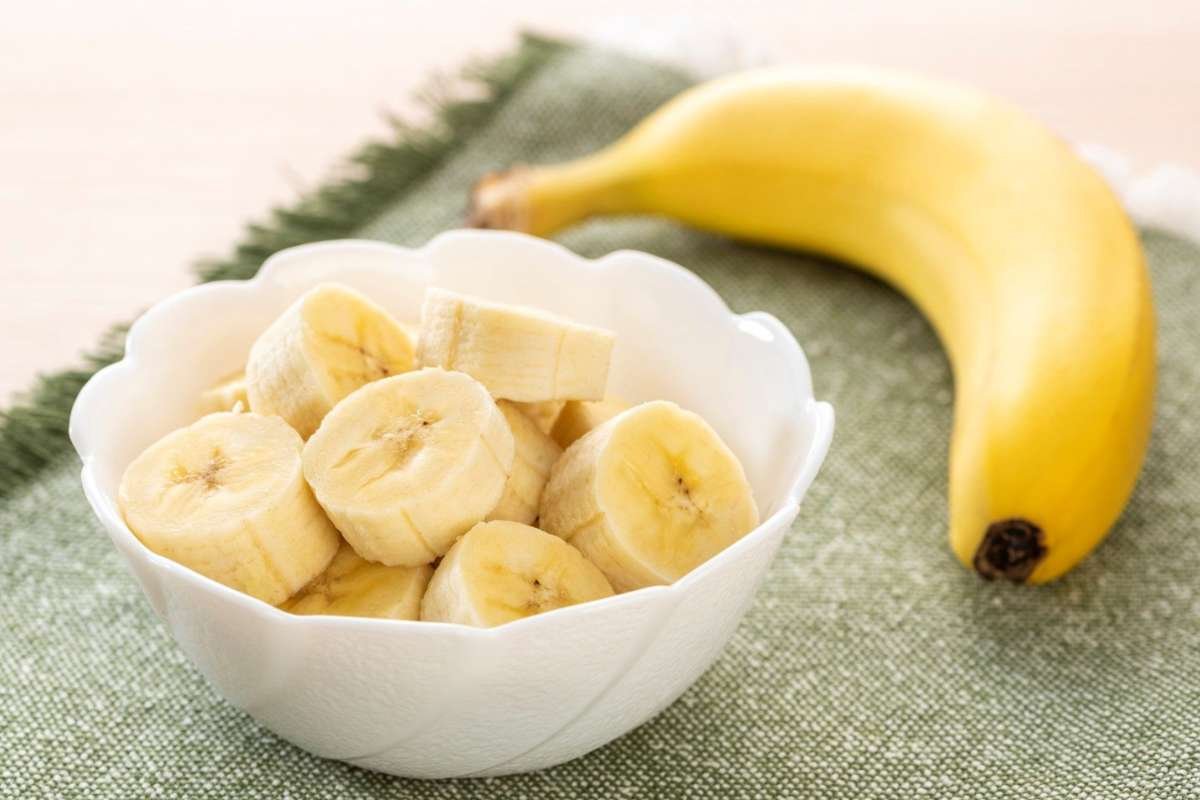
The “banana myth” often leads people to believe they are getting enough potassium when they aren’t even close. One medium banana provides about 422 mg of potassium, only about 12% of a man’s daily goal. To truly leverage what does potassium do for your energy and heart, you need these nutrient-dense heavy hitters.
The 2026 Potassium Power-Ranking: Master Table of Superfoods
| Food Source | Potassium Content (mg) | The “What Does Potassium Do” Factor |
| Beet Greens (Cooked) | 1,309 mg per cup | Acts as the ultimate electrical conductor for the nervous system; it rapidly flushes excess sodium to lower blood pressure. |
| Adzuki Beans (Cooked) | 1,224 mg per cup | Regulates heart rhythm and provides the steady electrical charge needed for high-level metabolic support and energy. |
| Dried Apricots | 1,101 mg per ½ cup | Provides concentrated fuel to prevent muscle fatigue and manage the tension in blood vessel walls. |
| Swiss Chard (Cooked) | 961 mg per cup | Pairs potassium with magnesium to relax arterial walls and dramatically improve vascular elasticity. |
| Baked Potato (With Skin) | 926 mg per medium | Powers the “Sodium-Potassium Pump” in every cell; essential for maintaining long-term internal fluid balance. |
| Acorn Squash | 896 mg per cup | Neutralizes the body’s acid load to preserve skeletal calcium and maintains the electrical signals for deep focus. |
| Spinach (Cooked) | 839 mg per cup | Breaking down oxalates via cooking makes this potassium bioavailable, directly fueling muscular endurance and power. |
| Wild Salmon | 800 mg per 6 oz | Combines Omega-3s with potassium to stabilize the heart’s electrical rhythm and reduce the risk of ischemic stroke. |
| White Beans (Great Northern) | 692 mg per cup | Helps the kidneys filter metabolic waste more efficiently while maintaining a healthy, slightly alkaline internal pH. |
| Avocado | 690 mg per whole | Sustains nerve impulse transmission across the brain while maintaining the moisture barrier within skin cells. |
| Tomato Paste | 669 mg per ¼ cup | Uses lycopene-rich concentration to protect the heart from oxidative damage while regulating systemic fluid levels. |
| Coconut Water | 600 mg per cup | Nature’s sports drink restores voltage across exhausted muscle membranes for rapid post-exercise recovery. |
Pro Tip: The Bioavailability Hack
Potassium is highly water-soluble. If you boil your vegetables and pour the water down the drain, you are throwing away the very minerals you need. To keep the potassium in your food, use steaming, roasting, or air-frying. If you do boil your greens, use the leftover water as a base for soups or stews to capture the leached minerals. HealthDirect emphasizes that fresh, whole foods almost always outperform processed versions because food processing typically removes potassium and adds sodium.
5. Potassium in Medical Research: The DASH Study and Beyond
The most famous research regarding this mineral is the DASH Trial (Dietary Approaches to Stop Hypertension). This study proved that a diet rich in potassium, magnesium, and calcium could lower blood pressure as effectively as a first-line pharmaceutical.
The Sodium-to-Potassium Ratio
Researchers at Harvard now believe that the ratio of sodium to potassium is a more powerful predictor of heart disease than the amount of sodium alone. In ancestral times, humans ate roughly 10 times more potassium than sodium. Today, the average Westerner eats 3 times more sodium than potassium. This flip in our evolutionary chemistry is a primary driver of modern metabolic disease.
Hyper-Specific Case Study: Insulin Secretion
Groundbreaking research shows that potassium is necessary for the pancreas to release insulin. Low potassium levels interfere with the electrical signals that tell your pancreas to move insulin into the bloodstream. This suggests that maintaining high potassium levels may play a critical role in preventing Type 2 Diabetes and insulin resistance. If you ask a researcher What Does Potassium Do, they will tell you it regulates your very ability to process sugar.
Supplement Safety: Why the 99 mg Limit Exists
You might notice that most potassium supplements only contain 99 mg. This is a safety regulation by the FDA. Concentrated potassium can cause small bowel lesions or, if taken in excess by someone with poor kidney function, can cause the heart to stop. Unless prescribed by a physician to treat hypokalemia, always prioritize whole-food sources.
Read Next: 11 Effective Tips for Staying Hydrated and Avoiding Dehydration
FAQs: Expert Answers to Common Queries
1. What Does Potassium Do for leg cramps?
While dehydration and magnesium deficiency also cause cramps, potassium is the primary ion that tells a muscle to “relax” after a contraction. If you experience cramping specifically during or after exercise, it is often a sign of electrolyte depletion.
2. Can I have too much potassium?
Yes. This condition is known as Hyperkalemia. It is rare in healthy people because the kidneys are excellent at flushing excess minerals. However, for those with chronic kidney disease (CKD), potassium can build up to dangerous levels, causing life-threatening heart rhythms. MedlinePlus recommends that anyone with kidney issues consult a renal dietitian before increasing intake.
3. What are the early signs of a deficiency?
Low potassium (Hypokalemia) often starts with subtle signs: unexplained fatigue, muscle weakness, and digestive issues like constipation. Because potassium powers the smooth muscles of the digestive tract, low levels can lead to a “sluggish” gut.
4. What Does Potassium Do for my skin?
Because potassium regulates cellular hydration, it helps maintain the moisture barrier of your skin. Proper levels can reduce the appearance of dry, flaky skin and help maintain a clear, vibrant complexion.
5. How does alcohol affect potassium?
Alcohol is a diuretic that forces the kidneys to flush water and electrolytes. Heavy drinking rapidly depletes potassium stores, which contributes to the “brain fog” and muscle aches associated with hangovers.
6. What Does Potassium Do for Mental Health?
Emerging research in nutritional psychiatry suggests that potassium helps regulate cortisol, the body’s primary stress hormone. High-potassium diets are linked to lower levels of irritability and better mood stability.
Conclusion
By now, the question of what does potassium do should feel less like a search query and more like a biological truth you can sense. It regulates the rhythm of your heartbeat. It steadies your nerves. It keeps your cells hydrated, your muscles responsive, and your brain firing on time.
Potassium does not promise shortcuts or miracles. It offers balance, something modern diets quietly strip away. And balance, once lost, always demands more effort to restore than to maintain.
The good news is this: the solution does not live in a pill bottle for most people. It lives in the ordinary choices you make each day, beans instead of packaged snacks, leafy greens instead of refined carbs, whole foods that work with your biology instead of against it.
When you respect potassium, you respect the electrical intelligence of your body. And once you truly understand what does potassium do, you stop eating just to feel full, you start eating to stay functional, focused, and resilient for the long run.
Verified Information Sources: