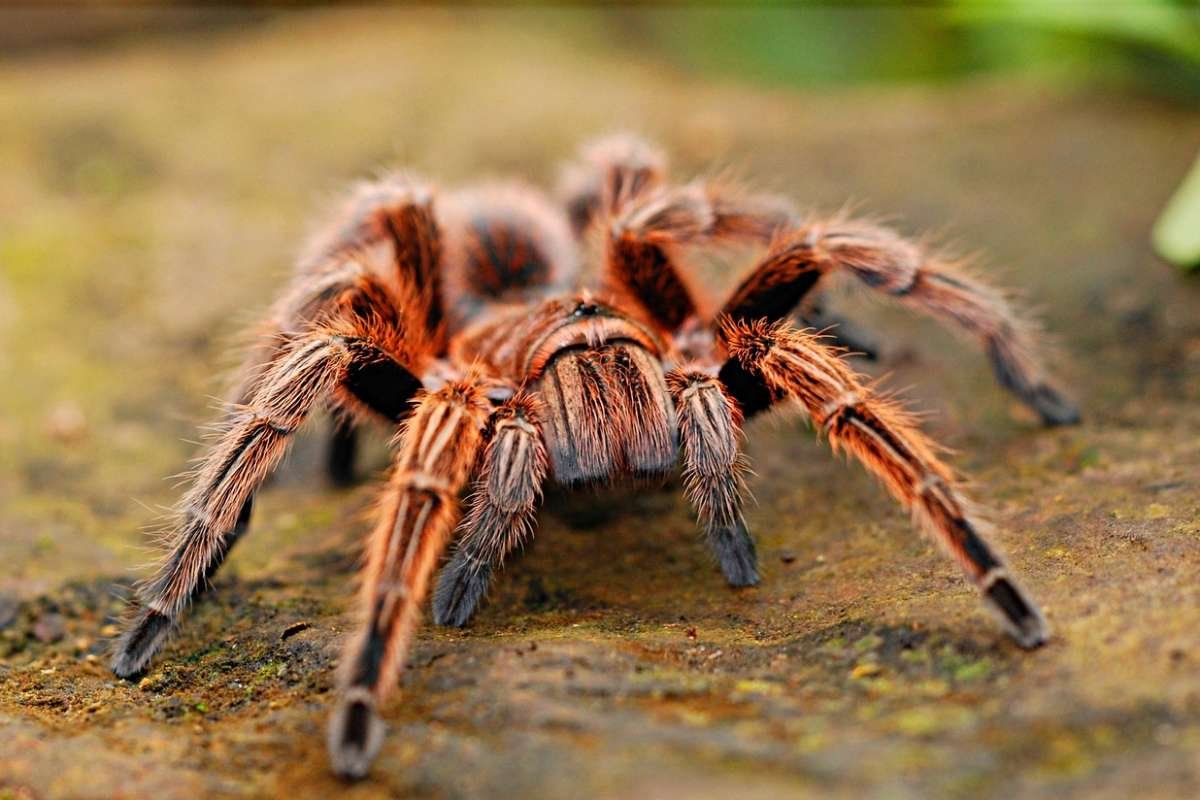
Despite their unattractive appearance, spiders are actually beneficial to nature. By consuming insects that can damage our crops or spread germs, they serve as miniature pest controllers. The majority of spiders are timid and prefer to avoid people, despite the fact that many people are afraid of them. Actually, they only bite when they feel confined or threatened.
People typically search for spiders that can bite them to find the most poisonous spiders in the world. There is a small catch, though: spiders are not poisonous; they are venomous. This means that instead of being dangerous to handle or consume, they inject their chemicals through their fangs when they bite. The most dangerous spiders and their significance to our planet will be discussed in this article.
What Makes a Spider Most Poisonous?
Spiders carry their secret weapon in special glands connected to sharp fangs. When a spider bites, it squeezes these glands to pump liquid venom into its target. Spiders didn’t develop this venom to hurt humans. They evolved it to quickly stop fast-moving prey like crickets or flies. Since spiders don’t have teeth to chew, this venom also helps turn the inside of their “dinner” into a liquid they can easily drink.
How Venom Affects the Body
Not all venom works the same way. Most of the most poisonous spiders in the world are medically called venomous. They use one of two main types of toxins:
- Neurotoxic Venom: This attacks the nervous system. It sends mixed signals to the muscles, which can cause painful cramps or make it hard to breathe. The Black Widow is a famous example.
- Cytotoxic Venom: This targets cells and skin. It causes “tissue death,” where the area around the bite becomes sore and may turn into an open wound. The Brown Recluse uses this type of venom.
While some venom is very strong. A spider is only “dangerous” to humans if it lives near people and has fangs long enough to pierce our skin.
Here are the Top 15 Most Poisonous Spiders in the World:
While all spiders use venom to hunt, only a few are truly dangerous to people. Each entry highlights why these arachnids are medically important and where they are typically found.
| Rank | Spider Name | Location | Primary Danger |
| 1 | Sydney Funnel-Web | Australia | Most toxic venom to humans; very aggressive. |
| 2 | Brazilian Wandering | South America | High neurotoxin levels often hide in homes. |
| 3 | Chilean Recluse | South America | Most dangerous recluse; causes severe tissue death. |
| 4 | Six-Eyed Sand Spider | Africa/S. America | Potent cytotoxin; causes blood vessels to leak. |
| 5 | Black Widow | Global | Famous neurotoxin; causes severe muscle spasms. |
| 6 | Redback Spider | Australia | Cousin to the widow; responsible for many bites. |
| 7 | Brown Recluse | North America | Causes necrotic wounds (skin rot) that heal slowly. |
| 8 | Mouse Spider | Australia | Venom similar to Funnel-webs but less aggressive. |
| 9 | Northern Funnel-Web | Australia | Tree-dwelling cousin of the Sydney Funnel-web. |
| 10 | Chinese Bird Spider | Asia | A large tarantula with a very painful, toxic bite. |
| 11 | Brown Widow | Global | Potent venom, but injects very little per bite. |
| 12 | Fringed Ornamental | Sri Lanka | Fast tarantula; bite causes intense pain and cramps. |
| 13 | Yellow Sac Spider | Global | Frequent biter; causes itchy, slow-healing sores. |
| 14 | Wolf Spider | Global | Large and scary-looking; bite causes mild swelling. |
| 15 | False Widow | Europe/Americas | Often mistaken for a Black Widow; painful bite. |
1. Sydney Funnel-Web
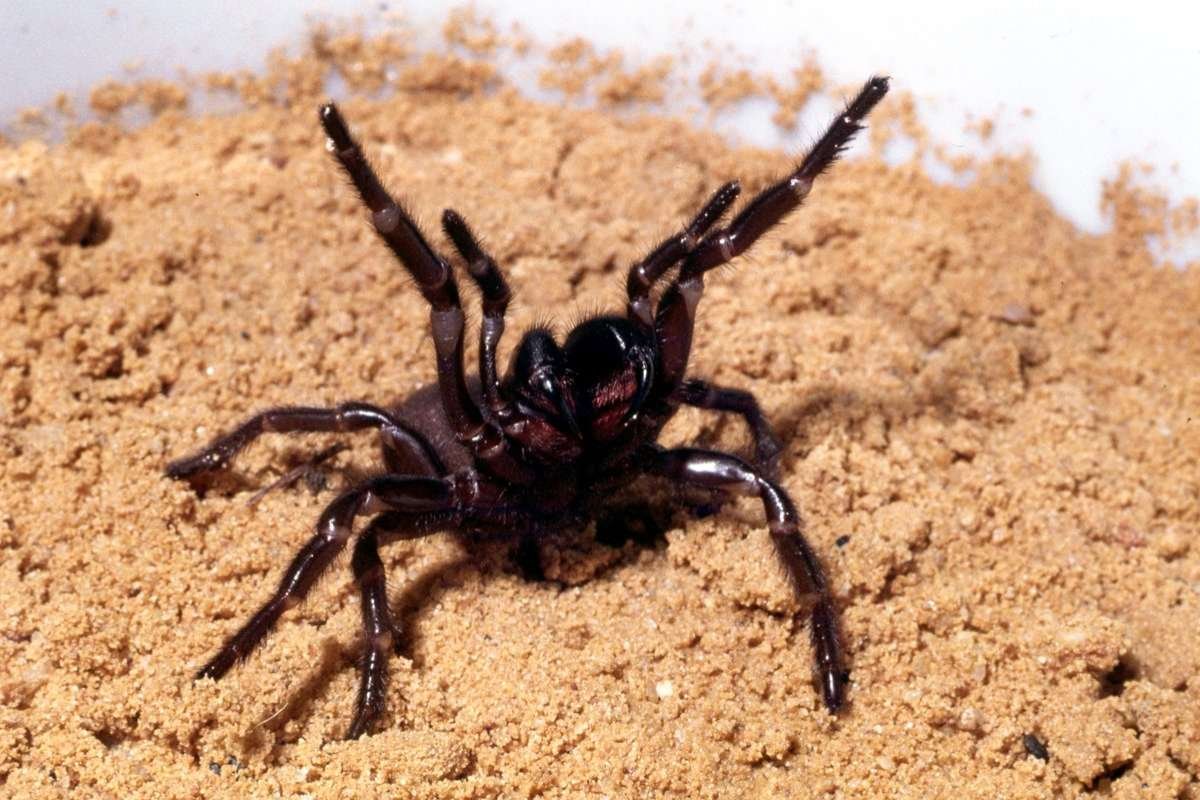
Scientific Name: Atrax robustus
Region Found: Eastern Australia (primarily within 100km of Sydney)
Venom Type / Effect: Neurotoxic (specifically Delta-atracotoxin). It causes the nervous system to overload, leading to rapid heartbeat, high blood pressure, and breathing failure.
Danger Level to Humans: Critical. It is considered the deadliest spider to humans due to its high toxicity and aggressive nature.
The Sydney Funnel-Web is a shiny, black spider with very strong fangs. It gets its name because it builds a web that looks like a funnel. This spider is very brave and will stand up on its back legs if it feels scared. It is often called the leader of the most poisonous spiders in the world because its venom works very fast on humans.
2. Brazilian Wandering Spider
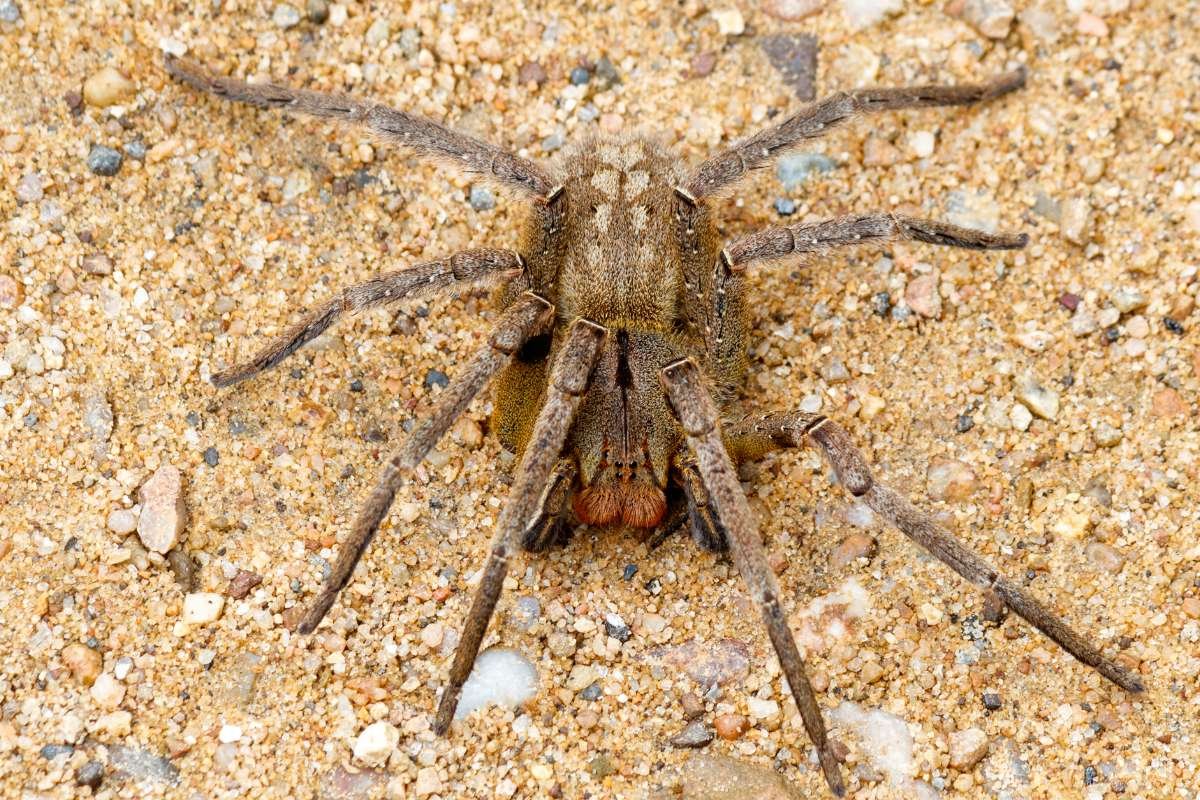
Scientific Name: Phoneutria nigriventer / P. fera
Region Found: Central and South America
Venom Type / Effect: Neurotoxic. The venom affects ion channels in the body, causing intense pain, tremors, and in some cases, priapism (a painful, long-lasting erection).
Danger Level to Humans: Very High. Often found in banana shipments or human homes, increasing the chance of bites.
This spider is often called the “banana spider” because it sometimes hides in bunches of bananas. It does not stay in one web; instead, it walks around the jungle floor at night to find food. It is large, hairy, and very fast, making it a powerful hunter.
3. Chilean Recluse
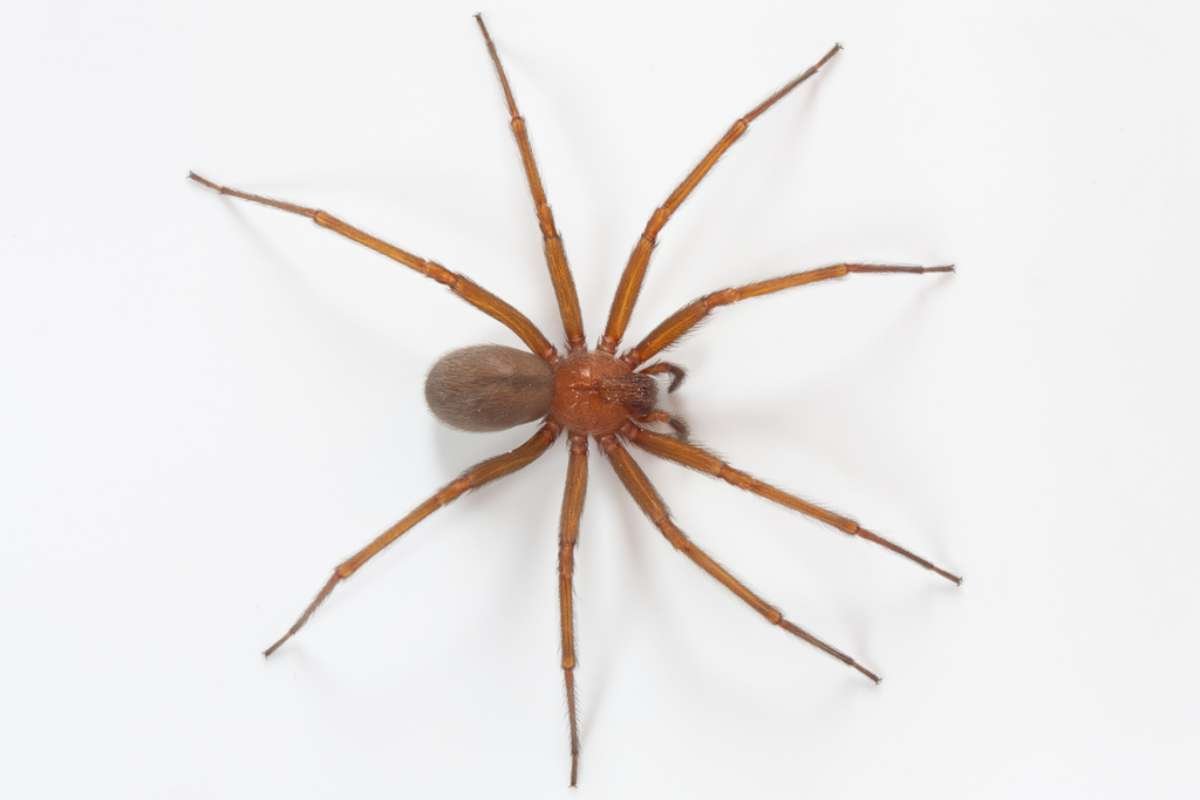
Scientific Name: Loxosceles laeta
Region Found: South America (Chile, Peru, Argentina)
Venom Type / Effect: Cytotoxic / Necrotic. Contains sphingomyelinase D, which destroys skin tissue and can cause kidney failure if the venom enters the bloodstream.
Danger Level to Humans: Very High. Considered the most dangerous of all recluse spiders, its bite can be fatal if untreated.
The Chilean Recluse is a shy spider that loves to hide in dark corners, like behind a picture frame or inside an old box. It is brown and has a dark mark on its back that looks just like a tiny violin. While it is quiet, its bite is very strong and can hurt a person’s skin.
4. Six-Eyed Sand Spider
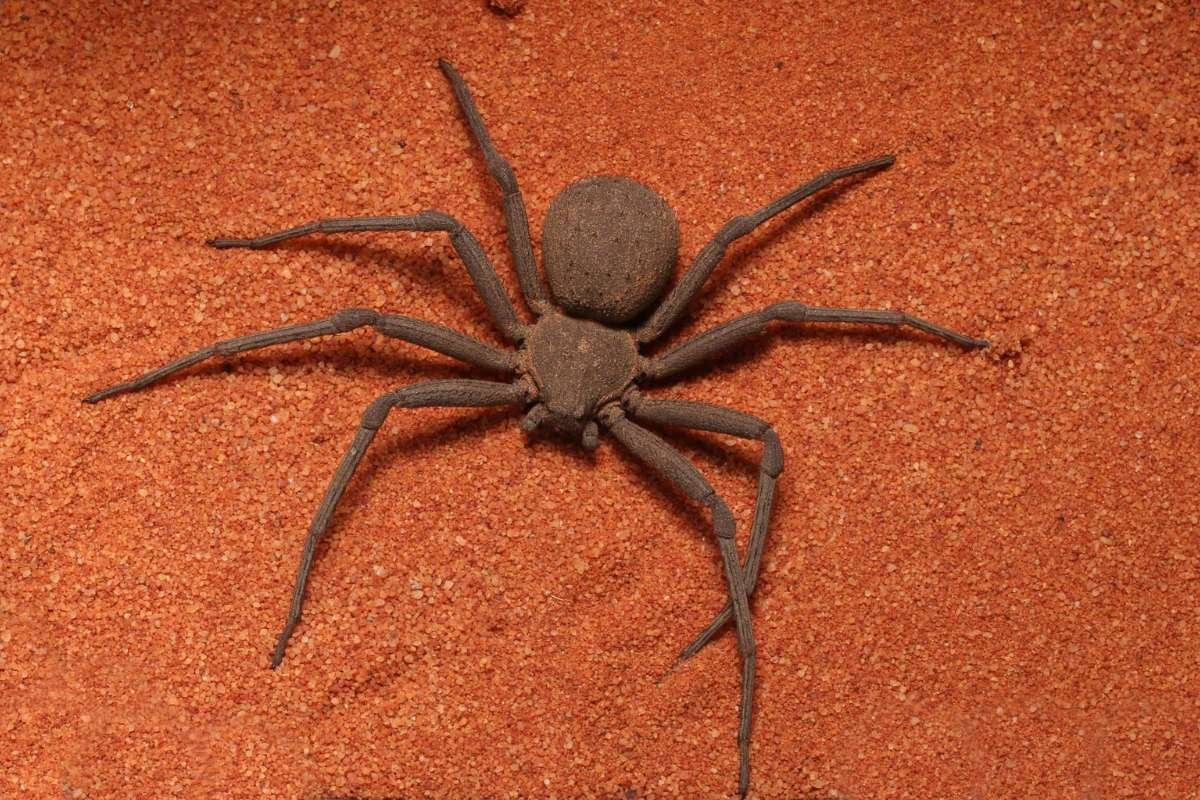
Scientific Name: Hexophthalma hahni
Region Found: Southern Africa and South America
Venom Type / Effect: Cytotoxic / Cryotoxic. Causes localized tissue death and “leaky” blood vessels, leading to internal bleeding.
Danger Level to Humans: High (Potential). While the venom is terrifyingly potent, this spider is extremely shy and lives in remote deserts, making human bites very rare.
This spider is a master of hide-and-seek. It lives in the desert and covers its body with sand so no one can see it. Most spiders have eight eyes, but this one only has six. It can live for a long time without any food or water.
5. Black Widow
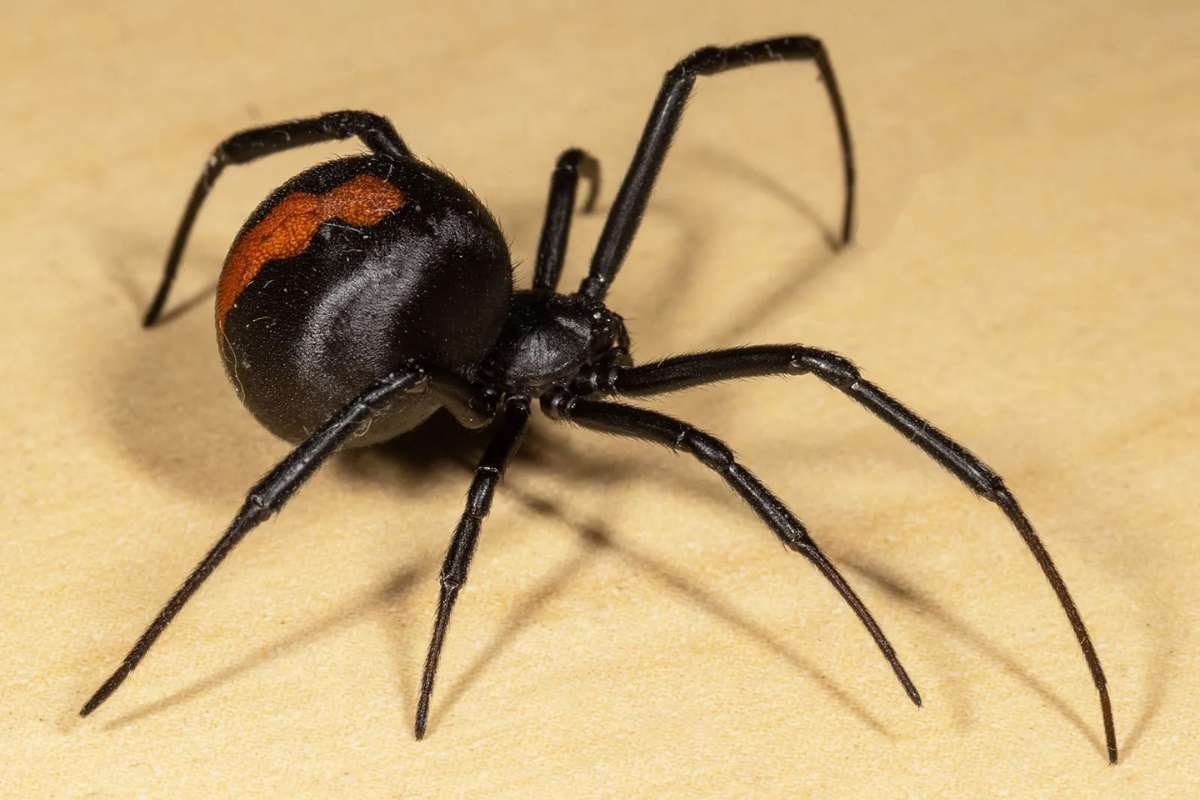
Scientific Name: Latrodectus mactans (and related species)
Region Found: Worldwide (warmer regions like North America)
Venom Type / Effect: Neurotoxic (Latrotoxin). Causes “latrodectism,” characterized by severe muscle pain, abdominal cramps, and sweating.
Danger Level to Humans: High. While rarely fatal to healthy adults with modern medical care, the bite is excruciatingly painful.
The Black Widow is easy to spot because it has a shiny black body with a bright red shape on its tummy. This shape looks like an hourglass. It belongs to a group known as the most poisonous spiders in the world, but it usually only bites if someone accidentally squishes its messy, tangled web.
6. Redback Spider
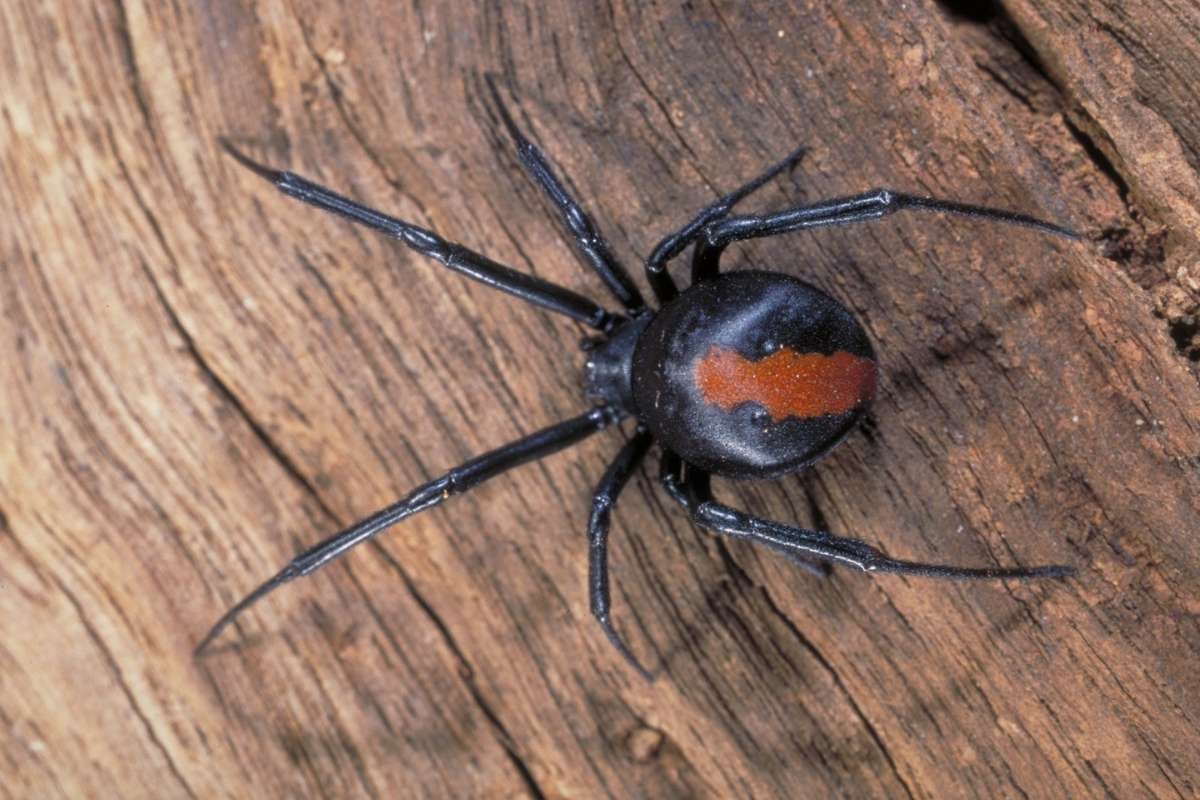
Scientific Name: Latrodectus hasselti
Region Found: Australia (and introduced to Japan and SE Asia)
Venom Type / Effect: Neurotoxic. Similar to the Black Widow, causing intense localized pain and systemic illness, such as nausea and agitation.
Danger Level to Humans: High. They often live in gardens and sheds near humans, though an effective antivenom has prevented deaths since 1956.
The Redback is a close cousin of the Black Widow and lives in Australia. It is small and black with a bright orange or red stripe on its back. These spiders like to live near people’s homes, often hiding under garden chairs or inside empty flower pots.
Read Next:
- Meet the Spiders That Could End Your Life in Minutes
- Are You Brave Enough to Face the Biggest Spiders in the World
7. Brown Recluse
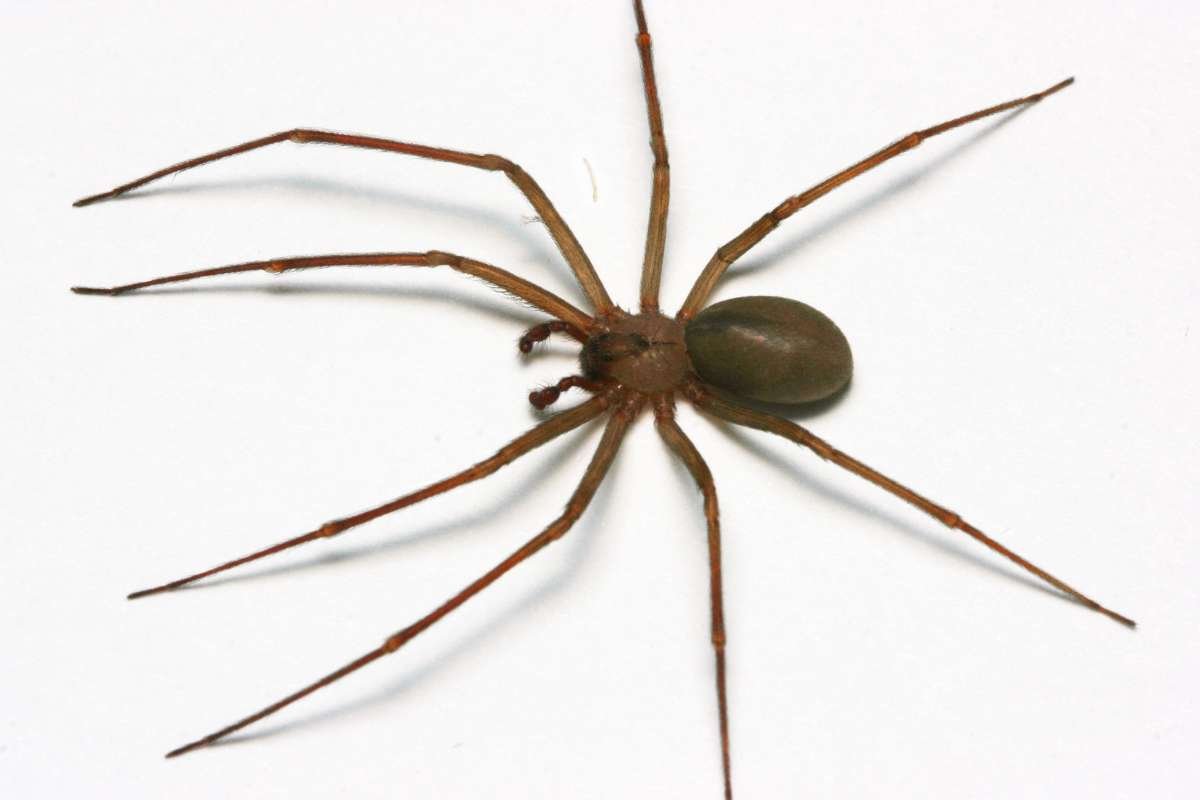
Scientific Name: Loxosceles reclusa
Region Found: Central and Southern United States
Venom Type / Effect: Cytotoxic. Causes a necrotic “bullseye” wound where the skin dies and sloughs off.
Danger Level to Humans: Moderate to High. Most bites are minor, but a small percentage result in deep, slow-healing ulcers.
Like its Chilean cousin, the Brown Recluse has a violin shape on its head. It is light brown and has long, thin legs. It does not like to be around people and usually only bites if it gets trapped inside a piece of clothing or a shoe.
8. Mouse Spider
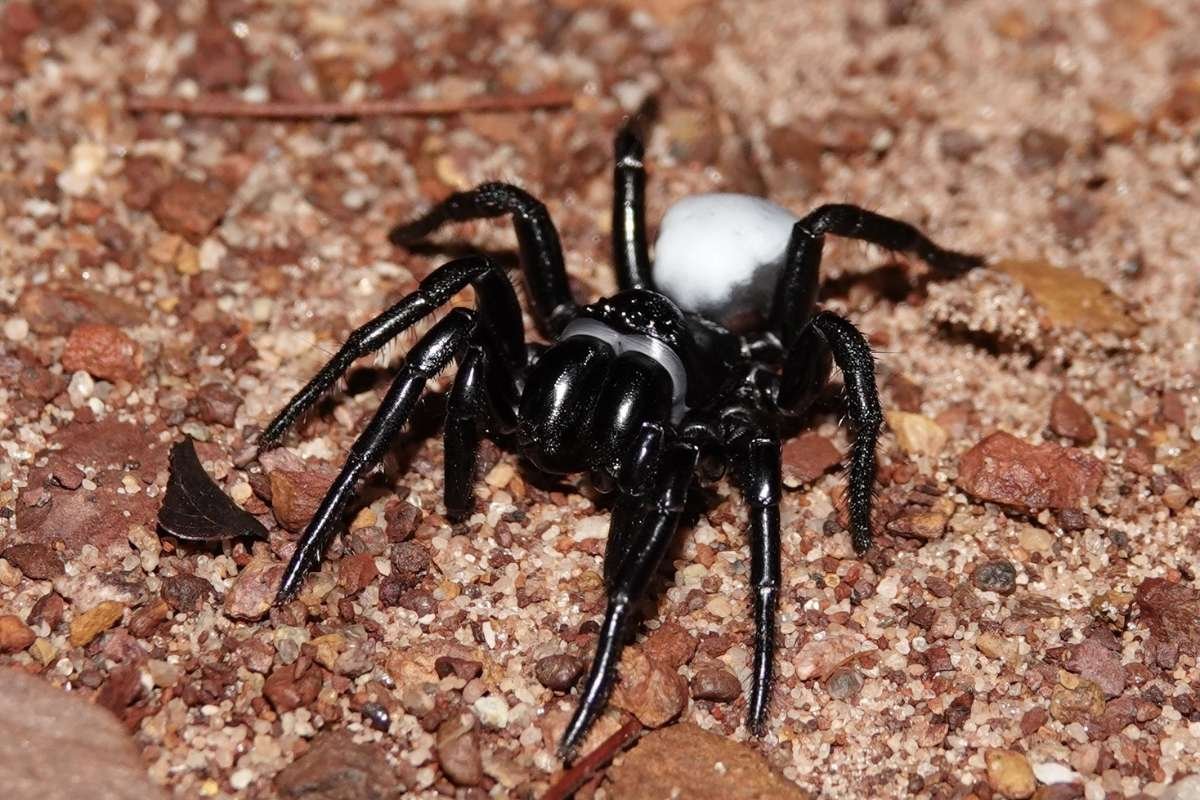
Scientific Name: Missulena sp.
Region Found: Australia
Venom Type / Effect: Neurotoxic. The venom is surprisingly similar to that of the Funnel-web spider.
Danger Level to Humans: Moderate. They are less aggressive than Funnel-webs and often “dry bite” (bite without injecting venom).
Mouse Spiders have thick, strong bodies and very large fangs. The males often have bright red heads, while the females are solid black. They are one of the most poisonous spiders in the world, found in Australia, and they dig deep burrows in the ground with a little trapdoor on top.
9. Northern Funnel-Web
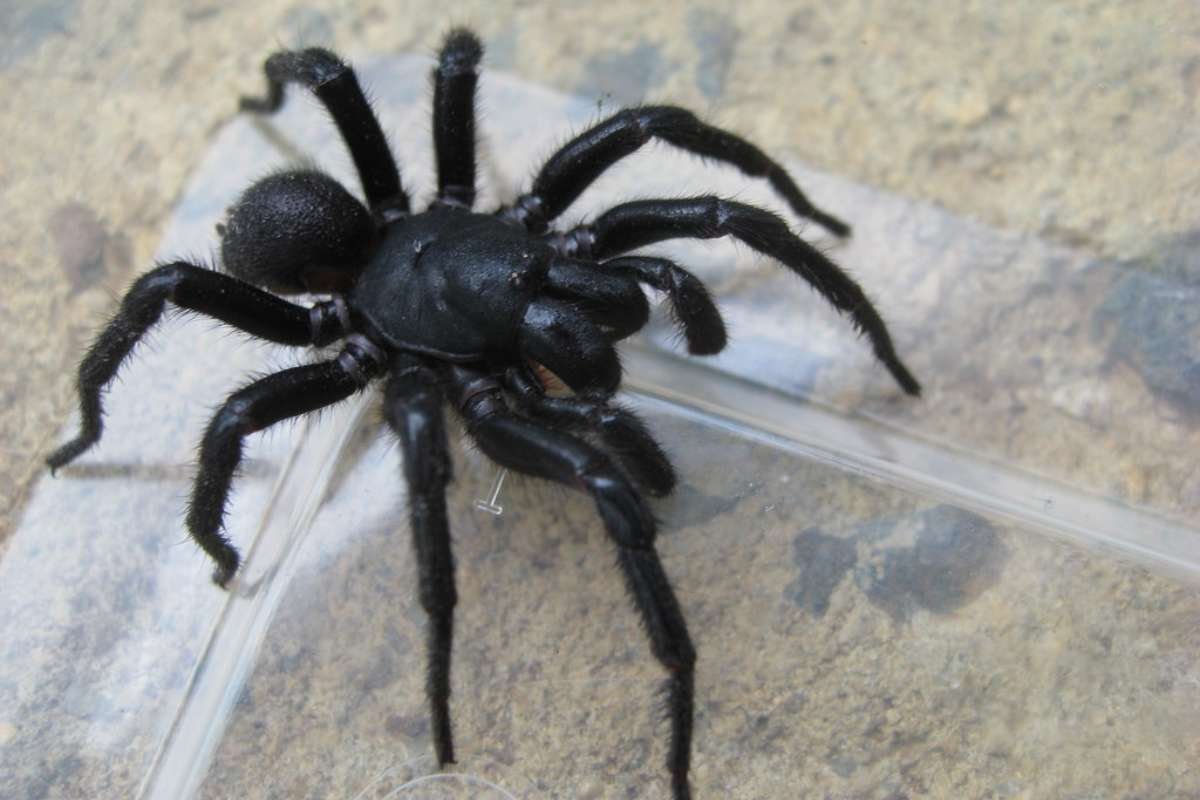
Scientific Name: Hadronyche formidabilis
Region Found: Eastern Australia (Queensland and NSW)
Venom Type / Effect: Neurotoxic. Like its Sydney’s cousin, but often lives in trees.
Danger Level to Humans: Very High. It is larger and potentially more dangerous than the Sydney Funnel-web due to higher venom yields.
This spider is a larger version of the Sydney Funnel-Web. It prefers to live in trees rather than on the ground. It is very fast and has a very strong bite. Because it lives high up, it often catches insects and small animals that climb trees.
10. Chinese Bird Spider
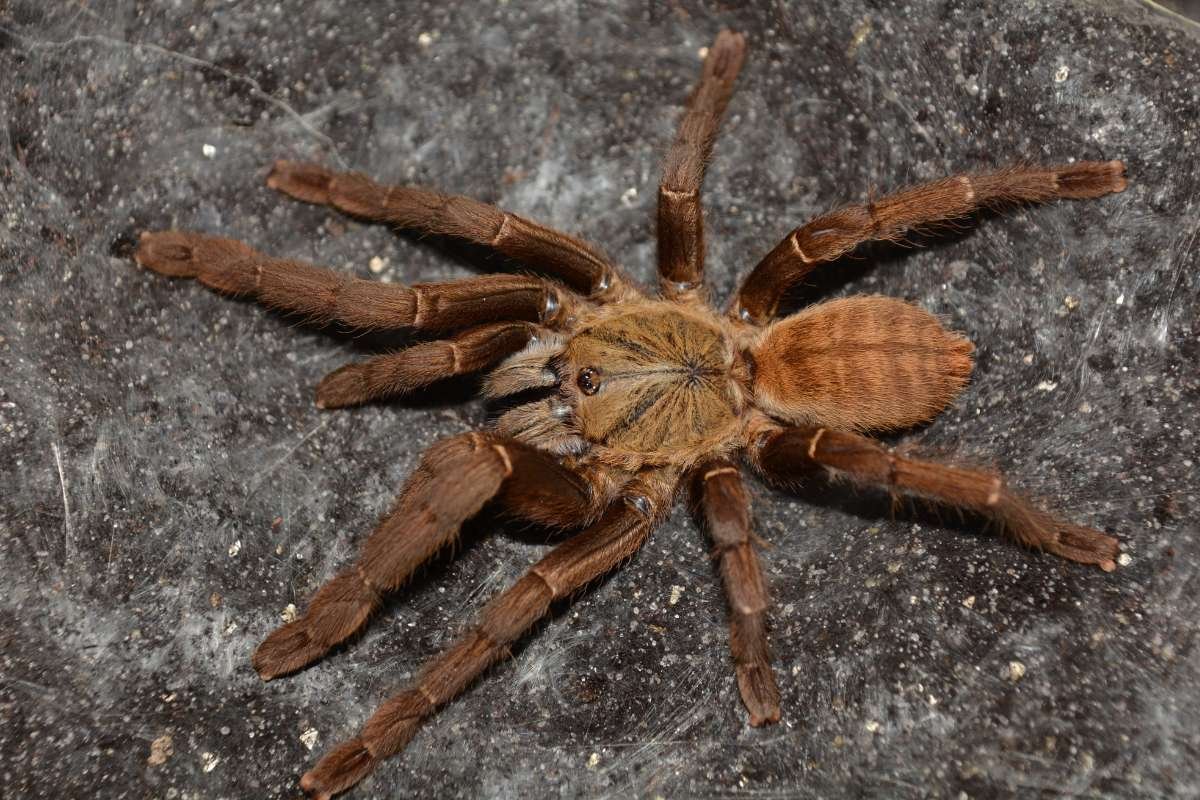
Scientific Name: Cyriopagopus hainanus
Region Found: China and Vietnam
Venom Type / Effect: Neurotoxic. A large tarantula whose venom contains “hainantoxins” that block neurotransmitters.
Danger Level to Humans: Moderate. Very painful bite and highly toxic to small animals, though no human deaths are officially recorded.
This is a type of tarantula that can grow to be very big. It is dark brown and has stripes on its back. Even though it is called a “bird spider,” it mostly eats large bugs. It stays in a hole lined with silk during the day and comes out at night.
11. Brown Widow
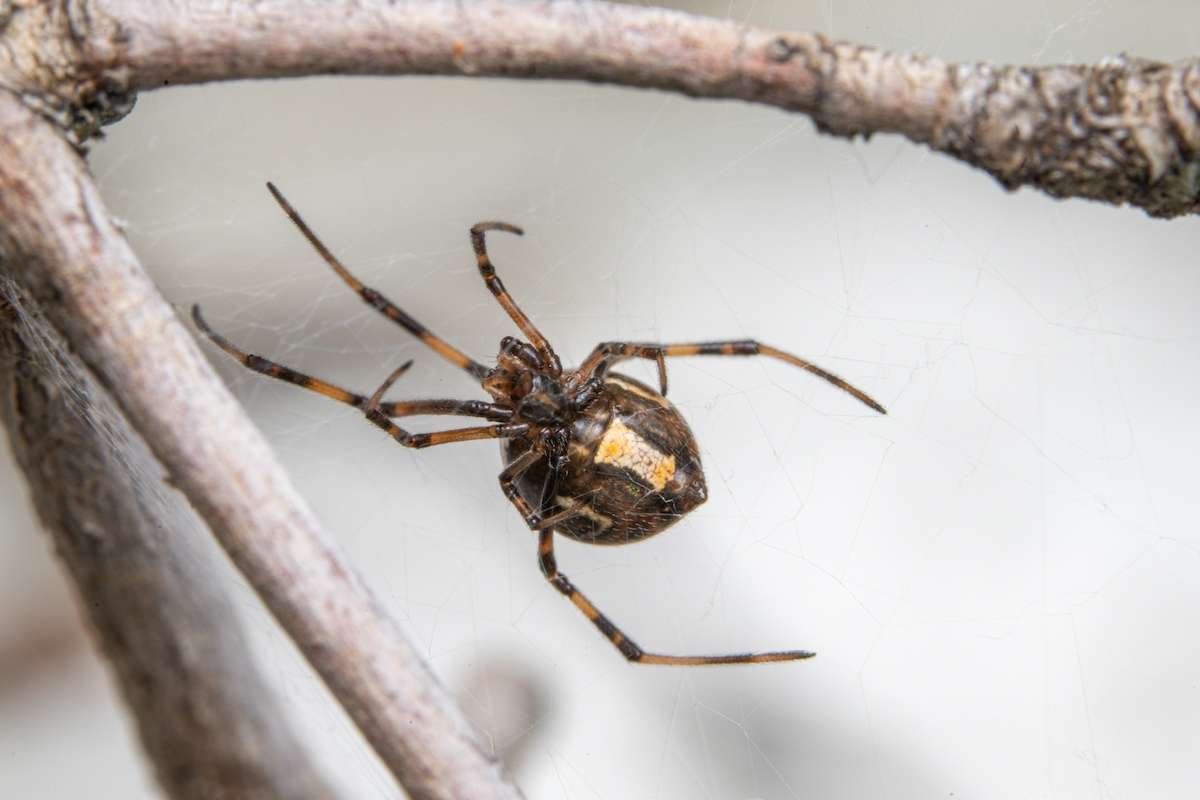
Scientific Name: Latrodectus geometricus
Region Found: Tropical regions worldwide
Venom Type / Effect: Neurotoxic. While the venom is actually more toxic than the Black Widow’s, the spider injects much less of it.
Danger Level to Humans: Moderate. Bites are painful but usually restricted to the area around the wound.
The Brown Widow is usually tan or light brown with orange markings. It makes very strange egg sacs that look like little spiky balls. It is much shyer than the Black Widow and would rather “play dead” than try to fight.
12. Fringed Ornamental Tarantula
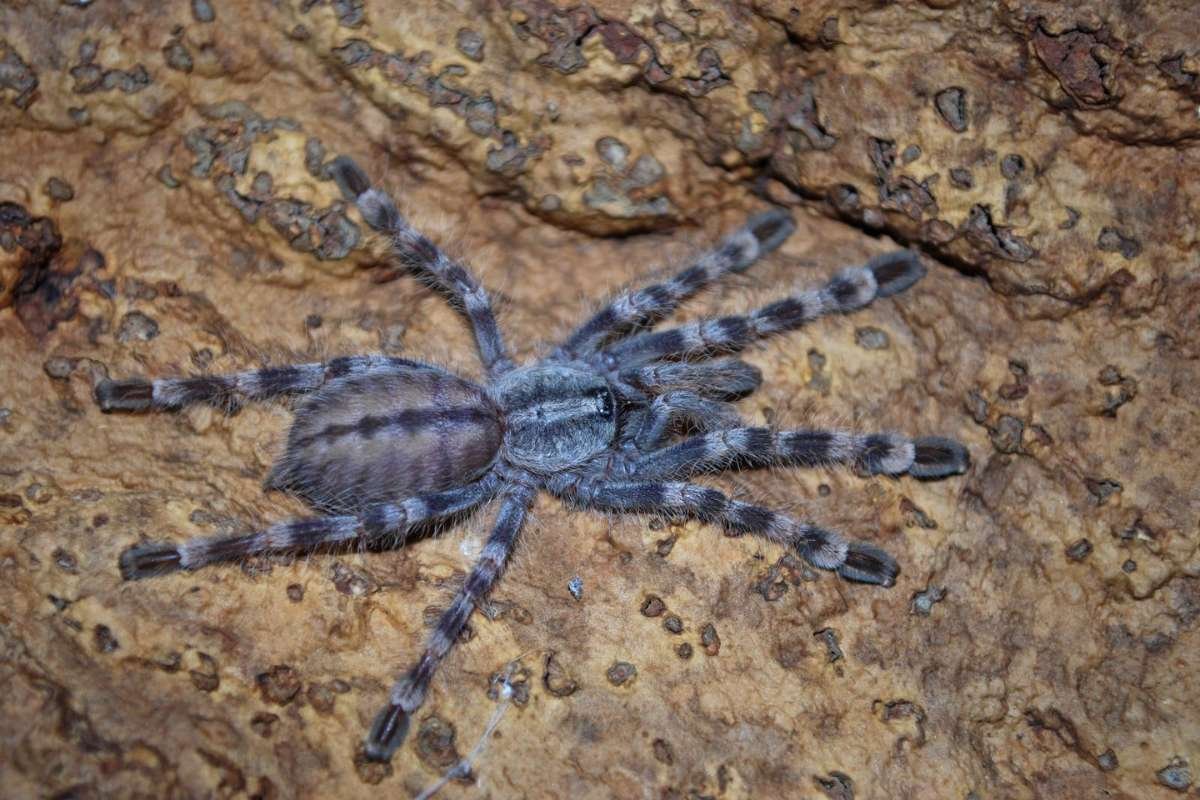
Scientific Name: Poecilotheria ornata
Region Found: Sri Lanka
Venom Type / Effect: Neurotoxic. Known for causing extreme muscle cramping and “venom streaks” in humans.
Danger Level to Humans: Moderate. Not fatal, but the pain and muscle spasms can last for weeks.
This tarantula is famous for its beautiful yellow and grey patterns. It is one of the most poisonous spiders in the world that lives in trees in Sri Lanka. It is incredibly fast and can jump long distances to catch its prey or get away from danger.
13. Yellow Sac Spider
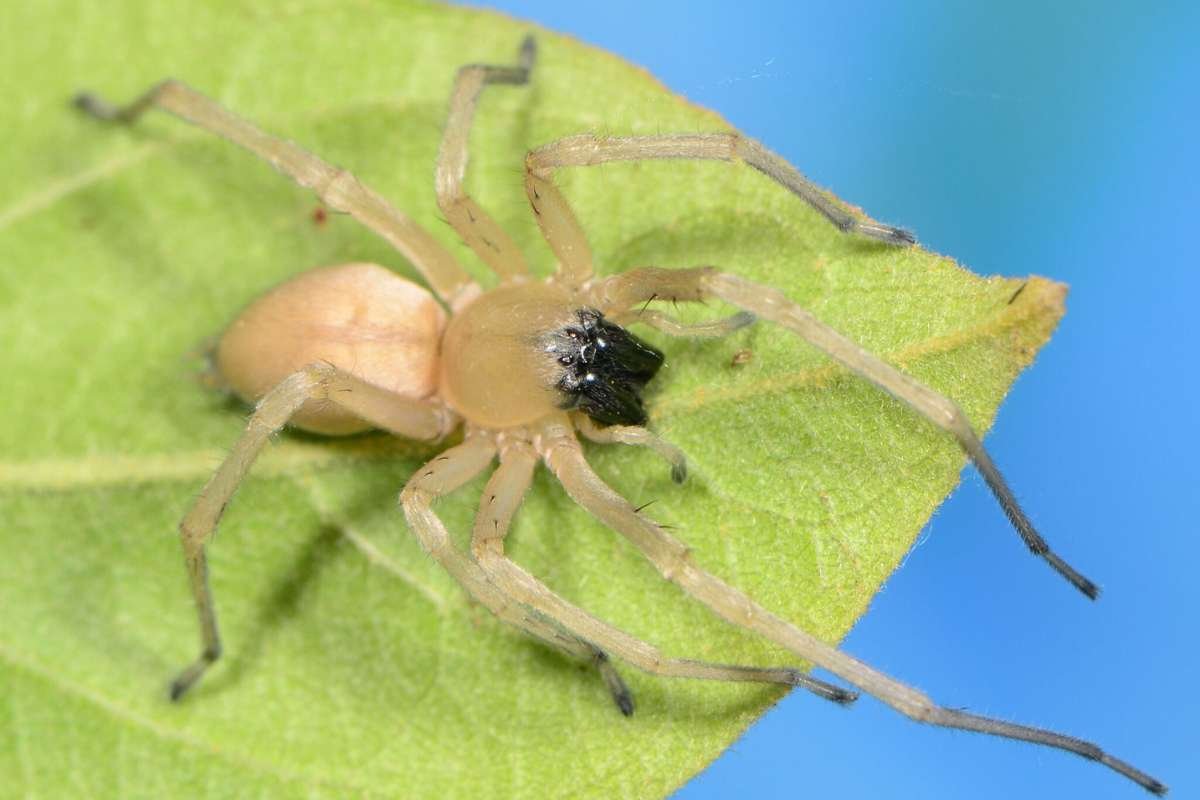
Scientific Name: Cheiracanthium inclusum
Region Found: Americas, Europe, and Africa
Venom Type / Effect: Cytotoxic. Causes a sharp, stinging pain followed by redness and occasional mild skin swelling.
Danger Level to Humans: Low to Moderate. Often blamed for “mystery bites” indoors; rarely results in serious injury.
Yellow Sac Spiders are tiny and look a bit like a piece of pale lemon or lime. Instead of a flat web, they build a little silk “sleeping bag” or sac to rest in during the day. They are often found walking on the ceilings or walls of houses at night.
14. Wolf Spider
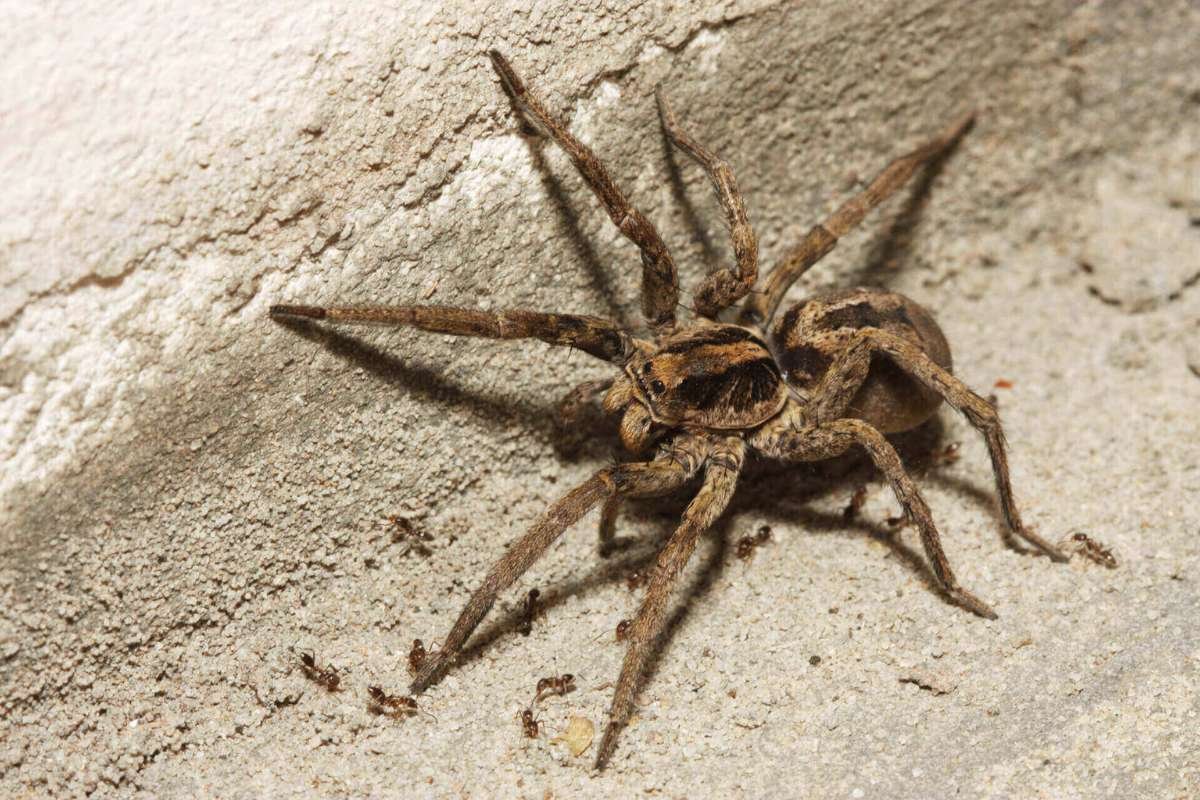
Scientific Name: Lycosa sp.
Region Found: Worldwide
Venom Type / Effect: Mildly Cytotoxic. Generally causes local itching, redness, and swelling.
Danger Level to Humans: Low. Despite their large size and hairy appearance, they are not dangerous to humans unless you have an allergy.
Wolf Spiders do not use webs at all. They run across the ground and pounce on bugs just like a wolf would. They are very good mothers; the mom carries all her tiny babies on her back until they are big enough to take care of themselves.
15. False Widow
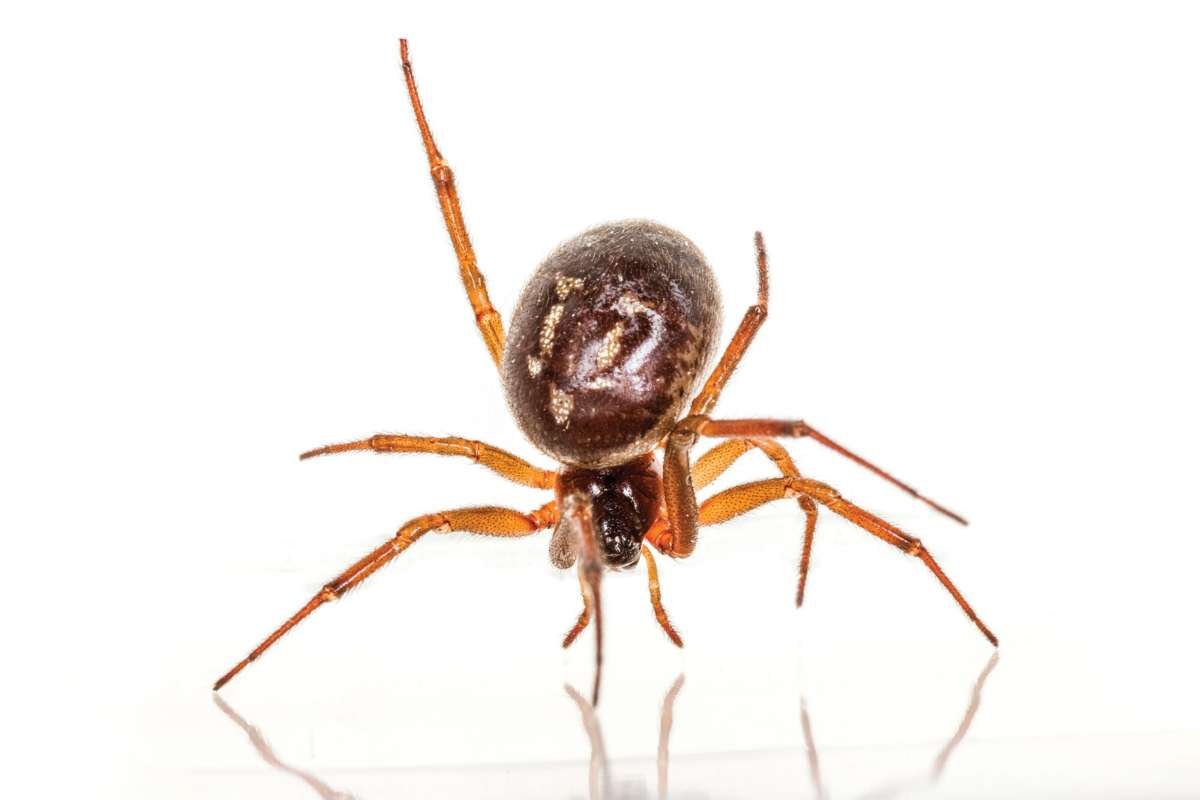
Scientific Name: Steatoda nobilis
Region Found: Europe (Common in the UK) and the Americas
Venom Type / Effect: Mildly Neurotoxic. The bite feels similar to a wasp sting.
Danger Level to Humans: Low. Often feared because they look like Black Widows, but they are not medically significant.
The False Widow looks a lot like a Black Widow, but it does not have the red hourglass mark. It is very common in places like England. While people are sometimes scared of it, it is actually one of the least dangerous on this list of the most poisonous spiders in the world.
Read Next:
- Spider Bites Pictures and Treatments: How to Identify Dangerous Bites Before They Turn Serious?
- How to Identify Common Bug Bites So You Don’t Panic Next Time?
Symptoms and Treatments of Spider Bites:
Knowing what to do after a bite can save a life. Symptoms usually depend on whether the venom attacks your nerves or your skin.
Common Symptoms
- Neurotoxic Bites (e.g., Black Widow): You may feel sharp pain, muscle cramps, heavy sweating, or have trouble breathing.
- Dermonecrotic Bites (e.g., Brown Recluse): The skin may turn red and form a blister. Over time, the center can become a deep, open sore.
- General Reactions: Most bites just cause mild itching, redness, or a small bump.
First Aid and Care
If you are bitten by one of the most poisonous spiders in the world, stay calm and move as little as possible to slow the venom’s spread. Wash the area with soap and water, and apply a cold cloth to reduce swelling.
Medical Help
Doctors use antivenom for dangerous species like the Sydney Funnel-web to stop the toxins. They also provide medicine for pain and specialized bandages for skin wounds. Seek emergency help immediately if you have trouble breathing, feel dizzy, or if the bite area turns dark purple or black.
Myths vs. Facts About Poisonous Spiders:
It is easy to get scared by scary stories. But knowing the truth will help us stay safe and calm. Let’s clear up some common myths about the most poisonous spiders in the world.
Myth: “All spiders are deadly hunters.”
- Fact: There are over 50,000 types of spiders, but only a tiny handful can actually hurt a human. Most are completely harmless.
Myth: “A spider bite always means a trip to the hospital.”
- Fact: Most bites feel like a bee sting and go away on their own. Death from a spider bite is extremely rare today because we have great medicine.
Myth: “Big spiders are the scariest.”
- Fact: Size doesn’t matter! The tiny Black Widow is much more dangerous than a giant, furry tarantula.
Myth: “You will feel the bite right away.”
- Fact: Some spiders, like the Brown Recluse, have bites that are so small you might not even notice them for hours.
Conclusion
Even the most poisonous spiders in the world ultimately have no intention of harming us. By consuming other pests, they contribute significantly to the health of our planet. The majority of spiders are peaceful neighbors who simply desire solitude. You can stay safe and not be afraid if you know which spiders to avoid and what to do if you see one. Keep in mind that most spiders are more beneficial than frightening! Simply give it some room if you ever find one in your house.
FAQ:
1. Are most spiders dangerous to humans?
No. Spider bites are usually harmless, and spiders typically bite only when threatened. Worldwide, only a small number of species have venom strong enough and fangs long enough to seriously harm humans.
2. Which spiders are considered medically significant?
Examples include widow spiders, recluse spiders, and a few others capable of causing serious symptoms such as breathing problems, muscle cramps, or systemic illness.
3. What should you do immediately after a spider bite?
Clean the wound, monitor symptoms, and seek medical help if you suspect a bite from a dangerous species or develop severe reactions like breathing problems.