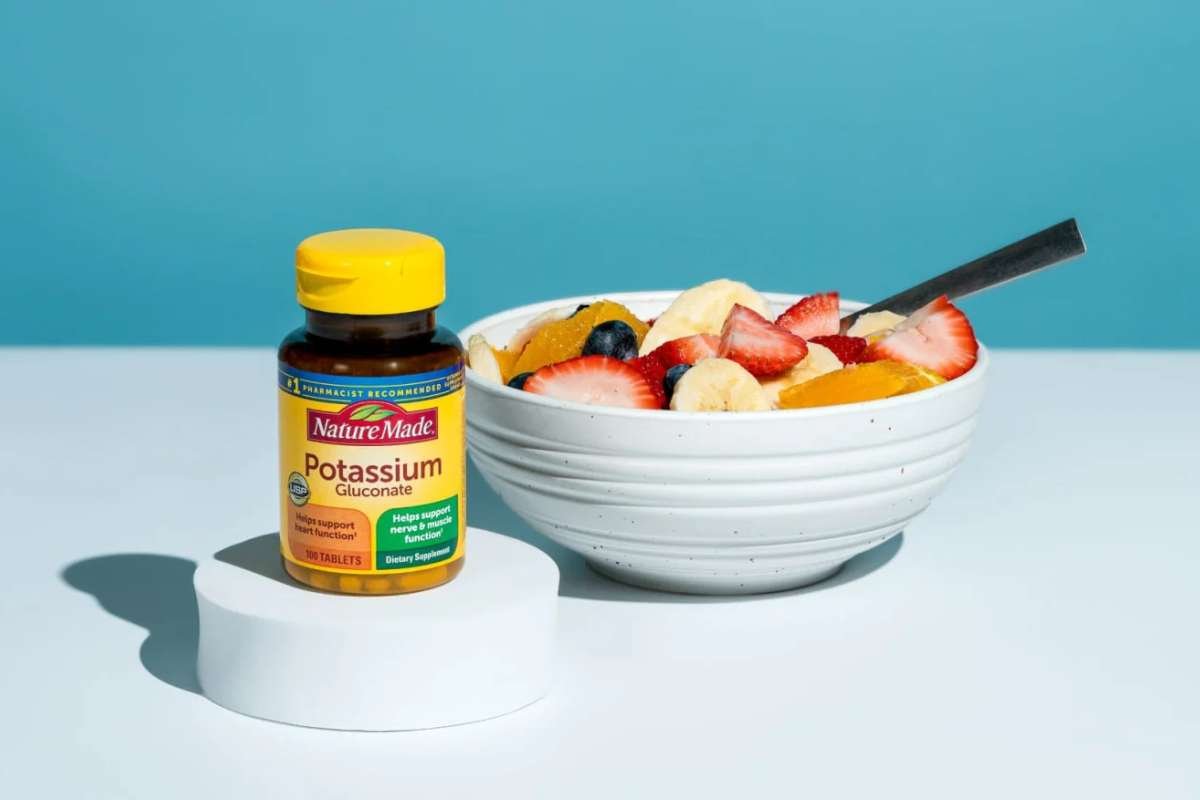
One of those subtle nutrients that doesn’t receive as much attention as vitamins or protein is potassium. However, your body cannot function properly without it. Potassium is essential for daily health, supporting muscles and nerves as well as maintaining a steady heartbeat. However, a lot of people are still unsure about how much potassium per day is truly sufficient.
This manual simplifies everything in an understandable, scientifically supported, and useful manner. Thus, you don’t have to guess how to satisfy your potassium requirements.
Why Potassium Is Essential for the Body?
Potassium is an electrolyte, meaning it carries an electrical charge that helps regulate many bodily functions. It works closely with sodium to maintain fluid balance, transmit nerve signals, and contract muscles, including the heart.
Key benefits of adequate potassium intake include:
- Supporting normal blood pressure
- Reducing the risk of stroke
- Preventing muscle cramps and weakness
- Aiding proper kidney function
- Helping maintain healthy bones
Despite its importance, potassium deficiency is surprisingly common due to modern diets high in processed foods and low in fresh produce.
How Much Potassium Do You Need Daily?
According to major health organizations, potassium needs vary slightly based on age, sex, and life stage.
General Daily Potassium Recommendations:
- Adult men: 3,400 mg per day
- Adult women: 2,600 mg per day
- Pregnant women: 2,900 mg per day
- Breastfeeding women: 2,800 mg per day
These values represent adequate intake (AI), meaning they are levels assumed to ensure nutritional sufficiency for most people.
If you’re asking How Much Potassium per Day is ideal for optimal health, these benchmarks are a strong starting point. Still, individual needs can differ based on activity level, medical conditions, and diet.
Best Natural Sources of Potassium
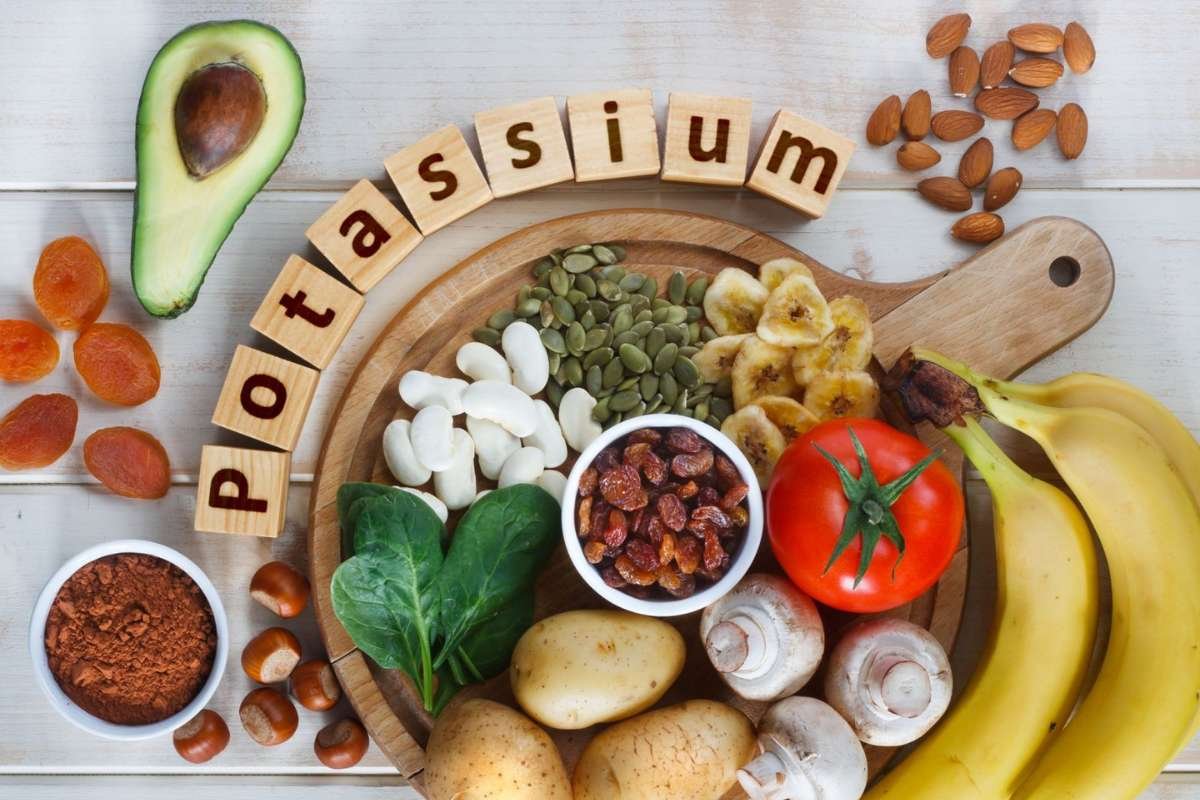
The good news? Potassium is widely available in whole, unprocessed foods. You don’t need supplements if your diet is balanced.
Potassium-Rich Foods (Approximate Values)
- Baked potato with skin: 900 mg
- Spinach (1 cup, cooked): 840 mg
- Avocado (1 medium): 700 mg
- Banana (1 medium): 420 mg
- Sweet potato (1 medium): 540 mg
- Coconut water (1 cup): 600 mg
- Beans and lentils (1 cup): 600–700 mg
- Yogurt (1 cup): 350–400 mg
A diet rich in fruits, vegetables, legumes, and dairy usually covers daily potassium needs naturally.
Signs of Low Potassium (Hypokalemia)
Not getting enough potassium can affect both short-term performance and long-term health.
Common symptoms include:
- Muscle cramps or twitching
- Fatigue or weakness
- Irregular heartbeat
- Constipation
- Tingling or numbness
Severe deficiency can be dangerous and may require medical treatment, especially for people with underlying heart or kidney conditions.
Read Next: Potassium Deficiency Causes and Simple Fixes You Can Try Today
Can You Have Too Much Potassium?
Yes, although it’s rare from food alone. Excess potassium (hyperkalemia) is more commonly linked to kidney disease, certain medications, or overuse of supplements.
Symptoms of high potassium may include:
- Nausea
- Slow or irregular heartbeat
- Chest pain
- Muscle weakness
If you’re supplementing or managing kidney-related conditions, it’s important to consult a healthcare professional before increasing intake.
Understanding How Much Potassium per Day is safe becomes especially important in these cases.
Potassium and Blood Pressure: The Hidden Connection

Potassium helps counteract sodium’s effect on blood pressure by relaxing blood vessel walls and promoting sodium excretion through urine.
Studies consistently show that higher potassium intake is associated with:
- Lower blood pressure
- Reduced risk of heart disease
- Better cardiovascular outcomes
This is one reason diets like DASH (Dietary Approaches to Stop Hypertension) emphasize potassium-rich foods.
Read Next: Why Super Healthy Foods Are the Secret Weapon of Lifelong Energy?
Do Athletes and Active People Need More Potassium?
People who sweat heavily, athletes, outdoor workers, or those in hot climates. We lose potassium through sweat. While needs may be slightly higher, most active individuals can replenish losses through food.
Natural recovery options include:
- Bananas with nut butter
- Smoothies with spinach and yogurt
- Coconut water post-workout
- Beans, lentils, and whole grains
Supplements are usually unnecessary unless advised by a medical professional.
Potassium Supplements: Are They Necessary?
For most healthy adults, supplements aren’t needed and can even be risky if misused. Food-based potassium is absorbed more safely and comes with additional nutrients like fiber and antioxidants.
Supplements may be recommended only if:
- A diagnosed deficiency exists
- Certain medications lower potassium levels
- A doctor specifically advises it
Once again, knowing How Much Potassium Per Day you personally require helps prevent both deficiency and excess.
Simple Tips to Meet Daily Potassium Needs
- Add at least one leafy green to meals daily
- Swap processed snacks for fruits
- Include legumes 3–4 times per week
- Choose whole foods over packaged options
- Balance sodium intake to improve potassium efficiency
Small, consistent dietary choices make a big difference over time.
Final Thoughts
A vital mineral for heart health, muscle function, and general well-being is potassium. Although deficiencies are common, a careful, whole-food-based diet can help prevent them.
How Much Potassium per Day is recommended? Maintaining recommended intake levels through natural food sources is safe and effective for the majority of adults. Your body will appreciate it if you concentrate on consistency, balance, and variety.
Before making any changes, always get professional advice if you have medical conditions or take medications that affect potassium levels.