We often talk about the butterfly effect like it’s an idea meant for classrooms and documentaries. One small movement. One tiny change. A chain reaction no one sees coming. But standing in front of a butterfly, watching how something so light holds its ground, you start to understand the idea differently.
A butterfly doesn’t need to cause a storm to matter. Sometimes, all it needs is to be eaten once.
In nature, some butterflies survive not by hiding or running, but by teaching a lesson. Their colors warn. Their chemistry remembers. A bird tastes, recoils, and never forgets. What looks delicate carries consequences. What looks harmless holds power.
That quiet truth lives at the center of the Most Poisonous Butterflies. These species remind us that strength doesn’t always announce itself. Sometimes it whispers, once, and the world adjusts around it. Understanding them means understanding how survival works when force gives way to memory, and beauty carries a warning instead of an invitation.
What Makes Butterflies Poisonous?
Butterflies do not produce venom like a snake or a spider. Instead, they use a biological strategy called sequestration. As caterpillars, these insects consume toxic host plants that most other animals avoid. While the plants use these chemicals for defense, the caterpillars have evolved a specialized metabolism to store these toxins in their tissues without dying.
When the caterpillar transforms into a butterfly, it retains these poisons. This phenomenon, known as aposematism, involves the use of bright “warning colors” to signal their toxicity to predators. According to the legendary entomologist Dr. Miriam Rothschild, butterflies even release “aposematic odors”—foul smells that warn birds of a bitter, life-threatening meal before they even take a bite.
Researchers distinguish between two types of mimicry in this chemical arms race. In Batesian mimicry, a harmless butterfly copies the look of a toxic one to fool predators. However, in Müllerian mimicry, two or more toxic species resemble each other. This creates a “strength in numbers” effect, as predators only need to learn one warning pattern to stay away from the entire group. This evolutionary trick makes the Most Poisonous Butterflies some of the most successful survivors in the insect kingdom.
The 12 Most Poisonous Butterflies in the World:
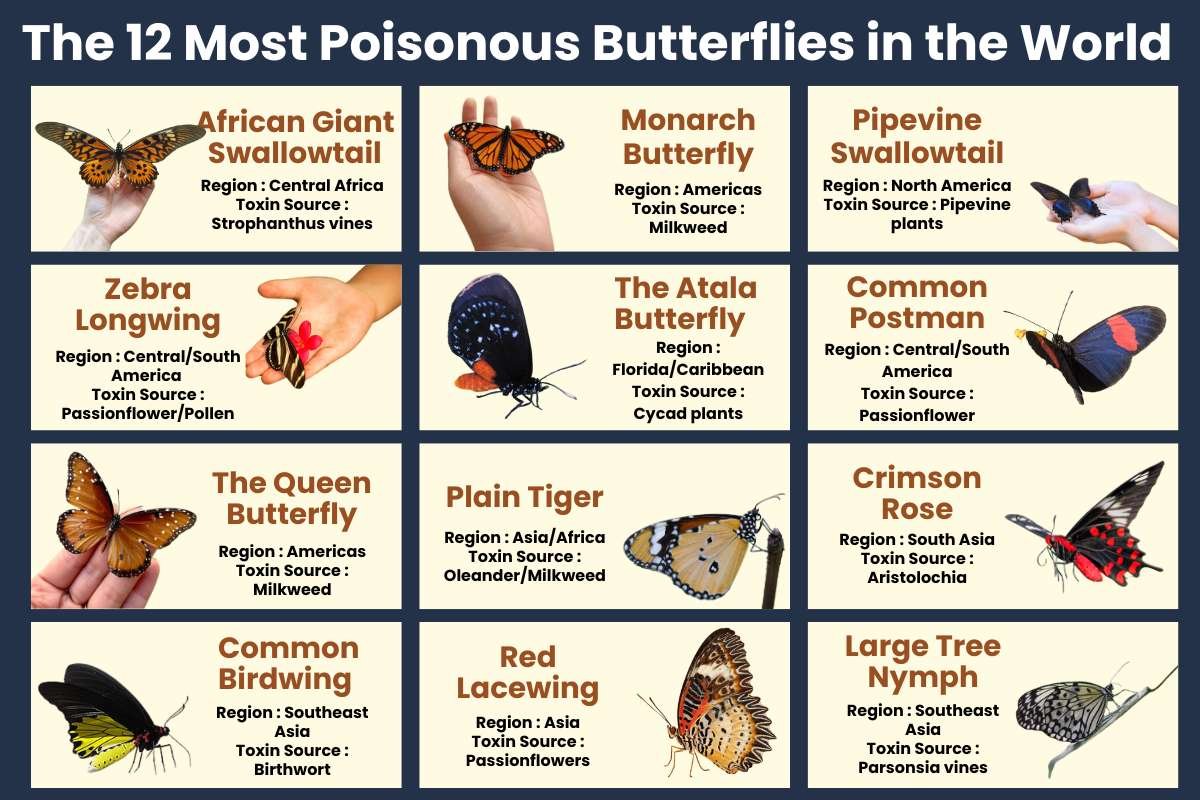
The following list details the heavy hitters of the Lepidoptera world. These species range from global icons to rare jungle giants, each utilizing unique chemical cocktails to ensure their survival.
| Butterfly | Region | Toxin Source | Effect on Predators | Danger Level |
| African Giant Swallowtail | Central Africa | Strophanthus vines | Cardiac arrest/Death | Extreme |
| Monarch Butterfly | Americas | Milkweed | Severe emesis (vomiting) | High |
| Pipevine Swallowtail | North America | Pipevine plants | Heart/Kidney damage | High |
| Zebra Longwing | Central/South Am | Passionflower/Pollen | Cyanide poisoning | Moderate |
| The Atala Butterfly | Florida/Caribbean | Cycad plants | Liver failure | High |
| Common Postman | Central/South Am | Passionflower | Distasteful/Cyanogenic | Moderate |
| The Queen Butterfly | Americas | Milkweed | Heart palpitations | High |
| Plain Tiger | Asia/Africa | Oleander/Milkweed | Severe sickness | Moderate |
| Crimson Rose | South Asia | Aristolochia | Intense bitterness | High |
| Common Birdwing | Southeast Asia | Birthwort | Nervous system stress | Moderate |
| Red Lacewing | Asia | Passionflowers | Digestive distress | Moderate |
| Large Tree Nymph | Southeast Asia | Parsonsia vines | Heart rhythm disruption | Moderate |
1. African Giant Swallowtail (Papilio antimachus)
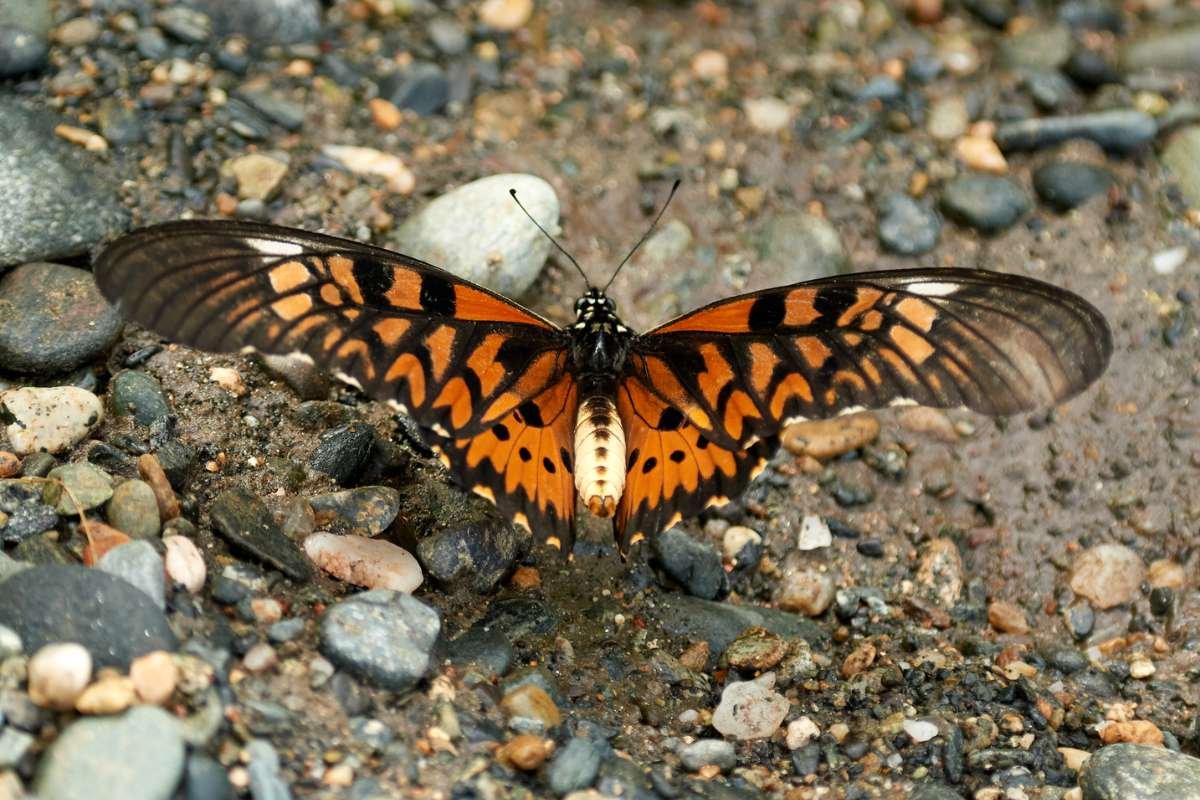
Holding the title of Africa’s largest butterfly, the African Giant Swallowtail also likely ranks as the most toxic. With a wingspan reaching 9 inches, it glides through the rainforest canopies of Central Africa. It sequesters a potent cardiac glycoside called ouabain from the Strophanthus gratus vine.
The Impact: Local rumors and entomological studies suggest that a single African Giant Swallowtail contains enough poison to kill six average house cats. This butterfly has virtually no natural enemies because of its extreme chemical concentration. It sits at the absolute top of the Most Poisonous Butterflies list.
2. Monarch Butterfly (Danaus plexippus)
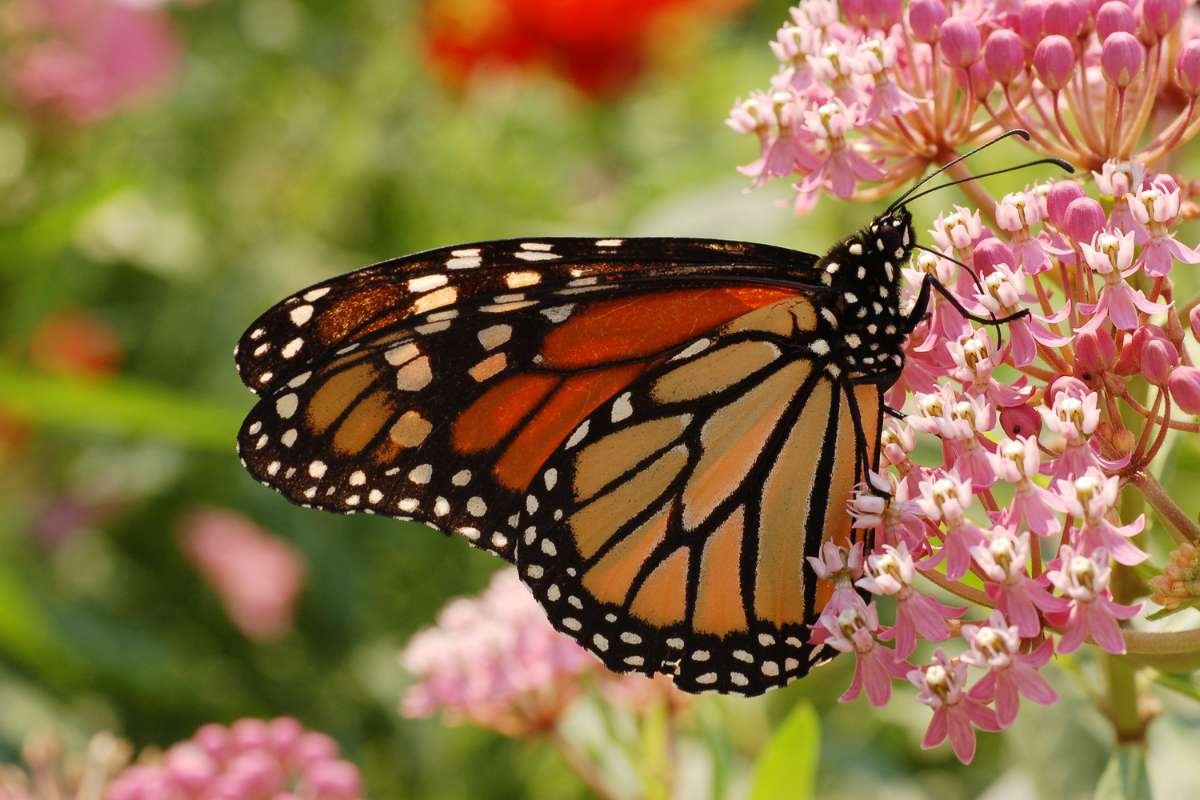
The Monarch is the “poster child” of toxic insects. Its caterpillars feed exclusively on Milkweed, which contains cardenolides. These cardiac glycosides act directly on the heart muscles of vertebrates.
Expert Opinion: The late Dr. Lincoln Brower, a world-renowned Monarch expert, famously demonstrated this toxicity by filming blue jays eating Monarchs. Within minutes, the birds experienced violent vomiting (emesis), a lesson that ensured they never touched an orange-and-black butterfly again. The Monarch remains one of the Most Poisonous Butterflies because of this high-visibility defense.
3. Pipevine Swallowtail (Battus philenor)
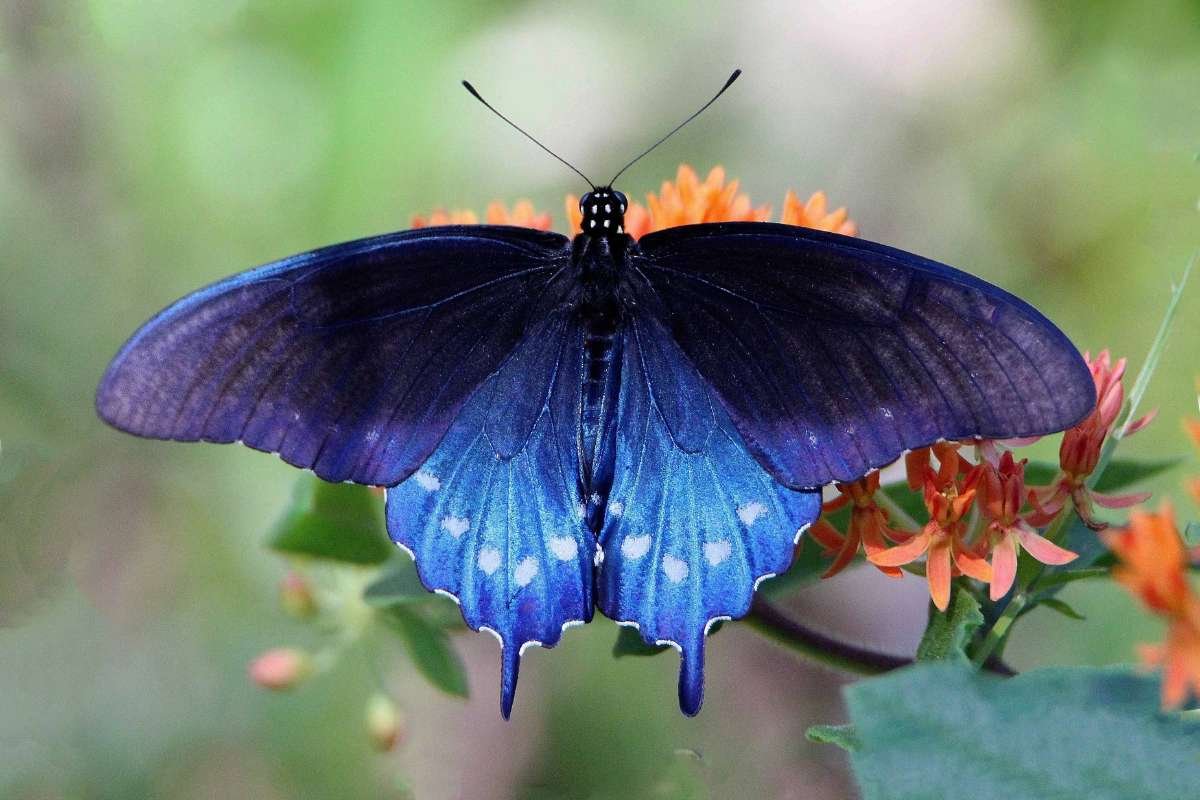
Found throughout North America, this iridescent blue-black butterfly draws its power from the Pipevine plant. These plants contain aristolochic acid, a chemical that remains in the butterfly’s body throughout its entire life.
Biological Advantage: Aristolochic acid causes severe renal failure and heart stress in predators. Because this butterfly is so dangerous, several non-toxic species, like the Spicebush Swallowtail and the female Tiger Swallowtail, mimic its appearance to steal its protection.
4. Zebra Longwing (Heliconius charithonia)
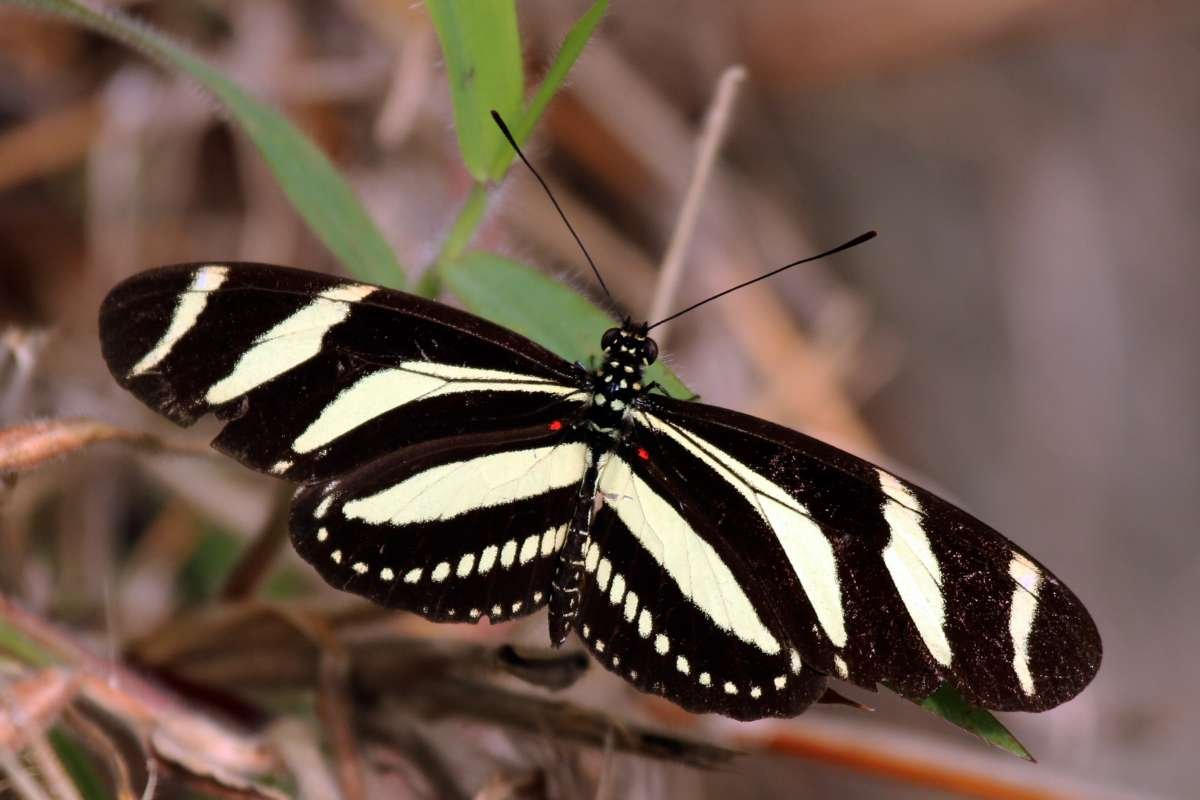
The Zebra Longwing displays striking black-and-yellow stripes. Unlike most butterflies, it consumes pollen in addition to nectar. It converts this nutrient-rich diet into cyanogenic glycosides.
Case Study: The Zebra Longwing lives significantly longer than most butterflies (up to six months) because its toxic status allows it to roost in large, conspicuous groups at night without fear of predation.
5. The Atala Butterfly (Eumaeus atala)
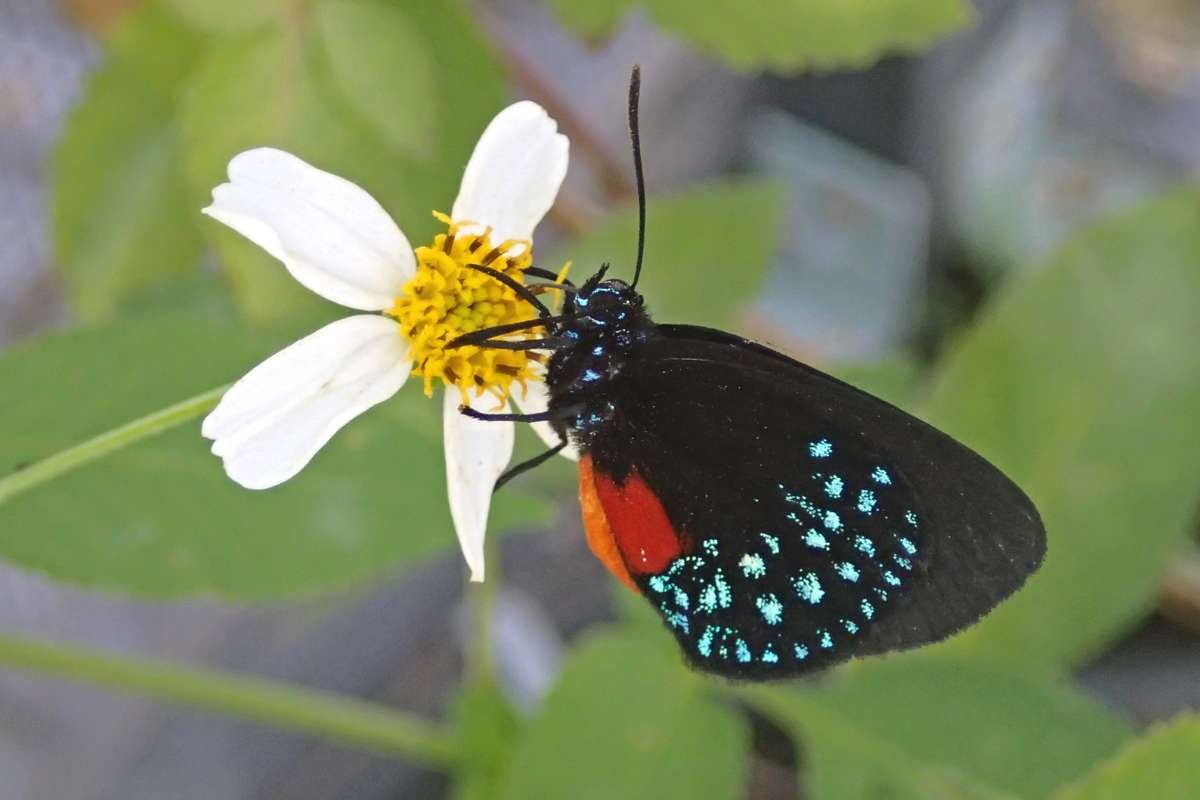
Once thought extinct, the Atala has made a comeback in Florida gardens. Its host plant, the Coontie (a type of cycad), contains cycasin, a potent carcinogen and neurotoxin.
The Warning: The Atala features a brilliant red abdomen and metallic blue-dotted wings. Predators who ignore this warning suffer from severe liver damage, making the Atala a standout among the Most Poisonous Butterflies found in suburban environments.
6. Common Postman (Heliconius melpomene)
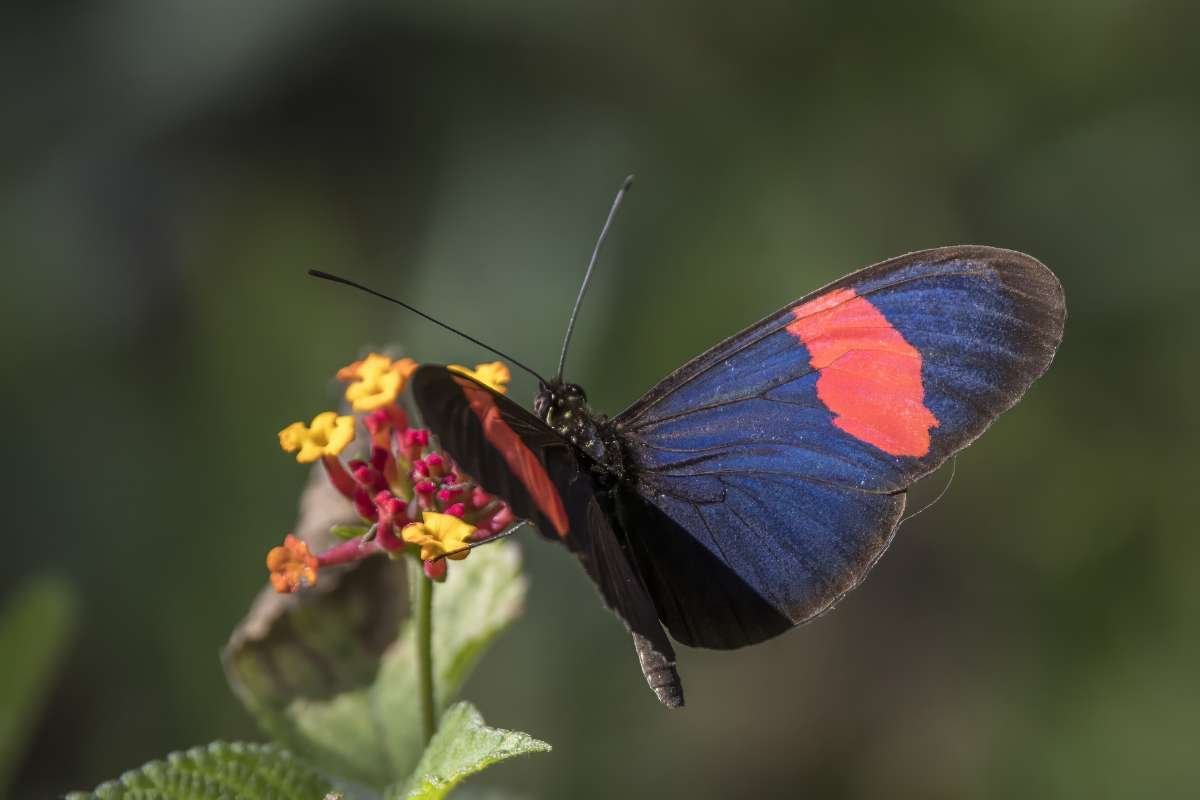
The Postman butterfly wanders the tropical forests of Central and South America. Like its relative, the Zebra Longwing, it sequesters cyanide-releasing compounds from passionflower vines.
Social Survival: It participates in complex mimicry rings where several different toxic species all evolve the same wing pattern. This helps predators learn the “danger sign” faster, reducing the number of butterflies sacrificed to “educational” nibbles.
Read Next:
- Deadlier Than Snake Venom? The Most Poisonous Flowers in the World
- Meet the Spiders That Could End Your Life in Minutes
7. The Queen Butterfly (Danaus gilippus)
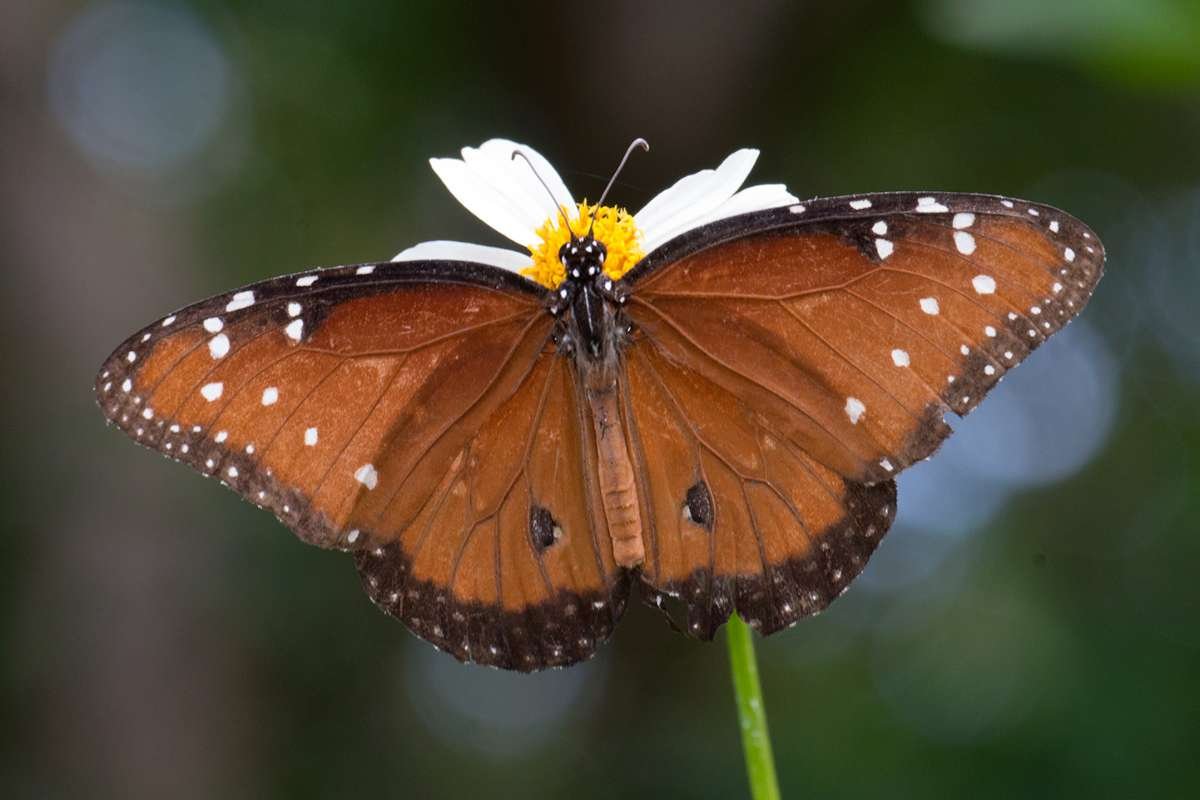
The Queen shares the same subfamily as the Monarch and utilizes the same cardenolides from Milkweed. While it lacks the fame of its cousin, its chemical potency is often identical.
Stats: Research indicates that the level of toxicity in a Queen butterfly varies based on the specific species of Milkweed it ate as a caterpillar. Some “Queens” are significantly more lethal than others, depending on their local diet.
8. Plain Tiger (Danaus chrysippus)
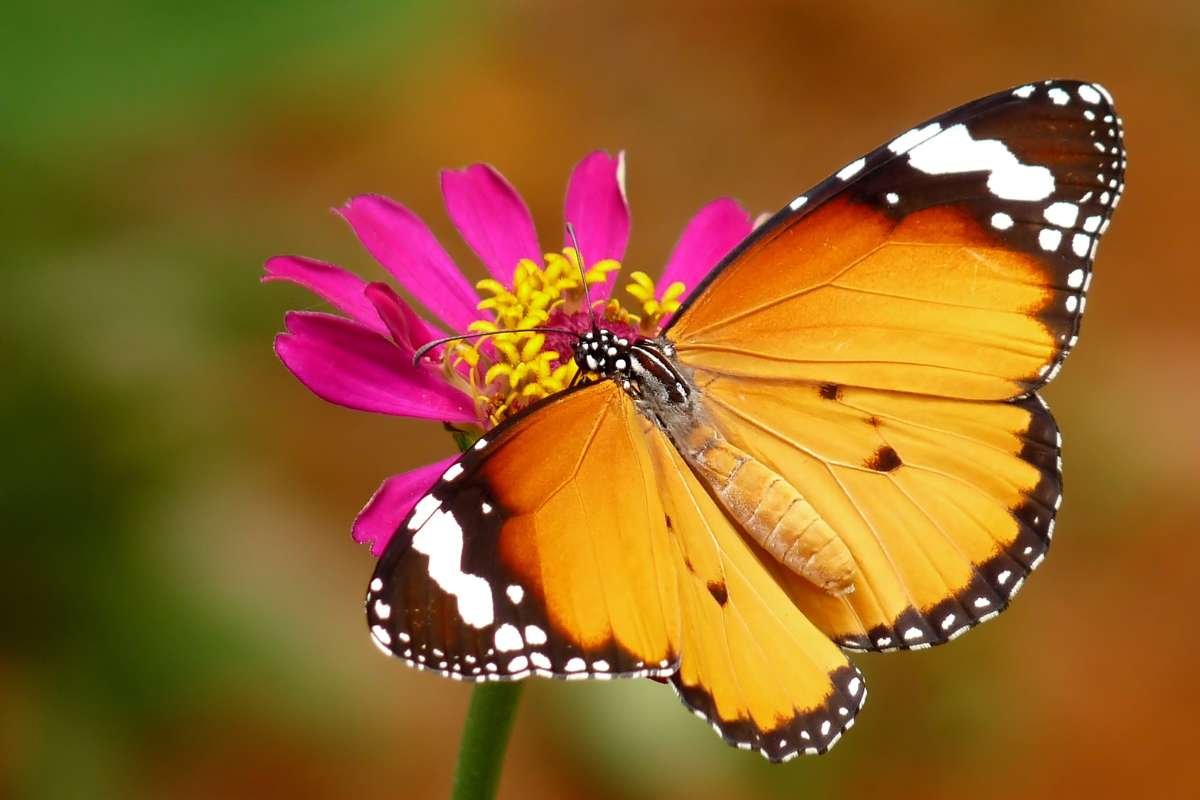
Widespread across Asia and Africa, the Plain Tiger uses both Oleander and Milkweed to build its defenses. It is a slow, rhythmic flier, almost taunting predators to try their luck.
Observation: Because it is one of the Most Poisonous Butterflies in its region, many other species, like the Danaid Eggfly, mimic it perfectly. This creates a massive network of butterflies that all rely on the Plain Tiger’s reputation for survival.
9. Crimson Rose (Pachliopta hector)
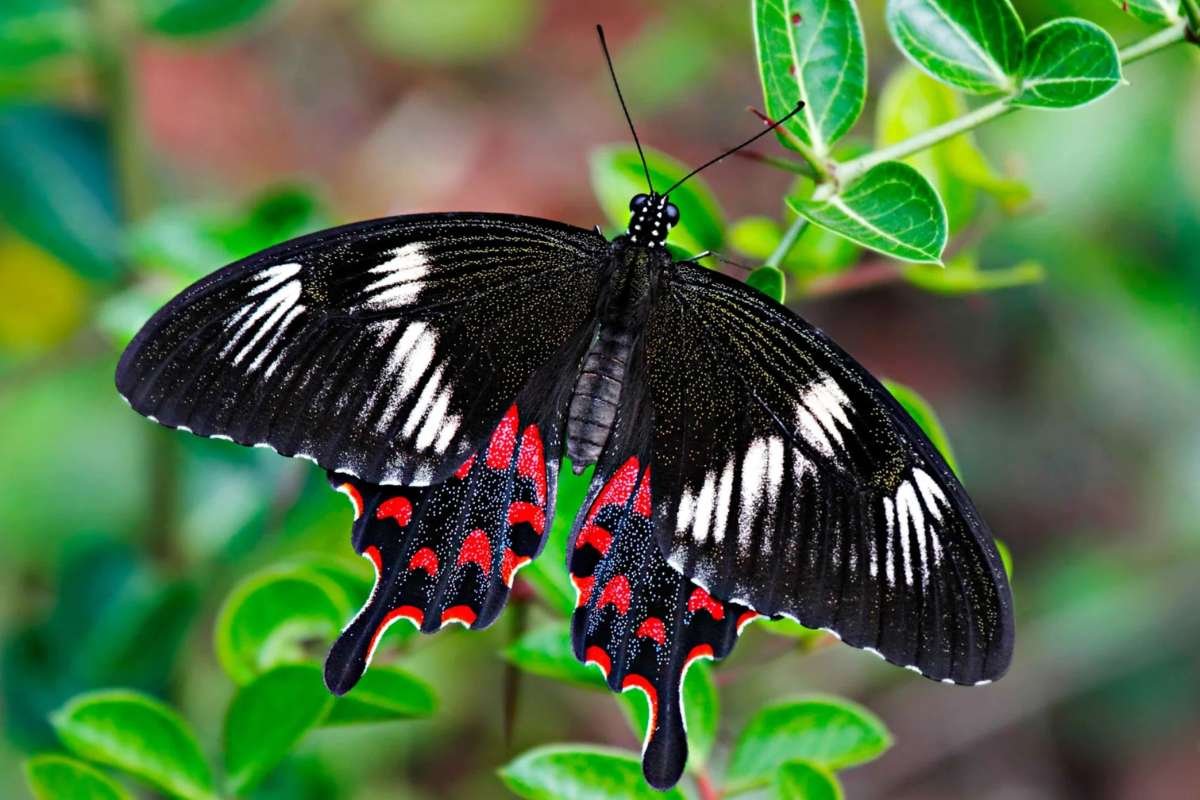
This stunning butterfly from South Asia features vibrant red spots on a jet-black background. Like the Pipevine Swallowtail, it sequesters aristolochic acids.
Regional Impact: It is so distasteful that even hungry mantises often reject it. The Crimson Rose serves as a primary model for several Batesian mimics in India and Sri Lanka.
10. Common Birdwing (Troides helena)
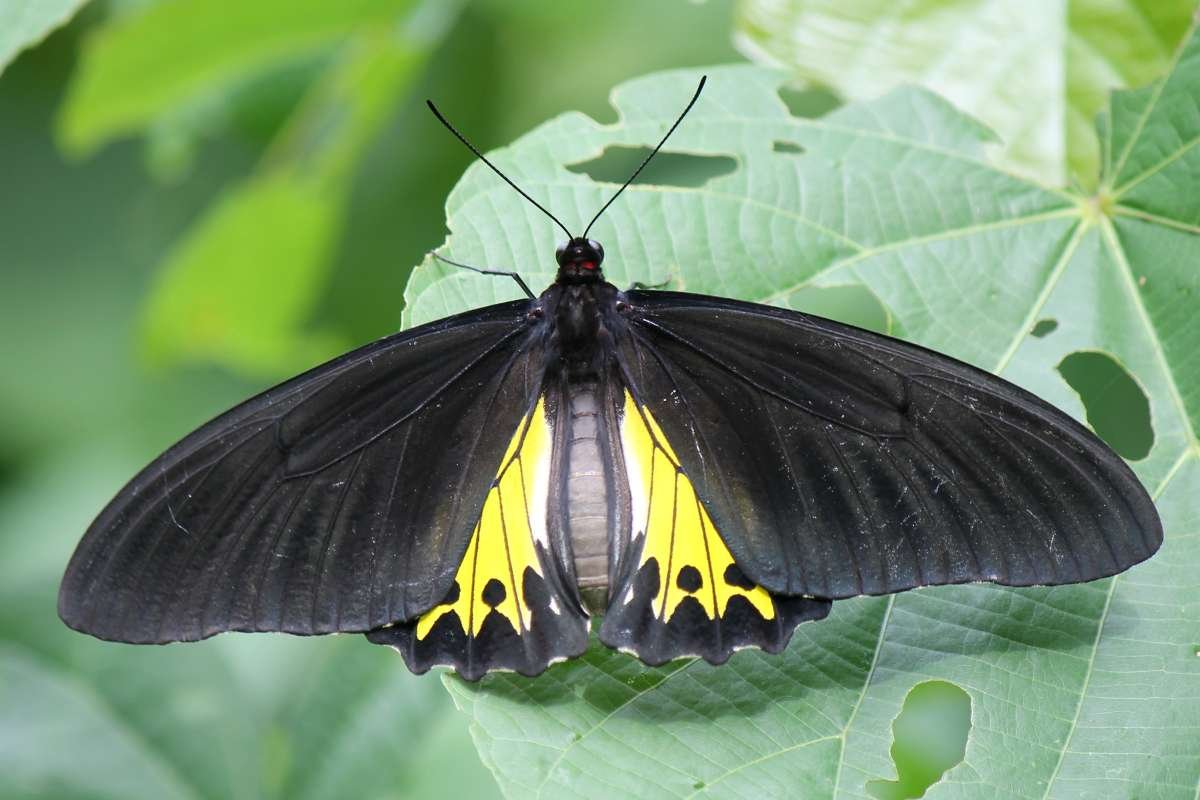
As one of the largest butterflies in Southeast Asia, the Common Birdwing commands attention. Its caterpillars feed on Aristolochia plants, filling the adult’s massive body with toxins.
The Threat: While humans can handle them safely, birds and lizards that attempt to swallow a Birdwing face immediate respiratory stress and cardiac irregularity.
11. Red Lacewing (Cethosia biblis)
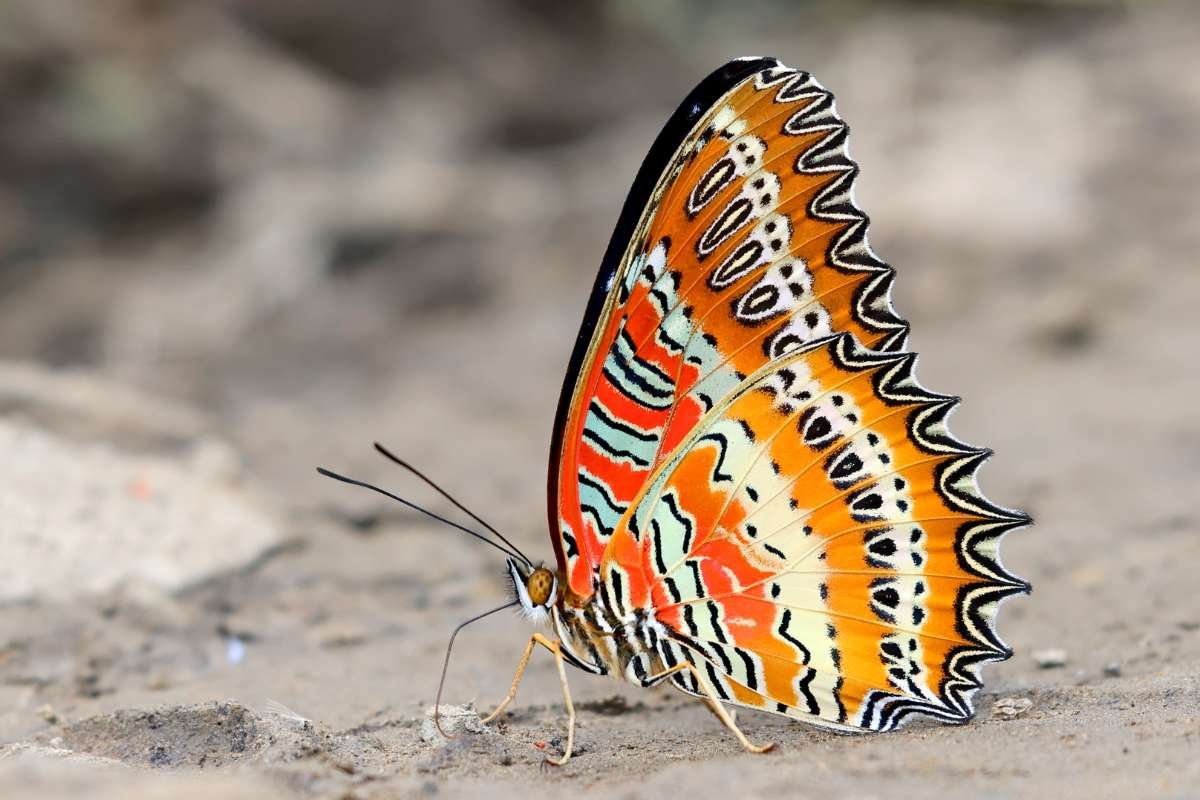
Found in the meadows of Asia, the Red Lacewing uses its intricate, lace-like wing patterns to signal its cyanogenic glycoside content.
The Toxin: It derives these chemicals from passionflowers. Its bright orange and black colors provide a classic example of aposematism in action, warning the world of its bitter chemical payload.
12. Large Tree Nymph (Idea leuconoe)
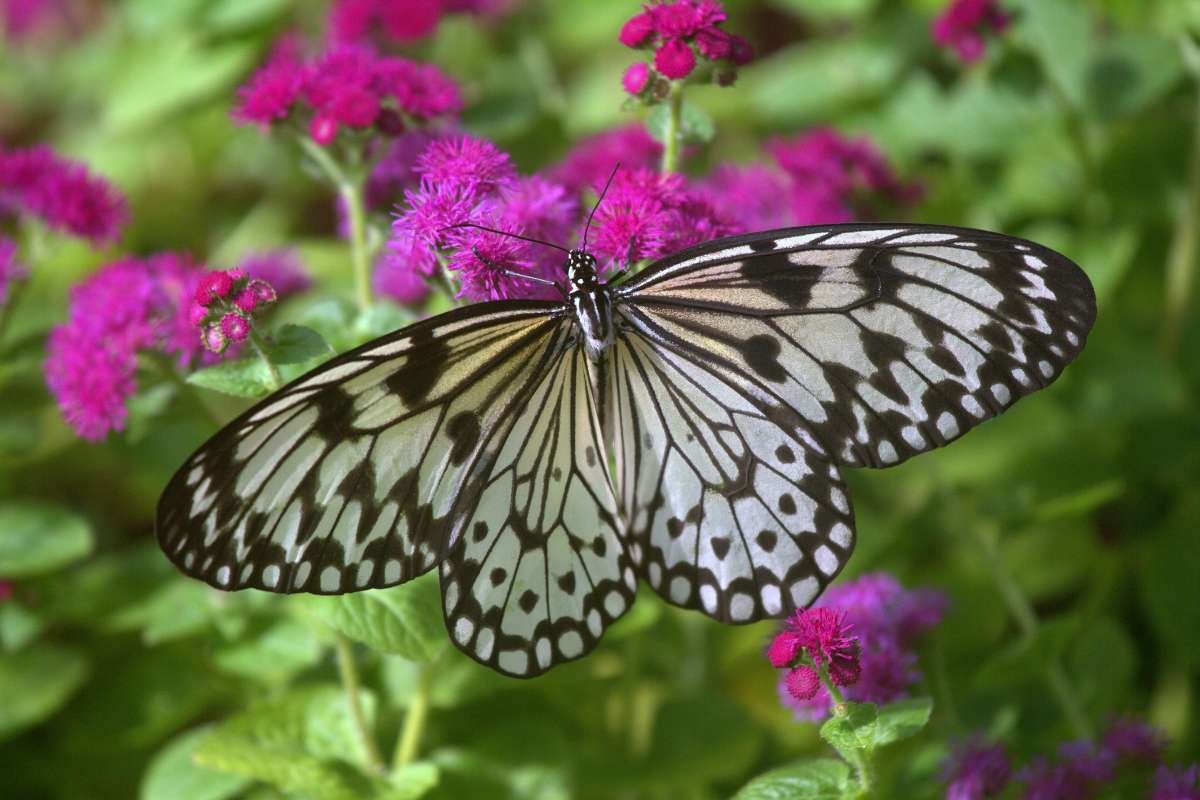
Often called the “Paper Kite,” this butterfly glides with a ghostly, slow motion. It sequesters pyrrolizidine alkaloids from its host plants.
Survival Strategy: These alkaloids make the butterfly incredibly distasteful. Predators often spit them out immediately after a single taste, allowing the butterfly to fly away—often with only a minor wing tear—to live another day. Its slow flight speed highlights its confidence as one of the Most Poisonous Butterflies in the forest.
Symptoms and Effects of Butterfly Poison
The toxins within these butterflies target the most vital systems of their predators.
- Gastrointestinal Distress: Most cardenolide-heavy butterflies (like Monarchs) trigger a “vomit reflex” in birds. This prevents the predator from digesting the insect and ensures the bird associates that specific color pattern with a traumatic experience.
- Cardiac Disruption: High concentrations of cardiac glycosides, especially the ouabain found in the African Giant Swallowtail, can cause the heart to stop. These chemicals interfere with the sodium-potassium pump in cells, leading to irregular heartbeats or total cardiac arrest.
- Renal Failure: Aristolochic acids (found in Swallowtails) attack the kidneys. Even if a predator survives the initial meal, the long-term damage to its filtration system can prove fatal.
- Neurotoxicity: Cyanide-releasing compounds prevent cells from using oxygen. This leads to rapid gasping, muscle weakness, and death in smaller vertebrate predators.
While these toxins pose a significant threat to small animals, they generally do not harm humans unless ingested in large quantities. However, some caterpillars possess stinging hairs that cause “erucism”—a painful skin rash or allergic reaction.
Read Next:
Conclusion
The butterfly effect tells us that small things leave lasting marks. The Most Poisonous Butterflies prove that idea in the most honest way possible. One mistake from a predator can change behavior for life. One encounter can ripple through an ecosystem, shaping what lives and what learns to stay away.
These butterflies don’t fight. They don’t chase. They endure. Their existence teaches restraint, respect, and consequence—lessons nature never repeats twice. When we lose them, we don’t just lose color or curiosity. We lose a system that taught balance without violence.
So the next time you see a butterfly drift past, remember this: even the lightest wings can carry weight. And sometimes, survival depends not on how loud you are, but on how deeply you’re remembered.