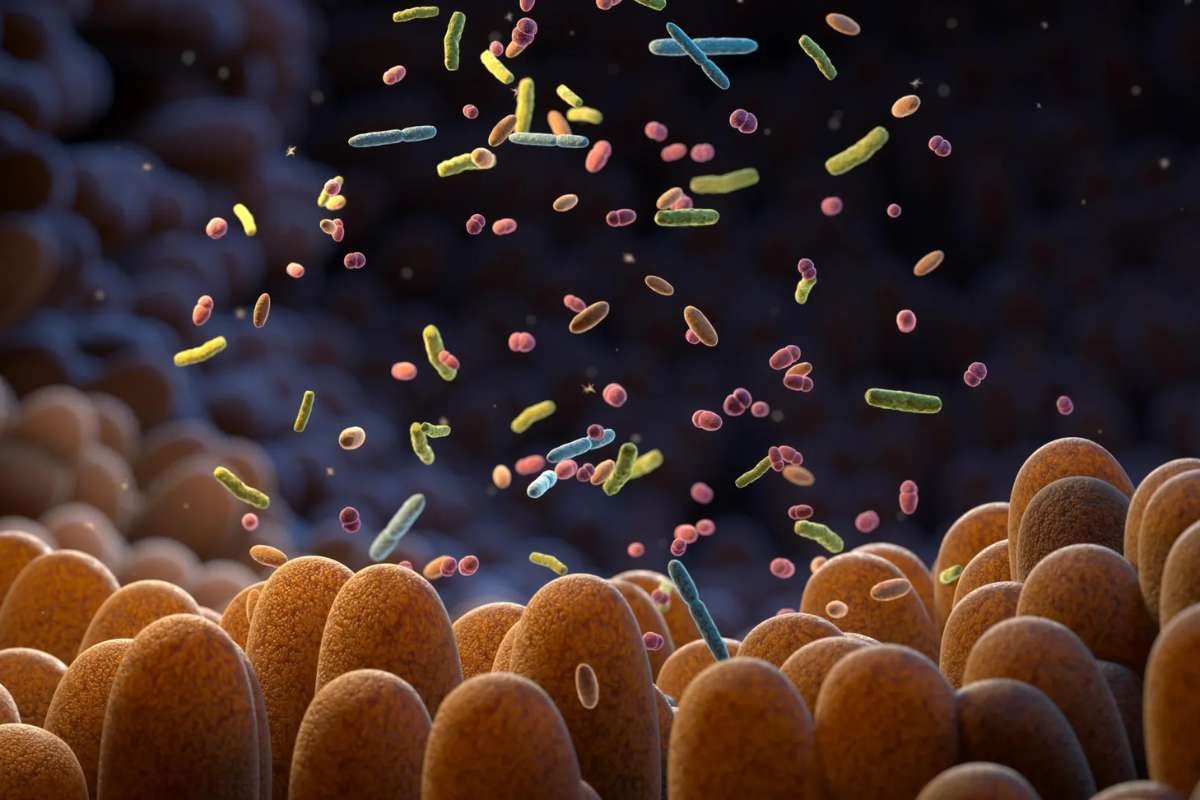
Scientists have discovered that small doses of an antibiotic can prompt gut bacteria to produce a compound linked to longer life, extending lifespan in worms and improving metabolic health in mice without toxic side effects. highlighting Gut Bacteria Anti-Aging research.
Researchers say the findings point to a new strategy for promoting healthy aging by targeting microbes in the digestive system rather than human cells themselves, potentially reshaping how future longevity drugs are designed.
Antibiotic Triggers Life-Extending Compound in Gut Microbes
The study was led by Meng Wang, a senior group leader at the Howard Hughes Medical Institute’s Janelia Research Campus, whose laboratory studies the biological mechanisms of aging. Her team focused on finding practical ways to harness compounds already known to influence lifespan.
“We wanted to see if we could encourage gut bacteria to make beneficial molecules on their own,” Wang said in a statement. “Instead of delivering the compound directly, we asked whether microbes could do the work for us.”
The researchers examined colanic acid, a substance naturally produced by certain gut bacteria. Previous research had shown that colanic acid can extend lifespan in roundworms and fruit flies, but delivering it directly posed challenges.
In the new experiments, scientists exposed gut bacteria to low doses of the antibiotic cephaloridine. The drug triggered the microbes to produce significantly higher levels of colanic acid, effectively turning the bacteria into biological factories.
Roundworms given cephaloridine lived longer than untreated worms, linking the antibiotic-driven increase in colanic acid to improved longevity.
Animal Tests Show Metabolic Health Benefits
After observing lifespan gains in worms, the researchers tested the approach in mice to examine broader health effects. Low-dose cephaloridine activated genes in mouseGut bacteria anti-aging involved in colanic acid production.
The results showed measurable improvements in age-related metabolism. Male mice experienced higher levels of high-density lipoprotein, often called good cholesterol, and lower levels of low-density lipoprotein, known as bad cholesterol. Female mice showed reduced insulin levels, a marker associated with improved metabolic health.
“These changes are consistent with healthier aging,” Wang said. “While mice did not live longer in this study, the metabolic shifts suggest the animals were aging more healthily.”
The findings support the idea that influencing gut microbes can have systemic effects on the host, even when the drug itself does not enter the bloodstream.
Gut-Only Drug Design May Reduce Side Effects
Cephaloridine’s key advantage is that it remains in the digestive tract when taken orally and is not absorbed into the bloodstream. This property allows it to affect Gut bacteria anti-aging without exposing other organs to the drug.
Because the antibiotic stays in the gut, researchers say it avoids the toxic side effects that have limited similar compounds in the past. That feature could make microbiome-targeted therapies safer than drugs that act directly on human cells.
“This work suggests a different way of thinking about medicine,” Wang said. “By guiding microbes to produce helpful compounds, we may be able to support health while minimizing harm.”
The researchers caution that the findings are limited to animal models and that more studies are needed before any human applications can be considered. Still, they say the results highlight the growing potential of microbiome-focused therapies in aging and metabolic health research.
The study adds to evidence that the trillions of bacteria living in the gut play a critical role in health and longevity, offering new targets for future drug development.