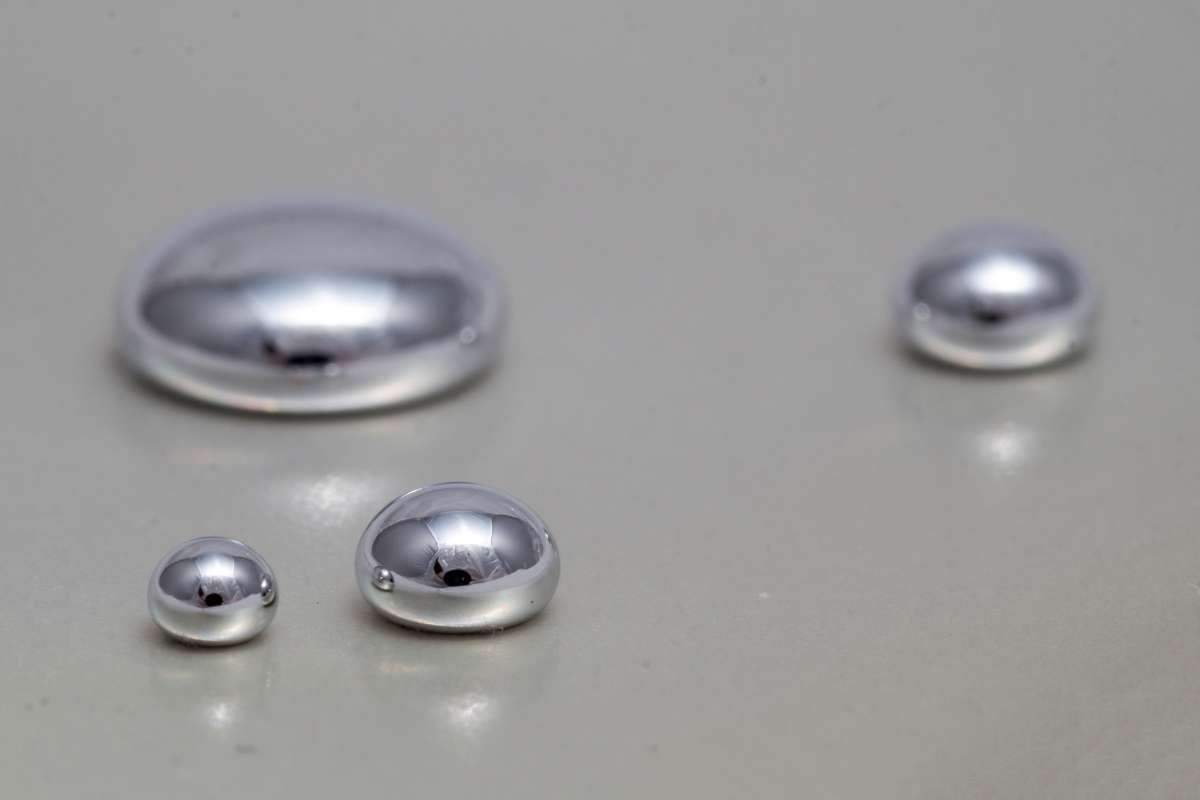
We trust our food, our air, and our homes. Most days, they deserve that trust. But sometimes, danger slips in quietly, like a guest who never knocks. That guest is Mercury. And this silent exposure can lead to Mercury Poisoning. You cannot see it. You cannot smell it. Yet it can mess with your brain, nerves, and health without warning.
Many people think mercury belongs only in old science labs or broken thermometers. That idea feels safe, but it is wrong. It hides in fish, factory smoke, and even some skin products. Mercury Poisoning does not shout. It whispers.
This article helps you hear that whisper early, smile at your awareness, and walk away smarter and safer.
What Is Mercury Poisoning?
Mercury poisoning occurs when mercury accumulates inside the body and begins to harm organs, particularly the brain and nerves. This metal does not belong in the human body. Even small amounts can cause trouble over time.
Example:
A person eats large ocean fish like tuna or swordfish almost every day. These fish absorb mercury from polluted water. Over months, the metal builds up in the body. At first, nothing feels wrong. Later, the person feels tired, forgetful, shaky, and moody. This slow damage explains why Mercury Poisoning often goes unnoticed until symptoms grow stronger.
There are three main forms of mercury:
- Elemental mercury from broken devices
- Inorganic mercury from industrial sources
- Methylmercury from seafood
Among them, methylmercury causes the most harm to humans.
Symptoms and Treatment Age-Wise
The warning signs of Mercury Poisoning vary depending on how much mercury your body has absorbed and your age.
Infants and Young Children

Kids are especially sensitive because their brains and bodies are still growing. Even small exposure can affect development.
Common signs:
- Trouble learning to speak
- Delays in motor skill development
- Poor coordination
- Trouble solving simple tasks
Treatment for kids:
Early diagnosis is key. Doctors use blood tests to check levels and may use chelation therapy, a medical method to help remove heavy metals from the blood. In severe cases, early rehabilitation can help with learning and motor skills.
Adults
Adults may not show symptoms at first, but over time, Mercury Poisoning can harm many systems in the body.
Common adult symptoms:
- Tremors or shaky hands
- Memory loss or trouble concentrating
- Irritability and mood swings
- Trouble walking steadily
- Metallic taste in the mouth
Treatment for adults:
Doctors check mercury levels through blood or urine tests. Treatment includes stopping exposure, using chelation medicine, and supportive care for symptoms. Long-term effects require ongoing medical follow-up.
Older Adults

Older people can have weaker detox systems, so mercury impacts can be stronger.
Watch for:
- Trouble balancing
- Mood changes
- Memory challenges
- Sudden nerve discomfort or numbness
Treatment:
Focus remains on lowering mercury levels and managing complications. Proper nutrition and follow-up tests help support recovery.
Precautions – Simple Steps You Can Do
Prevention is always better than fixing a problem. Here’s how to be safe from Mercury Poisoning in everyday life:
1. Eat Smart With Fish
Some fish naturally have higher mercury levels, like swordfish, king mackerel, tilefish, and certain tuna. Eating them often can raise mercury exposure. Choose lower-mercury fish like salmon or sardines instead.
Tip: Pregnant people and young kids should avoid high-mercury fish to protect brain development.
2. Avoid Exposure at Work
If your work involves chemicals or metals, ask about safety procedures to avoid inhaling mercury vapor or touching mercury-containing materials.
3. Handle Broken Devices Carefully
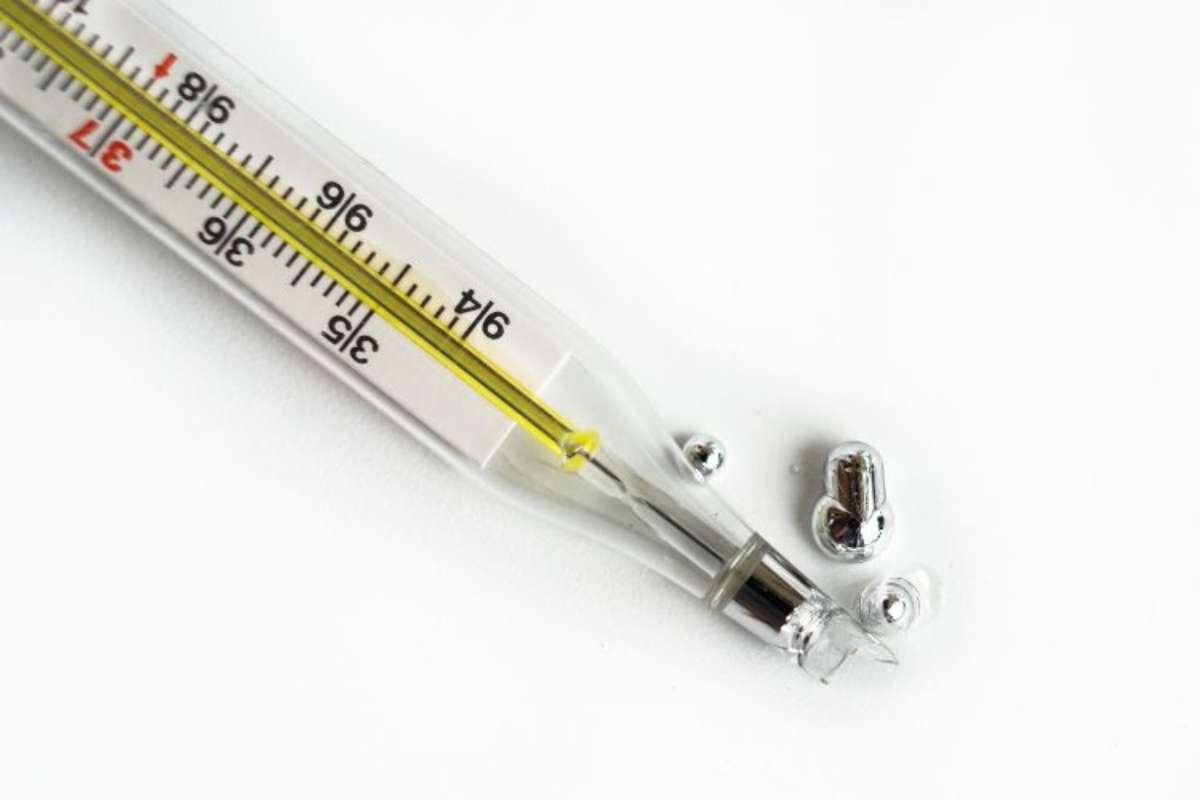
Broken thermometers or old devices with mercury shouldn’t be cleaned with vacuums because mercury vapor can go airborne. Instead, ventilate the room and seek a safe collection protocol.
4. Know Environmental Sources
Mercury is released when coal burns and can settle into water and soil. Support and choose clean energy sources if you can.
5. Regular Checkups
If you suspect any exposure, tell your healthcare provider. Early testing and diagnosis can prevent lasting effects.
Fast Facts About Mercury Poisoning
- Mercury is one of the top ten chemicals of concern for public health worldwide.
- It damages the brain, nervous system, kidneys, lungs, and immune system.
- Babies can be affected before birth if the mother has eaten high-mercury foods.
- Mercury cannot be destroyed but can be converted into forms that travel up the food chain.
- Wearing protective equipment reduces occupational exposure risks.
Conclusion
At the start, we joked about a silent guest. Now you know its name and its habits. Knowledge turns fear into control. You do not need to avoid the world. You just need to move through it with open eyes.
Mercury Poisoning teaches a simple lesson. Small things matter. Quiet risks deserve loud awareness. Stay curious. Stay cautious. Most of all, stay confident. Your health listens when you do.
Remember, you can handle tough topics with clarity, calm, and confidence!