Most dangers don’t knock on the door. They quietly sit in old walls, dusty corners, and water pipes that look harmless. That’s exactly how lead poisoning behaves. It does not scream. It whispers.
You can eat healthy food, exercise daily, and still be affected by something you never thought about. That sounds unfair, right? But knowing the problem gives you power. And power keeps families safe.
This article breaks everything down without scary medical talk. No panic. No pressure. Just clear facts, practical steps, and a little motivation to stay alert and confident.
What Is Lead Poisoning?
Lead poisoning happens when lead builds up inside the body over time. Lead is a toxic metal. The body has no use for it. Even small amounts can cause harm, especially in children.
Lead enters the body through swallowing or breathing. Old paint dust, contaminated water, soil, and some traditional products remain common sources. Once inside, lead travels through the blood and settles in bones and organs.
Children face a higher risk because their bodies absorb lead faster. Their brains are still growing. Adults also suffer effects, especially after long exposure. The danger increases because early signs often look mild or normal.
Types of Lead Poisoning
Doctors usually describe lead poisoning by looking at how long a person was exposed and how much lead entered the body. Not all exposure looks the same. Some happen suddenly, while others build up quietly over time. Understanding these types helps people recognize risks early and take the right action.
1. Acute Exposure
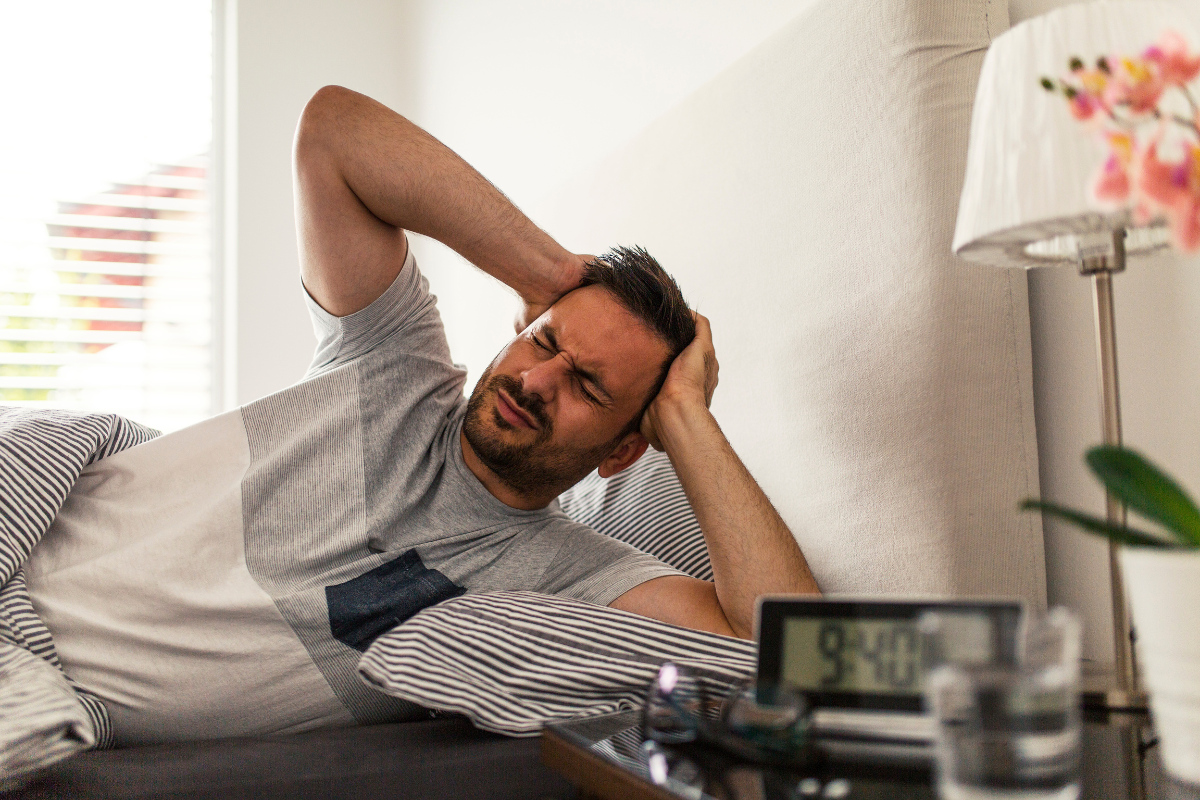
Acute exposure happens when a person comes in contact with a very high amount of lead in a short time. This type is less common, but it can be serious.
It often occurs during accidents in factories, construction sites, or battery plants. It can also happen if someone uses unsafe or illegal products that contain lead, such as contaminated medicines, cosmetics, or certain traditional remedies.
Symptoms usually appear quickly. A person may feel strong stomach pain, vomiting, confusion, or severe headaches. Because the effects show up fast, people often seek medical help sooner. Early treatment reduces long-term damage, but the exposure itself can still cause harm.
2. Chronic Exposure
Chronic exposure is the most common form of lead poisoning, and also the most dangerous because it stays hidden for a long time.
In this type, small amounts of lead enter the body slowly over months or even years. The person may not feel sick at first. Every day, sources cause this exposure. Old house paint that turns into dust, drinking water flowing through old lead pipes, polluted soil, and air near busy roads all play a role.
Because symptoms develop slowly, people often ignore them. Tiredness, mild headaches, or stomach discomfort feel normal. Meanwhile, lead keeps collecting in bones and organs. Over time, this can damage the brain, kidneys, and nervous system.
3. Childhood Exposure
Childhood exposure deserves special attention because children absorb lead more easily than adults. Their bodies and brains are still growing, which makes them more vulnerable.
Children under six face the highest risk. They often put their hands or objects in their mouth. If their home has old paint, lead dust easily enters their body. Even a very small amount can affect learning, memory, attention, and behavior.
This type of lead poisoning may not cause obvious physical pain. Instead, it shows up as delayed speech, poor school performance, or behavior changes. These effects can last for life if exposure continues.
That is why regular screening, clean living spaces, and safe drinking water matter so much for families with young children.
Read More:
Symptoms of Lead Poisoning
Symptoms of lead poisoning differ by age and exposure level.
| In Children | In Adults |
| Delayed growth | Headaches |
| Learning difficulties | Memory issues |
| Irritability | Fatigue |
| Loss of appetite | High blood pressure |
| Stomach pain | Joint pain |
Symptoms often appear slowly. Many people ignore them or blame stress or diet. That delay allows damage to continue.
Treatment of Lead Poisoning

Treatment depends on lead levels and age. Lead poisoning does not fix itself. Medical care matters.
- Lower Exposure: Doctors focus on removing the source. Nutrition helps. Iron, calcium, and vitamin C reduce lead absorption.
- Higher Exposure: Doctors may use chelation therapy. This medicine binds lead and helps the body remove it through urine. Treatment happens under medical supervision.
Early treatment limits long-term damage. Regular testing protects high-risk families.
Prevention Matters More Than Cure
Preventing lead poisoning saves lives and futures.
- Test the drinking water.
- Avoid peeling paint in old homes
- Wash your hands often
- Clean floors and surfaces regularly
- Use cold water for cooking
Awareness remains the strongest shield.
Conclusion
The good news is that lead poisoning is preventable. Knowledge beats fear every time.
Just like we check locks before sleeping, we should check our environment. Small steps create big safety. Clean water, safe homes, and awareness protect generations.
You don’t need to panic. You only need to pay attention. And that choice alone makes you stronger than the risk.