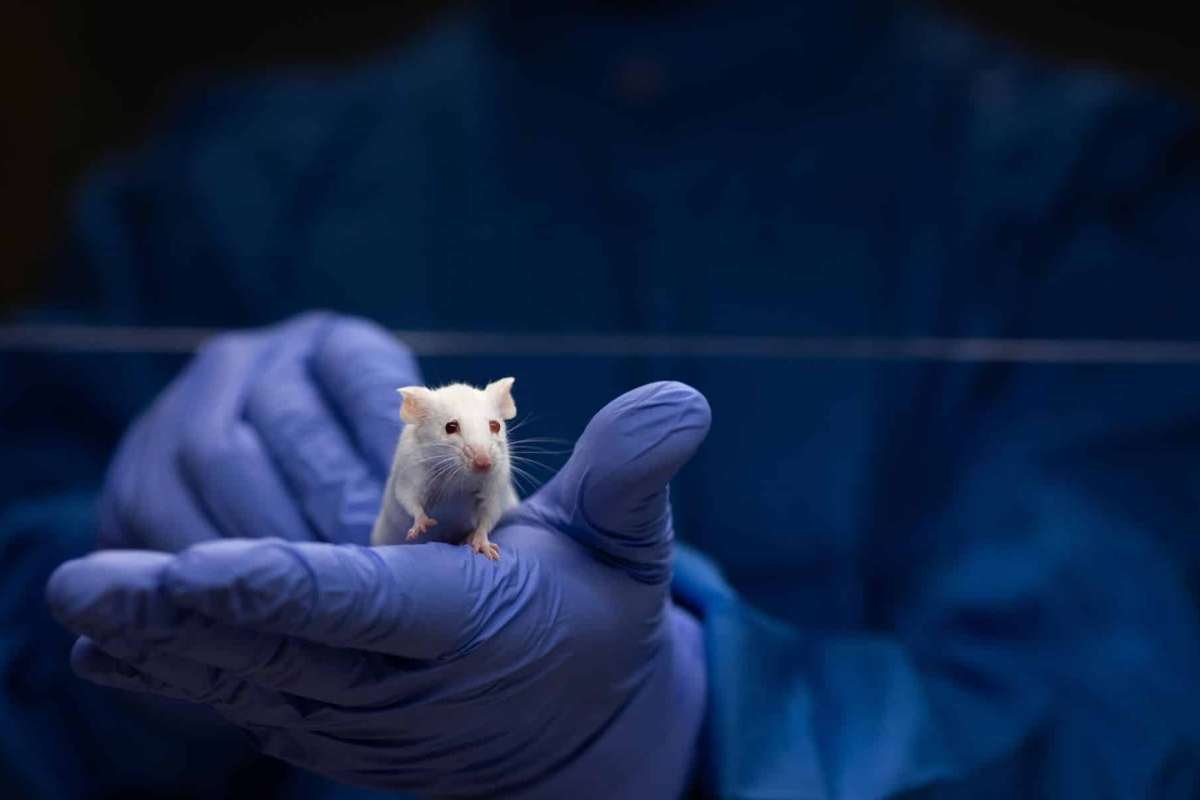
In January, scientists revealed that restoring a key energy molecule reversed advanced Alzheimer’s symptoms in mice, with the alzheimer’s mice research challenging 150 years of belief by showing severe brain damage can improve without removing plaques or tangles.
Researchers Target Cell Energy, Not Plaques
For more than a century, alzheimer’s mice research has centered on amyloid plaques and tau tangles as the causes of irreversible brain damage. The latest study takes a different path, suggesting that a collapse in cellular energy drives the disease forward.
Researchers found that levels of nicotinamide adenine dinucleotide, or NAD+, sharply decline in Alzheimer’s brains. NAD+ is essential for powering cells, repairing DNA, and controlling inflammation. When it falls, multiple brain systems fail at once.
“The loss of NAD+ is not just a consequence of disease,” the researchers wrote. “It actively drives neurodegeneration.” Restoring the molecule, they said, allowed the brain’s natural repair mechanisms to resume.
The idea emerged from alzheimer’s mice research, which drew parallels to people with extensive Alzheimer’s-related brain damage who never developed dementia. These individuals, known as nondemented with Alzheimer’s neuropathology (NDAN), have plaques and tangles yet maintain normal cognition.
Their distinguishing feature was not less damage, researchers said, but preserved NAD+ levels.
Treated Mice Regain Memory and Brain Function
To test the theory, scientists used an experimental compound called P7C3-A20, which increases NAD+ production without overstimulating cells. Earlier attempts to boost NAD+ caused harmful side effects, according to the study.
The drug was given to mice with advanced Alzheimer’s-like disease. At that stage, untreated mice typically show memory loss, brain inflammation, breakdown of the blood-brain barrier, and widespread neuronal death.
By 12 months of age, treated mice performed normally on memory and learning tests, researchers reported. Motor skills and anxiety levels matched those of healthy animals, and neurons involved in memory formation survived and continued to regenerate.
“The treatment did not remove amyloid or tau,” the authors wrote. “Instead, it restored the brain’s ability to function despite their presence.”
Researchers tracked 46 proteins disrupted in advanced disease and found they returned to normal activity. Markers of oxidative stress, DNA damage, and inflammation also declined.
Human Implications Remain Uncertain
Scientists caution that alzheimer’s mice research does not guarantee similar success in people, since Alzheimer’s in humans develops over decades and cognitive decline in older adults is far more complex than memory loss observed in animals.
Still, researchers said the evidence extends beyond mice. The approach worked in two mouse models, in cultured human brain cells, and in analyses of postmortem human brain tissue. In those samples, lower NAD+ levels closely tracked disease severity.
The researchers stressed they are not claiming a cure. “We have shown reversal is biologically possible,” they wrote, adding that clinical trials will be needed to test safety and effectiveness in patients.
Experts say alzheimer’s mice research could reshape how the disease is studied. Instead of viewing Alzheimer’s as permanently destructive once symptoms appear, the study indicates the brain may retain a dormant repair capacity.
For decades, scientists assumed advanced neurodegeneration was locked in. This research challenges that assumption by reframing Alzheimer’s as a disorder of cellular energy and resilience.
Whether the same strategy can slow or reverse human dementia remains unknown. But the study offers a new direction for a disease that has resisted effective treatment for generations.