Positive thinking may enhance the vaccine immune response, according to a randomized controlled trial. The study found that activating reward‑related brain regions increased antibody levels following a routine vaccine.
Researchers from Tel Aviv University found that participants who successfully increased activity in the brain’s reward system through neurofeedback training produced significantly higher hepatitis B antibodies than those who did not, suggesting a direct brain-immune connection.
The study, published in Nature Medicine, involved 85 healthy adults divided into three groups. One group received functional MRI-based neurofeedback designed to activate the mesolimbic pathway, a key reward circuit in the brain. A second group underwent similar training targeting unrelated brain regions, while a third group received no neurofeedback.
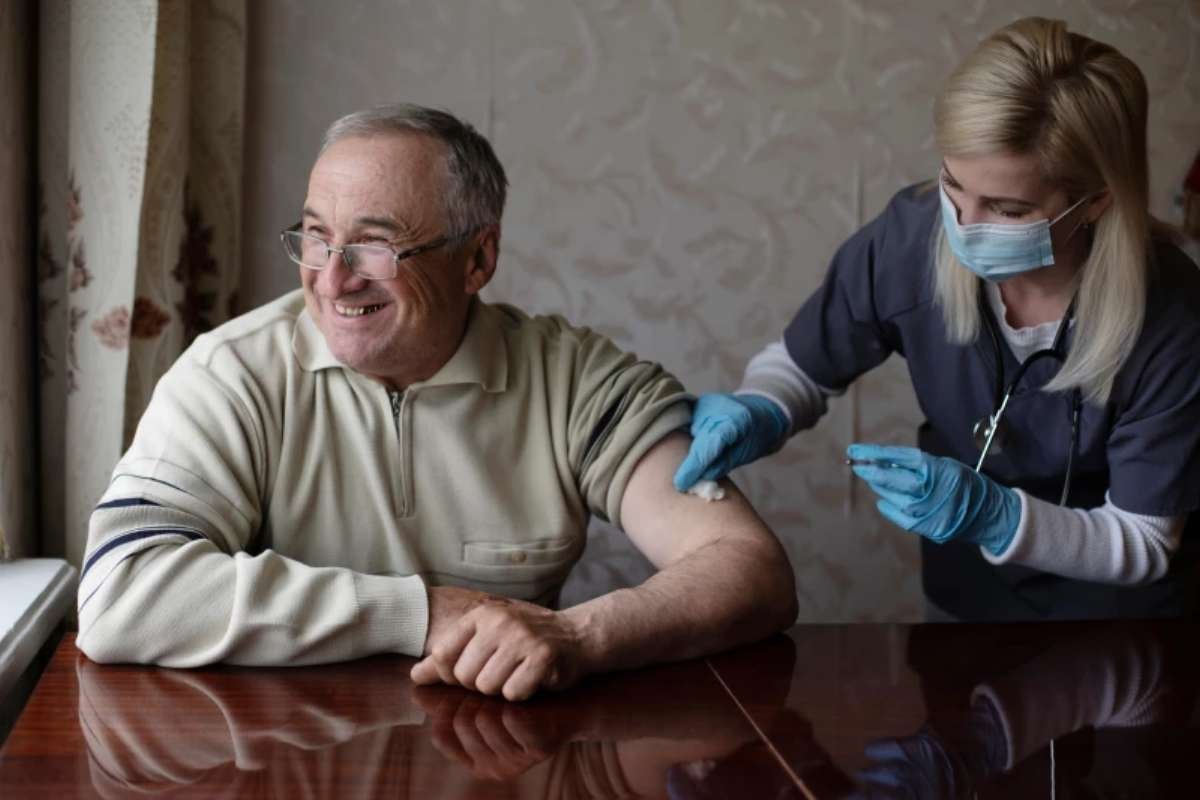
After completing three to four training sessions, all participants were given a hepatitis B virus vaccine. Blood tests conducted fourteen and twenty-eight days later measured antibody levels specific to the virus.
Participants who successfully activated the ventral tegmental area, a core part of the reward pathway, showed the strongest antibody responses, indicating a more robust immune reaction to the vaccine.
The researchers wrote that consciously generated positive expectations can engage reward circuitry to influence immune function, noting that this mechanism could provide a noninvasive way to support the vaccine immune response.
Neurofeedback Training Targets Brain’s Reward Pathway
Functional MRI neurofeedback allows participants to see real-time representations of their brain activity and learn mental strategies to influence it. In this study, participants were guided to increase reward-pathway activity by focusing on positive thoughts or emotions.
When successful, a face displayed on a computer screen appeared happier, providing immediate feedback. Researchers said this approach required active mental engagement rather than passive belief.
The second neurofeedback group performed similarly demanding tasks, but their training targeted brain regions unrelated to reward processing. This design helped researchers isolate the specific effect of reward-system activation.
The third group served as a control and received no neurofeedback training before vaccination.
Only the group trained to activate the reward pathway showed a statistically significant increase in antibody production, according to the study.
Placebo Effect May Play a Role
Researchers also observed that the vaccine immune response was strongest when participants activated the reward pathway while anticipating positive future events, such as an upcoming vacation. This finding suggests a possible placebo‑related effect, where expectations can influence physical outcomes.
“Considering the lack of evidence for alternative interpretations, our findings suggest a top-down brain-immune regulation mechanism,” the researchers wrote, comparing the results to similar effects previously documented in animal studies.
While the study did not directly measure whether the vaccine was more effective at preventing disease, higher antibody levels are generally associated with stronger immune protection.
Potential Applications, With Limits
Scientists say the findings open the door to combining psychological and medical approaches to health, particularly in areas where the vaccine immune response is critical.
The authors suggested that similar interventions could one day support treatments in cancer immunotherapy or chronic inflammatory diseases by targeting brain chemicals involved in reward processing, including dopamine.
However, they cautioned against overinterpretation. “Although we present a potential neural intervention for boosting the vaccine immune response in humans, the number of participants in our study is considered relatively small,” the researchers wrote.
Independent experts not involved in the research have previously noted that larger trials are needed to determine whether such effects translate into real-world health outcomes.
For now, the study provides rare human evidence that intentionally cultivated positive mental states can influence immune biology, reinforcing the growing scientific view that mental and physical health are closely linked.
Source: