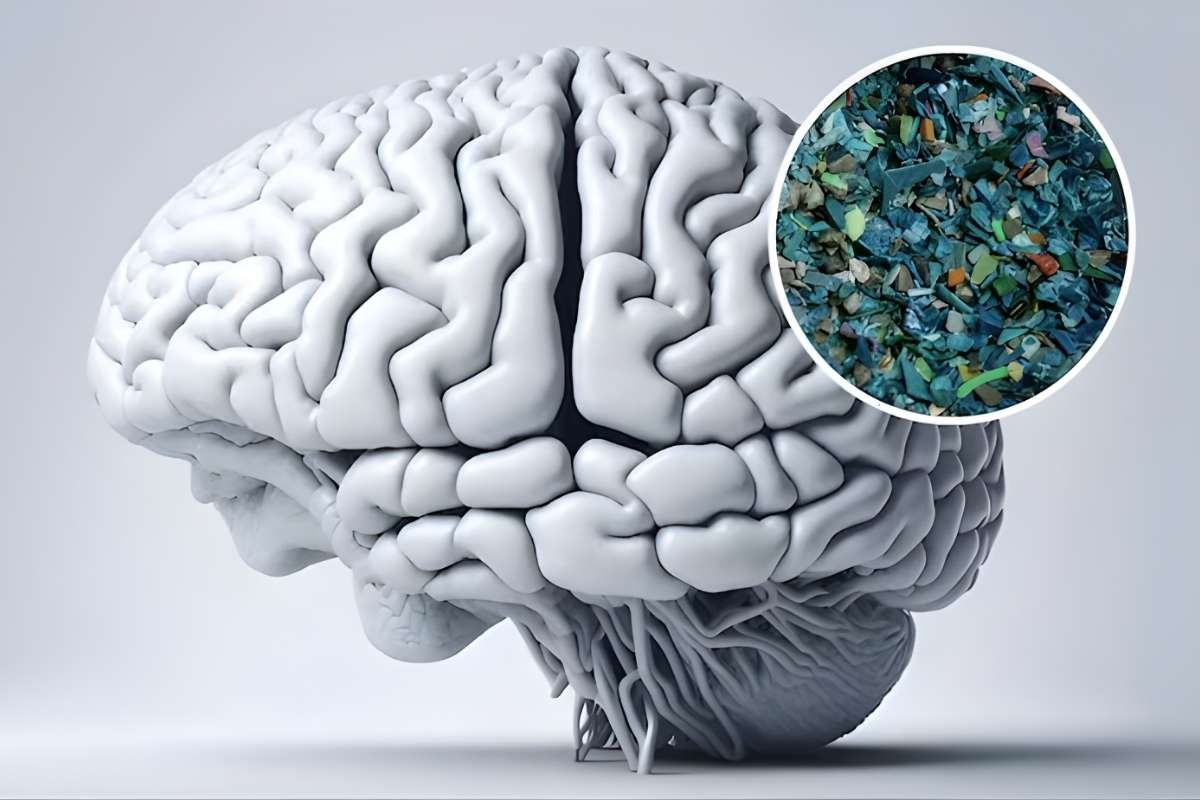
Scientists Research Microplastics and raise concerns that many studies detecting them in humans may be unreliable, potentially misleading the public and prompting ineffective treatments.
Studies Misidentify Microplastics, Experts Say
An investigation by The Guardian’s environment editor finds that common lab methods may misread human tissue as plastic. Many studies vaporize samples and analyze the resulting fumes, a process that cannot reliably distinguish plastic from fatty tissue.
“This method produces widespread false positives,” said Dr. Laura Simmons, a toxicology researcher at the University of Leeds. “The evidence linking microplastics to health risks is far weaker than the headlines suggest.”
Thousands of studies over the past decade have claimed that tiny plastic fragments, sometimes smaller than a millionth of a meter, appear in human organs, blood, and digestive systems. These studies often suggest links to heart disease, infertility, and other health issues. Critics say the results have created alarm without solid scientific backing.
“The public sees alarming numbers and assumes immediate danger,” Simmons added. “But much of the data relies on techniques that have not been independently verified for accuracy.”
Public Concern Spurs Dubious Treatments
Scientists Research Microplastics as heightened attention to the issue fuels a market for unproven therapies claiming to remove plastics from the human body. These treatments, ranging from supplements to invasive procedures, have not been clinically proven to work.
“Focusing on microplastics with such weak evidence risks unnecessarily scaring the general population,” said Dr. Mark Hernandez, an environmental scientist at the University of California, Berkeley. “People may spend money or undergo procedures that offer no benefit, while real health risks remain unaddressed.”
Health authorities have yet to confirm any safe or effective method for microplastic removal, leaving consumers vulnerable to misinformation. Environmental and health agencies continue to recommend reducing plastic pollution and exposure where possible, rather than attempting unproven treatments.
Calls Grow for Rigorous Research Standards
Scientists Research Microplastics and urge stricter standards along with stronger peer review to avoid misleading conclusions. Experts stress that improved laboratory techniques are essential to accurately detect and measure microplastics in human tissue.
“Reliable methods are critical,” said Simmons. “We need approaches that can clearly differentiate plastics from biological tissue before issuing health warnings or policy recommendations.”
Scientists Research Microplastics and note that the debate highlights significant challenges for policymakers. Without solid scientific consensus, creating regulations on plastic exposure and public health remains difficult, potentially delaying interventions that could deliver meaningful impact.
“The issue is not that microplastics are harmless, but that we do not yet know enough to make firm conclusions,” Hernandez said. “We need careful, reproducible science before making sweeping public statements.”
Visit The Lifesciences Magazine For The Most Recent Information.