Key Points:
- Childhood high blood pressure has nearly doubled globally, affecting over 114 million children.
- Hypertension can silently damage the heart, kidneys, and brain, raising lifelong health risks.
- Early diagnosis, healthy diets, exercise, and global obesity prevention are crucial.
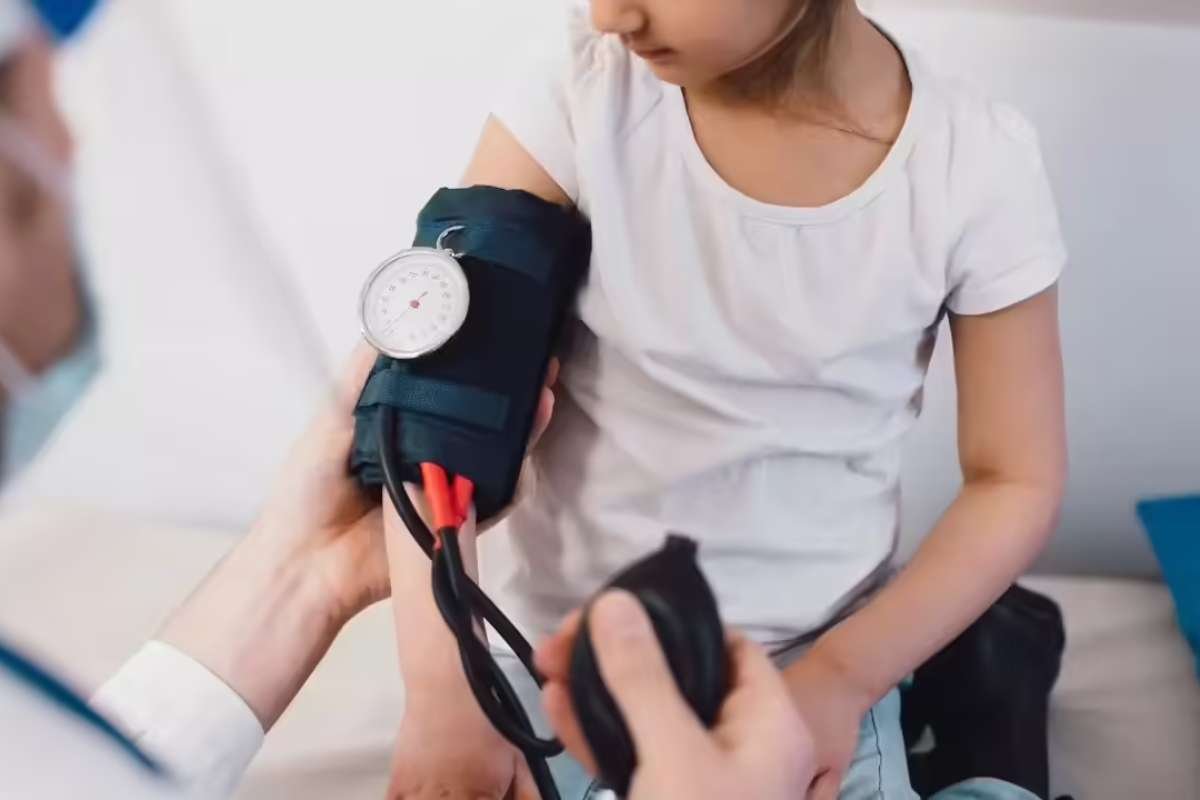
Childhood hypertension is rising worldwide, driven largely by obesity and inactivity, with researchers warning the trend can cause serious organ damage and raise the risk of fatal disease later in life.
Global Study Shows Sharp Rise in Childhood Hypertension
A major global analysis finds childhood hypertension has nearly doubled over two decades, signaling a growing public health threat once considered mainly an adult problem.
The findings come from a meta-analysis of ninety-six studies involving more than 400,000 children across twenty-one countries, published in The Lancet Child & Adolescent Health. Researchers report that the prevalence of high blood pressure among people under nineteen has climbed to about 6.2%, up from roughly 3.2% twenty years ago.
The study estimates more than 114 million children and adolescents worldwide are now affected. Rates are highest in Asia and are rising quickly in Europe and the United Kingdom, according to the analysis.
Boys and older adolescents face a higher risk, particularly after age twelve. Among children who are overweight or obese, as many as one in four have high blood pressure, the researchers found.
Doctors describe hypertension as a “silent killer” because it often shows no symptoms while steadily damaging the body.
Obesity, Diet and Inactivity Drive the Trend
Medical experts say rising childhood obesity is the strongest factor behind the increase in childhood hypertension.
Nearly twenty percent of obese children have hypertension, compared with much lower rates among children at a healthy weight, according to the review. Poor diets, high in processed foods, combined with low physical activity, are pushing obesity rates higher, experts said.
Data spanning twenty years show blood pressure levels climb sharply during early adolescence, making routine screening critical during those years. Prehypertension, a warning stage, affects nearly 11.8% of teenagers, compared with about seven percent of younger children.
“Children are not only presenting with hypertension but also other serious conditions linked to obesity,” said Prof. Steve Turner, president of the Royal College of Paediatrics and Child Health. “These include type two diabetes, asthma and mental health problems.”
Turner said early detection matters because children with prehypertension are more likely to develop full hypertension as they grow older.
Early Action Can Reverse Damage, Experts Say
Childhood hypertension can harm vital organs, including the heart, kidneys and eyes, doctors warn. Over time, excess pressure can weaken arteries, trigger heart failure, damage kidney function and impair vision.
Blocked or narrowed arteries can also reduce blood flow to the brain, increasing the risk of strokes and vascular dementia later in life, researchers said.
Health experts stress that obesity-related childhood hypertension is often reversible. Early diagnosis, healthier diets and regular physical activity can lower blood pressure and reduce long-term risk.
Blood pressure thresholds vary by country. In the United Kingdom, normal readings range from 90/60 to 120/80, while readings of 140/90 or higher indicate hypertension. In the United States, stage one hypertension begins at 130/80.
Prof. Bryan Williams, chief scientific and medical officer at the British Heart Foundation, said individual action alone is not enough.
“Bold global action is needed from governments to prevent obesity in the first place,” Williams said. “This includes expanding restrictions on the marketing of unhealthy products and pushing the food industry to make everyday foods healthier.”
Researchers say without coordinated action, millions of children face preventable health problems that could follow them into adulthood.