An international study published this week reveals that melanoma cellular decoys enable the cancer to evade immune attack. These microscopic particles distract and disable cancer‑fighting T cells, allowing tumors to survive and resist treatment.
Melanoma, the most serious form of skin cancer, employs a stealth strategy to weaken the body’s immune defenses, according to research published in the journal Cell. Scientists report that melanoma cellular decoys are shed as tiny particles that mimic cancer targets, misleading immune cells into attacking the wrong threat.
The particles, known as melanosomes, are bubble-like structures normally involved in pigment production. In melanoma, researchers found, these structures are repurposed to interfere with immune surveillance. The study was conducted by an international team of scientists and reported by Xinhua.
“These melanosomes act like decoys,” the researchers said in the study. “They divert killer T cells away from actual tumor cells and drain their ability to function.”
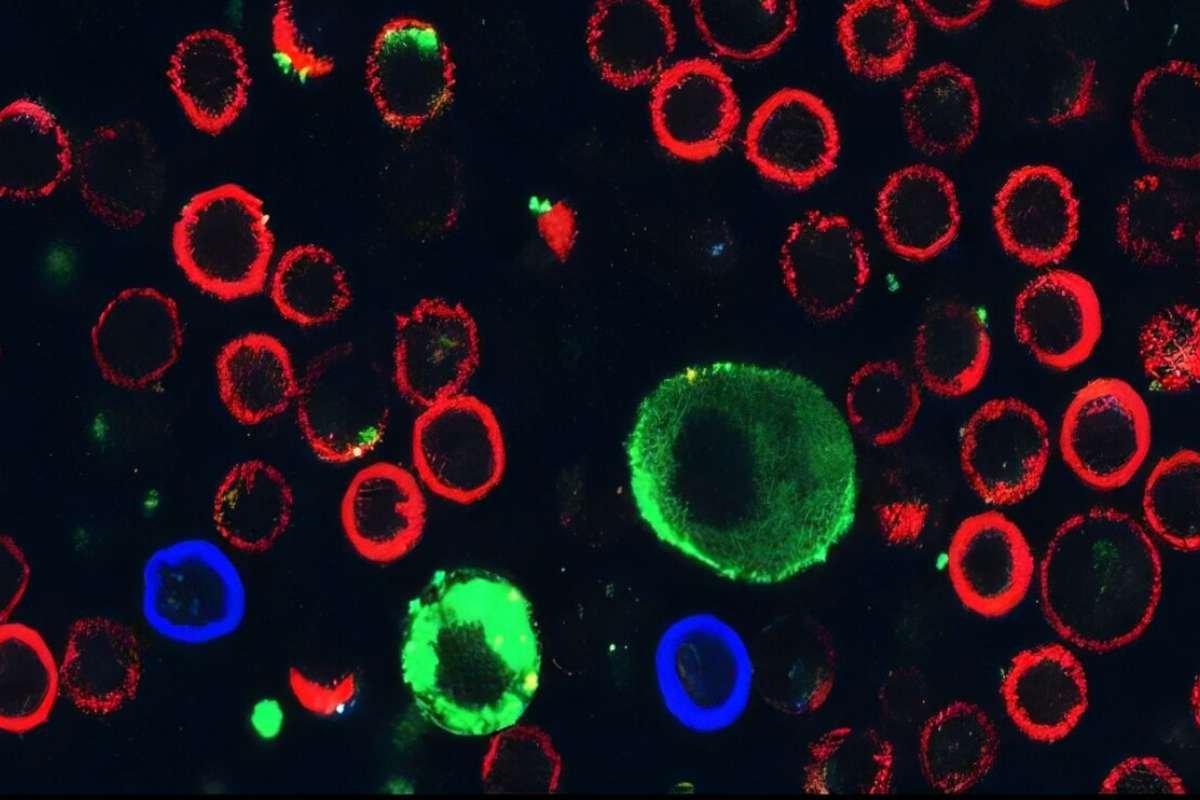
Killer T cells play a central role in the immune system’s response to cancer. They recognize and destroy abnormal cells, including tumors. The study found that melanoma-derived melanosomes carry surface markers similar to those found on cancer cells themselves.
Within the tumor environment, melanoma cellular decoys attach directly to T cells, misleading the immune system into targeting the decoys rather than the actual melanoma cells, according to the researchers.
Researchers Find Cancer Cells Divert Killer T Cells With Fake Targets
The misleading engagement has serious consequences for the immune response. The study showed that repeated contact with melanosomes exhausts T cells, reduces their ability to kill cancer cells and, in some cases, leads to their death.
As a result of melanoma cellular decoys, the cancer is able to grow and spread with less resistance from the immune system. Researchers explained that this mechanism helps clarify how melanoma can persist even when immune cells are present in large numbers near tumors.
“The immune system is essentially wasting its firepower,” the study said, describing how T cells are consumed by false targets instead of attacking the cancer.
This discovery adds detail to scientists’ understanding of how tumors manipulate their surroundings to survive. Rather than simply hiding from immune cells, melanoma actively interferes with their function, the researchers said.
Blocking Decoys Restores Immune Response in Mouse Models
The study also tested whether halting the release of melanoma cellular decoys could reverse immune suppression. In experiments using mice, researchers blocked the production of these decoys in melanoma cells.
When the decoys were removed, killer T cells were able to penetrate tumors more effectively and slow cancer growth, the study found. Tumors in these mice showed reduced progression compared with those in which melanosome release continued.
“These results suggest that melanosomes are a key barrier to effective immune attack,” the researchers said. Blocking their release restored T cell activity and improved tumor control in the animal models.
While the findings are limited to laboratory and animal studies, the researchers said they point to a potential new target for future cancer therapies.
Findings May Explain Why Some Patients Resist Immunotherapy
The research also examined tumor samples from melanoma patients receiving immunotherapy. The study found that patients who did not respond to treatment had higher numbers of T cells coated with melanosomes.
This association suggests that the decoy mechanism may reduce the effectiveness of immunotherapies designed to boost T cell activity. Immunotherapy has transformed melanoma treatment in recent years, but many patients fail to respond or develop resistance.
“Our findings provide a possible explanation for treatment failure in some patients,” the researchers said, noting the clinical relevance of melanosome interference.
The team said further research is needed to determine whether targeting melanosomes could improve patient outcomes. Future studies will focus on how this mechanism operates in humans and whether it can be safely disrupted.
Source:
https://medicalxpress.com/news/2025-12-melanoma-cancer-cells-secrete-extracellular.html