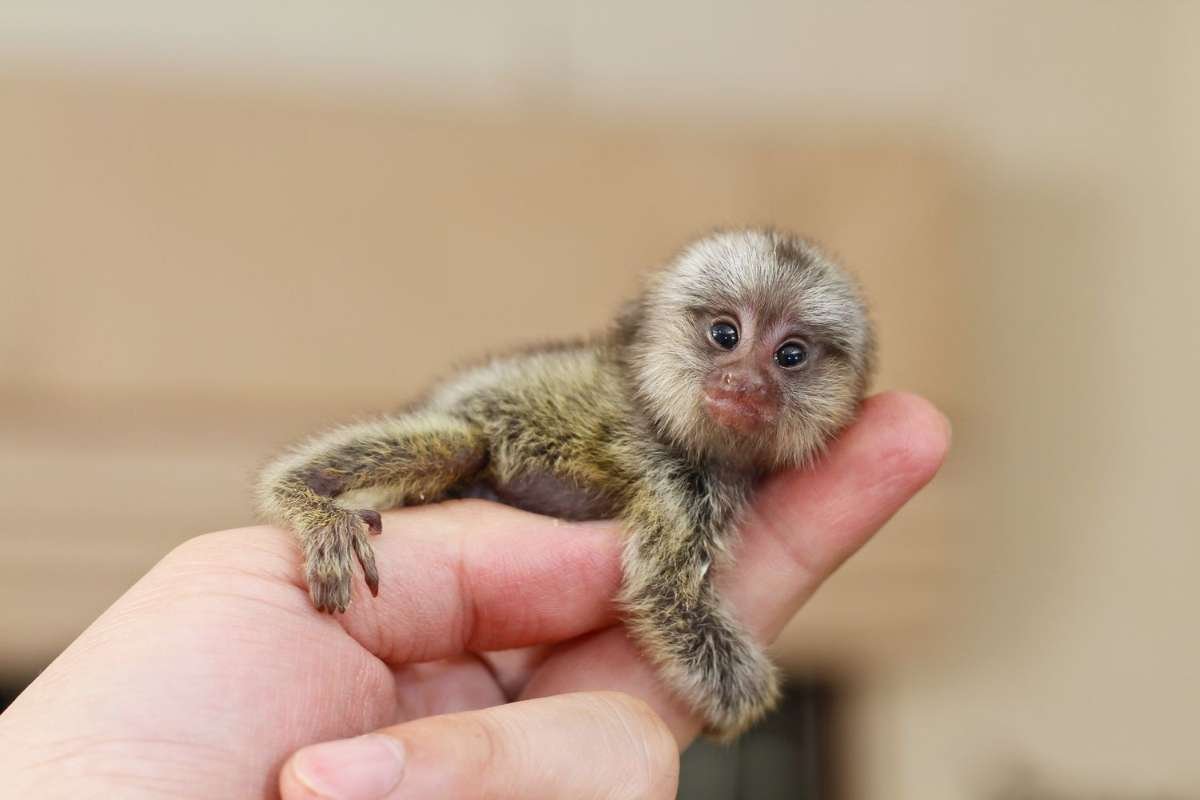
Consider a mammal that weighs less than a typical paperclip or a dime. The smallest mammals in the world have this paradoxical scale. Some of them weigh less than two grams. That is less than a teaspoon of sugar, according to sources like Guinness World Records. This amazing size pushes the boundaries of biology, necessitating an understanding of how these tiny creatures manage their hyperactive metabolisms and body heat.
These tiny monarchs, who are they? Are they small rodents, shrews, or bats? We explore the fascinating world of these micro-mammals. It includes the leading candidates for the title. We will learn how scientists measure their genuinely astounding sizes, their habitats, and their crucial. But frequently disregarded ecological roles. Prepare to meet the tiniest and most powerful competitors on the planet.
Defining the Smallest Mammals in the World:
It is surprisingly difficult to define the title of “Smallest Mammals in the world” because the winner depends solely on the metric employed. Two distinct species are frequently cited for the record by various sources, such as Wikipedia and Live Science.
The primary criteria for measurement are:
- Body Mass (Weight): Considered the most standard metric. The Etruscan Shrew is widely accepted as the smallest by weight, averaging about 1.8 grams.
- Head and Body Length: Measured from the tip of the nose to the base of the tail. Kitti’s Hog-nosed Bat (Bumblebee Bat) holds this record, measuring just 29–33 millimeters long.
- Skull Size: The Kitti’s Hog-nosed Bat also holds the record for the smallest skull of any mammal.
This list primarily ranks based on Body Mass (weight), but acknowledges the Kitti’s Hog-nosed Bat as the smallest by length and skull size, confirming both contenders for the title.
Real-World Observation:
Field researchers consistently note that studying the smallest mammals in the world is physically challenging. In cave surveys across Thailand and Myanmar. Biologists often locate Kitti’s hog-nosed bats only by sound. As the animals blend almost invisibly into limestone walls during daylight, they roost. Handling time is kept to a minimum. Because even brief stress can significantly affect their body temperature and metabolism.
Here is the List of the Top 15 Contenders for the Smallest Mammals in the World:
Here is the detailed breakdown of the world’s 15 smallest mammals, featuring their rank, scientific name, measurements, habitat, and a key biological or ecological note.
1. Etruscan Shrew (Suncus etruscus)
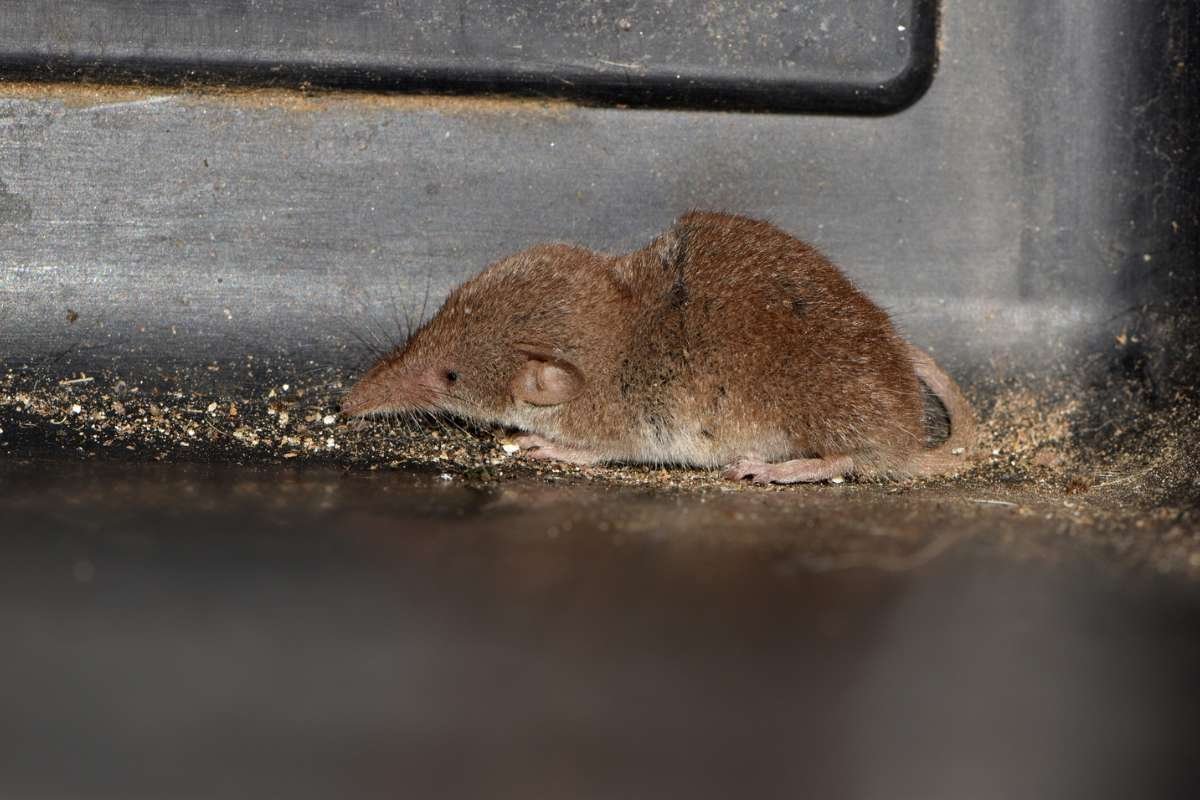
- Typical Weight: 1.5–2.5 g
- Typical Length (head–body): 35–48 mm
- Range / Habitat: Southern Europe, North Africa, and Southwest Asia (Mediterranean scrub and cultivated fields).
- Unique Adaptation / Note: The smallest mammal by mass; it has one of the highest metabolic rates of any animal, requiring it to eat its own body weight daily.
These tiny terror is globally recognized as one of the smallest mammals in the world. Because of their mass. Weighing as little as 1.5 grams. It is lighter than a single U.S. penny. Found across the Mediterranean region. This shrew compensates for its size with incredible speed. It is a relentless hunter, and its high surface-area-to-volume ratio gives it an extremely high metabolic rate. This forces it to eat roughly twice its own body weight every single day just to survive.
2. Kitti’s Hog-nosed Bat (Bumblebee Bat) (Craseonycteris thonglongyai)
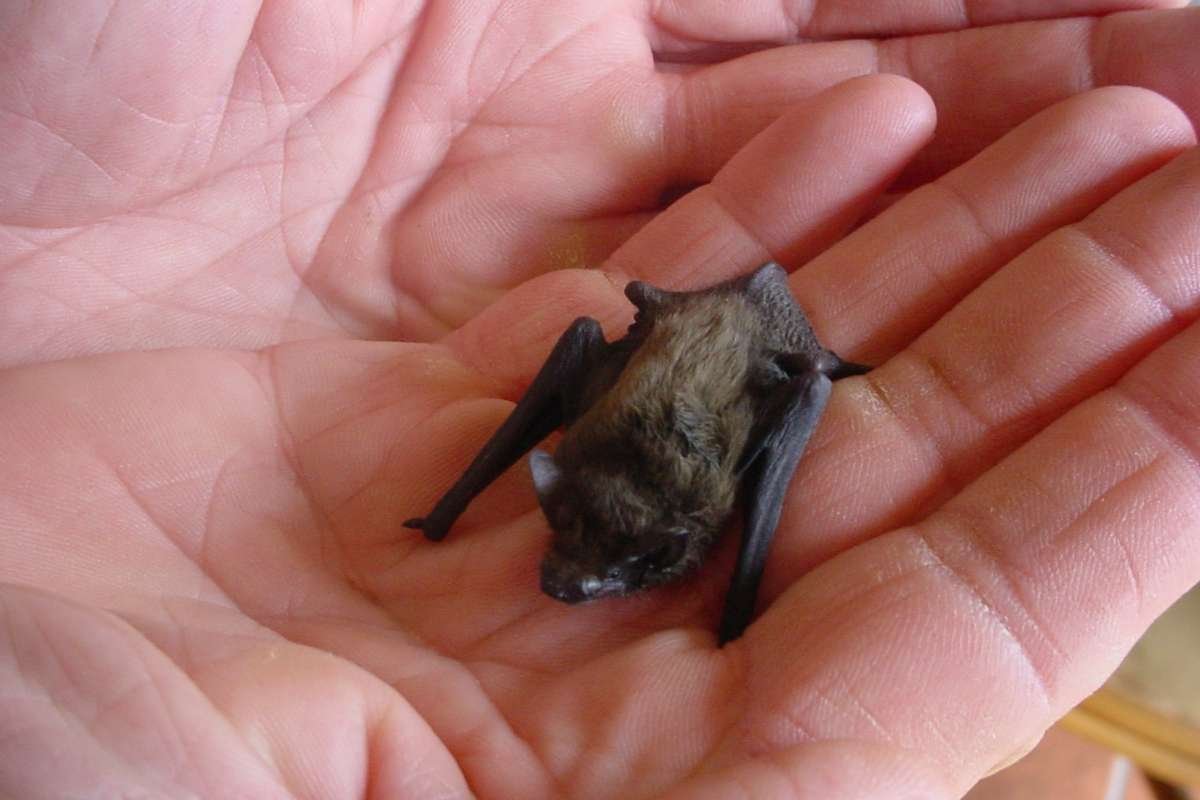
- Typical Weight: 1.7–2.0 g
- Typical Length (head–body): 29–33 mm
- Range / Habitat: Thailand and Myanmar (limestone caves).
- Unique Adaptation / Note: The smallest mammal by body length; it is also one of the world’s 12 rarest animals, often utilizing daily torpor.
If you measure by length, the Kitti’s Hog-nosed Bat is considered one of the smallest mammals in the world. Hailing from Thailand and Myanmar. Its head and body measure only 29 to 33 millimeters. It is the size of a large bumblebee. It spends its days roosting in limestone caves. And it is known for entering daily torpor, a short period of reduced metabolic activity, to conserve energy.
3. Pygmy Jerboa (Salpingotulus michaelis)
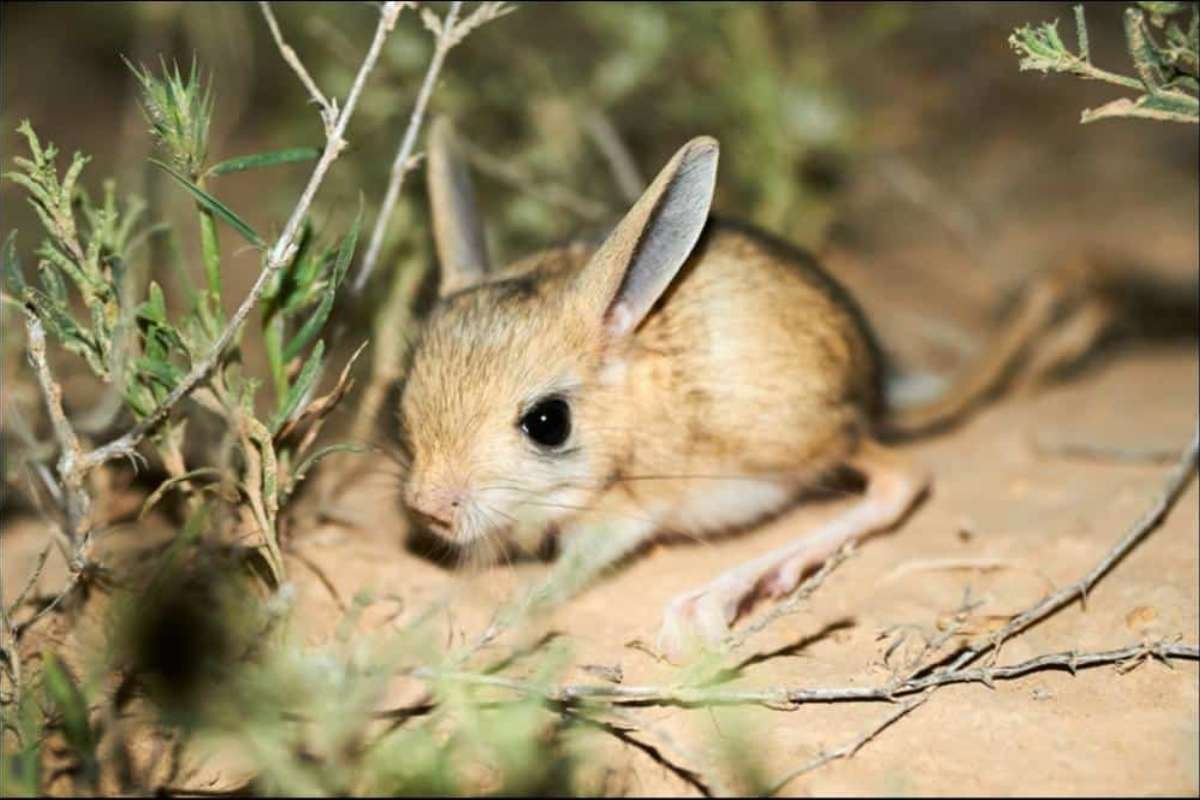
- Typical Weight: 3–3.75 g
- Typical Length (head–body): 40–50 mm
- Range / Habitat: Pakistan and Afghanistan (sandy deserts).
- Unique Adaptation / Note: Possesses disproportionately large hind legs for bipedal hopping (saltation) across arid landscapes.
This charismatic little rodent, native to the sandy deserts of Pakistan and Afghanistan. This is one of the smallest members of the rodent family. Weighing just 3–3.75 grams. It is defined by its massive hind legs. They are disproportionately large compared to its body. It uses these legs to hop rapidly across the desert floor. It is an adaptation called saltation that helps it escape predators and travel efficiently.
4. African Pygmy Mouse (Mus minutoides)
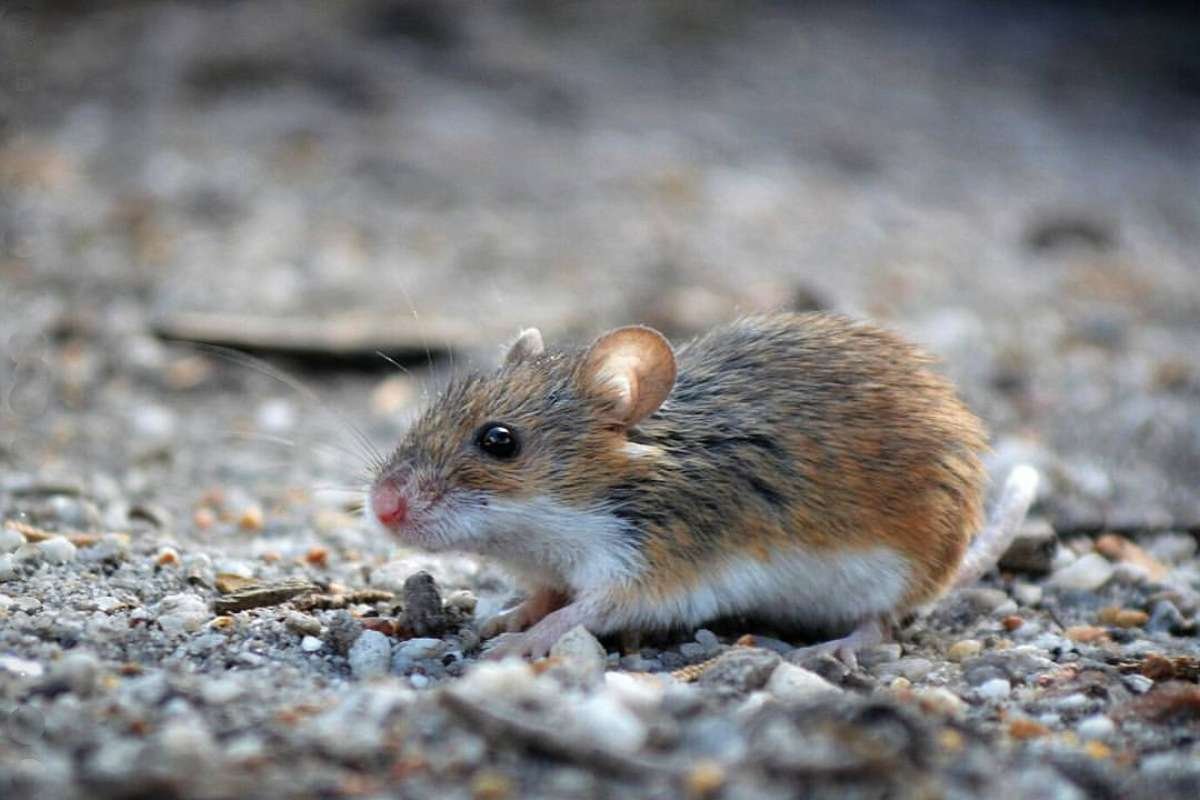
- Typical Weight: 3–12 g
- Typical Length (head–body): 45–80 mm
- Range / Habitat: Sub-Saharan Africa (savannah and grassland).
- Unique Adaptation / Note: Known for drinking very little water, relying almost entirely on moisture from its food.
They are found across Sub-Saharan Africa. This mouse is considered one of the smallest true rodents. It is incredibly robust despite its tiny size. Often weighing 7 grams or less. It thrives in dry environments by possessing a remarkable ability to conserve water. They often rely solely on the moisture they obtain from seeds and other food sources rather than drinking free water.
5. Long-tailed Planigale (Planigale ingrami)
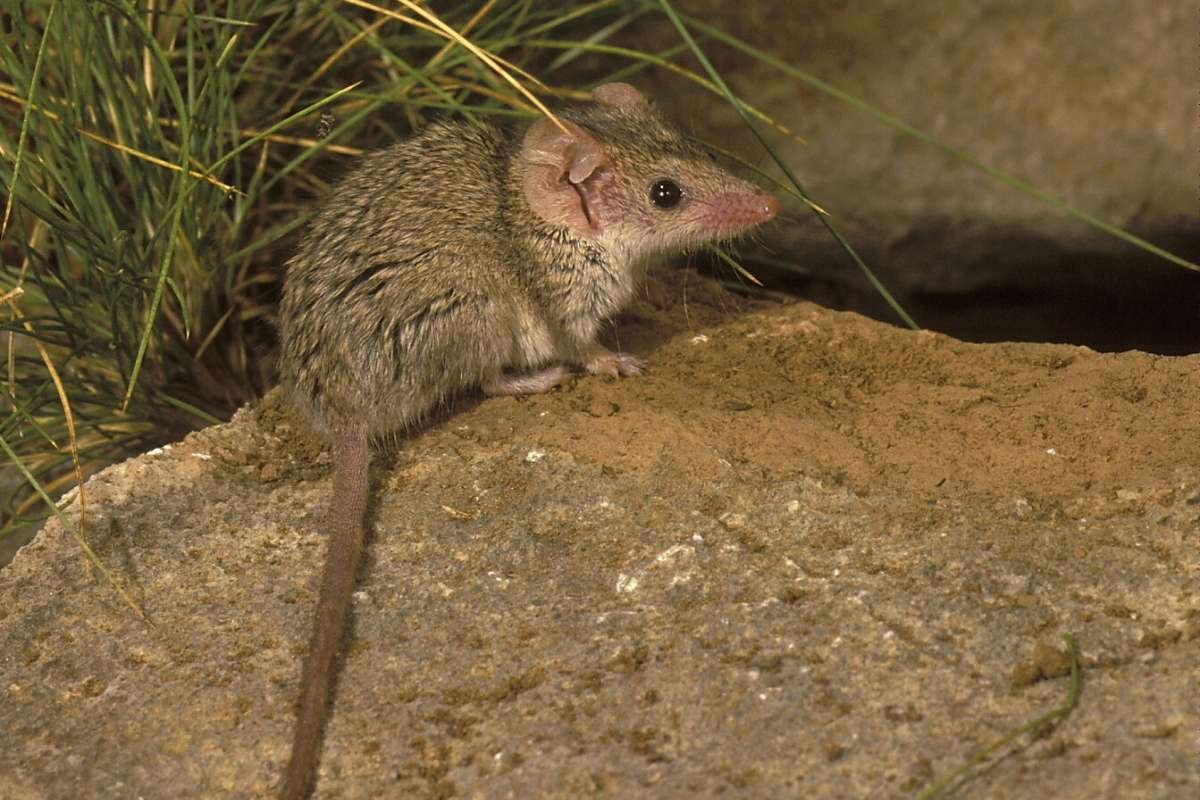
- Typical Weight: 4.2–6 g
- Typical Length (head–body): 50–65 mm
- Range / Habitat: Northern Australia (grasslands and savannah).
- Unique Adaptation / Note: The smallest marsupial; its distinctively flat head allows it to squeeze into soil cracks to hunt insects.
This creature holds the distinct title in the list of the smallest mammals in the world. They are found in Northern Australia. It is an astonishingly small predator. Its most unique feature is its flattened, triangular skull. This is an adaptation that allows it to slip into narrow cracks in dried-out clay soil to pursue its insect prey.
6. Narrow-nosed Planigale (Planigale tenuirostris)
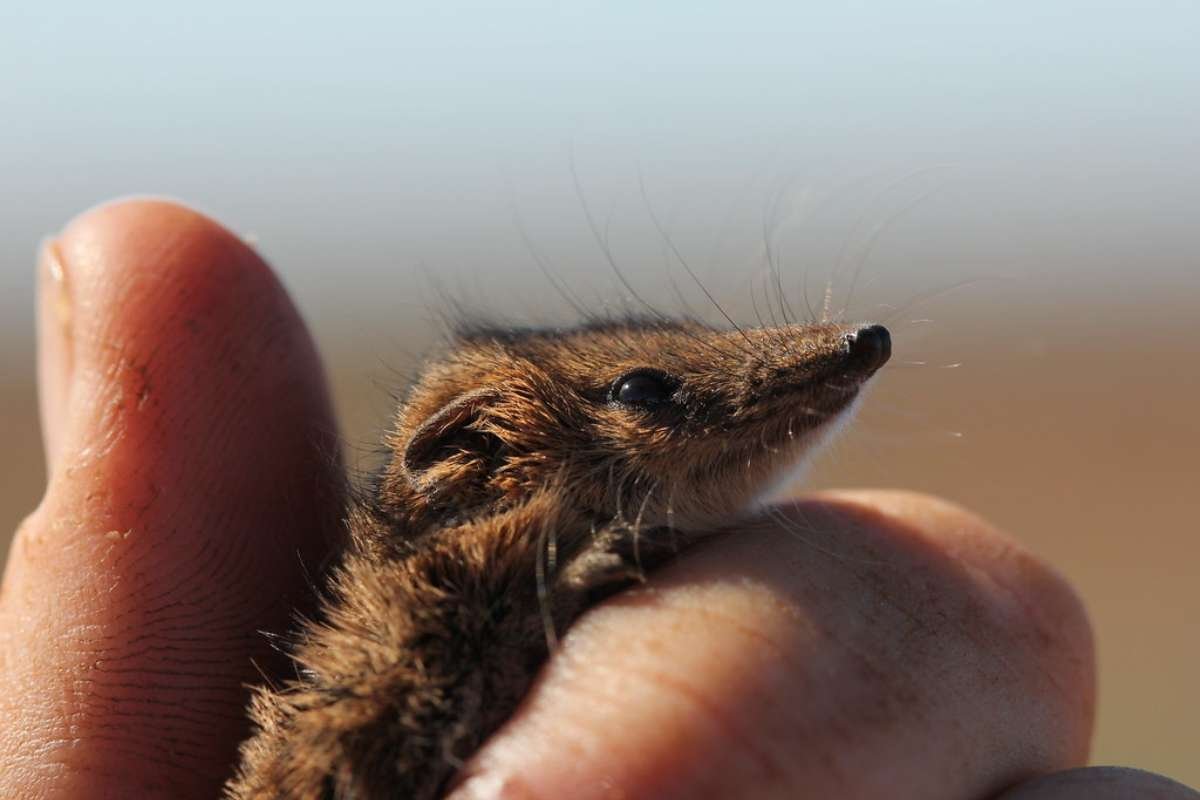
- Typical Weight: 4–7 g
- Typical Length (head–body): 50–75 mm
- Range / Habitat: Eastern Australia (semi-arid zones).
- Unique Adaptation / Note: Like other planigales, it is a fierce, tiny insectivore that uses environmental crevices for camouflage and hunting.
A close relative of the long-tailed species. The narrow-nosed planigale inhabits the semi-arid regions of Eastern Australia. Like the other planigales, it is a ferocious hunter. They use their minute size to their advantage. This helps in navigating densely packed grass and soil crevices to ambush small invertebrates.
7. Pygmy Possum (Cercartetus spp.) (e.g., C. lepidus)
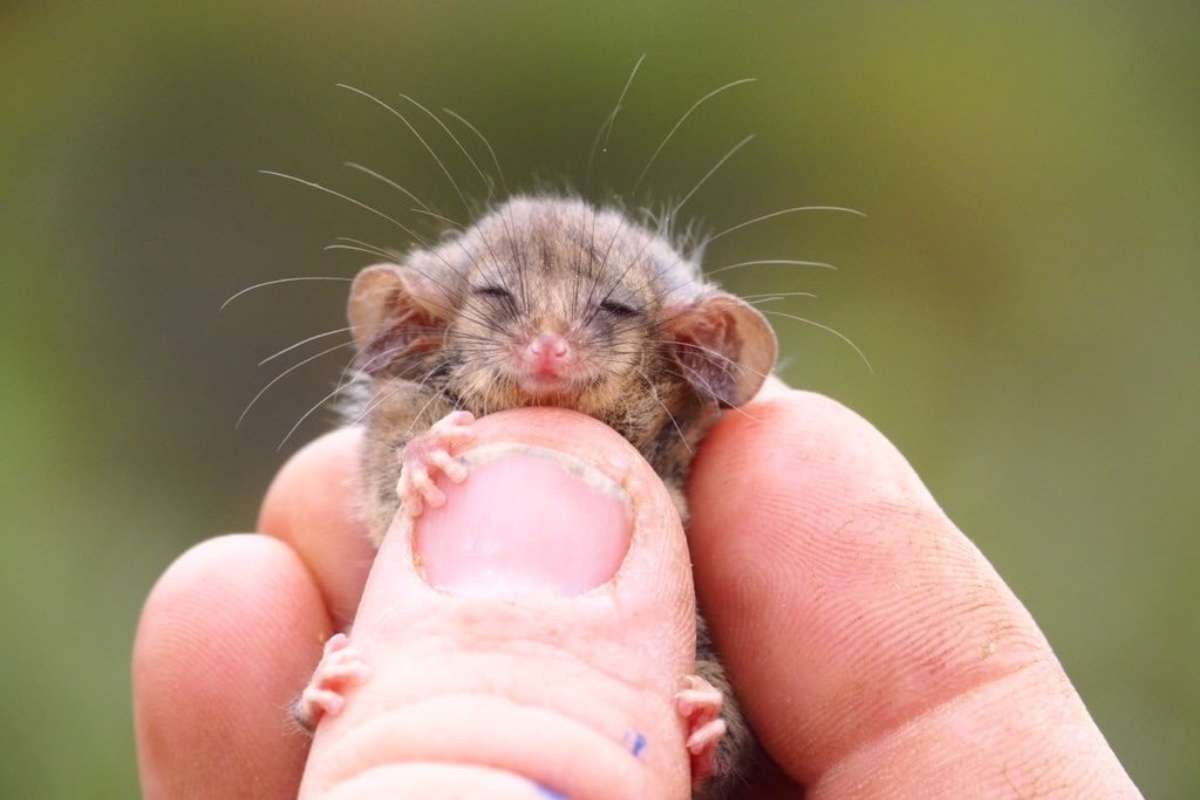
- Typical Weight: 6–80 g (varies by species, C. Lepidus is the smallest)
- Typical Length (head–body): 50–110 mm
- Range / Habitat: Australia, Tasmania, and New Guinea (forests and shrubland).
- Unique Adaptation / Note: Can enter a state of torpor (deep sleep) for extended periods to conserve energy during cold or dry weather.
This refers to a group of small marsupials, with the Tasmanian Pygmy Possum (C. Lepidus) being among the smallest. These nocturnal, tree-dwelling marsupials have prehensile tails and are excellent climbers. A key survival strategy for the Pygmy Possum is torpor, where it can shut down its metabolism for days or weeks during periods of food scarcity or cold.
8. Least Weasel (Mustela nivalis)
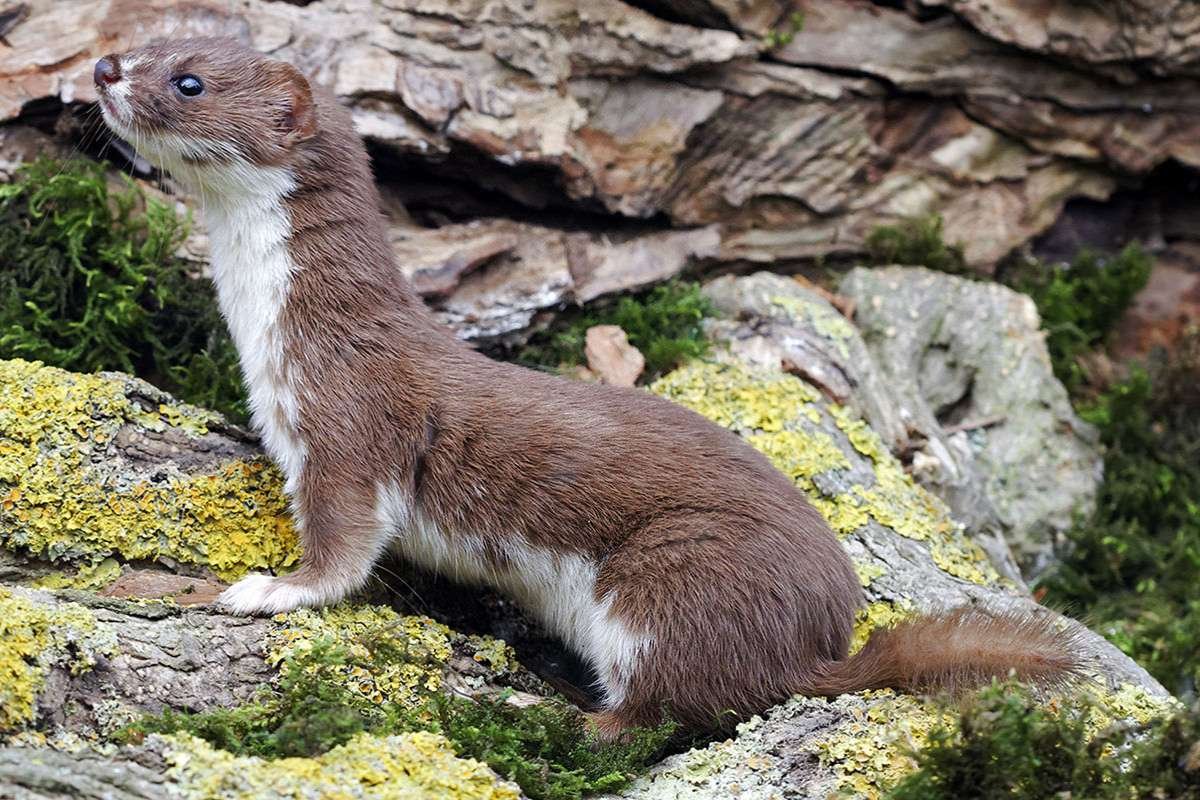
- Typical Weight: 25–250 g (females are much smaller)
- Typical Length (head–body): 110–260 mm
- Range / Habitat: North America, Eurasia, and North Africa (diverse habitats).
- Unique Adaptation / Note: The smallest true carnivore (Order Carnivora); its long, slender body is highly adapted for pursuing rodents into their narrow burrows.
The Least Weasel holds the record as one of the smallest mammals in the world. They belong to the Order Carnivora. While its length can be deceiving, the females of this species are extremely slender and light, weighing as little as 25 grams. Its long, thin body is perfectly adapted for hunting small rodents by following them directly into their underground burrows.
9. American Shrew Mole (Neurotrichus gibbsii)
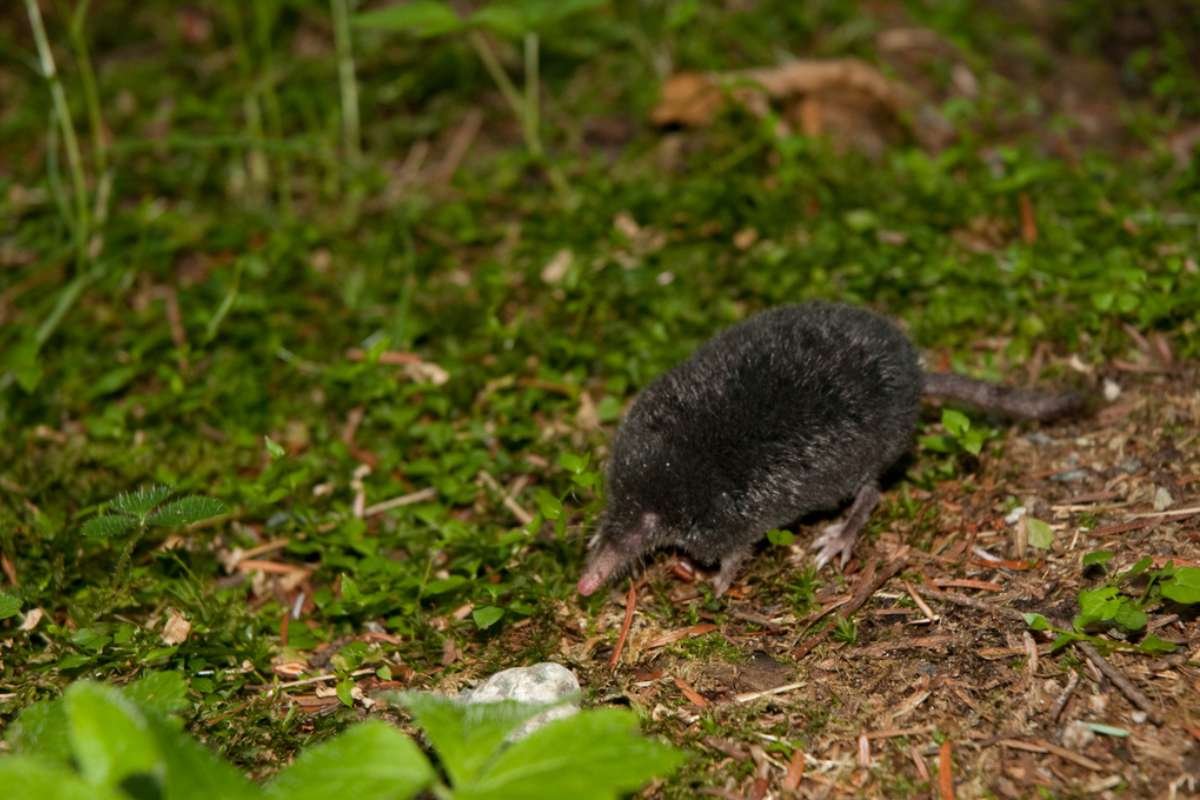
- Typical Weight: 9–11 g
- Typical Length (head–body): 69–84 mm
- Range / Habitat: Pacific Northwest of North America (damp forests).
- Unique Adaptation / Note: Unlike most moles, it spends significant time foraging above ground, and has a prehensile snout used for feeling.
This is the smallest of all North American moles. Living in the damp forests of the Pacific Northwest. It is unique among moles because it spends a considerable amount of time foraging above ground in leaf litter. Unlike many of its strictly subterranean cousins. Its small size allows it to move easily between its tunneling and surface activities.
10. Brooke’s House Shrew (Suncus hosei)
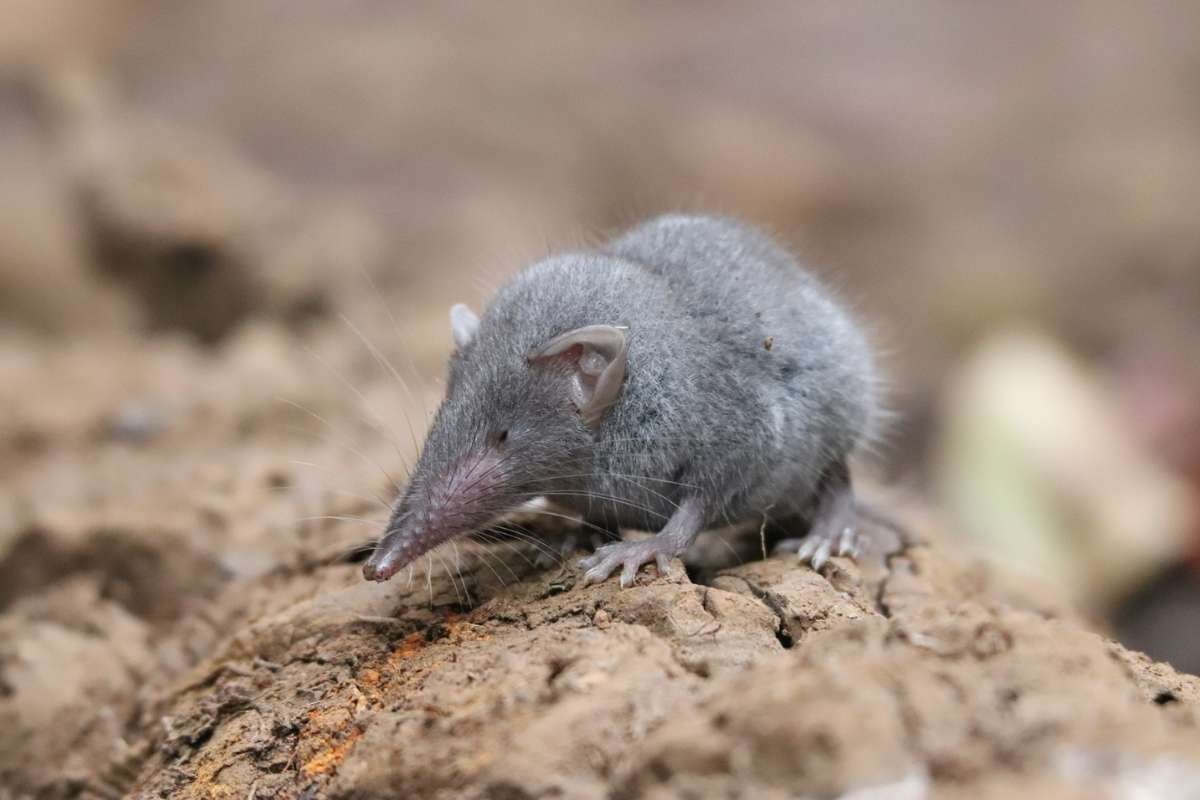
- Typical Weight: 2–4 g
- Typical Length (head–body): 45–55 mm
- Range / Habitat: Borneo (various lowland habitats).
- Unique Adaptation / Note: Another incredibly small member of the Suncus genus, living a fast-paced, insectivorous lifestyle typical of shrews.
Another tiny contender for the list of the smallest mammals in the world. They belong to the Suncus genus. Hailing from the island of Borneo. Weighing a mere 2 to 4 grams. It shares the hyperactive, insect-devouring lifestyle of its more famous relative, the Etruscan Shrew.
Read Next:
- The Science of Small: What the 15 World’s Smallest Animals Teach Us About Evolution
- Largest Living Things on the Planet: Exploring Nature’s Record-Breaking Giants
11. Madame Berthe’s Mouse Lemur (Microcebus berthae)
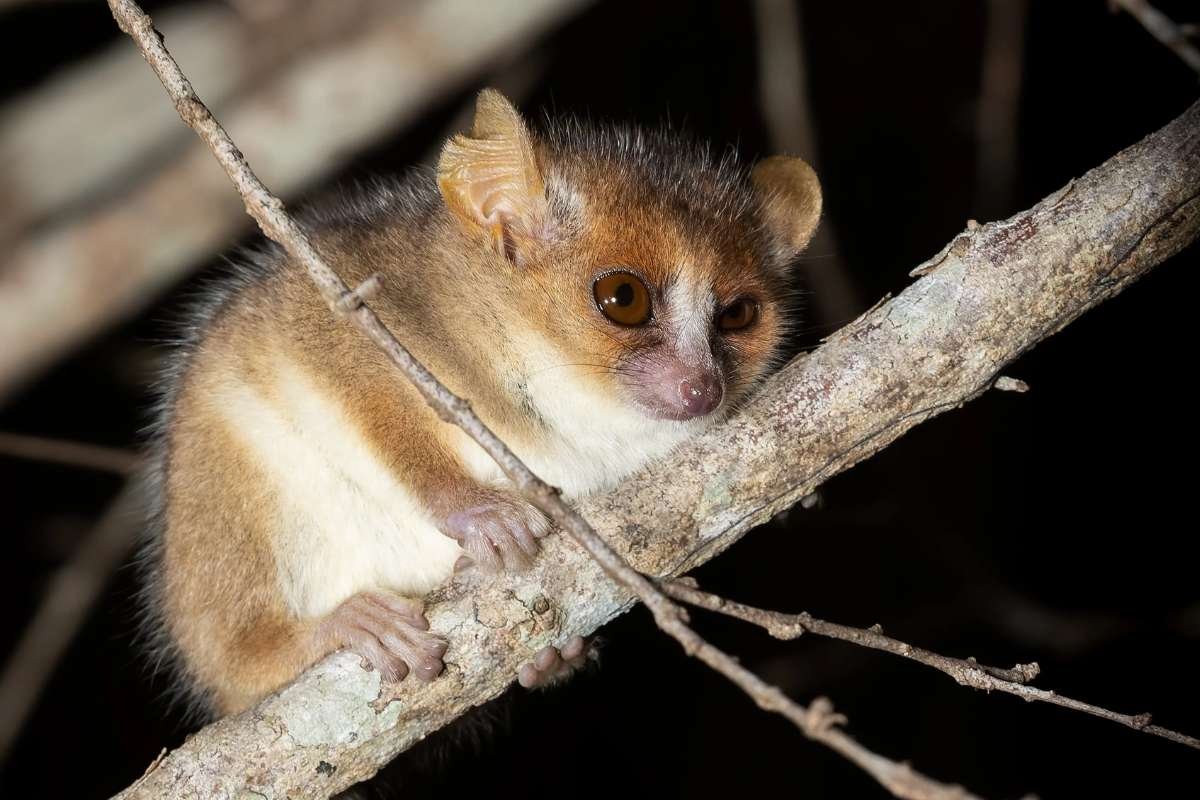
- Typical Weight: ~30 g
- Typical Length (head–body): 92 mm
- Range / Habitat: Madagascar (Kirindy Forest).
- Unique Adaptation / Note: The smallest primate in the world; it stores fat in its tail for use during dry periods.
This incredible creature is the smallest mammals in the world. Endemic to the Kirindy Forest in Madagascar. This lemur weighs only about 30 grams. It has large eyes for nocturnal life and relies on the forest canopy. A major survival tactic is storing large amounts of fat in its tail to draw upon during the dry, cold season.
12. Inland Ningaui (Ningaui ridei)
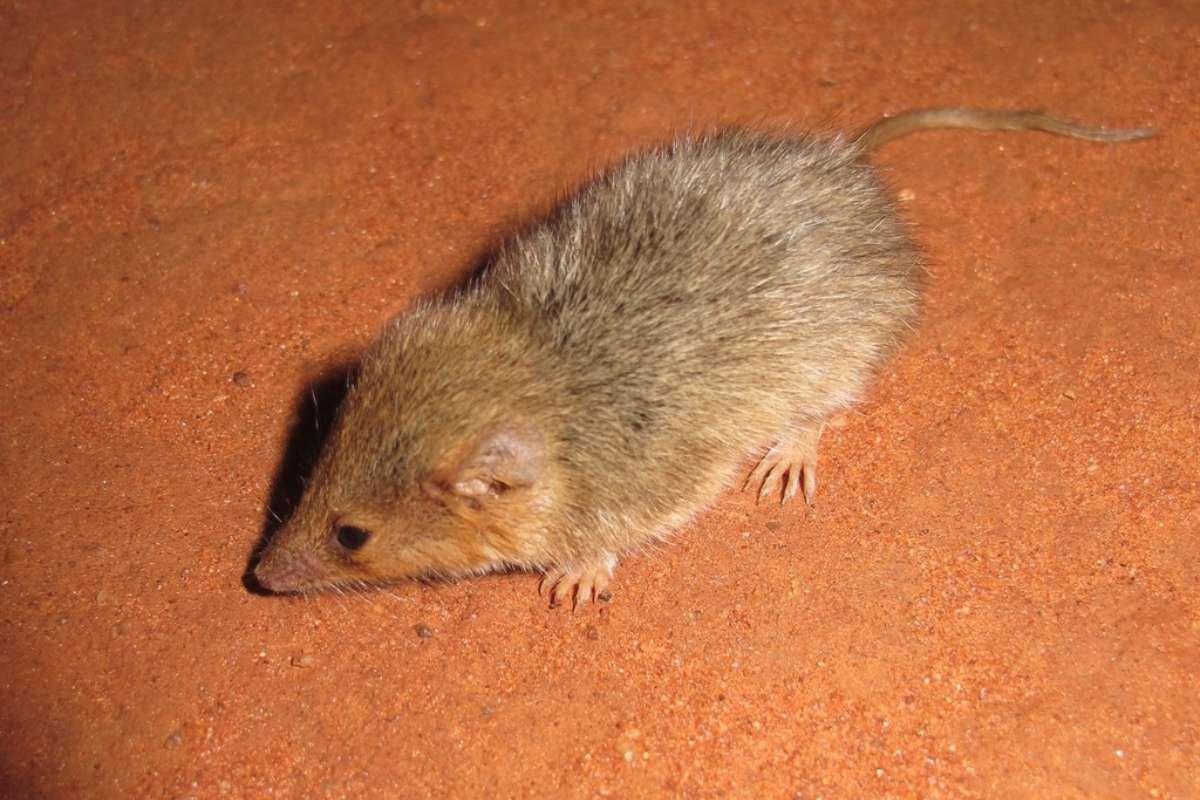
- Typical Weight: 5–10 g
- Typical Length (head–body): 46–57 mm
- Range / Habitat: Arid and semi-arid central Australia (spinifex grasslands).
- Unique Adaptation / Note: A small marsupial predator with a semi-prehensile tail, preying on insects and small vertebrates.
The Inland Ningaui is another tiny. A carnivorous marsupial from the arid center of Australia. These hunters use their small size and sharp teeth to capture insects and other small invertebrates. They hide in the spinifex grasslands. It represents a key ecological niche among the smallest mammals in the world. They control insect populations in harsh climates.
13. Northern Short-tailed Shrew (Blarina brevicauda)
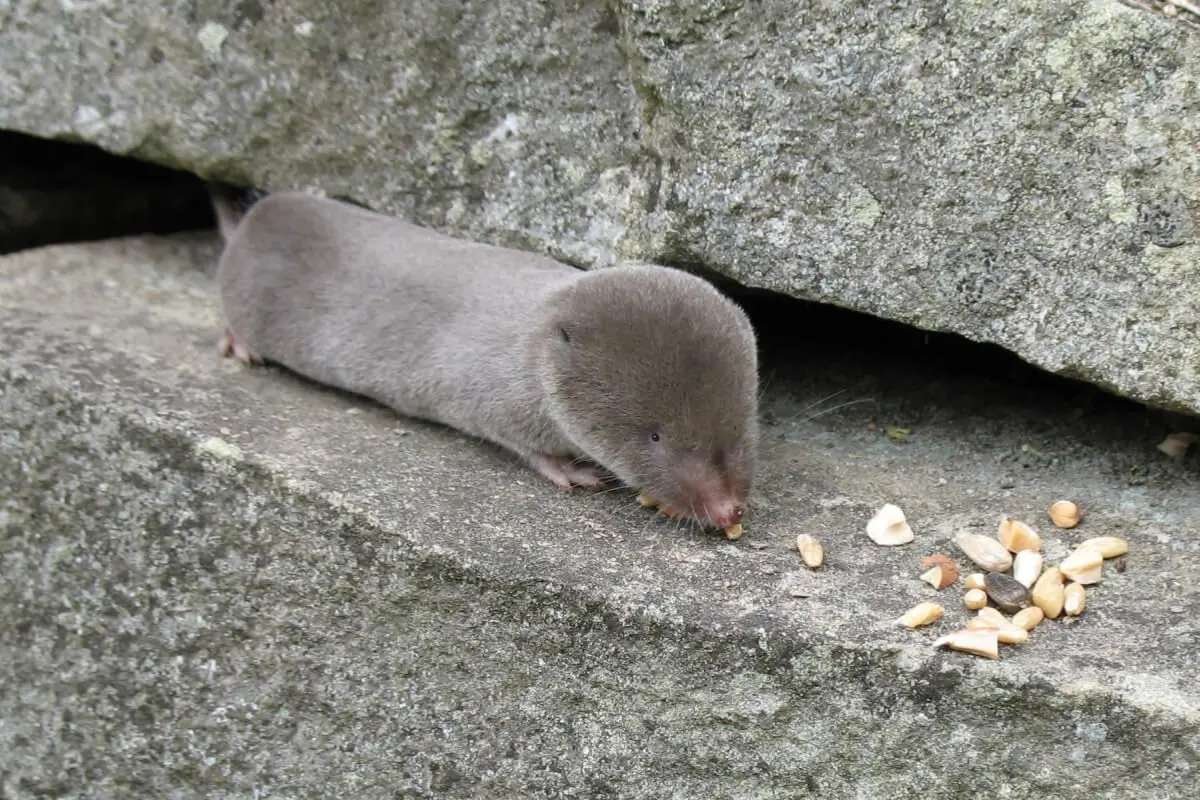
- Typical Weight: 15–30 g
- Typical Length (head–body): 75–105 mm
- Range / Habitat: Eastern North America (forests, marshes).
- Unique Adaptation / Note: One of the few venomous mammals; it uses a neurotoxic venom delivered through grooved incisors to immobilize its prey.
While heavier than the top-ranked shrews. This mammal from Eastern North America makes the list for its notoriety. It is one of the few venomous mammals in the world. They are capable of injecting a neurotoxin through their grooved incisors. This helps to paralyze earthworms and insects, allowing them to cache food for later.
14. Pygmy Marmoset (Cebuella pygmaea)
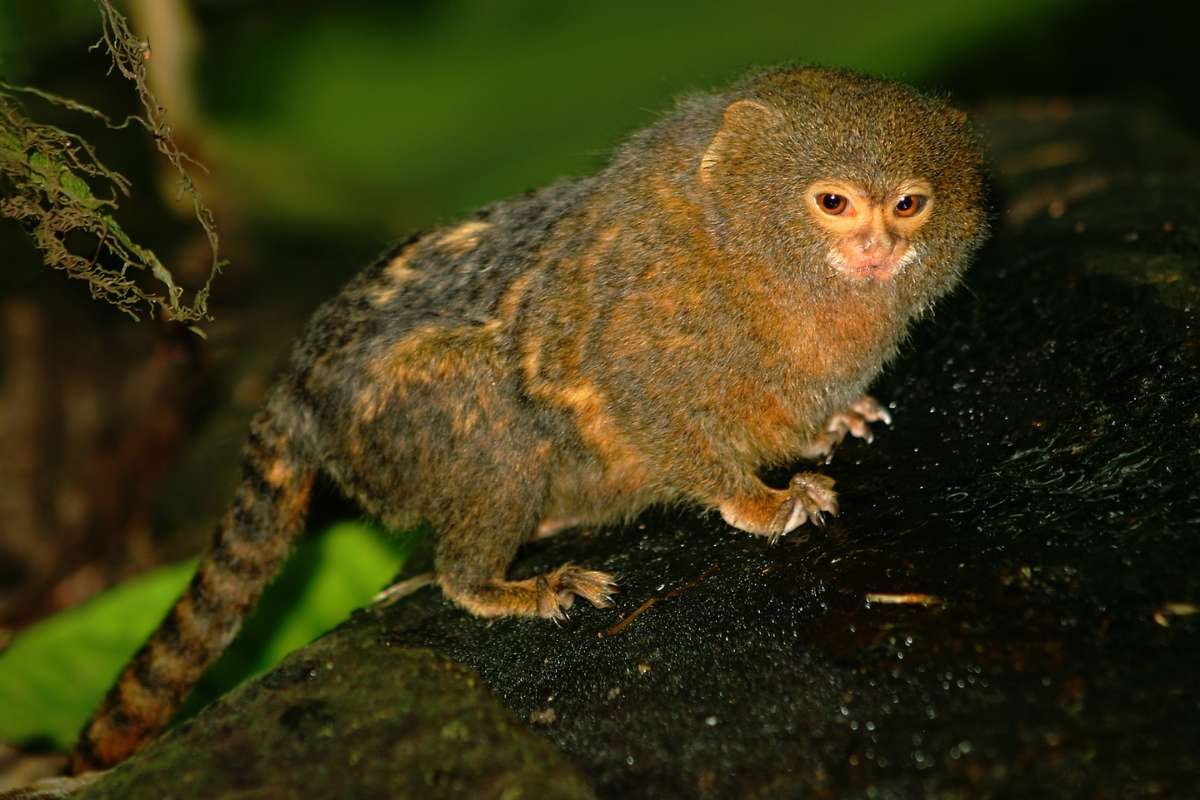
- Typical Weight: 100–150 g
- Typical Length (head–body): 120–150 mm (12–15 cm)
- Range / Habitat: Western Amazon Basin (rainforests of Brazil, Peru, Ecuador, Colombia).
- Unique Adaptation / Note: The smallest monkey; it specializes in feeding on tree gum and sap, which it extracts by gnawing holes in the bark.
Holding the record as the smallest monkey in the world. The Pygmy Marmoset is found in the Amazon basin. It weighs between 100 and 150 grams and lives in small family groups. Its highly specialized diet relies heavily on tree gum and sap, which it obtains by gnawing small holes in tree bark using specialized teeth.
15. Pygmy Rabbit (Brachylagus idahoensis)
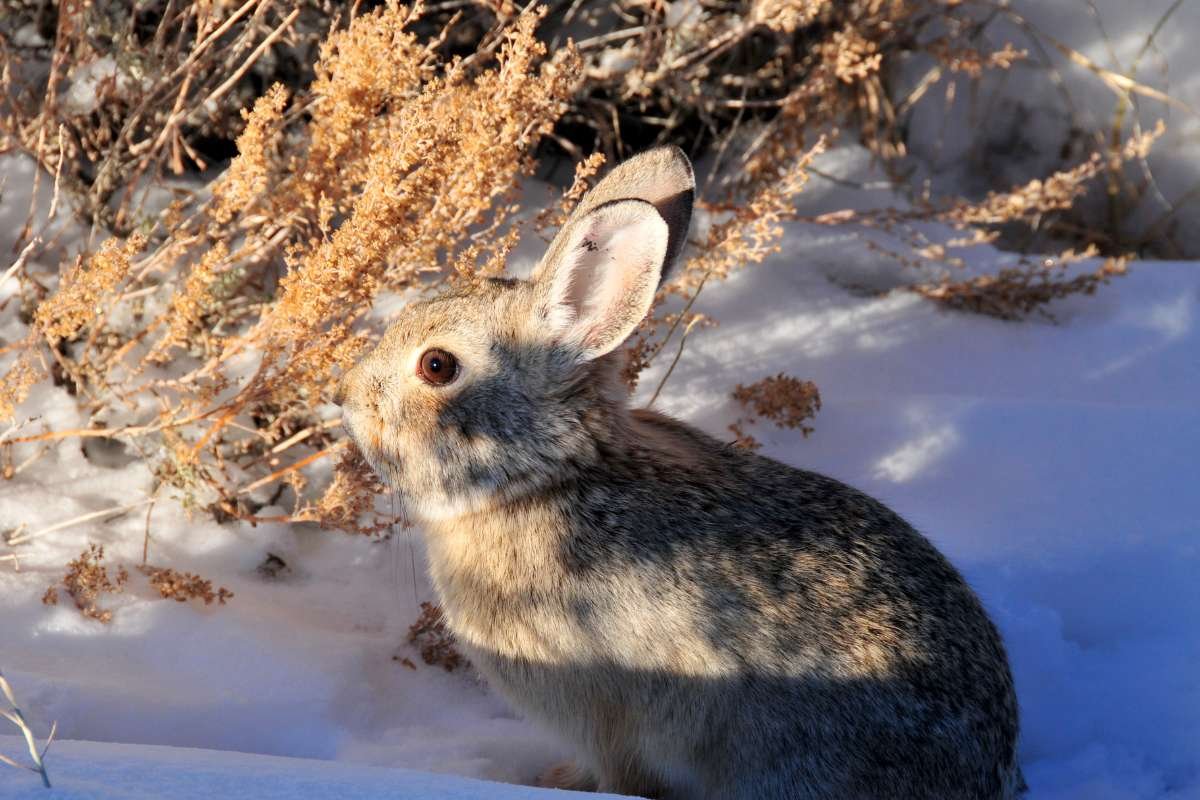
- Typical Weight: 375–500 g
- Typical Length (head–body): 230–300 mm (23–30 cm)
- Range / Habitat: Western North America (sagebrush steppe).
- Unique Adaptation / Note: Unlike most North American rabbits, it is one of only two rabbit species that dig their own burrows
Found in the sagebrush steppe of the western United States. This species is the smallest rabbit in North America. While relatively large compared to the shrews and bats on this list (375–500 grams). It is tiny compared to other lagomorphs. Uniquely, it is one of the only two rabbit species that actively digs its own burrows, relying heavily on the sagebrush both for cover and as a primary food source.
Ecological Importance of the Smallest Mammals
“Tiny mammals are often overlooked in conservation planning, yet their ecological role is massive. Protecting these species safeguards insect control, soil health, and entire food chains.” Explains a wildlife conservation researcher.
The Smallest Mammals in the World are crucial ecological components despite their tiny size. They are vital to the upkeep of healthy ecosystems. But they are frequently invisible. Because they consume enormous quantities of arthropods every day. Shrews and small bats like the Bumblebee Bat are essential for controlling insect populations. In disturbed soils, a variety of small rodents and marsupials are essential seed dispersers, caching seeds that aid in plant life regeneration and pioneer succession. By burrowing, moles considerably increase soil aeration.
These animals are at the base of the food chain. They are vital prey for a wide range of larger predators. Including snakes and raptors, as The Guardian and conservation organizations stress. Many species are at risk. Due to habitat loss brought on by development and agriculture. This is raising serious conservation concerns. Habitat degradation continues to be the main threat to many of the smallest mammals in the world. Researchers advise concentrating efforts based on the IUCN Red List pages.
Conclusion
The world of small mammals in the world is truly amazing. It stretches from the hyperactive, gram-sized Etruscan Shrew to Madame Berthe’s Mouse Lemur, the tiniest primate. By maintaining incredibly quick metabolisms or having special adaptations. Like venom or bipedal hopping to survive. These micro-monarchs defy biological odds. They serve as essential insect controllers, seed dispersers, and foundational prey. They show that ecological significance is not determined by size. Their very existence serves as a reminder that the most remarkable achievements of nature frequently come in the tiniest, most delicate packages. To maintain the diversity and health of our world’s ecosystems. We must safeguard these tiny titans.
FAQ:
1. Where do the smallest mammals in the world live?
Most of the smallest mammals live in warm regions with abundant food. Bumblebee bats are found in Thailand and Myanmar. While Etruscan shrews inhabit parts of Southern Europe, North Africa, and Asia.
2. How do such tiny mammals survive in the wild?
Small mammals survive through extremely high metabolic rates, rapid heartbeats, and frequent feeding. Some species enter short periods of torpor to conserve energy when food is scarce.
3. Are the smallest mammals endangered?
Some species, including the bumblebee bat. They are considered near-threatened or vulnerable. Due to habitat loss, cave disturbance, and human activity. Conservation efforts focus on protecting habitats rather than captivity.