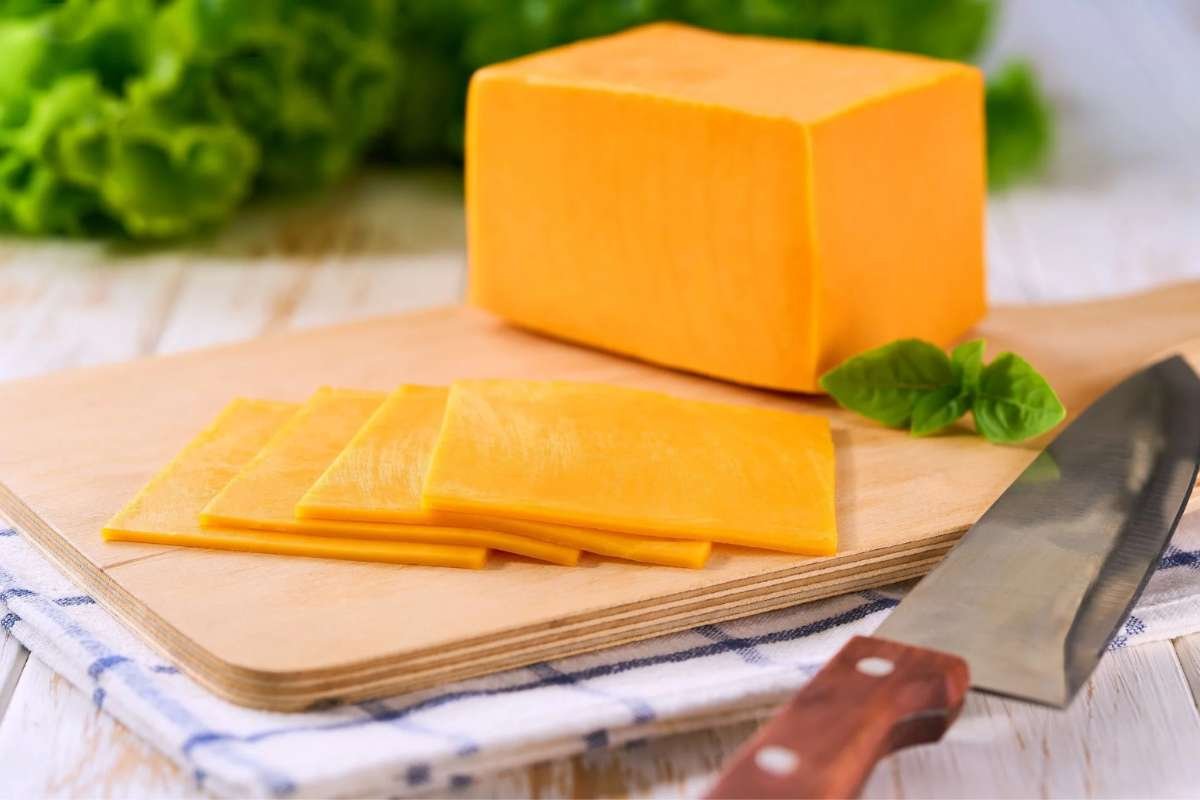
Eating higher amounts of full-fat cheese and cream is linked to a reduced risk of dementia, according to a long-term Swedish study adding to growing research on high-fat cheese and lower risk of dementia. Researchers stress the findings show an association, not direct cause.
Study Tracks Diet and Dementia Over Decades
Researchers analyzed dietary and health data from 27,670 adults in Sweden, with an average starting age of fifty-eight, according to findings published in the journal Neurology by the American Academy of Neurology.
Participants were followed for an average of twenty-five years, during which 3,208 people developed dementia. At the start, participants recorded their food intake for one week, answered questions about long-term eating habits and discussed food preparation with researchers.
The study examined links between different dairy products and dementia risk, adjusting results for age, sex, education level and overall diet quality.
“For decades, the debate over high-fat versus low-fat diets has shaped health advice, sometimes even categorizing cheese as an unhealthy food to limit,” said Emily Sonestedt, a nutrition epidemiologist at Lund University and the study’s lead author.
She emphasized the study does not prove high-fat dairy protects the brain but identifies patterns worth further investigation.
High-Fat Cheese Shows Strongest Association
Researchers compared people who consumed at least fifty grams of high-fat cheese daily with those who ate less than fifteen grams. High-fat cheese, defined as containing more than twenty percent fat, includes varieties such as cheddar, Brie and Gouda.
By the end of the study, ten percent of people in the higher-intake group developed dementia, compared with thirteen percent in the lower-intake group.
After adjustments, those who ate more high-fat cheese had a thirteen percent lower risk of developing dementia overall. The association was stronger for vascular dementia, with a twenty-nine percent lower risk among higher consumers.
The study also found a lower risk of Alzheimer’s disease among higher cheese consumers who did not carry the APOE e4 gene variant, a known genetic risk factor. No reduced risk was seen among carriers of that gene.
“Our study found that some high-fat dairy products may actually lower the risk of dementia, challenging some long-held assumptions about fat and brain health,” Sonestedt said.
Cream Linked to Lower Risk, Limits Remain
High-fat cream also showed a significant association. Researchers compared people who consumed at least twenty grams of high-fat cream daily with those who consumed none. High-fat creams typically contain thirty to forty percent fat and are sold as full-fat or regular versions.
Those who consumed high-fat cream daily had a sixteen percent lower risk of developing dementia after adjustments, the study found.
No associations were seen between dementia risk and low-fat cheese, low-fat cream, milk of any fat level, butter or fermented dairy products such as yogurt, kefir and buttermilk.
“These findings suggest that when it comes to brain health, not all dairy is equal,” Sonestedt said. “More research is needed to confirm our results and understand what may be driving these differences.”
Researchers noted key limitations. All participants were from Sweden, meaning results may not apply to other populations with different diets or food preparation habits. Sonestedt said cheese in Sweden is often eaten uncooked, while in countries such as the United States it is frequently heated or combined with meat.
The authors called for additional studies in other countries before dietary guidance can be reconsidered.
Source: https://abcnews.go.com/Health/high-fat-cheese-cream-linked-lower-risk-dementia/story?id=128462994
Visit The Lifesciences Magazine For The Most Recent Information.