Key Points:
- Saturated fat reduction mainly benefits high-risk adults, not low-risk individuals.
- Replacing saturated fat with polyunsaturated fats (PUFAs) gives the best results.
- Fat-reduction advice should focus on those with high cardiovascular risk.
Reducing saturated fat intake, or saturated fat reduction, lowers death risk among people with high cardiovascular risk, especially when replaced with polyunsaturated fats, but shows little benefit for low-risk adults, a major review reports.
A comprehensive review of randomized clinical trials finds that cutting saturated fat can reduce deaths and some heart-related events, but the benefit appears limited to people already at high risk for cardiovascular disease.
The analysis, published Tuesday in Annals of Internal Medicine, reviewed seventeen randomized trials involving 66,337 participants followed for at least two years. Researchers examined whether lowering saturated fat intake, or replacing it with other nutrients, affected mortality and cardiovascular outcomes.
Benefits Concentrated in High-Risk Patients
For individuals with a high risk of cardiovascular disease, saturated fat reduction was linked to lower all-cause mortality and possible reductions in deaths from cardiovascular causes. Evidence also suggested fewer nonfatal heart attacks and strokes in this group.
The authors reported that the certainty of the evidence ranged from low to moderate, but the pattern was consistent across multiple trials. “Reducing saturated fat intake may have important benefits for all-cause mortality,” the researchers wrote, noting similar findings for cardiovascular mortality and nonfatal myocardial infarction.
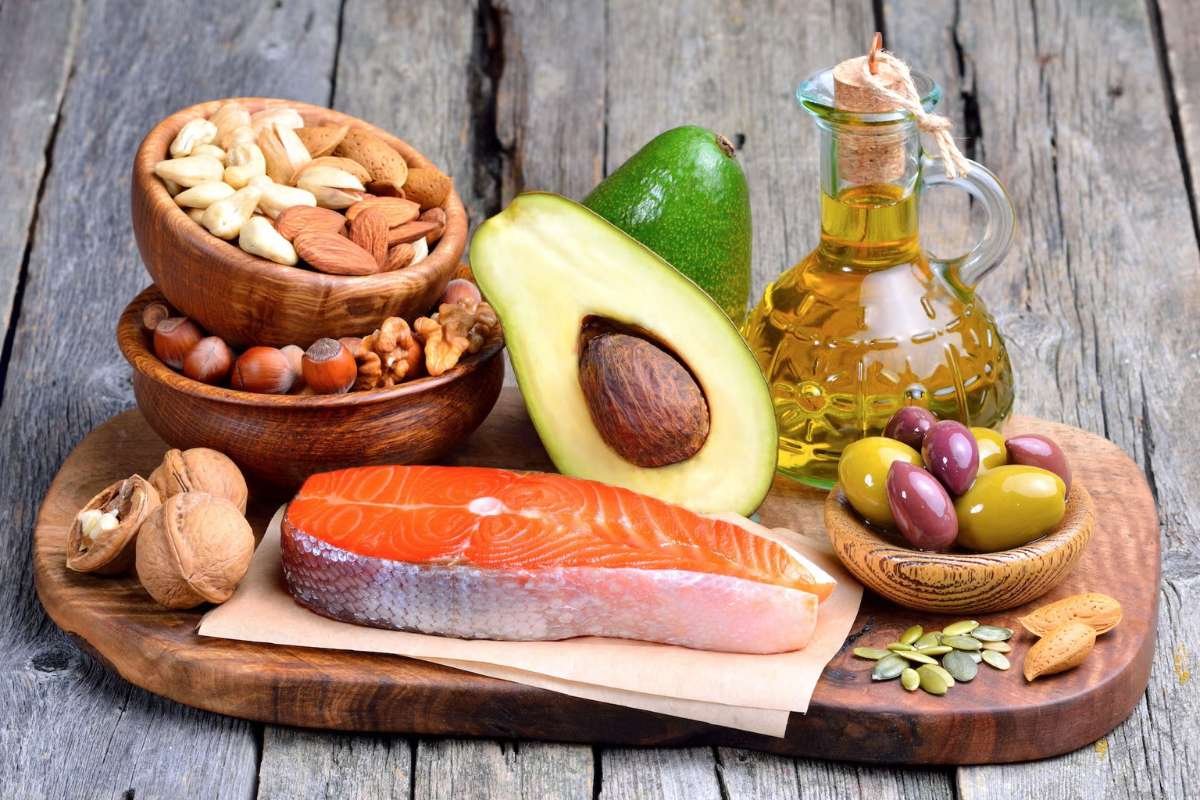
The most notable reductions were seen when saturated fats were replaced with polyunsaturated fats, or PUFA, rather than simply removed from the diet. That substitution was associated with meaningful absolute reductions in the risk of nonfatal heart attacks.
Total cholesterol and low-density lipoprotein cholesterol, often called LDL or “bad” cholesterol, declined overall when saturated fat intake was reduced, the review found. Those changes were more likely to translate into clinical benefits among people with existing cardiovascular risk factors.
Little Gain for Low- and Moderate-Risk Adults
In contrast, people at low to intermediate cardiovascular risk saw little or no benefit from saturated fat reduction over an average follow-up of five years. Absolute reductions in deaths or major cardiovascular events were not considered clinically important in this group.
“For low-risk individuals, absolute benefits were not important,” the authors wrote, suggesting that broad dietary advice may not deliver equal results across populations.
The findings challenge one-size-fits-all dietary recommendations and point toward a more targeted approach to fat reduction. Simply lowering saturated fat intake, without considering individual risk profiles, may not produce measurable health gains for most adults.
Implications for Diet Advice
The review was conducted by researchers from the University of Toronto, McMaster University, Texas A&M University and other institutions. It adds nuance to decades of debate over saturated fat and heart disease.
While saturated fat reduction has long been promoted to lower cholesterol, the authors emphasized that health outcomes matter more than laboratory markers alone. The results suggest that dietary changes may be most effective when directed toward people at greatest cardiovascular risk.
Replacing saturated fat with healthier fats, rather than with refined carbohydrates or other nutrients, may also be key. “PUFA replacement could enhance benefits,” the authors noted, particularly for preventing nonfatal heart attacks.
The researchers called for future trials to better define which populations benefit most and how dietary substitutions influence long-term outcomes. For now, the evidence supports prioritizing saturated fat reduction for patients with elevated cardiovascular risk rather than applying it universally.