Some astounding examples of biological scale can be found in the natural world, from massive sea creatures to towering trees. Blue whales and enormous redwoods are frequently thought of when people consider the Largest Living Things on the Planet. However, the reality is much more intriguing. Some of the largest organisms stretch vertically higher than skyscrapers, while others are dispersed over acres and concealed underground. The remarkable giants that rule our planet are examined in this article in terms of their size, weight, volume, and biological complexity.
Here is the List of the 9 Largest Living Things on the Planet:
1. The Blue Whale: The Largest Animal Ever Known
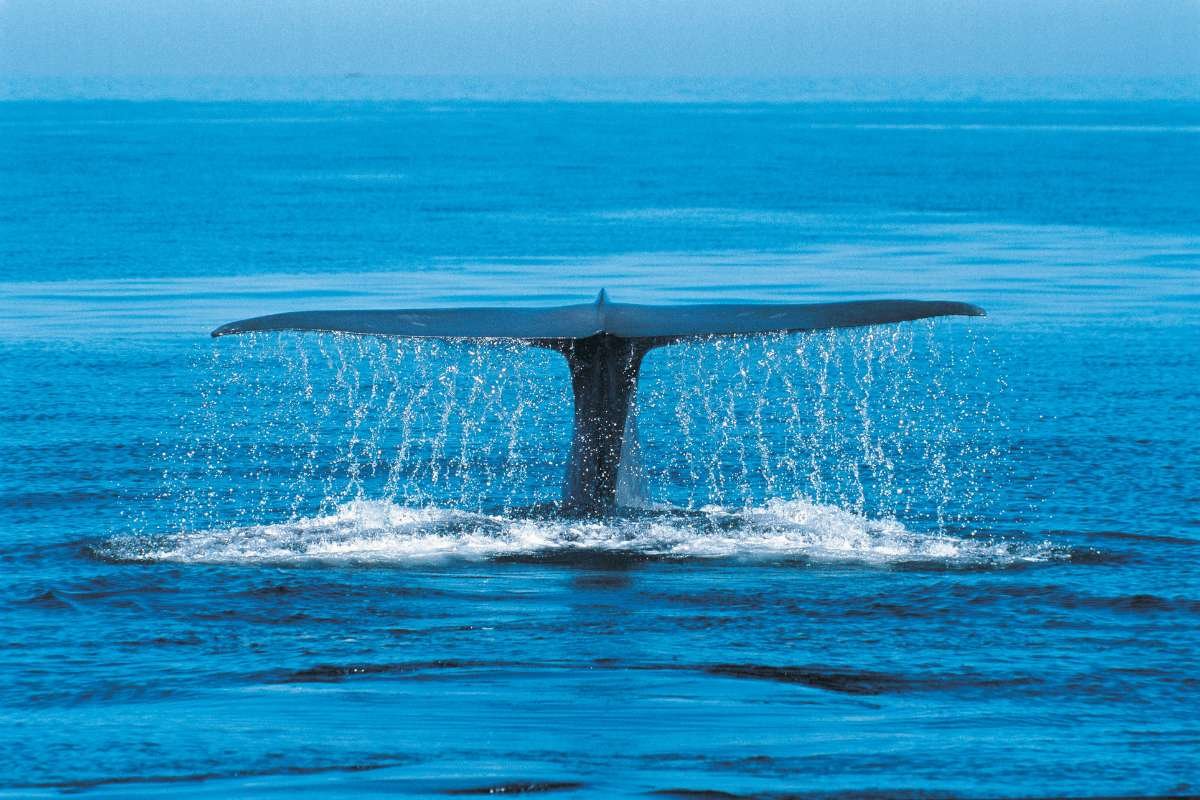
The blue whale (Balaenoptera musculus) is often the starting point when discussing the Largest Living Things on the Planet. This marine mammal is not only the largest animal alive today but also the largest to have ever existed on Earth’s history. A fully grown blue whale can reach lengths of up to 100 feet and weigh as much as 200 tons. Its heart alone is the size of a small car, capable of pumping nearly 58 gallons of blood with each beat.
Despite their massive size, blue whales feed almost exclusively on tiny krill, consuming up to 4 tons of them each day. Their presence is vital for ocean health, as their nutrient-rich waste fertilizes phytoplankton — the foundation of marine ecosystems.
2. Pando: The Trembling Giant You Can Walk Through
One of the most surprising contenders for the Largest Living Things on the Planet. It is a forest — or more accurately, a single organism disguised as a forest. Pando, located in Utah’s Fishlake National Forest, looks like thousands of quaking aspens. In reality, it is one genetically identical organism connected by a massive underground root system.
Spanning over 100 acres and weighing an estimated 6,000 tons, Pando is considered the heaviest known living organism on Earth. It is also incredibly ancient, with estimates suggesting it may be over 80,000 years old. Pando is a remarkable example of how the largest life isn’t always the most visible.
3. Armillaria Ostoyae: The Humongous Fungus
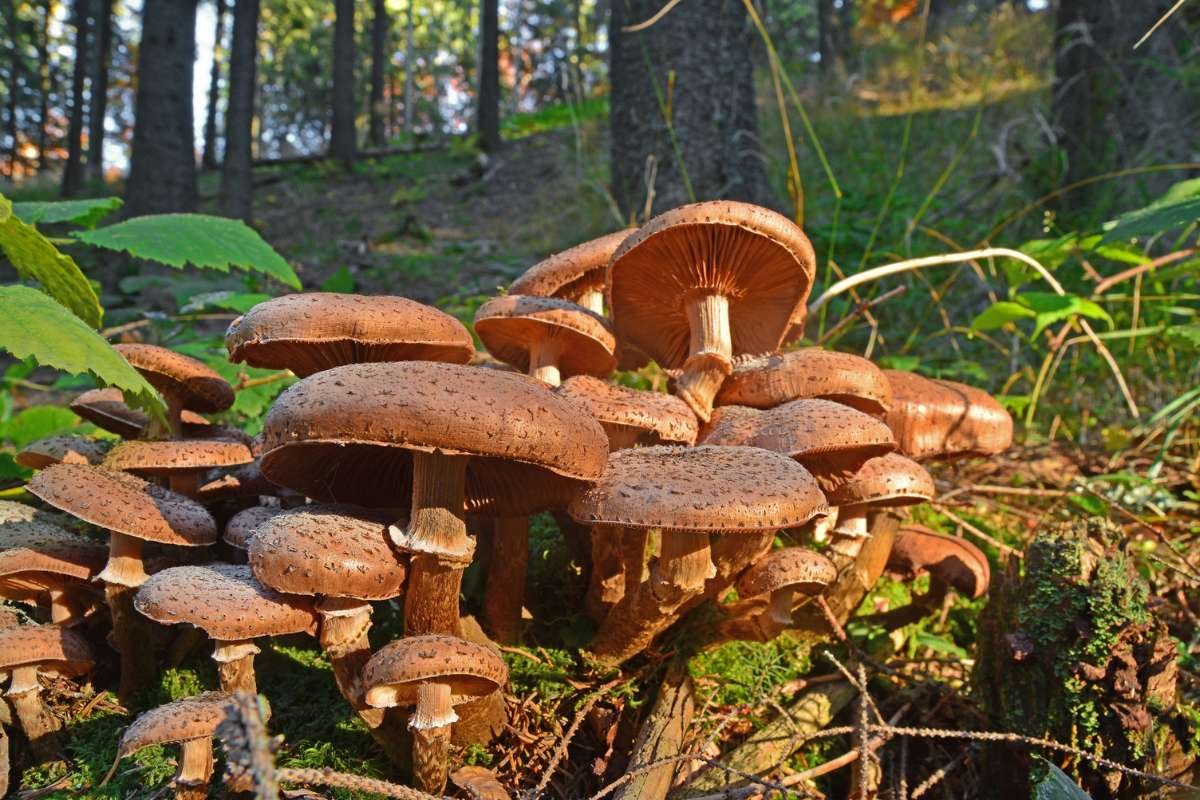
Hidden beneath the forests of Oregon lies another massive life form: Armillaria ostoyae, often referred to as the “Humongous Fungus.” Covering nearly 2,400 acres, this giant fungal network makes it one of the Largest Living Things on the Planet.
This organism is made up of a vast network of underground filaments called mycelium. Above ground, it produces small honey mushrooms, but underground, it forms an interconnected structure that slowly spreads by infecting trees. Scientists estimate its age to be between 2,000 and 8,500 years. Its enormous size challenges our traditional definitions of what a single organism can be.
4. General Sherman: The World’s Largest Tree by Volume
Located in California’s Sequoia National Park, the General Sherman tree holds the title of the world’s largest single-stem tree by volume. This giant sequoia towers 275 feet high and has a trunk volume of over 52,000 cubic feet. While it is not the tallest tree on Earth, its staggering mass makes it unparalleled among trees.
General Sherman is estimated to be between 2,300 and 2,700 years old — a living testament to nature’s durability. Its ability to withstand fires, droughts, and changing environments highlights the resilience found within Earth’s ancient giants.
5. The Great Barrier Reef: A Living Marine Superstructure
The Great Barrier Reef in Australia is often mistaken for a single organism, but it is actually the largest living structure composed of billions of tiny coral polyps. Stretching over 1,400 miles, it is visible from space and is one of the most vital ecosystems on Earth.
While not a single organism, the reef’s collective biological mass makes it relevant in discussions about the Largest Living Things on the Planet. The reef supports more than 9,000 known species and functions as a living, breathing entity that shapes the marine world around it.
6. Eucalyptus Regnans: The Tallest Flowering Plant
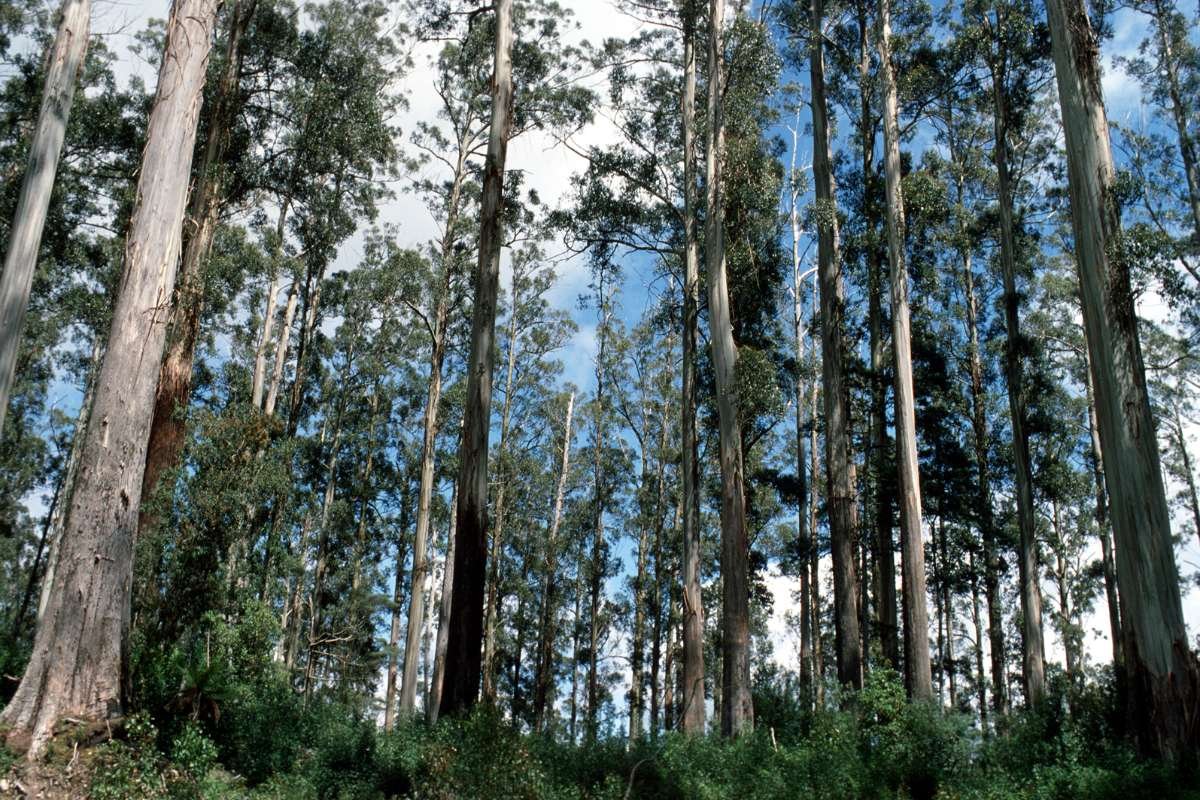
Commonly known as mountain ash, Eucalyptus regnans is the tallest flowering plant in the world. Some historical specimens are believed to have reached heights of up to 330 feet. Even today, several trees surpass 300 feet, rivaling the tallest conifers.
These towering giants thrive in southeastern Australia and play a crucial ecological role by providing habitat for local wildlife and storing massive amounts of carbon.
7. The Lion’s Mane Jellyfish: A Giant of the Open Ocean
The lion’s mane jellyfish (Cyanea capillata) holds the record for the longest-known animal on Earth. Its tentacles can stretch up to 120 feet long, making it one of the most remarkable contenders among the Largest Living Things on the Planet.
These jellyfish inhabit the cold waters of the Arctic and northern Atlantic. Their bell diameter can reach up to 8 feet, and their trailing tentacles create an otherworldly sight. Despite their beauty, these tentacles contain stinging cells that can deliver painful stings to humans.
8. Baobab Trees: Africa’s Giant Water Reservoirs
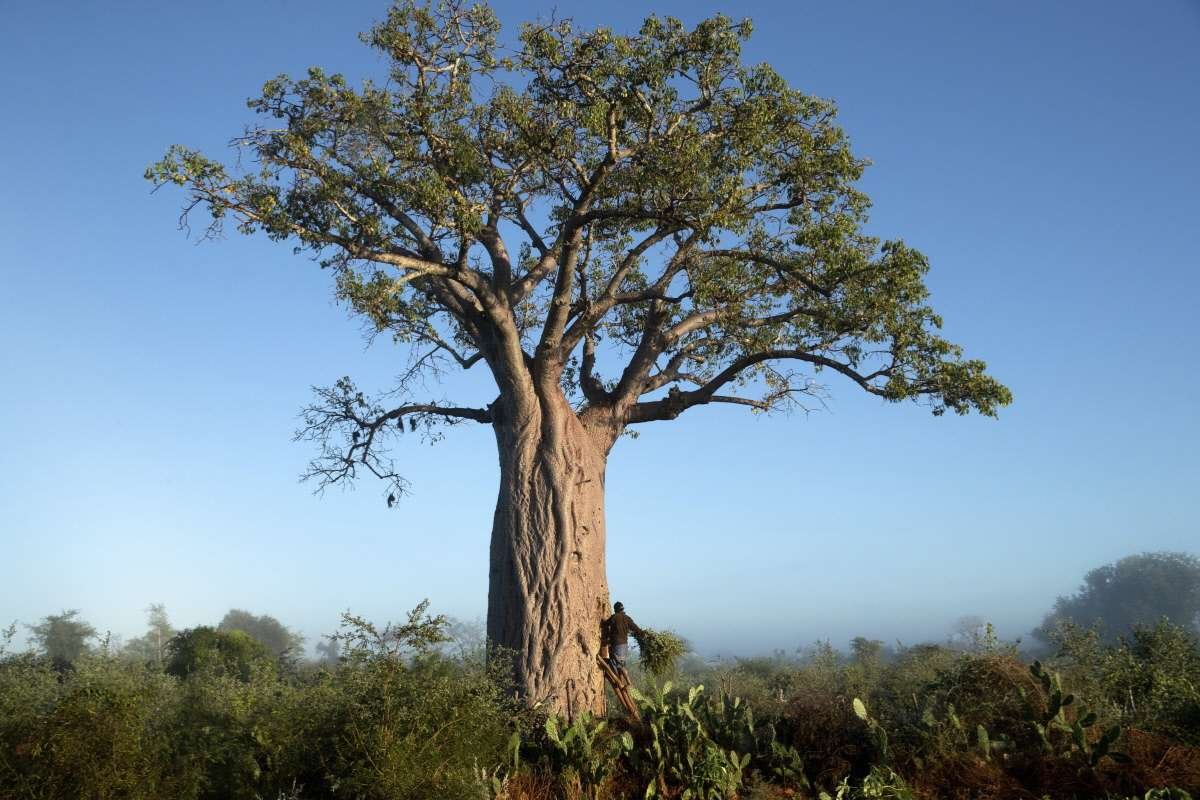
Baobabs are iconic African trees known for their massive, bottle-shaped trunks. Some species can reach diameters of over 40 feet and store thousands of gallons of water internally. These trees are ecological lifelines in their environments, providing food, shelter, and water to both humans and wildlife.
Their ability to withstand extreme drought makes them one of nature’s most adaptive giants.
9. The Colossal Squid: Deep Sea Titan
The colossal squid (Mesonychoteuthis hamiltoni) is one of the largest invertebrates on Earth. It can reach lengths of up to 45 feet and weighs around 1,000 pounds. Living in the frigid depths of the Southern Ocean, this creature remains elusive, adding an air of mystery to its already formidable reputation.
With rotating hooks on its tentacles and eyes the size of dinner plates, the colossal squid showcases the remarkable extremes of deep-sea life.
Read Next:
- The Science of Small: What the 15 World’s Smallest Animals Teach Us About Evolution
- If You Think T-Rex are the Biggest Dinosaurs? Wait Till You Meet These Titans
Conclusion
Largest Living Things on the Planet. They come in a variety of shapes and sizes, ranging from enormous animals and old trees to vast fungal networks and marine mega-structures. Their size highlights the remarkable diversity of nature and calls into question our conception of life.
In addition to inspiring wonder, these giants are essential to preserving ecological balance. Every example, whether it’s a whale, the weight of a jet, or a single organism spanning acres underground, deepens our understanding of the planet’s astounding capacity for life.