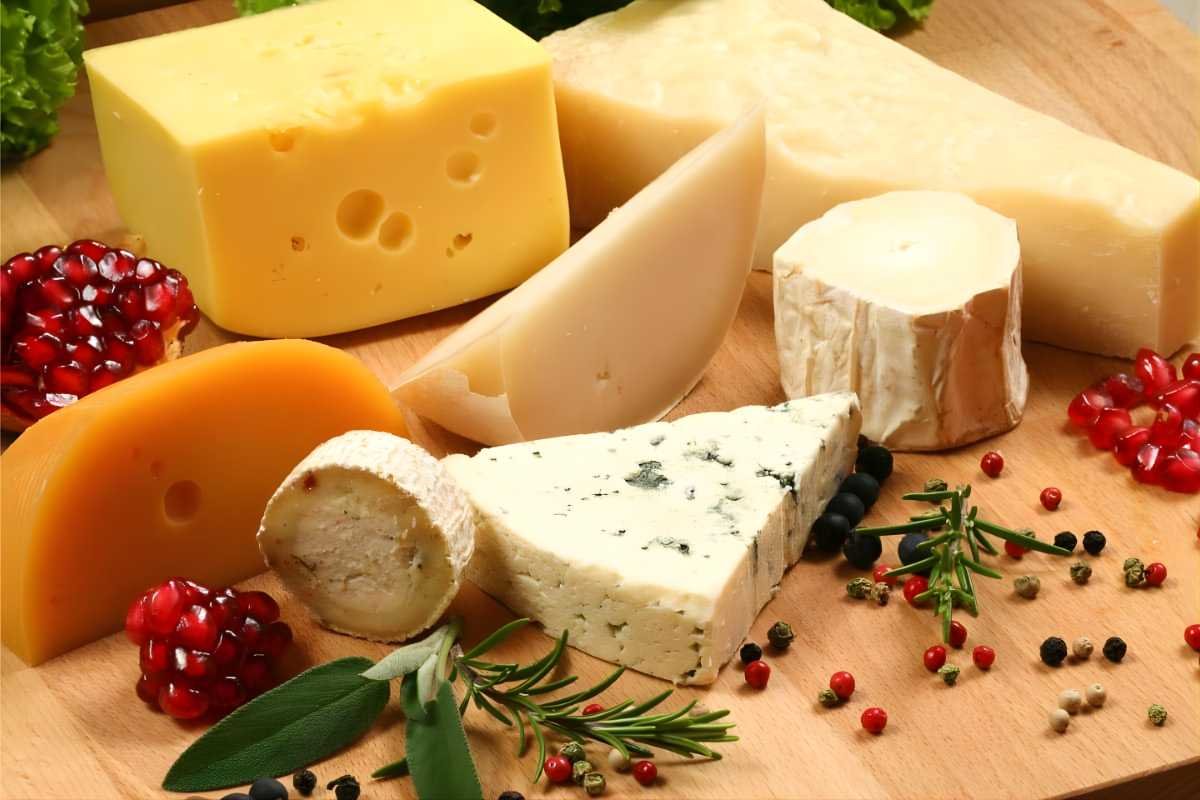
Recently, I was at a grocery store when something caught my eye: a block of cheese labeled “Lactose-free,” but how? Cheese had lactose as one of the main ingredients, right? In the end, cheeses come from milk, the main source of lactose.
There was so much to know about the cheese you can eat despite lactose intolerance. With this piqued interest in cheeses, the research on these lactose-free cheeses started. Turns out, lactose-free cheeses aren’t named “Lactose-free” for promotion; there’s science behind it.
Here’s everything you need to know about the cheese you can eat despite lactose intolerance.
Why are Some Cheeses Safe for People with Lactose Intolerance, While Others aren’t?
As we know, lactose intolerance results from insufficient lactase enzyme to break down lactose. It can cause bloating, cramps, and in some severe cases, diarrhea. Now, lactose is the natural sugar found in milk, and during cheesemaking, most lactose is removed with the whey.
Now, not all cheeses are the same, and not all of them are lactose-free. What does that mean?
If you have lactose intolerance, you cannot eat all cheeses. There are three types of cheeses that a lactose-intolerant person can consume: Hard cheeses (cheddar, Swiss, Gouda), Aged soft cheeses (Brie, blue), and Sheep/goat milk cheeses (feta, chèvre).
Why these cheeses, though?
See, hard cheeses are aged longer, and longer aging breaks down residual lactose completely, which is also why aged soft cheeses are lactose-free.
Sheep and goat milk contain less natural lactose than cow milk, which is why cheeses made from them are often lactose-free.
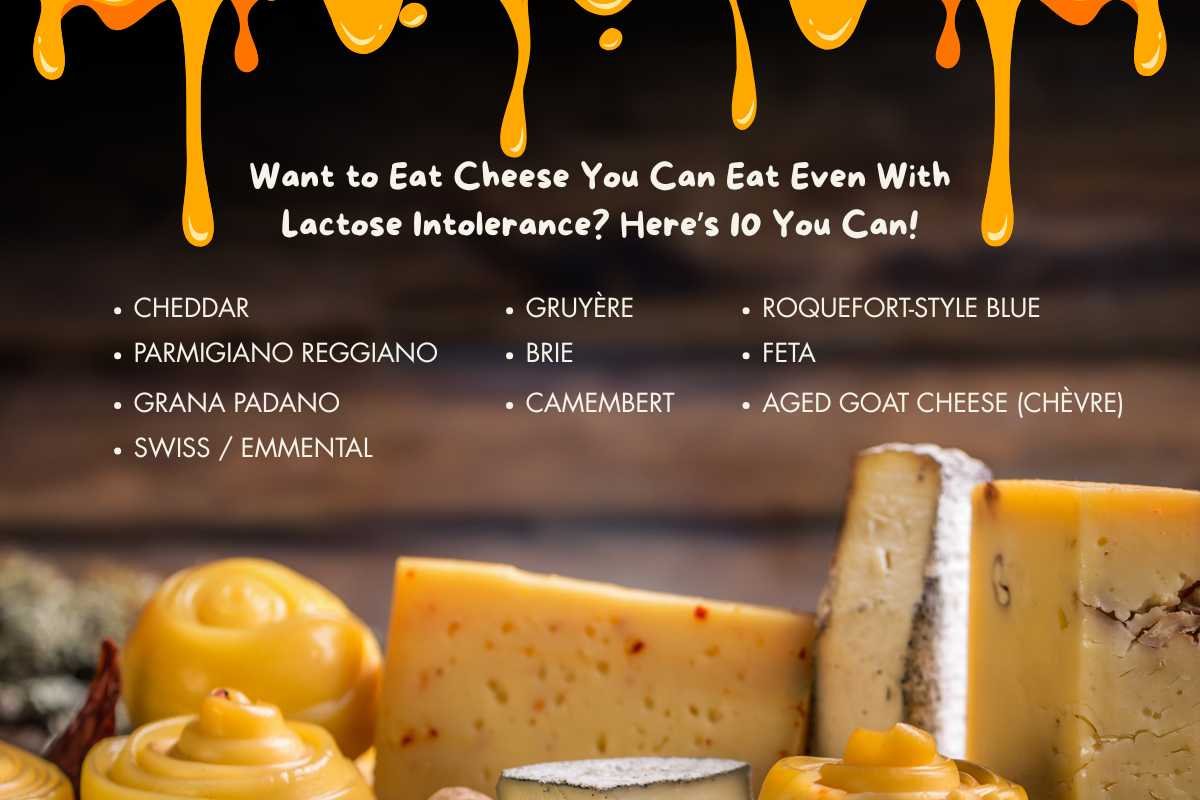
Want to Eat Cheese You Can Eat Even With Lactose Intolerance? Here’s 10 You Can!
There are 10 types of cheese you can eat despite lactose intolerance. Here’s everything you need to know about them.
1. Cheddar
Cheddar is a hard cheese you can eat despite lactose intolerance. The cheese originated in the village of Cheddar, in England, in the 12th century. The local caves had the perfect temperature for aging cheese. Farmers preserved surplus milk by pressing curds to remove whey, refining the process over centuries. By the 19th century, Joseph Harding standardized production, spreading it globally.
All types of cheddar cheese have a sharp taste. The older it gets, the sharper the taste is. The mature cheddar has a pineapple-like taste to it, due to protein breakdown.
Why can we consume it? The bacteria ferment the lactose from the cheese, making it safe for lactose-intolerant individuals.
2. Parmigiano Reggiano
Parmesan is one of the most famous cheeses in the world. It was first made by monks from Parma and Reggio Emilia in Northern Italy. Since its creation in the Middle Ages, the cheese hasn’t changed even a bit. Every Parmigiano Reggiano is from the Northern Italian region. The first known reference to Parmesan cheese dates back to the 12th century, when it was named in a deed from Genoa, Italy.
Parmesan is a hard, crumbly, almost crystalline-like cheese. Thanks to the amino acids, the cheese has an umami flavor. Younger Parmesan cheese is sweeter and milder, while the mature cheese has a sharper, nuttier taste.
3. Grana Padano
It is another cheese made by monks in Northern Italy. It looks similar to Parmesan but doesn’t have the same restrictions. For Parmesan to be Parmigiano Reggiano, it must be produced from the Parma and Reggio Emilia regions. Grana Padano doesn’t have that restriction. The best part about Grana Padano is its longevity.
This pale yellow cheese has the same taste profile as Parmesan. The younger cheese has fruity notes. So if you eat it, you may taste something similar to pears. As for the mature cheese, it has a spicy undertone. It is naturally lactose-free due to fermentation during a minimum of 9 months of aging.
4. Swiss / Emmental
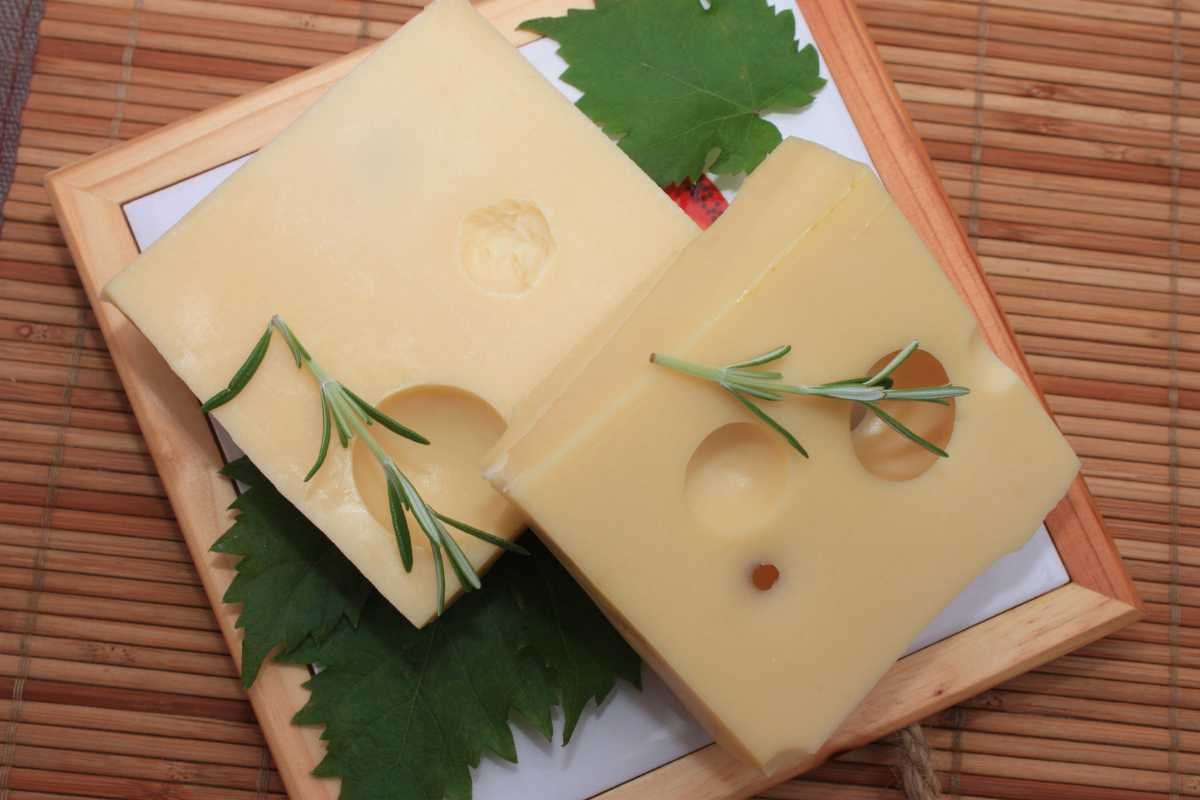
We have all seen this cheese in the childhood classic, Tom & Jerry. Swiss cheese is one of the tastiest cheeses. It is made using Propionibacterium freundenreichii, which gives it its hole-like structure and lactose-free nature. The cheese was first created in the 13th century AD in the Emme Valley by dairy farmers. During WWI, Swiss production prioritized domestic use, leading to the 1919 Cheese Union for marketing until the 1990s.
The cheese is known for its eyes (holes) and yellow color. It is one of the three cheeses used in fondue. It has a strong, sharp, intense, and caramelized taste. Aging causes a loss of lactose, making it a cheese you can eat despite lactose intolerance.
5. Gruyère
Can Gruyère still be Gruyère if it doesn’t come from Gruyère? It was a question asked by a federal judge in 2022-23. The dairy owners in the US won the case, and the term Gruyère was legalized for cheese with similar components outside the region. But the original Gruyère was made by farmers in the village with the same name.
It has a pale ivory-esque interior and a firm texture. The taste profile of Gruyère changes as it ages. If it is 3 to 5 months old, it is sweet, creamy, and milky with a hint of fruitiness. If it is 5-12 months old, it has a hazelnut-like nutty flavor. And if it has been aged for more than 13 months, it has reached the epitome of its exquisite taste. Now, the cheese will taste savory, caramelized, and umami with earthy, onion-like notes.
6. Brie
It was once dubbed the “king of cheeses” by the French monarchs. Brie was the “official” royal cheese of France. There are records of Philip II Augustus, the first king of France, gifting 200 wheels of Brie to his courtiers in 1217. The exact origins of this cheese are murky, but there are speculations that it originated in a monastery in Brie.
Bloomy white rind encases a creamy, pale yellow paste that oozes when ripe. It has a buttery and earthy taste. As it ages, it tastes rich, nutty, decadent, with subtle sweetness and fruity undertones like apricot.
7. Camembert
In 1791, a farmer named Marie Harel in Camembert refined a Brie recipe, given to her by a priest escaping the French Revolution. Her descendants commercialized it in the 19th century. Then came engineer Eugène Ridel, who created the poplar-wood box in 1890. This box enabled export, boosting fame after Napoleon III’s approval.
It has an edible white rind and a creamy, oozy pale interior. The taste of Camembert is similar to that of Brie, but it is smaller in size. People love how it flows when it ripens. WWII French soldiers called it “the cheese that travels,” supplying armies despite production challenges.
8. Roquefort-style Blue
It is one of the oldest cheeses in the world. Almost a 1000-year-old cheese comes from sheep’s milk. Only cheeses aged in the natural caves of Roquefort-sur-Soulzon and made from local Lacaune sheep’s milk can legally be called “Roquefort.” A famous legend says a shepherd forgot his bread and ewe’s cheese in a cave while chasing a girl. When he returned, mold had transformed it into blue-veined cheese, inspiring the creation of Roquefort.
This cheese is moist, crumbly, and tastes sour. It has a distinct blue-green marbling and a natural rind or foil wrapping. Honestly, it is an acquired taste, and like any other blue cheese, this one isn’t everyone’s cup of tea.
9. Feta
In the epic “Odyssey,” when Odysseus reached Polyphemus’ cave, he found earthenware of Feta cheese. Remember Homer wrote the Odyssey in the 7th or 8th century BC, almost 2700 years ago! That’s how old Feta cheese is. It is made in two ways: using either 100% sheep milk or a blend of 70% sheep milk and 30% goat milk.
The cheese has a pungent flavor with a hint of herbs and spices. It has a crumbly texture with a creamy interior. As it comes from sheep or goat milk, it is a cheese you can eat despite lactose intolerance. The cheese is good for salads, especially the Greek Salad. The crumbly texture gives it a bite, making the salad enjoyable. The pungent herby flavor also adds to the dish.
10. Aged Goat Cheese (Chèvre)
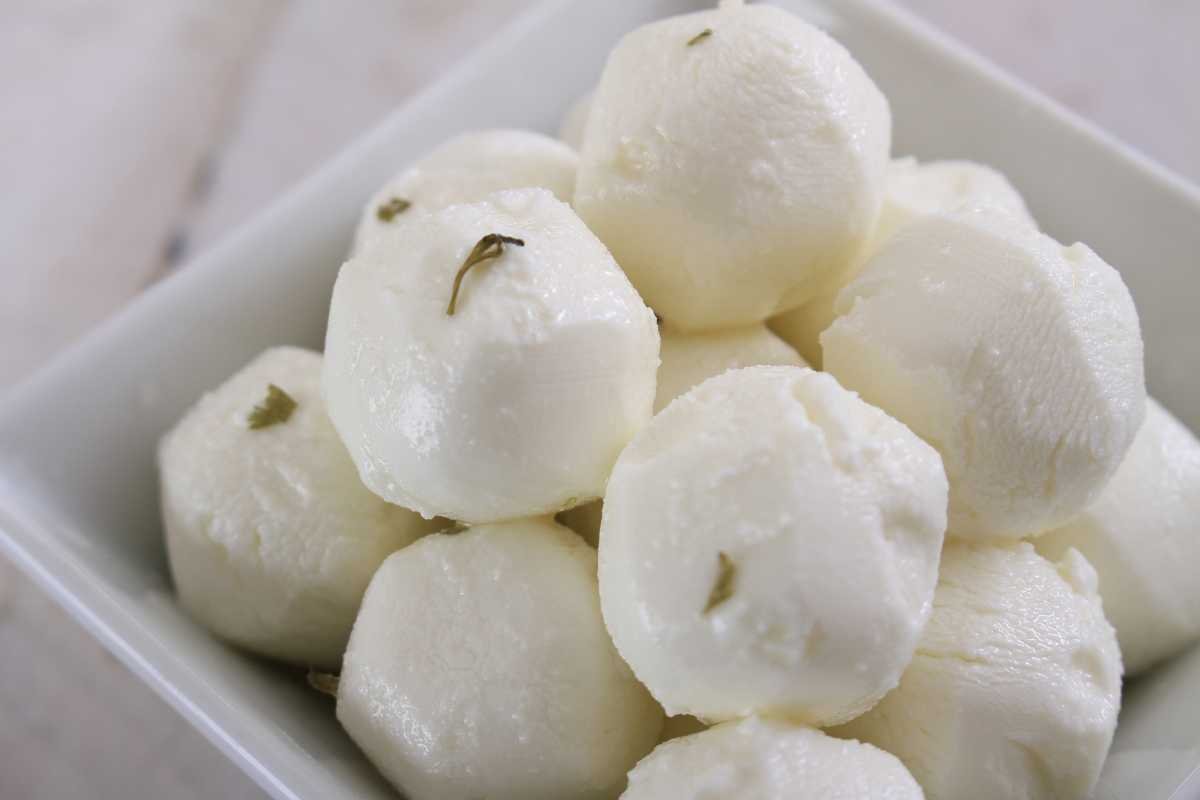
Aged goat cheese has roots in ancient goat-keeping traditions in the Mediterranean and Middle East. As for chèvre, the North African Moors introduced goats to the Loire Valley of France, which led to its invention. France had distinct goat cheese regions, i.e., Loire, Poitou-Charentaise, and Provence. In the 20th century, aged chèvres moved from local farmhouse products to global artisanal staples as interest in French cheese and “back-to-the-land” food culture grew.
Compared with fresh chèvre, which is soft, spreadable, and lemony-tangy, aged goat cheese becomes denser, sliceable, and more crumbly, with a deeper, savory character. Flavor notes shift from bright and citrusy to nutty, earthy, and sometimes slightly peppery or herbal.
Read Next:
What to Check Before Choosing Cheese You Can Eat Despite Lactose Intolerance?
There are a few things to keep in mind when choosing a lactose-free cheese.
Firstly, choose hard, aged cheeses over average cheese. Never take a bite from “fresh” cheese. Always check labels for “0g sugar” or “lactose free,” which usually indicates negligible lactose. Start with small portions and see how your body reacts. Many guidelines note that people can often tolerate up to about 12g of lactose spread throughout the day.
Conclusion
And these are the 10 cheeses you can eat despite lactose intolerance. Always remember, sometimes it is better to upset your tongue than your stomach. Be careful when tasting cheeses or any dairy products. Start with a small bite and see if your body reacts negatively.
Even if these are lactose-free cheeses, don’t just buy them from the shelf; check if they are labeled lactose-free or zero sugar. If you are craving some cheesy goodness but can’t because of your lactose intolerance, try any of the 10 cheeses listed above. Every cheese can be a replacement for your average cheese. Instead of mozzarella, you can add Parmesan to your pizza. Instead of American cheese, you can use cheddar for your burgers. And Gruyère grilled cheese is the best grilled cheese sandwich of all time.
The point is, every cheese you can eat despite lactose intolerance reminds us that sickness does not have to come with loss of taste. As long as you are careful, you can enjoy tasty food and live a healthy life.
FAQs
1. What specific diacetyl concentration differentiates a high-quality, aged Gouda from a young one?
Diacetyl concentration is generally lower in aged Gouda. It’s often replaced by complex esters.
2. What is the defining characteristic of an AOC-designated cheese?
AOC (Appellation d’Origine Contrôlée) mandates production from a specific geographic area and adherence to traditional methods.
3. How does the unique process of cheddaring influence the texture of cheeses like actual Cheddar?
Cheeses are stacked and turned to drain whey. This step yields a dense, layered, and crumbly texture.