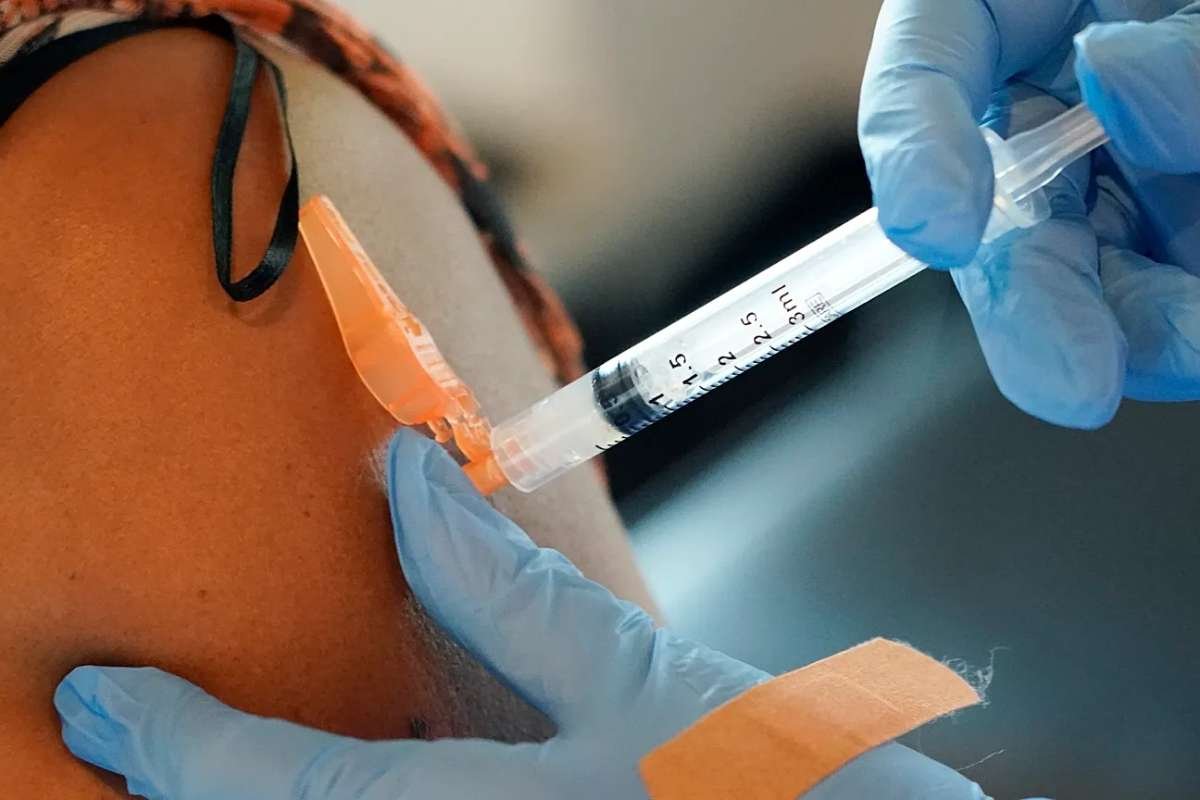
Stanford researchers announced Wednesday that two immune signals may explain rare myocarditis cases in young males after mRNA COVID vaccinations. The Stanford Myocarditis Study offers the first clear mechanism behind this uncommon reaction.
Researchers Pinpoint Immune Surge After mRNA Shots
Stanford scientists reported that elevated levels of two cytokines, CXCL10 and interferon-gamma, appear to strain heart cells shortly after vaccination. The findings, published in Science Translational Medicine, stem from plasma analysis, lab-grown heart tissue, modeling, and mouse studies.
“In every model we tested, the same pattern emerged,” said Dr. Joseph Wu, senior author and director of the Stanford Cardiovascular Institute. “When we block these two with antibodies, the cardiac damage goes down.”
This reinforces the central conclusion of the Stanford Myocarditis Study: an immune surge may be the root cause.
Fewer than 30 people in every million vaccinated experience brief chest pain or shortness of breath linked to myocarditis, primarily teenage boys and young men. The condition has puzzled clinicians since early vaccine rollout, given its timing within days of the second dose.
Researchers emphasized that the results represent laboratory insights, not clinical outcomes. Human trials are the next step to determine whether blocking the cytokines could prevent inflammation.
Vaccine Timing and Hormonal Factors May Shape Risk
Scientists also examined whether dose intervals influence risk. Some data suggest myocarditis is more likely when the second dose follows the first within weeks, raising the possibility that spacing doses farther apart may reduce immune spikes. Canada used this approach early in the pandemic.
Another factor may be biological sex. The team found that estrogen reduced inflammatory damage in mice exposed to the cytokine surge. That prompted tests of genistein, a soy-derived phytoestrogen, which produced a similar effect in lab models.
“What we see in the Stanford study is when we give this drug, we decrease the cardiac inflammation or the myocarditis,” said Dr. Amir Munir, a cardiologist at UCSF who was not involved in the study. “However, we still keep the protective properties of the vaccine to protect against COVID.”
Scientists caution that this early evidence should not deter vaccination. Myocarditis after an mRNA shot remains extremely rare, while heart complications from COVID infection are more common and more severe, often affecting multiple organs.
Findings May Guide Safer Vaccines and Future Treatments
The Stanford Myocarditis Study may shape next-generation mRNA vaccines and treatments for myocarditis, which occurs for many reasons beyond vaccination. Currently, no FDA-approved therapies exist for the condition.
“Having models like this, where we can understand the mechanisms that drive myocarditis, allow us to think how we can specifically target inflammation to treat patients with it,” Munir said.
Wu noted that the insights may also help researchers tune vaccine formulations to avoid overstimulating immune pathways linked to heart stress.
The Stanford team plans to begin designing human studies to validate whether moderating CXCL10 and interferon-gamma can reduce the rare side effect without weakening immune protection.
Visit The Lifesciences Magazine For The Most Recent Information.